
Home internet is one of the rare consumer-tech expenses where the headline monthly number does not tell the entire story. American households paid roughly $20 to $50 per month for internet access in 2001, depending on whether they used dial-up, cable, or DSL. In 2026, the average monthly home-internet cost is $81.16. At a glance, that can look like a large increase.
But the service attached to that bill has changed beyond recognition. The early-2000s dial-up ceiling was 56 kilobits per second (kbps), while early cable and DSL connections generally ran between 300 and 500 kbps. The reported median U.S. download speed in 2026 is 116.34 megabits per second (Mbps). That comparison is not merely an incremental upgrade: it represents a radically different amount of data that a household can move in the same amount of time.
After accounting for inflation, the case for modern internet value becomes clearer. A $51.67 monthly DSL bill at the end of 2001 has about $100 in buying power today. That is above the reported $81.16 average current bill, even before considering the far greater speed available to many customers. Modern broadband may still be a meaningful recurring household expense, and prices and options vary by state and provider, but the cost per megabit has fallen sharply.
What internet access looked like in 2001
In 2001, about half of U.S. households had internet access. Unlimited dial-up was the accessible entry point for many people. AT&T WorldNet and EarthLink each offered service for $21.95 per month as of June that year. AOL began 2001 at the same price before increasing its monthly fee to $23.90 in May.
Dial-up connected through a telephone line and had a theoretical maximum speed of 56 kbps. A kilobit is one thousand bits; a megabit is one million bits. Put another way, 1 Mbps equals 1,000 kbps. Even compared with the slower end of early broadband, that made dial-up vastly more constrained. It was sufficient for basic web pages, email, and lightweight downloads, but it was operating under limits that are hard to picture beside today’s constantly connected homes.
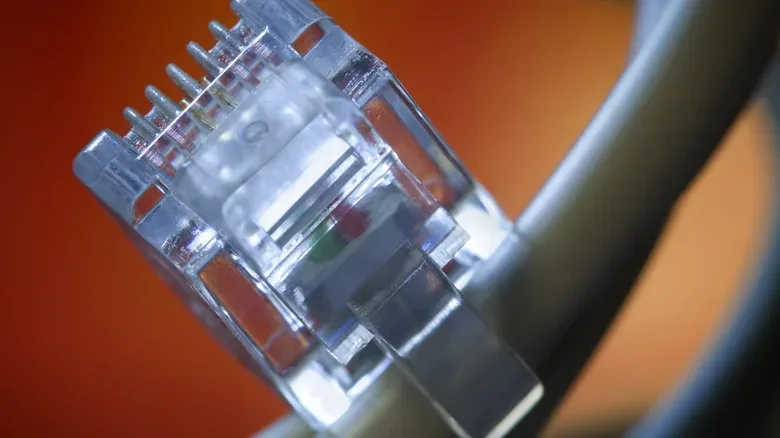
Cable broadband and DSL were the premium alternatives. Cable broadband averaged $39.40 per month in January 2001 and $44.22 by year’s end. Consumer DSL averaged $47.18 in January and $51.67 in December. Their 300-to-500-kbps speeds were a material improvement over dial-up, but the upgrade carried a substantially higher price.
Those figures also show why simply comparing a 2001 sticker price with a 2026 price can mislead. The late-2001 average DSL cost of $51.67 is nominally lower than the $81.16 2026 average, yet the older price is equivalent to approximately $100 in today’s money. The current average is therefore lower in inflation-adjusted terms than that late-2001 DSL benchmark.
Speed is the missing half of the price comparison
Broadband value is best understood as a relationship between price and capacity, not as a monthly bill alone. A 116.34 Mbps median download speed is more than 200 times faster than a 500 kbps connection at the high end of the early-broadband range. Against 56 kbps dial-up, the difference is more dramatic still.
Related coverage includes Home Internet Costs Less Per Megabit in 2026 Than It Did in 2001.
This does not mean every household receives the same connection or pays the same amount. The $81.16 number is an average, while the 116.34 Mbps figure is a median download speed. Those are different measurements: an average adds all prices and divides by the number of observations, so unusually high or low bills can influence it. A median is the middle value in a set of speed results, meaning half sit above it and half below it. Neither measurement promises what any one address can buy.
Still, together they illustrate the broader change. For an average monthly bill below the inflation-adjusted price of late-2001 DSL, the typical download-speed figure is now in a completely different class. That is why the familiar feeling that “internet costs about the same as it always has” can coexist with the more precise conclusion that consumers receive much more network capacity for their money.
Why faster connections matter to games
For gaming households, connection quality is about more than a download-speed number. Download bandwidth determines how quickly data can arrive, which matters when a game client, update, or other large file needs to be retrieved. More bandwidth can reduce that wait, particularly when several people are using a home connection at once.
Online play also depends on latency: the delay involved in sending data to a destination and receiving a response. It is often discussed in milliseconds. A high-speed plan does not automatically guarantee low latency, because speed and delay measure different aspects of a network. But the broader improvements in modern network infrastructure, routers, and standards have brought more responsive and reliable connectivity than the internet many players knew two decades ago.
That distinction is important when comparing plans. A very large download-speed number may be helpful for fast downloads and a busy household, while the quality of a game session can also be shaped by latency and reliability. The available evidence supports a broad long-term improvement in both speed and latency, but it does not establish that every plan, provider, or location will perform identically.
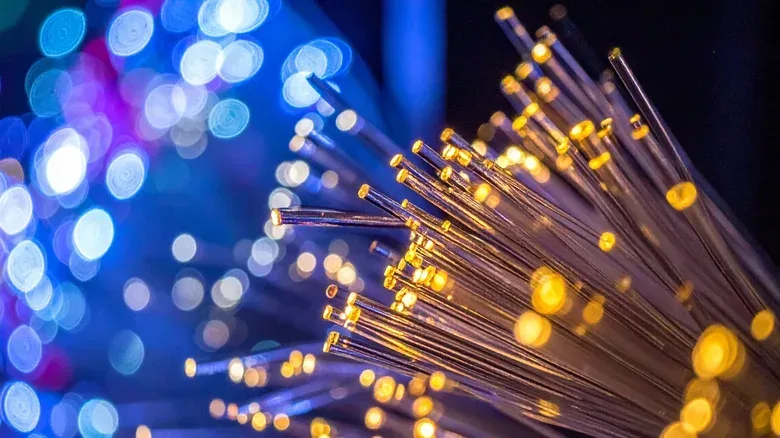
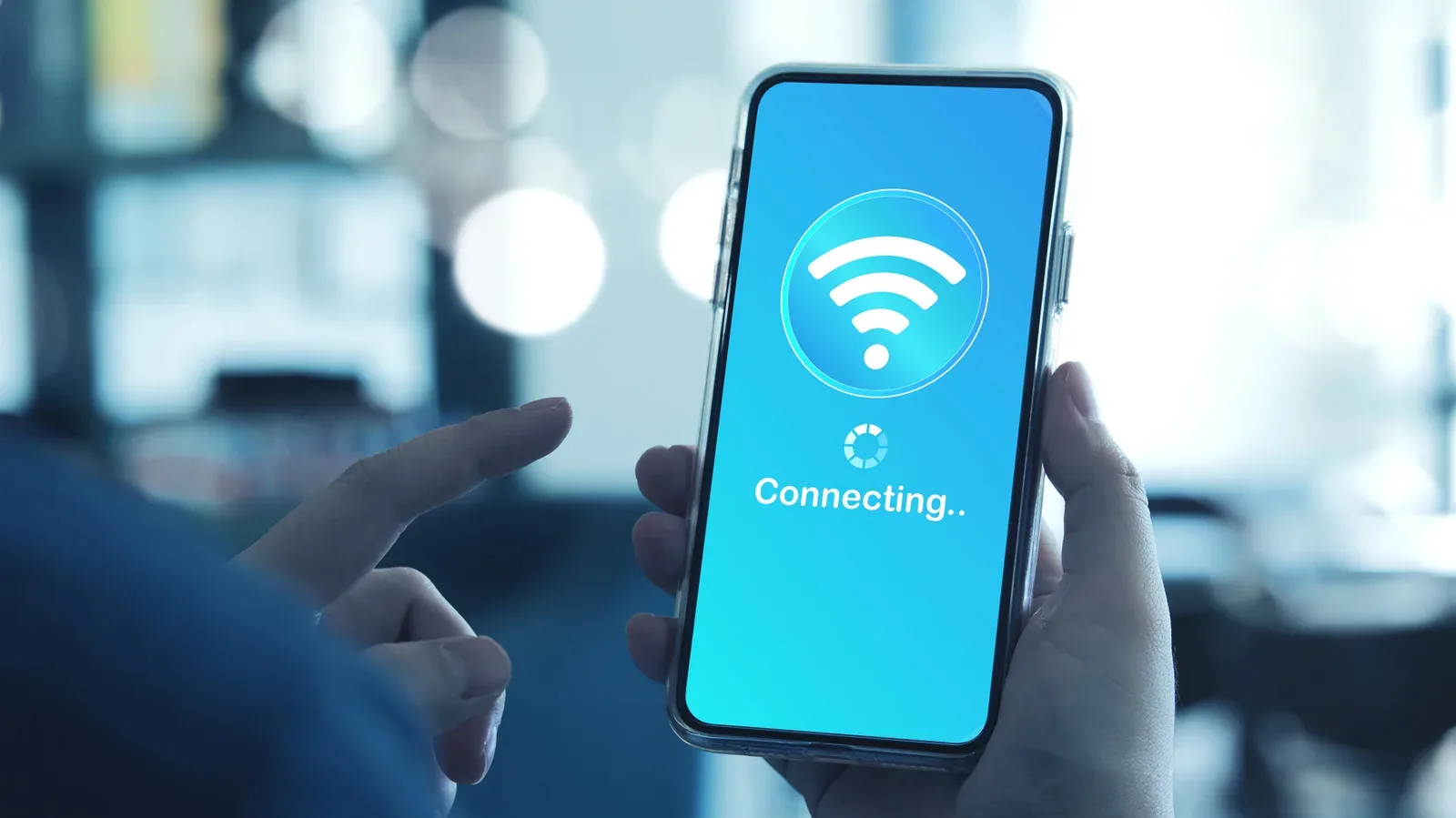
Newer home-network standards are part of that modern picture. Wi-Fi 6 and Wi-Fi 7 are wireless networking standards intended to improve real-world home connectivity, while advances in routers also help networks handle contemporary demands. Fiber-optic connections expand the ceiling further in areas where they are available. The major practical point is that an internet subscription is no longer being asked to serve the limited role it did in 2001; the capacity available through it has expanded enormously.
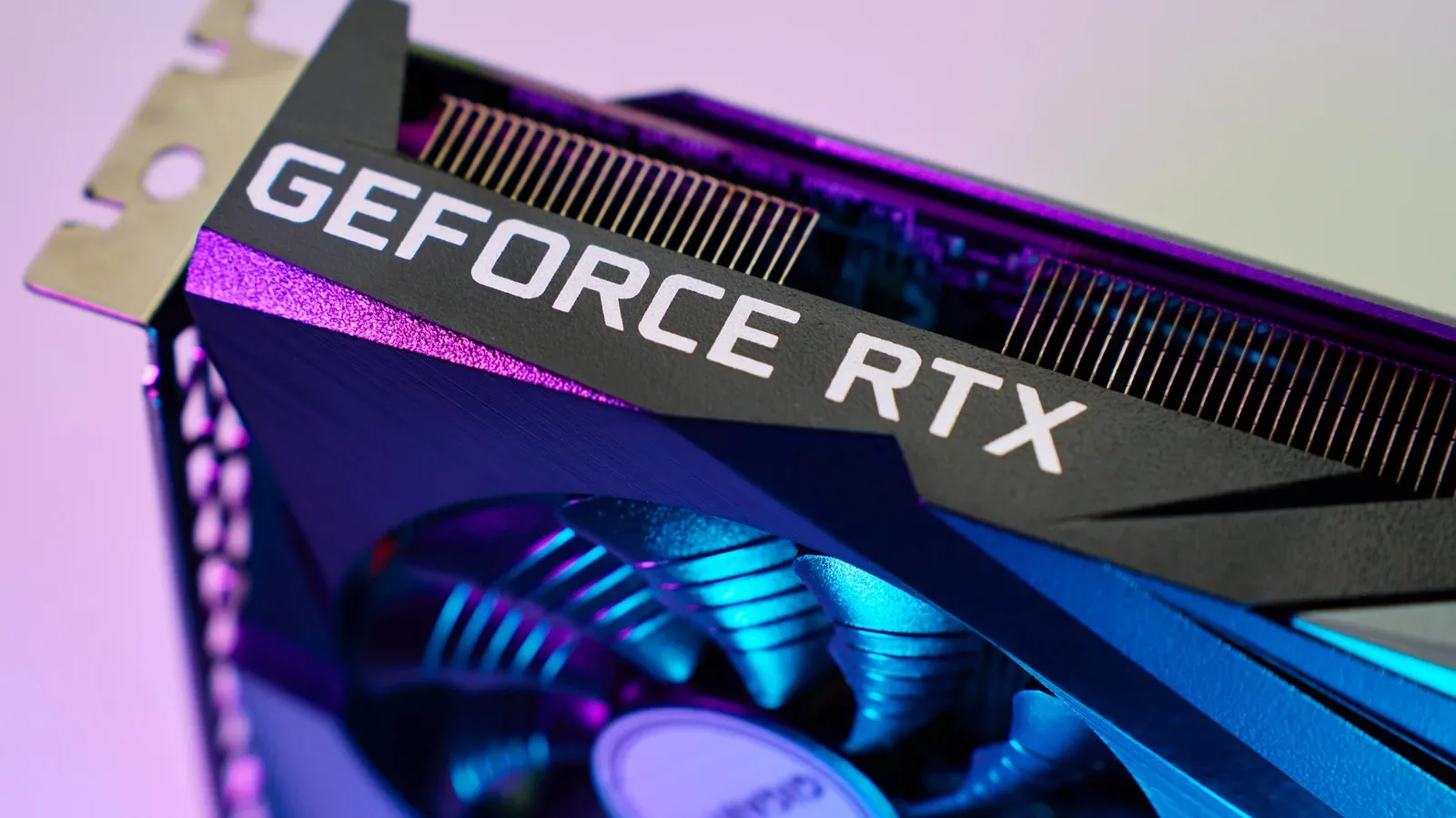
That expanding capacity sits alongside other costs tied to modern PC gaming. As discussed in the continued relevance of the RTX 3060 in Steam’s GPU survey, hardware value and upgrade timing remain central questions for players. Internet is a separate piece of the budget, but its long-run price-to-performance trend runs in a notably different direction: more capability without an equivalent inflation-adjusted jump in the monthly bill.
Gigabit and multi-gigabit service show how far the ceiling has moved
The distance between 2001 and 2026 is especially apparent at the high end. In some coverage areas, Ziply Fiber begins at 2 gigabits per second (Gbps) and offers plans reaching 50 Gbps. A gigabit equals 1,000 Mbps, so even the entry 2 Gbps tier is 2,000 Mbps. The 50 Gbps option is an illustration of the current technological ceiling rather than a mainstream requirement: it costs $900 per month plus a one-time $600 installation charge.
Most households will not need a connection at that level. Its relevance is not that everyone should pursue it, but that it demonstrates the scale of the infrastructure change. In 2001, a 300-to-500-kbps broadband connection was a comparatively fast paid upgrade. Modern service can reach multi-gigabit levels where infrastructure supports it, while the national median download figure is already 116.34 Mbps.
What shoppers can take from the comparison
The historical numbers suggest a useful way to assess internet bills: separate affordability from value. A plan can be expensive for a household’s budget even if it supplies much better capacity per dollar than an older service did. Conversely, the highest speed tier is not automatically the best fit merely because it has the strongest specification.
- Compare the plan to the household’s needs. Providers commonly offer multiple pricing tiers, allowing customers to increase or reduce service rather than treating connectivity as a single fixed product.
- Read download speed in context. Mbps measures data-transfer capacity. It is useful, but it is not a complete description of online responsiveness.
- Consider latency separately. For split-second interactions, delay and connection reliability are relevant alongside bandwidth.
- Remember that availability is local. Fiber and very high-speed plans are not universally available, and state-level pricing can differ significantly.
- Use inflation-adjusted comparisons. A lower number from 2001 does not necessarily mean the service was cheaper in purchasing-power terms.
There is no reason to pretend that a monthly internet bill feels trivial, especially when it shares a budget with games, hardware, and every other modern household expense. Yet the numbers make a strong case that home internet has become substantially more valuable over the last quarter-century. The price of admission has risen in nominal dollars, but speed has leapt from kilobits to a median measured in more than 116 megabits per second, with gigabit and multi-gigabit options available in some places. In inflation-adjusted terms, even late-2001 DSL could cost more than today’s average home connection while delivering a fraction of the performance.