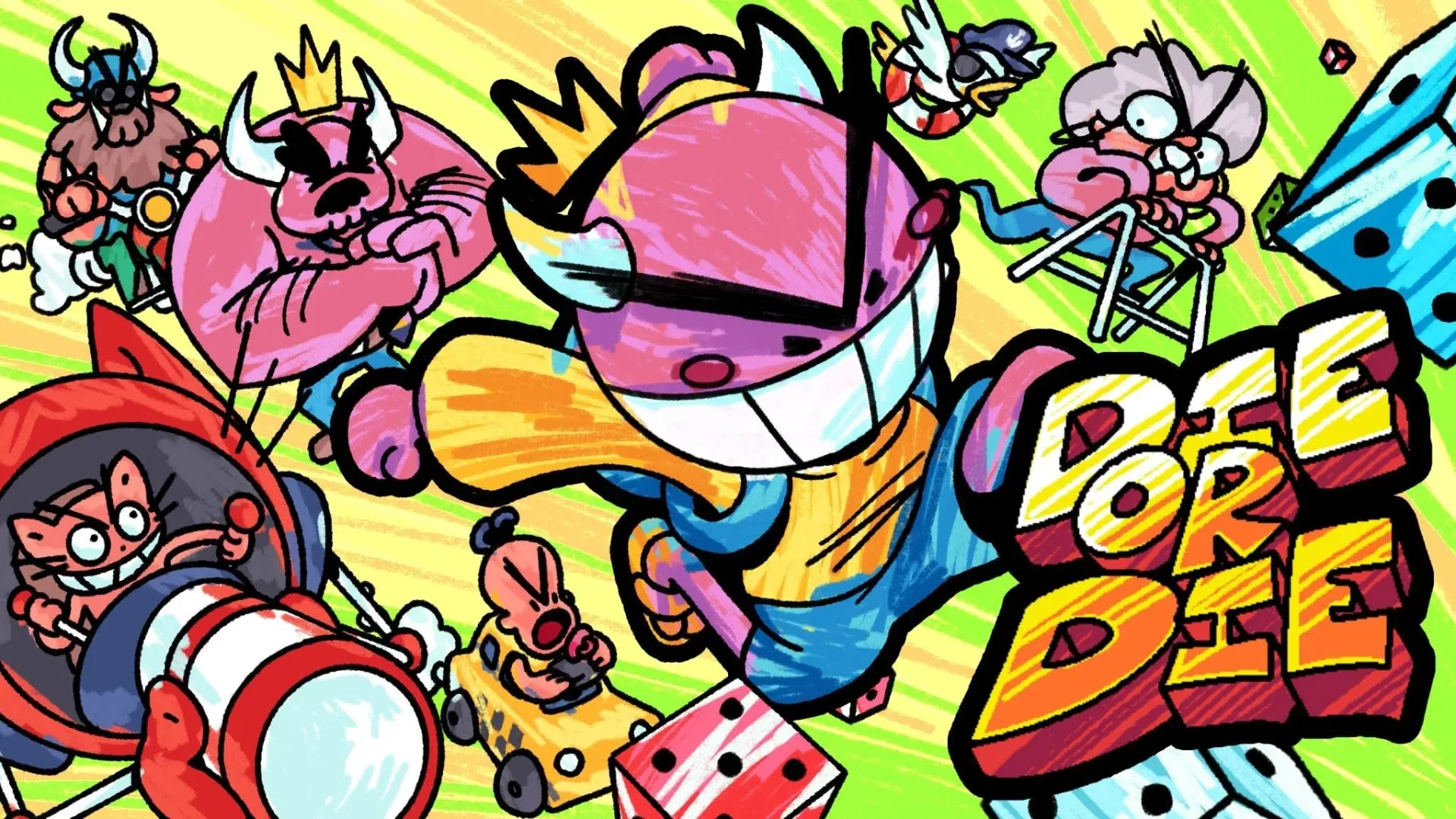
Die or Die, a top-down roguelike shooter from Galicia-based independent studio Ao Norte, is planned for Steam and consoles in 2027 under publisher Acclaim. Its pitch is built around a deliberately uncomfortable choice: spend dice to improve a run, or use those same dice to get rid of the terrible things currently trying to end it.
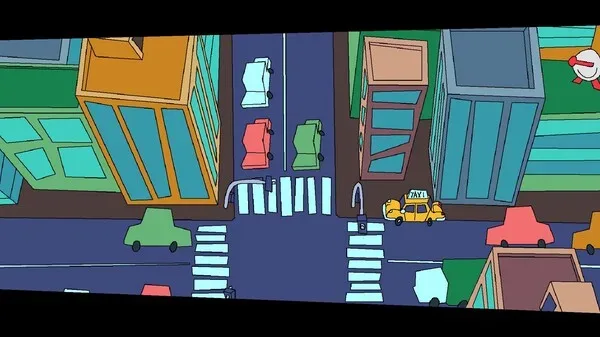
The game follows Lil’ Demon, a tired taxi driver attempting to put an old life behind him and make it to the coast. Getting there means fighting through five worlds filled with hand-drawn enemies, using runs, shots and dodges to survive crowded combat spaces. But shooting skill is only one part of the equation. Dice are the central resource, and a decision that makes the next fight safer may weaken the player’s longer-term build.
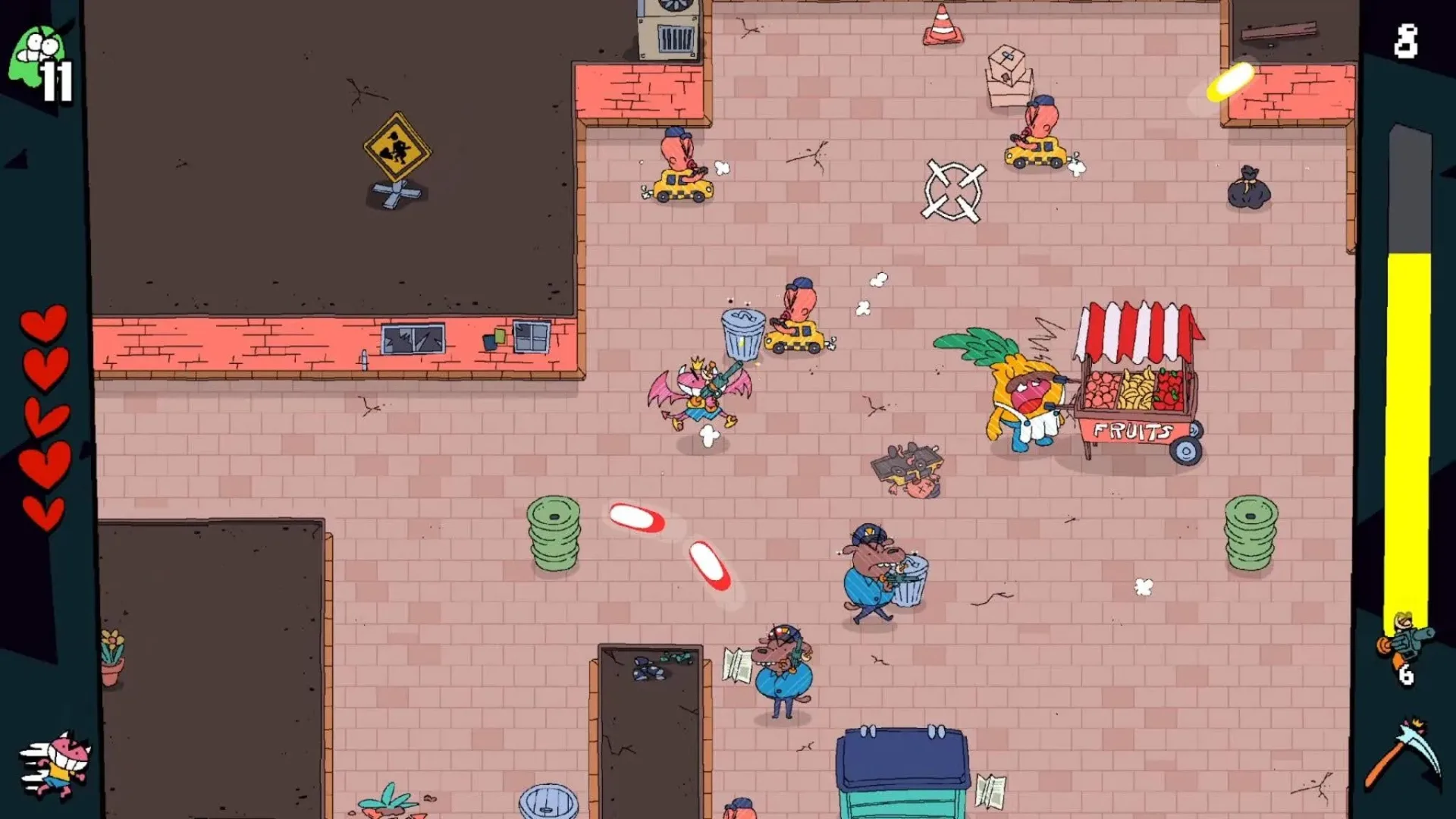
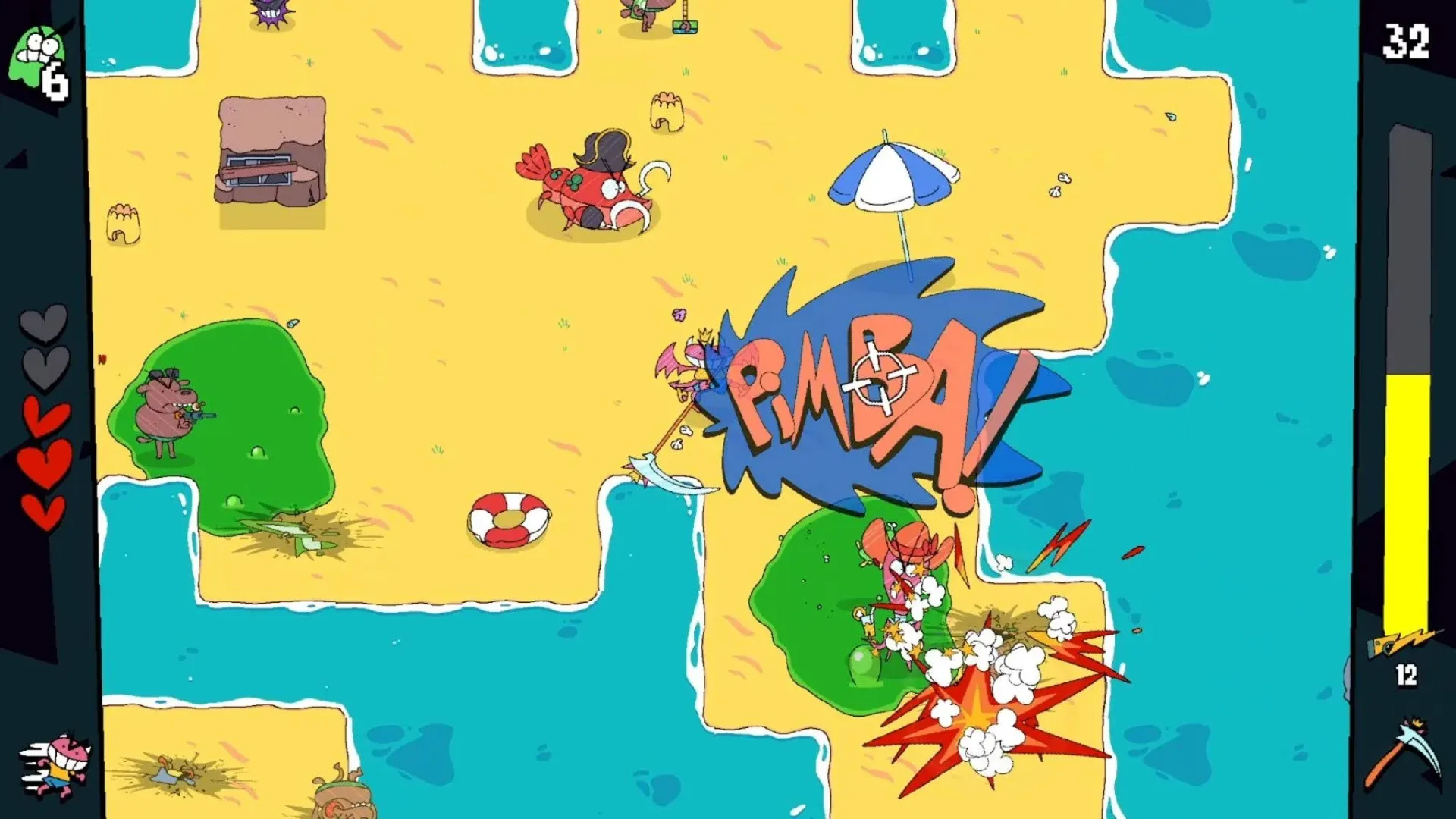
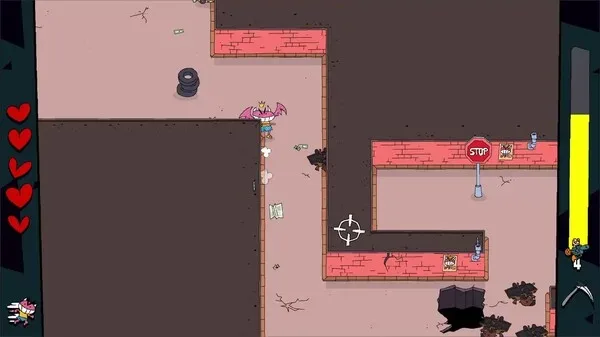
A playable version of Die or Die recently appeared at L.A. Comic Con, while a newly released trailer shows its fast combat, grimy cartoon presentation, dice-based powers and disruptive stage modifiers. Platform-specific console details have not been provided.
Dice are both progression and emergency response
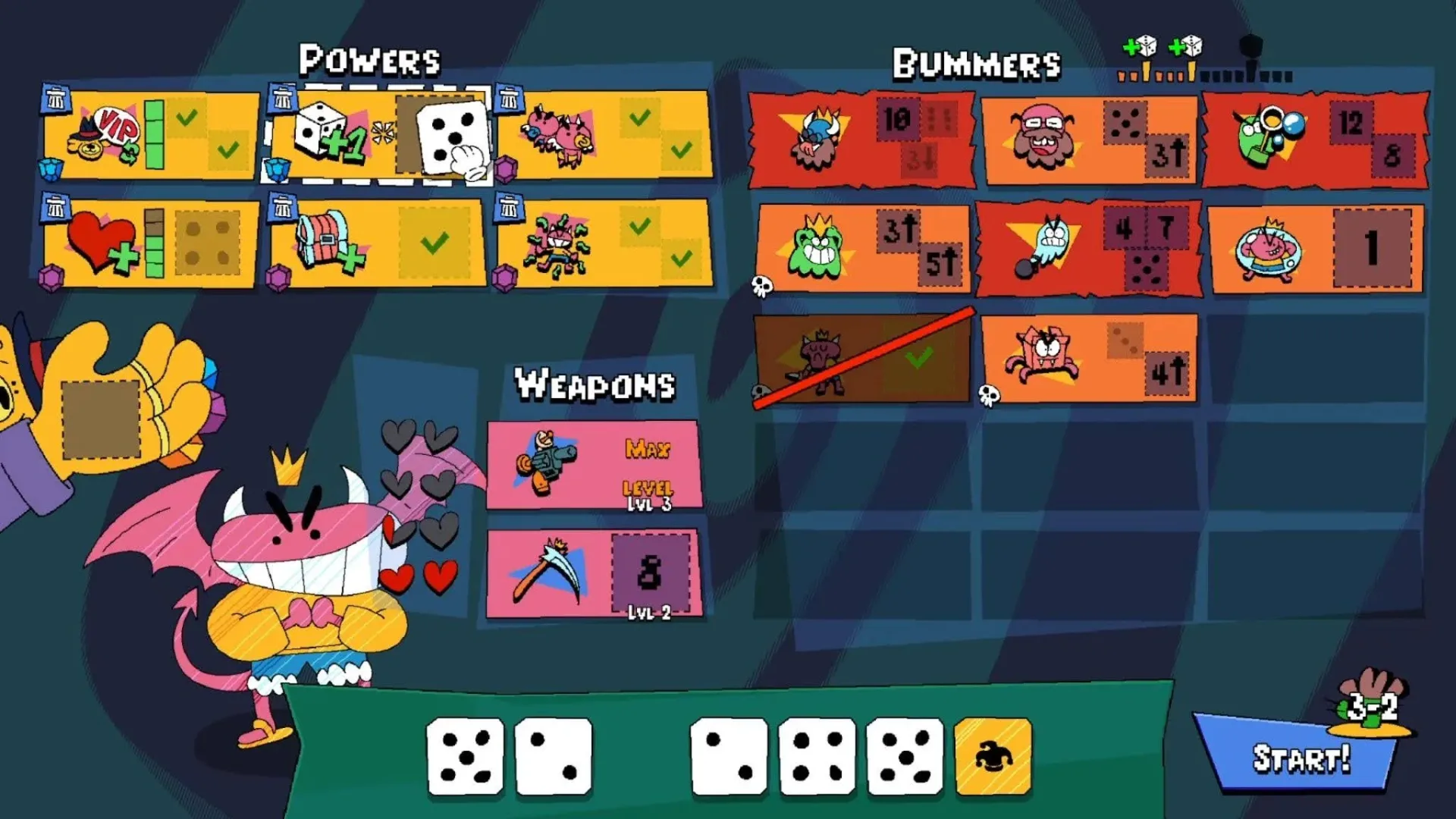
In many roguelikes, a run is shaped by temporary upgrades: a weapon, passive effect or ability that disappears when the attempt ends. Die or Die uses dice as the currency behind several of those choices. Players earn dice while battling through enemy-heavy levels, then can spend them on abilities and weapons. That establishes the familiar appeal of a run-based build: find an effective combination and try to push it as far as possible.
The notable wrinkle is that dice also remove “bummers.” The game uses that term for chaotic modifiers that can make an area substantially more dangerous. Examples shown in the announced material include giant enemies, lava floors and meteor showers. Rather than treating level hazards as fixed conditions, the design lets players pay to change the problem in front of them.
That makes dice management more than a simple shopping decision. A die used to destroy a bummer cannot also be used to activate an ability or purchase a weapon. Conversely, holding onto resources for a stronger build can mean accepting an immediately hostile arena. The game’s stated loop—roll, die and repeat—therefore refers not only to the genre’s repeated attempts, but to a system where rolling and spending are entwined with moment-to-moment survival.
What a “bummer” means in play
The term is playful, but the examples indicate that bummers are gameplay modifiers rather than merely visual flourishes. A lava floor changes usable space, forcing movement and potentially limiting safe routes. Meteor showers add intermittent environmental pressure. Giant enemies can alter target priority and make dodging harder in already crowded rooms.
Because players can apparently remove these effects by spending dice, each bummer creates a practical question: is the modifier dangerous enough to justify the cost? A lava floor may be worth clearing when it makes movement too constrained for a particular weapon or ability. A player who is comfortable with the danger might instead preserve dice for an upgrade, accepting a harder encounter in exchange for a potentially stronger run later.
The announcement says rolls can influence builds and level layouts. That suggests randomness is not just about the damage numbers on a weapon; it also affects the conditions under which a player fights. The precise rules governing rolls, costs, drop rates and the full range of bummers have not been detailed, so it is too early to say how much control players will have over an individual run. Still, the disclosed structure places luck and resource planning alongside reflexes.
A top-down shooter where movement still matters
Die or Die is described as a top-down shooter, meaning the action is viewed from above rather than from a first-person or side-on perspective. In the material shown so far, players run, shoot and dodge through dense enemy groups. That combination puts positioning at the center of combat: players need to create room, avoid incoming threats and decide when an enemy cluster is worth confronting directly.
The dice system gives those combat fundamentals an added strategic layer. A player may be able to dodge through a rough room, but doing so while lava, meteors or oversized enemies are active can demand more precise movement. Removing a bummer may be a way to lower the execution burden. Saving the die may be a calculated bet that the player can survive the room and receive more value from a weapon or ability later.
This is a meaningful distinction from a system where hazards are only obstacles to endure. Here, hazards are also competing claims on the same resource pool used for character power. The consequences could be especially sharp when a run offers several bad options at once: remove the environmental threat, buy a useful weapon, or retain dice in hope of a better opportunity. The game’s tension appears intended to come from making none of those choices automatically correct.
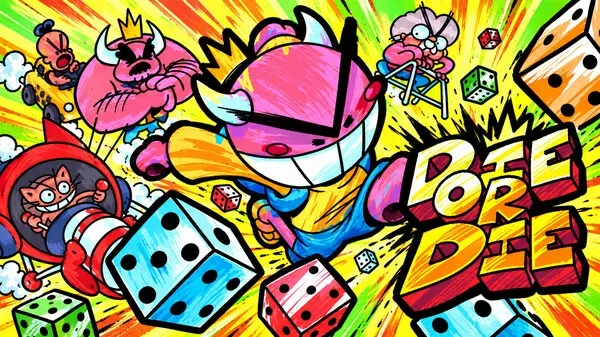
Its visual identity leans into grungy 1990s cartoon energy, with quick-moving hand-drawn foes and intentionally exaggerated hazards. The premise of a demon taxi driver trying to escape his past gives the action a direct narrative route: Lil’ Demon is headed toward the coast, while the bummers become the obstacles—literal and thematic—standing in the way.
How the roguelike structure fits the premise
A roguelike is commonly used to describe a game structured around repeatable runs, randomised or variable elements, and failure that sends the player back to begin another attempt. Die or Die clearly embraces the repeat-and-adapt side of that format, but its stated design focuses attention on what players do with the resources earned inside a run.
That is important because a run-based game can make failure feel either arbitrary or instructive. The available details point toward choices that are legible even when the outcome is rough: dice were allocated to an ability, a weapon or bummer removal; a roll affected a build or layout; and the player had to contend with the consequences. Whether the final release achieves a satisfying balance between chance and mastery will depend on details that have not yet been announced, including how often dice appear and how expensive the different options are.
For now, the clearest promise is not that players can eliminate randomness, but that they can react to it. The same die may be defensive spending in one room and a growth investment in another. A bummer that seems manageable early in a run could become a serious liability when paired with a particular layout or enemy mix. That flexibility is where the game’s dice theme has room to become more than a visual motif.
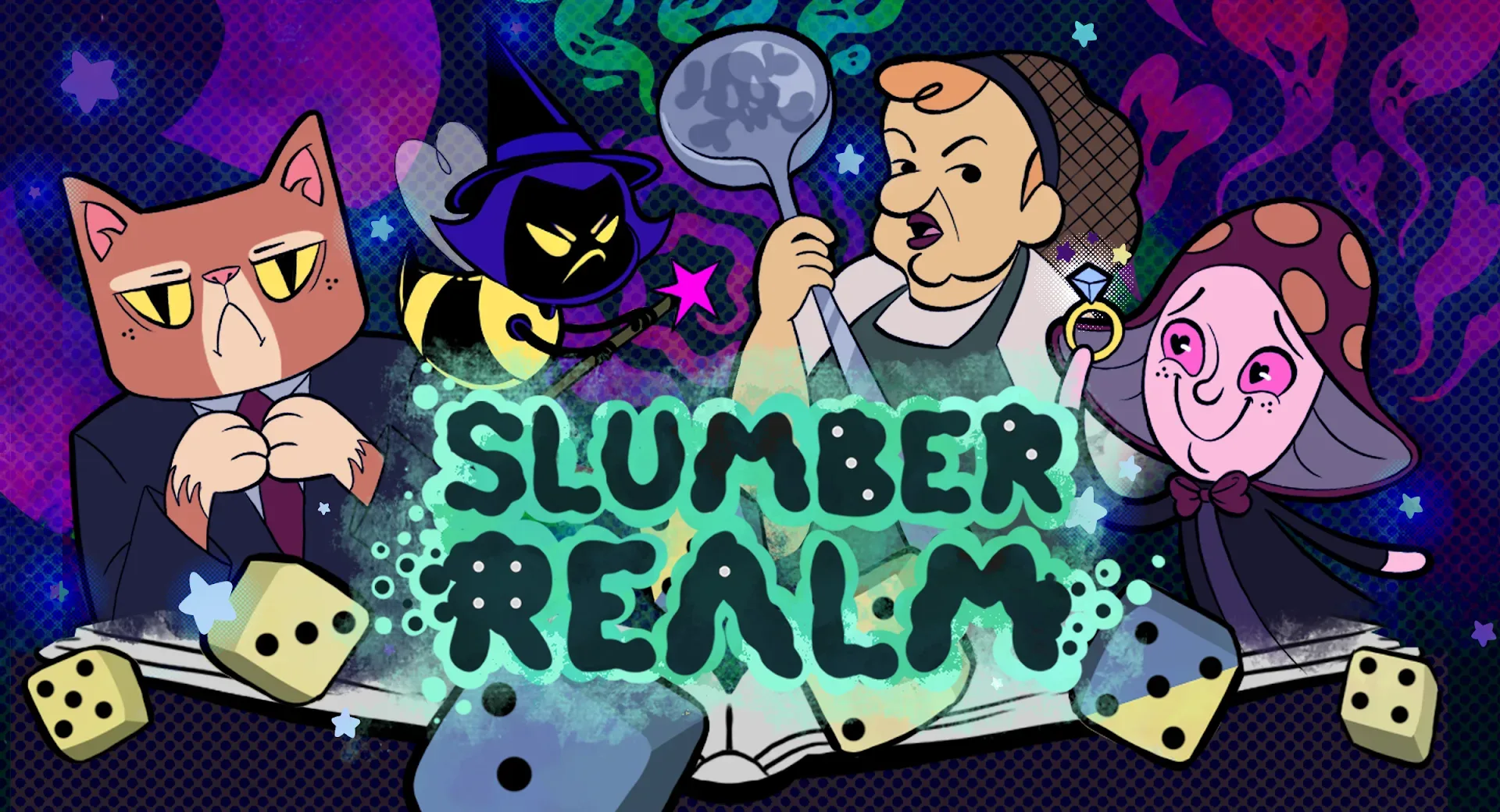
Players interested in other recent takes on chance-led roguelike structures can also read about Slumber Realm’s single-die roguelike format. Die or Die takes a different announced approach, using earned dice not simply to determine an outcome, but as a finite pool divided between offensive tools, abilities and environmental relief.
What is confirmed, and what remains open
The confirmed outline is substantial enough to establish the game’s core identity. Ao Norte is developing a top-down roguelike shooter with five worlds, fast combat, hand-drawn enemies, dice-powered abilities and weapons, and bummers that include giant enemies, lava floors and meteor showers. Lil’ Demon is the protagonist, and the campaign is framed as a journey to the coast. Acclaim is publishing, and the planned release window is 2027 for Steam and consoles.
There are still major unanswered questions. No specific console platforms have been named. The announcement does not set out a release date within 2027, confirm a price, or describe the full weapon pool, abilities, progression systems or how the five worlds differ. It also does not establish whether every bummer can always be removed, what a successful run ultimately requires, or how much persistence exists between attempts.
Those omissions are normal at this stage, but they matter for a game whose appeal relies on balance. If bummers are too easy to erase, the tension around dice could fade. If they are too costly to deal with, spending may feel less like strategy and more like a penalty. The eventual game will need its rolls, rewards and hazards to keep producing meaningful tradeoffs without making players feel that a bad result was unavoidable.
At present, Die or Die stands out for turning a familiar roguelike resource into a three-way decision: strengthen the character, acquire equipment or make the level itself less hostile. The trailer’s cartoon grime and frantic shooting give that premise a loud visual wrapper, but the decisive question will be simpler: when lava is spreading, meteors are falling and a better weapon is within reach, which use of the last die feels hardest to give up?