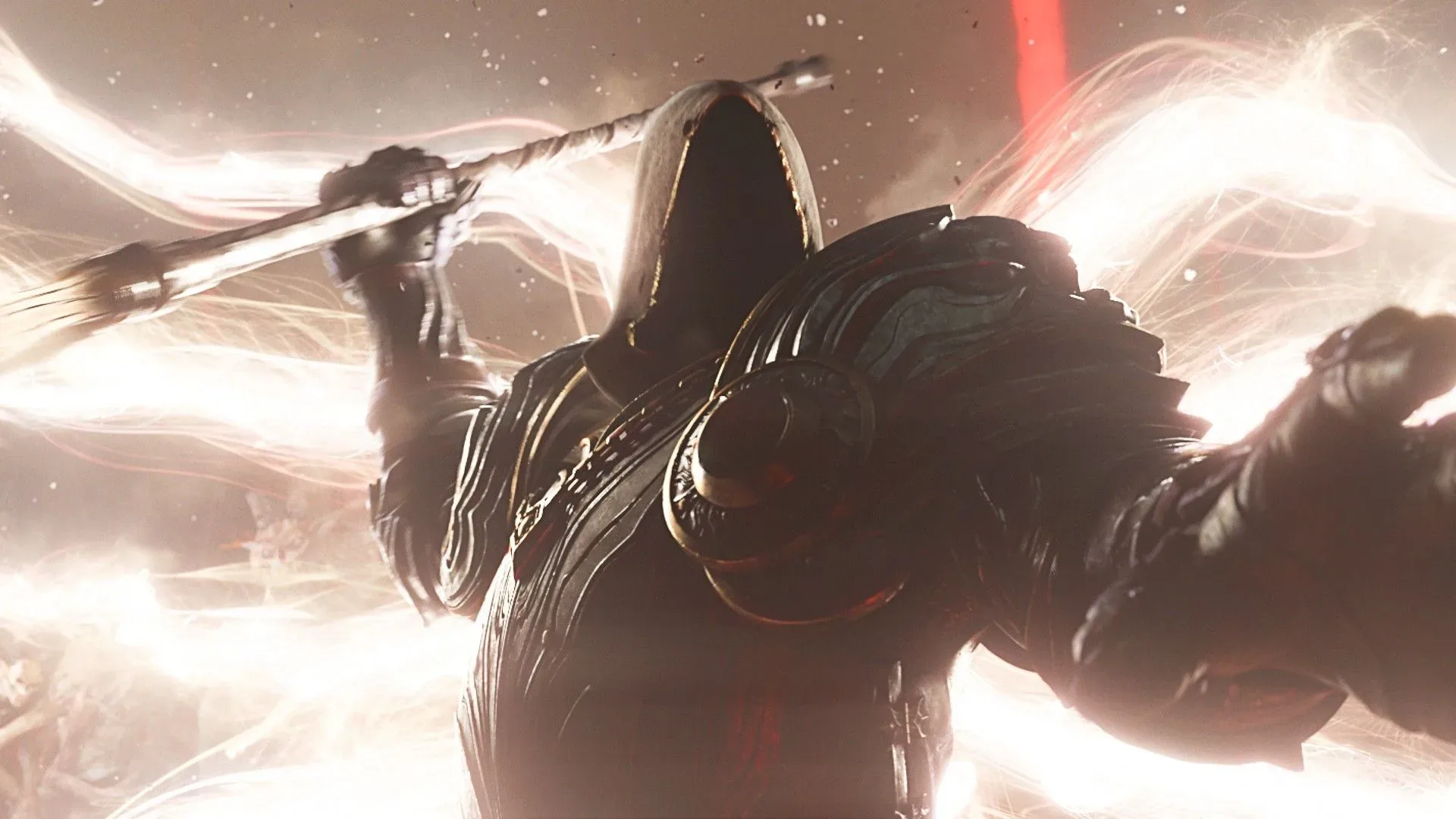
Diablo 4 is carrying a substantial part of its nostalgia-focused Season of Hell’s Legacy into the future. When Season 16, Season of Tyrael’s Gambit, begins on December 1, a collection of locations, activities, bosses and rewards introduced for the prior season will become permanent in both Eternal and Seasonal realms.
That matters because seasonal action RPG content is usually designed to be temporary: it changes the chase for a limited period, then makes way for the next mechanical hook. Here, the seasonal theme may be moving on, but many of Hell’s Legacy’s most recognizable pieces are not. Diablo 4 is effectively turning a one-season celebration of the series’ earlier games into part of its regular endgame and exploration structure.
The retained material spans several different types of content. There are places to revisit, including a reimagined Old Tristram; optional lore activities such as Deckard Cain’s books and side quests; returning novelty encounters such as Cow Island; powerful bosses; familiar item references; and high-difficulty dungeon content tied to Prime Evil powers. Players should not read this as the whole Season of Hell’s Legacy becoming evergreen, but it is a notably broad selection of its headline content.
Old Tristram remains a destination, not a seasonal memory
Old Tristram is among the most significant permanent additions. The location can still be reached through the portal in the Imperial Library after Season 16 launches, and its side quests and Deckard Cain’s books will remain available as well.
For a series with a long relationship to recurring places and characters, that decision gives the homage more utility than a brief anniversary detour. It means the recreated setting does not disappear when a character’s seasonal journey ends. Players who missed the original seasonal window, or who simply want to revisit the area later, will have a permanent route back through the Imperial Library.
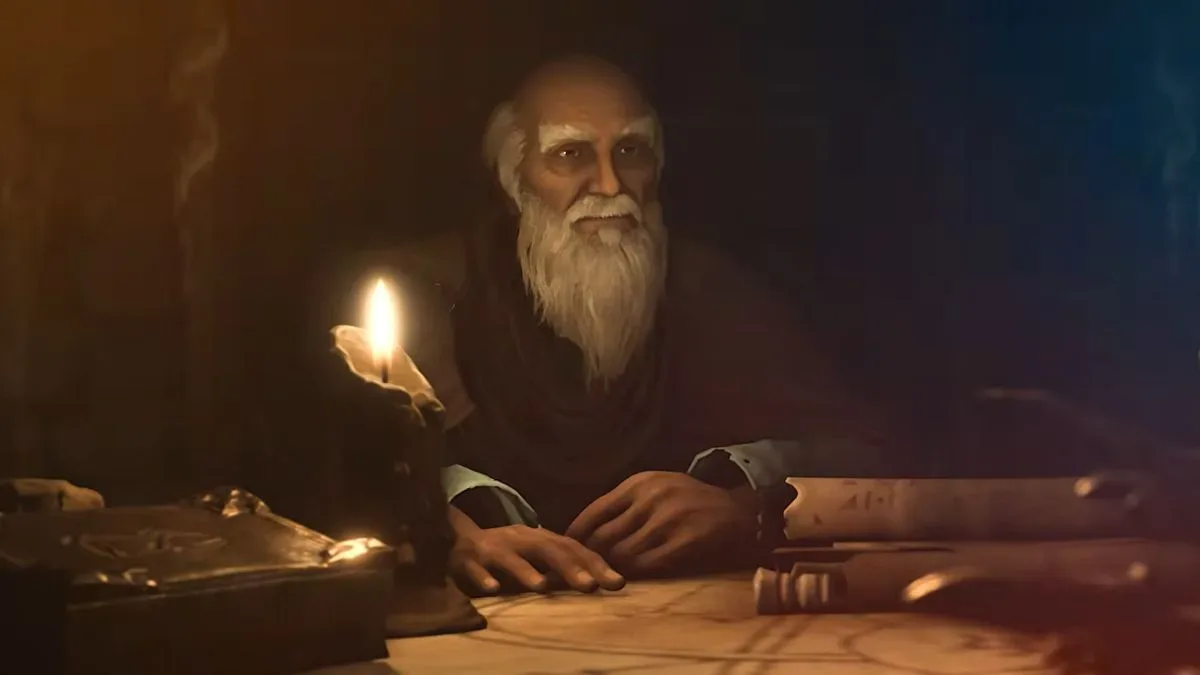
Deckard Cain’s books are particularly important to the shape of this preservation effort. They make the space more than a visual callback: they retain a lore-facing component alongside the quests and setting. The practical implication is straightforward—players who want to read through those entries do not need to treat Season 15 as a hard deadline.
This is also a useful distinction between a reference and an activity. A cosmetic nod to an old game can be seen once and forgotten. A retained location with quests, readable material and a defined access point remains part of Diablo 4’s playable world.
Cow Island, Moophisto and the deliberately silly side of Diablo
Cow Island is also staying accessible, along with the Moophisto world boss summon. The island is a callback to one of the franchise’s best-known Easter eggs, and its survival as permanent content suggests that Hell’s Legacy is preserving playful fan service alongside darker story and endgame material.
Related coverage includes Diablo 4 Makes Hell’s Legacy Features Permanent in Season 16.
That balance is worth noting. Diablo’s atmosphere is generally bleak, but its history also includes intentionally odd, secretive or humorous diversions. Keeping Cow Island available gives the game an enduring space for that tradition rather than treating it as a throwaway novelty attached to an anniversary season.
The Moophisto summon provides an encounter-related reason for the location to remain relevant. It is not merely a museum piece that players can visit for a screenshot. As with much of the permanent Hell’s Legacy material, the goal appears to be to retain an activity loop, not just its scenery.
Uber Diablo and legacy rewards remain in the loot hunt
Season 16 will also retain the Uber Diablo world boss summon and the Annihilus Seal it drops. The permanent lineup further includes Legacy Uniques drawn from older Diablo games and the Hellfire Torch Charm, an item reference tied to Diablo 2.
In loot-driven ARPGs, an item’s permanence can be as important as the boss or event attached to it. A memorable encounter that vanishes after a season can become a story players tell; a permanent boss and reward can become part of the long-term set of goals for future characters. Keeping Uber Diablo and the Annihilus Seal in the game allows that encounter to continue serving the ordinary progression-and-reward cycle rather than becoming inaccessible legacy content.
The Legacy Uniques and Hellfire Torch Charm serve a related purpose. “Unique” is Diablo terminology for a distinct named item category, often associated with a specific effect or identity rather than a generic gear slot. The provided details do not specify their exact powers, drop sources or balance role, so players should avoid assuming those particulars. What is confirmed is that these legacy-themed items are not being retired with Season 15.
That continuity is especially meaningful in a game built around repeated character progression. New seasonal characters, as well as characters on the Eternal realm, will continue to have access to content and rewards inspired by earlier Diablo eras.
The Prime Evil Council becomes a permanent Lair Boss encounter
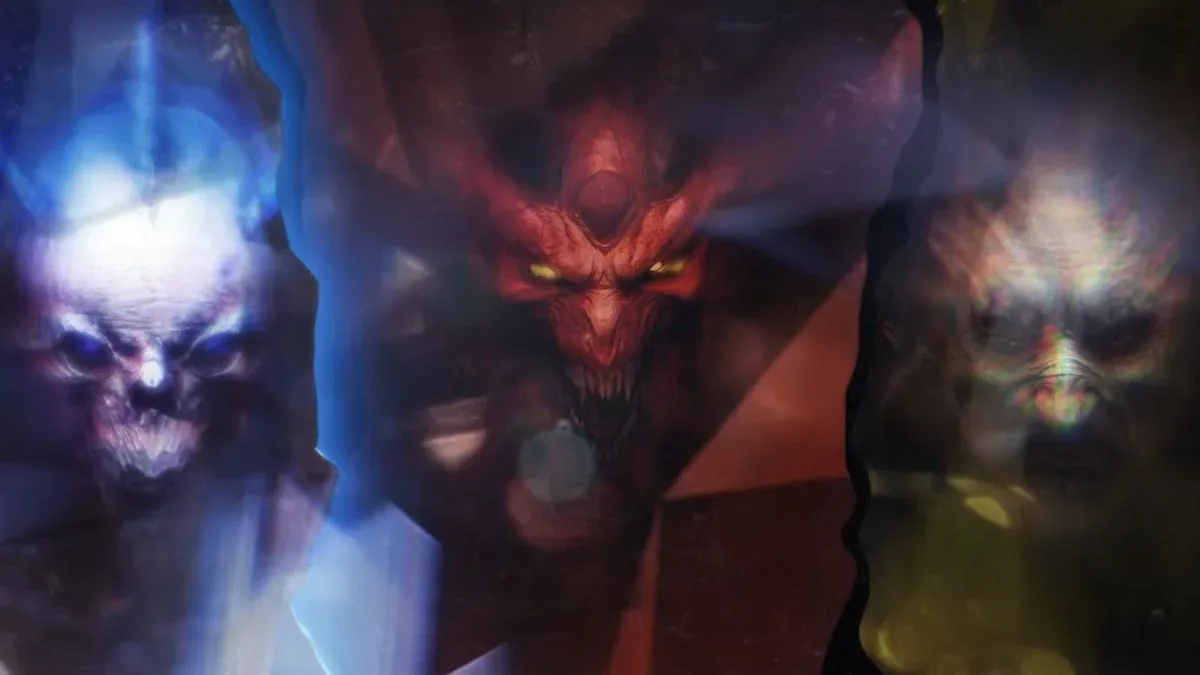
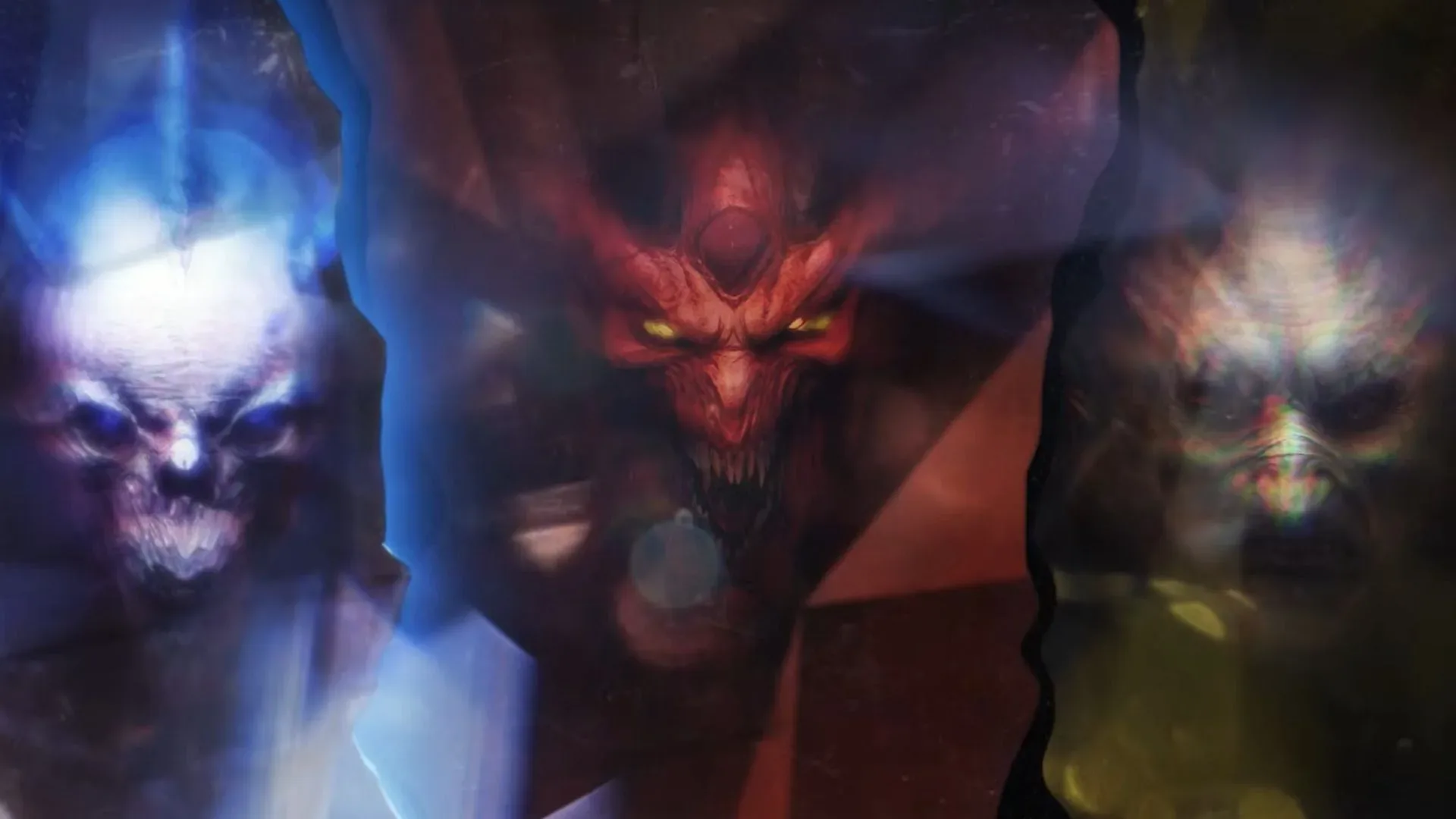
The marquee combat addition making the transition is the Prime Evil Council fight, which pits players against Diablo, Mephisto and Baal at the same time. It will operate in the style of a Lair Boss encounter for summoning and reward collection.
A Lair Boss is a repeatable high-value boss activity. In this case, the important wrinkle is access: no materials will be required to enter the Council battle. That removes one common gate on repeat attempts and makes the fight easier to approach as a regular destination.
Rewards still include an individual participation requirement. Every player who wants to open the Council’s Hoard chest must have their own Wirt’s Lucky Coin. In a group, one player’s coin does not cover everyone else’s chest access.
That detail has clear practical consequences for parties. Before entering, players should make sure each member who expects rewards has a Wirt’s Lucky Coin. The encounter may not need summoning materials, but the post-fight reward step remains personal. Coordinated groups will want to account for that rather than assuming a single item holder unlocks the hoard for the entire team.
The three-boss format also distinguishes the Council from a simple legacy cameo. Bringing Diablo, Mephisto and Baal together transforms three central figures into one dedicated repeatable battle. The available information does not outline mechanics, difficulty scaling or specific rewards beyond the Council’s Hoard arrangement, so expectations should stay limited to the confirmed structure.
Capstones, Prime Evil Splinters and Torment 10+
Hell’s Legacy Capstone Dungeons will remain available at Torment 10 and higher. Their spawns will be tuned to equivalents in Torment 13, making them an endgame-oriented activity rather than a general leveling stop.
The key reward is Prime Evil Splinters. These are the resource used to obtain Prime Evil powers, and the retained Capstone Dungeons are described as the best source for earning them.
For players mapping an efficient endgame routine, that establishes a direct chain: reach Torment 10 or above, run the permanent Capstone Dungeons, earn Prime Evil Splinters, then use those Splinters toward Prime Evil powers. “Spawns” here refers to the enemies or encounter populations that appear within the dungeon. Tuning them to a Torment 13 equivalent signals a tougher activity even at the point it first becomes available.
It is important not to overstate what this confirms. The details establish the activity’s threshold, tuning reference and resource role, but do not provide drop rates, full power lists or the precise requirements for obtaining a particular Prime Evil power. Still, the long-term availability of the Splinter farm means these powers are being supported beyond the season that introduced them.
Waking Nightmares stay, but their access changes
Waking Nightmares dungeons are also being retained. These are normal-sized dungeons inspired by notable moments from earlier Diablo games, so they function as playable tributes rather than simply recycled environments.
They will not remain as overworld activities, however. After the transition, players will enter them through Chronicle of Nightmares dungeon keys. That makes access more deliberate and key-based, rather than something encountered while moving through the open world.
The difference is meaningful for planning sessions. Players interested in Waking Nightmares should look to Chronicle of Nightmares keys instead of expecting these dungeons to appear on the overworld map. The content remains, but its route into the game changes.
The Pit will also receive its own legacy infusion, with the chance to fight monster families from earlier Diablo games. “Monster families” indicates groups or types of enemies associated with those past entries, though the available information does not identify which families are included or how frequently they will appear.
What Season 16 changes—and what it does not
Season 16 itself centers on the evolving threat of the Úllo Sar death cult. That new seasonal focus runs alongside, rather than replaces, the preserved Hell’s Legacy material. Players can engage with the new theme while still traveling to Old Tristram, pursuing the Prime Evil Council, using the enduring dungeon activities and seeking legacy-inspired rewards.
The broader design takeaway is that Diablo 4 is adding a permanent layer of franchise history to its ongoing seasonal model. The decision does not mean every temporary experiment is now guaranteed a future after its season ends. In fact, the announcement explicitly limits the carryover: the entire season is not coming forward. But it demonstrates that a seasonal idea with strong player demand can be promoted into the game’s standing content pool.
For returning players, the most useful checklist is simple:
- Use the Imperial Library portal to revisit Old Tristram, its side quests and Deckard Cain’s books.
- Return to Cow Island and the Moophisto world boss summon.
- Seek out Uber Diablo and the Annihilus Seal reward.
- Remember that Legacy Uniques and the Hellfire Torch Charm continue beyond Season 15.
- Bring a personal Wirt’s Lucky Coin when fighting the Prime Evil Council if you want access to the Council’s Hoard chest.
- At Torment 10+, use Hell’s Legacy Capstone Dungeons as a primary route to Prime Evil Splinters.
- Use Chronicle of Nightmares dungeon keys for Waking Nightmares rather than searching the overworld.
- Watch for returning monster families in the Pit.
The underlying message is unusually player-friendly for seasonal content: the anniversary may have provided the spark, but the most durable pieces are being allowed to become part of Diablo 4’s future. For more on the way gaming communities preserve and reinterpret older game culture, see our coverage of the Atari homebrew awards and the challenge of fair judging rules.