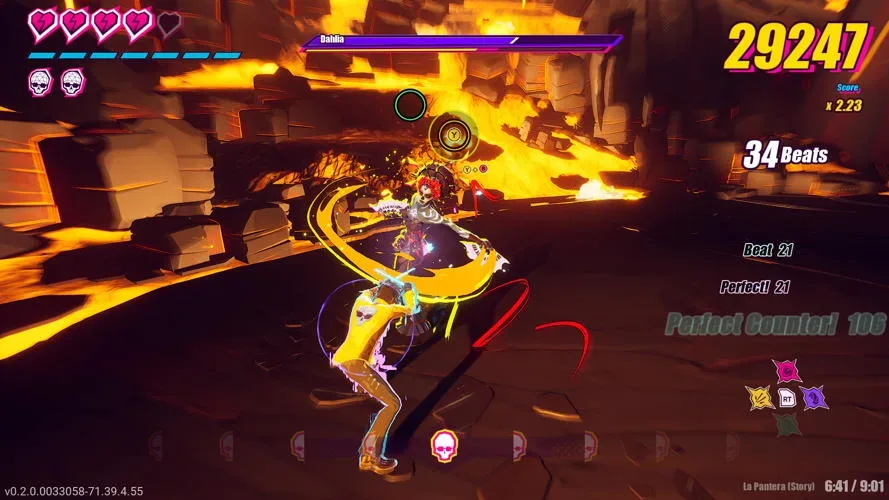
Dead As Disco has received its largest Early Access update to date, putting a new Idol boss named Dahlia at the center of a substantial set of story, combat and replay-mode additions. The patch brings a complete story level, five songs, two arenas, eight Challenges, a new enemy, new abilities, cosmetics and dance moves, while also widening the roster and options in existing modes.
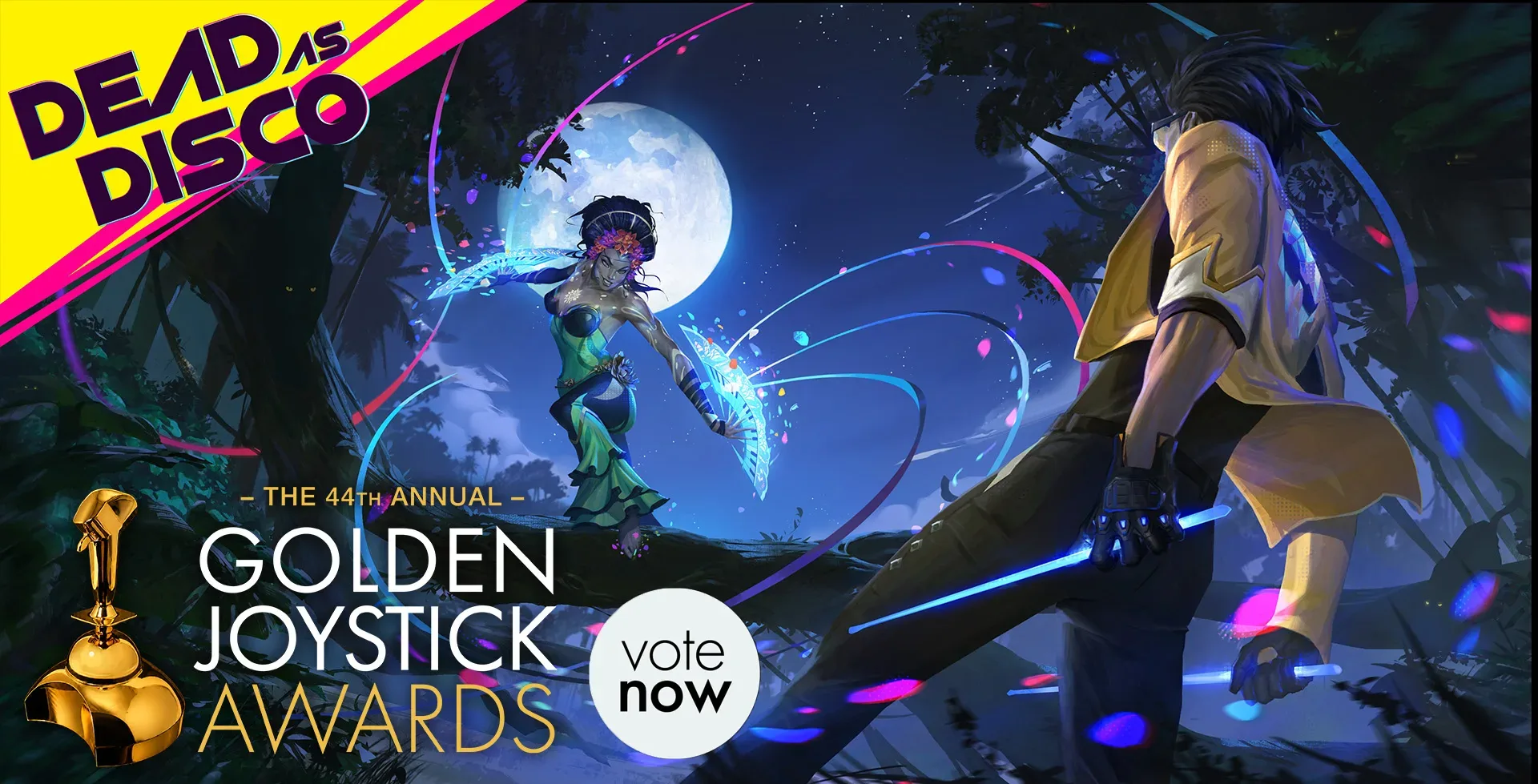
For a game whose combat and presentation are explicitly tied to music, the Dahlia update is more than a new opponent placed at the end of a level. It adds a themed encounter, rhythm-linked damage pressure, a post-boss character progression reward, and tracks intended to give the new content its own musical identity. It arrives as the Early Access game has passed half a million players, earned a Best Early Access Game nomination at the Golden Joystick Awards 2026, and holds a 97% “Overwhelmingly Positive” Steam user rating from more than 14,000 reviews.
Dahlia takes over The Nightshade
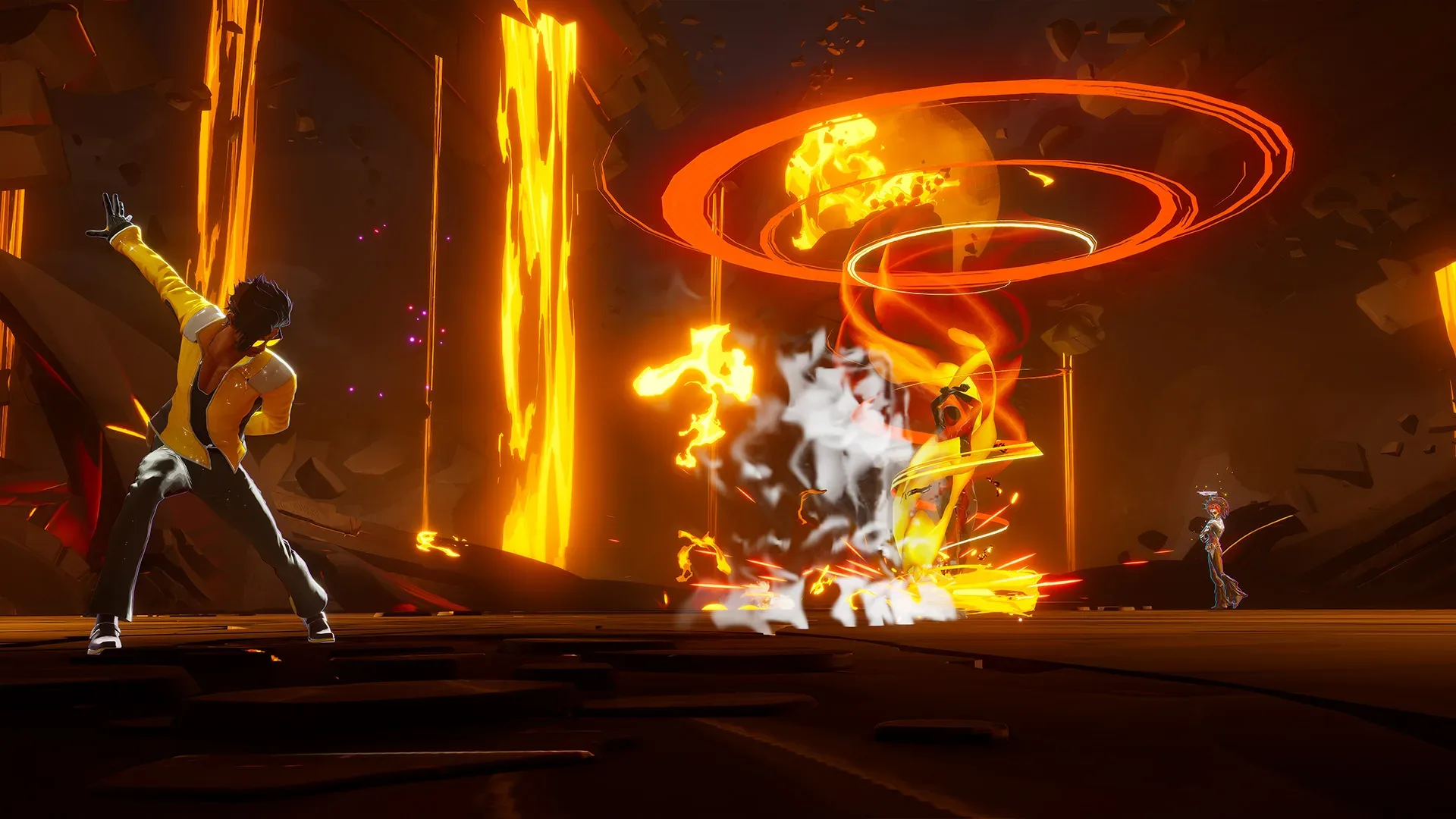
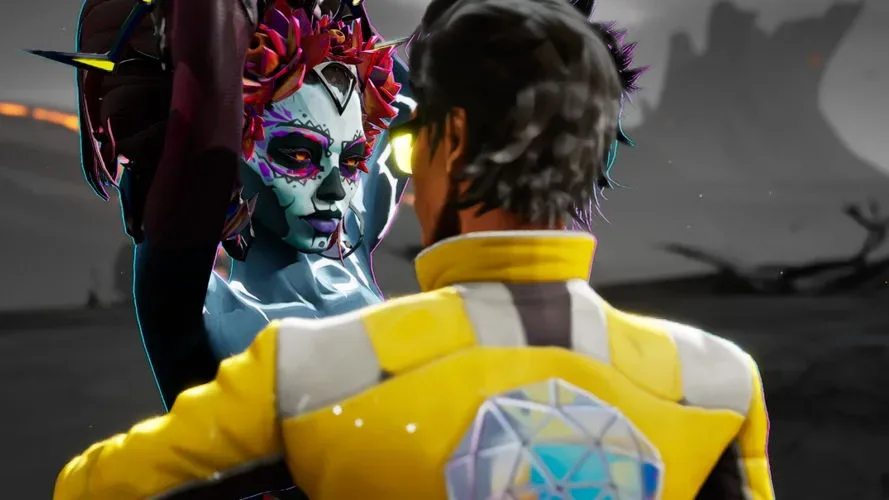
The new story level is set at The Nightshade, a venue designed as both nightclub and botanical garden. Dahlia’s boss encounter unfolds in multiple stages. Its opening presentation leans into flourishing greenery before the setting shifts dramatically: magma and embers erupt as she assumes her Death Form, turning the space into an ash-filled environment.
That escalating visual structure matters because it signals that Dahlia is not simply a single-pattern opponent with a larger health bar. A multi-stage boss fight generally means players should expect the encounter’s conditions or attacks to change over time. The supplied update details do not lay out Dahlia’s full move list, phase transitions, health thresholds, or ideal strategies, so it would be premature to treat the fight as solved. What is clear is that the battle has been designed as a spectacle with a pronounced transformation rather than a static showdown.
Players who want a broader look at what else is arriving across PC games on September 30 can also see our games releasing today roundup.
A new fire-themed enemy changes the combat vocabulary
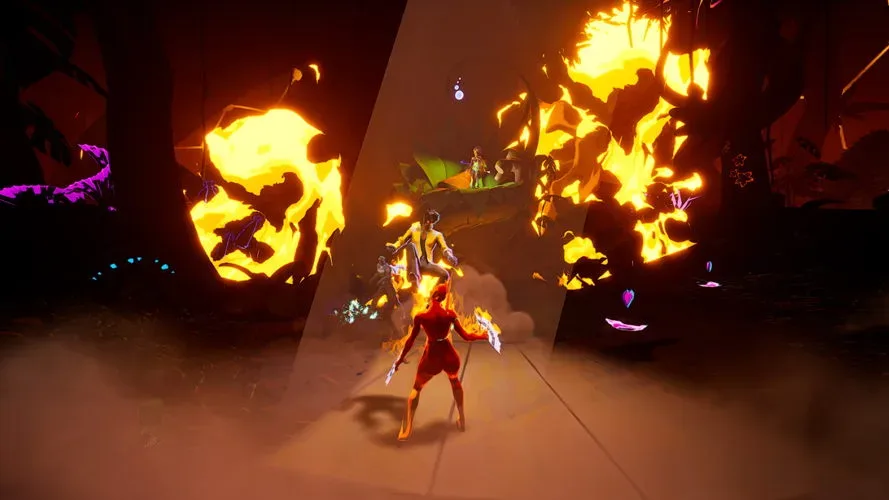
The update’s new standard enemy is the Flamecho. It attacks from range by raining fire down, then closes in with an unblockable move followed by a counterable attack. Those labels communicate a useful distinction in combat terms:
- Unblockable means a defensive block cannot simply negate that specific incoming strike, requiring a different response.
- Counterable identifies an attack that can be answered with a counter, rewarding timing rather than passive defense.
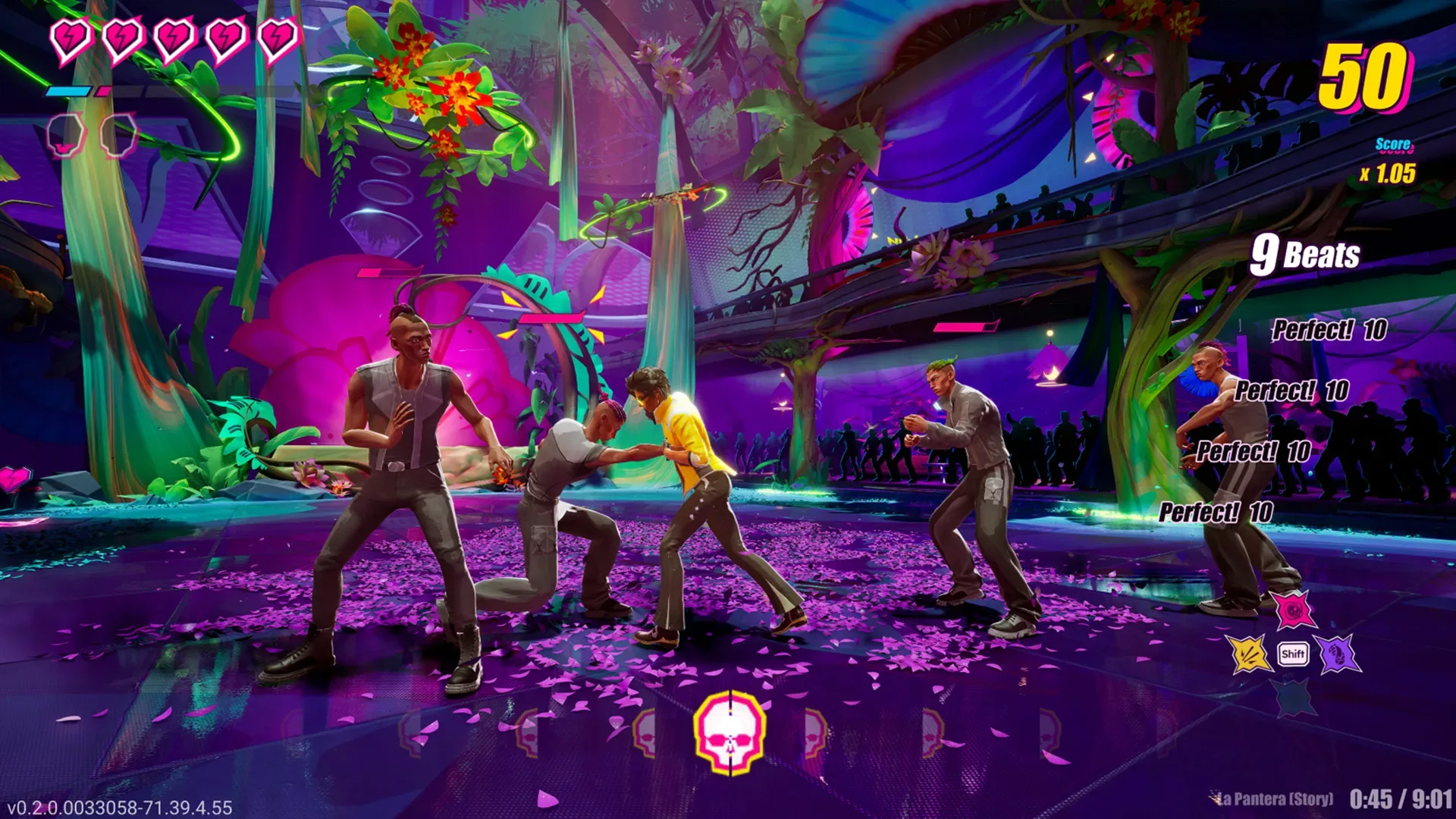
- Burn is a new status effect that inflicts damage on the beat, meaning its damage cadence is governed by the music’s rhythm instead of occurring as an unspecified continuous tick.
The Flamecho’s sequence—area pressure first, then an unblockable rush, then a counter opportunity—suggests a deliberately readable series of decisions. Players may have to account for the fire being dropped into the arena, react to the rush with something other than blocking, and then recognize the counter window on the follow-up. That is analysis of the described behavior, not a substitute for a tested tactic; the announcement does not specify dodging distances, timing windows, damage values or whether every part of the sequence appears under all circumstances.
Burn is particularly fitting for a rhythm combat framework. “Damage on the beat” describes damage that arrives in sync with the track’s pulse. In practical terms, the effect could make rhythm awareness relevant even after a player has been hit: knowing when the next beat is arriving may help a player better understand incoming pressure. The update does not state whether Burn can be cleansed, stacked, extended, mitigated, or avoided after it has been applied.
Related coverage includes Dead As Disco’s Dahlia Update Adds a New Idol Boss, Songs and Arenas.
Beating Dahlia unlocks Phantom Dance
Dahlia is tied directly to Charlie Disco’s progression. Defeating her unlocks her Skill Tree for the protagonist, including Phantom Dance. This is an empowered dodge that leaves behind a damaging Pyroette, which Charlie can then detonate with a follow-up attack.
In simple terms, Phantom Dance turns evasion into an offensive setup. A normal dodge is primarily about avoiding danger and repositioning. This version also leaves an object behind that can hurt enemies, then permits a follow-up detonation. The ability therefore appears to create a short chain: evade, place the Pyroette, then attack to trigger it.
That can potentially make spacing and enemy positioning more important. Dodging through or away from an enemy may now have value beyond survival if it places the Pyroette where an opponent can be caught by its damage. However, the available details do not confirm the Pyroette’s duration, blast radius, damage, cooldown, whether it can affect multiple enemies, or whether the player has to land a particular kind of follow-up attack. Those details will determine how central Phantom Dance becomes in high-pressure encounters and arena play.
Five additional songs, led by La Pantera
The patch adds five tracks:
- La Pantera (Radio Edit)
- La Pantera (Boss Remix)
- Sugar and Spice
- Suavemente
- Kumbala
La Pantera is Dahlia’s signature song and is described as bringing Spanish piano and a Latin-inspired sound to the soundtrack. Including both a Radio Edit and Boss Remix gives the update two versions of the same musical centerpiece, with the latter naturally connected to Dahlia’s encounter. The update announcement does not provide song lengths, BPM figures, artist credits, licensing information, or a breakdown of which modes use each track.
The five-song addition is also relevant to the game’s broader custom-music systems. Earlier Early Access improvements added Auto BPM detection for Infinite Disco. BPM stands for beats per minute, a standard measurement of musical tempo. Auto-detection means the game can identify the tempo of custom music automatically, reducing the amount of manual setup required to align gameplay with a player’s selections. The announcement frames this as making custom-music playback easier, though it does not claim perfect detection in every song or provide technical limits for the feature.
Two arenas and more Infinite Disco options
The Nightshade and Obsidian Overture join the arena selection. The patch also makes Dahlia, Flamecho and Smoking Stan available as enemy options in Infinite Disco, alongside new arena-swap triggers and other improvements for that mode.
Infinite Disco has already been a notable focus of the game’s Early Access work. Beyond Auto BPM detection, previous updates expanded its arenas and tools. The latest additions continue that approach by giving players a new environment pair and new enemy choices, rather than reserving all Dahlia-related material solely for the story content.
For players interested in structured repeatable objectives, the update includes eight new Challenges. Earlier work on Custom Challenges added leaderboards and modifiers. A modifier is a rule or condition that alters the baseline experience, while a leaderboard tracks comparative results. The supplied information does not specify the requirements, modifiers or rewards for the eight new Challenges, so prospective players should not assume they are all combat-only tasks or that they share a single unlock condition.
Cosmetics, moves and Encore additions
Dahlia’s arrival also brings cosmetics and memorabilia for Charlie. These are paired with new dance moves, including Salsa Fan, Honest Hips and Bad Boy Boogie. The announcement identifies them as additions but does not establish whether each is awarded by story completion, Challenges, another mode, or an in-game progression path.
The Encore receives new Dahlia quests and dialogue, extending the new character beyond her boss appearance. This is a meaningful piece of connective content: it gives Dahlia-related material a place in another existing mode rather than making the story level the only destination for the update’s theme.
The update also sits alongside several previously introduced quality-of-life and accessibility-oriented changes. Achievements are live on Steam and the Epic Games Store, and past play history counts toward unlocks. That last point is especially useful for returning players because it indicates prior progress can contribute rather than requiring everyone to start achievement tracking from zero. Intense Mode is available on every Story level, while controller button remapping, combat adjustments and UI improvements have been added during Early Access.
What the Dahlia patch means for Early Access players
The key practical takeaway is range. Dahlia brings a new boss and story setting for players who want authored progression, but the update also supplies more material for those spending time in Infinite Disco, Challenges and The Encore. Its fire-focused combat additions—Flamecho, Burn and Phantom Dance—give the patch a consistent mechanical identity rather than presenting a disconnected bundle of songs and cosmetics.
Newcomers have additional reasons to see how Dead As Disco’s systems connect: music affects both atmosphere and combat timing, while custom-song support and Auto BPM detection support continued play outside the fixed soundtrack. Returning players, meanwhile, have a boss to defeat, a Skill Tree to unlock, a pair of arenas, new enemy selections and further objectives to explore.
There are still important unknowns. The available details do not say when the game will leave Early Access, list the full balance changes, describe every Dahlia ability, or establish exact unlock requirements for each cosmetic and dance move. But on the information available, this is a broad update whose headline encounter is backed by meaningful additions across the game’s other modes—not merely a fresh face waiting behind the curtain.