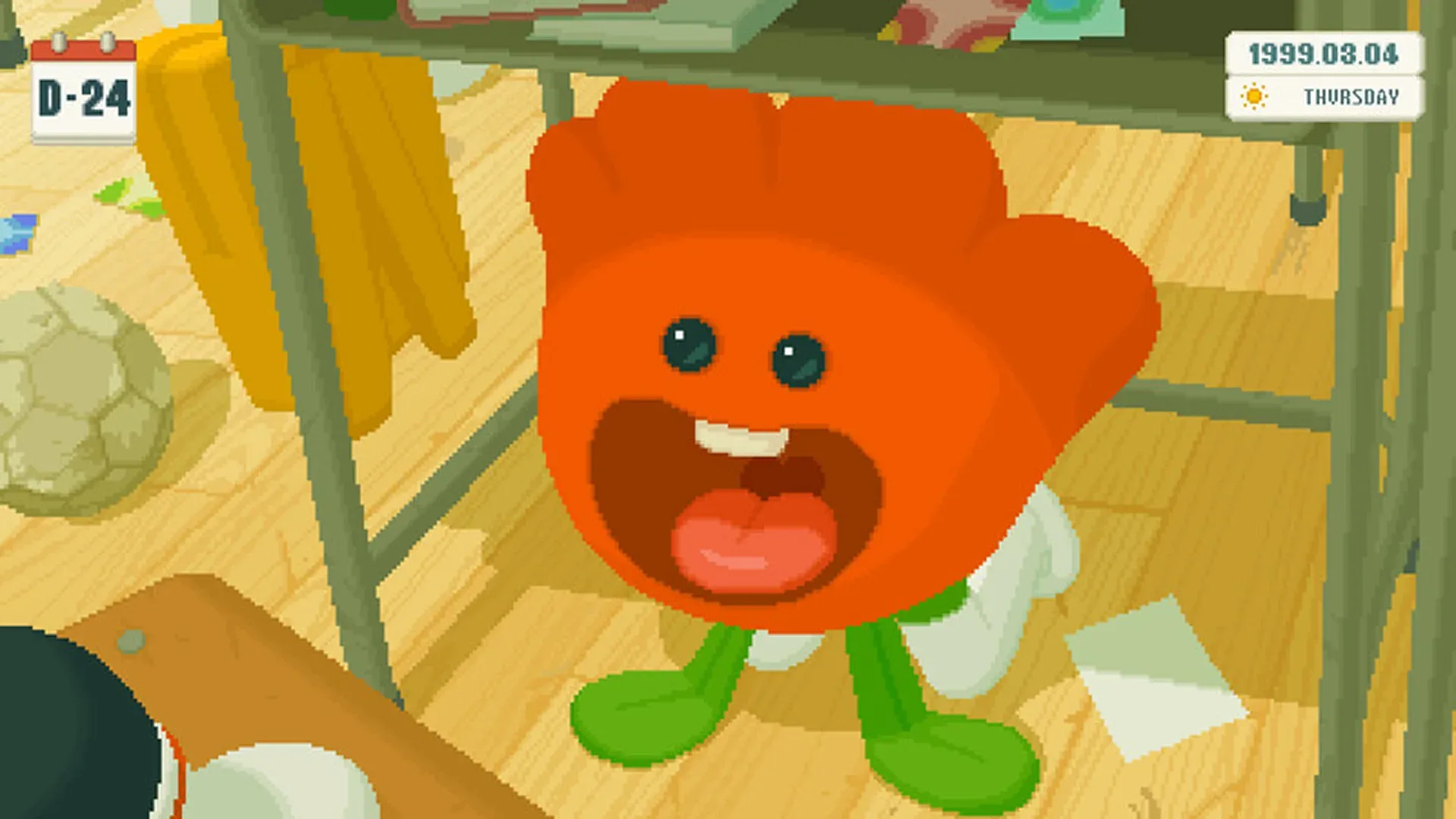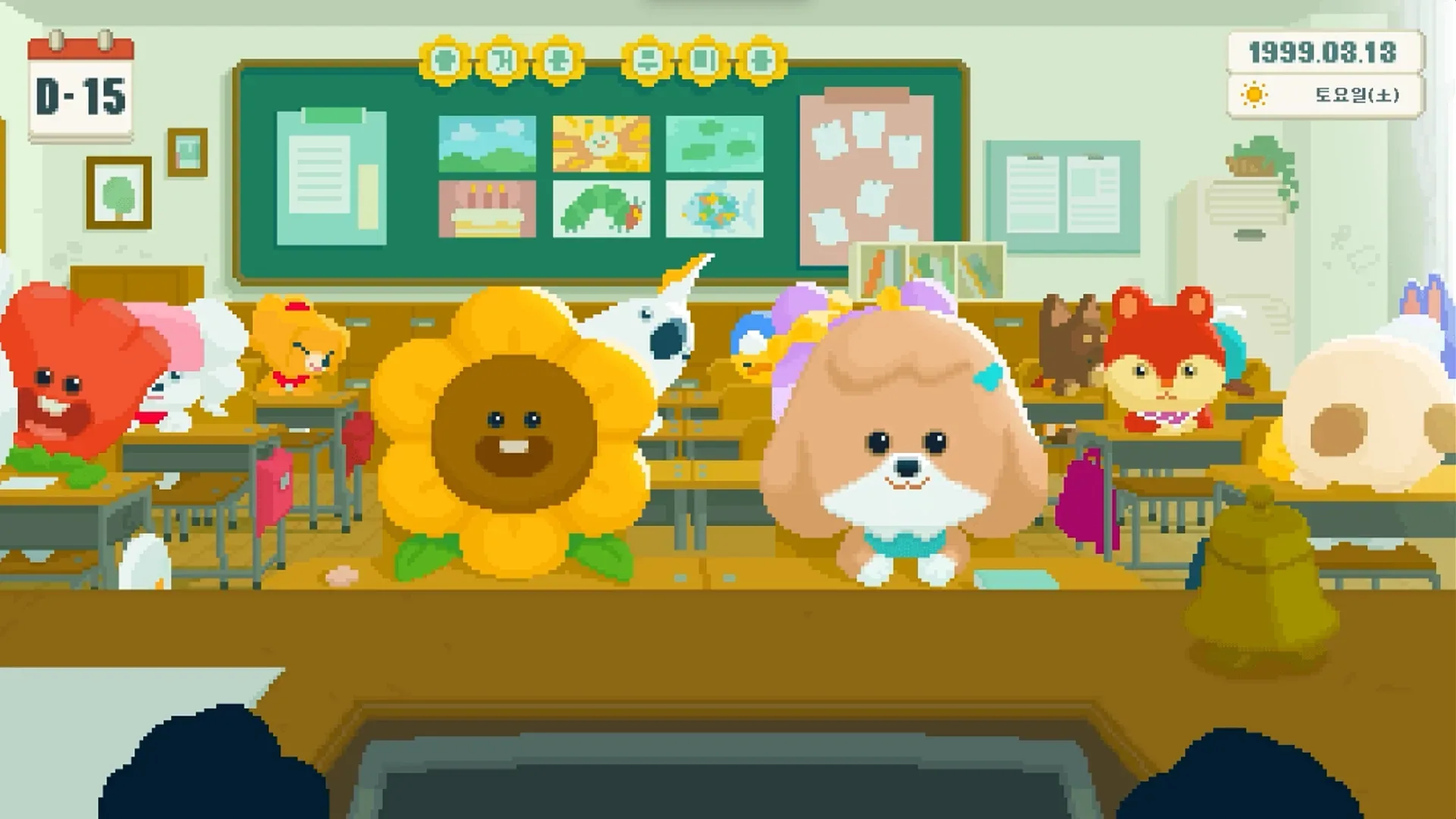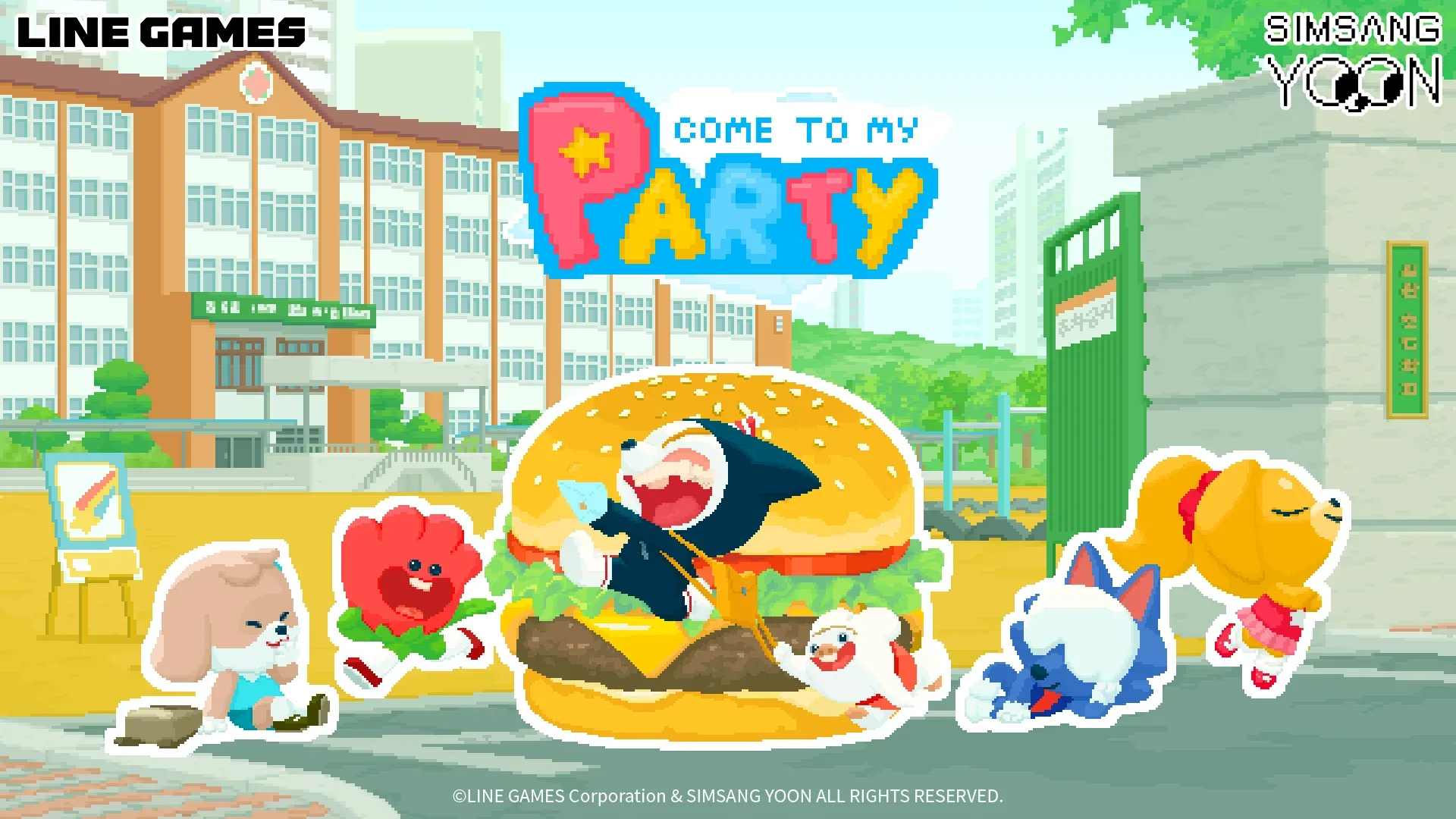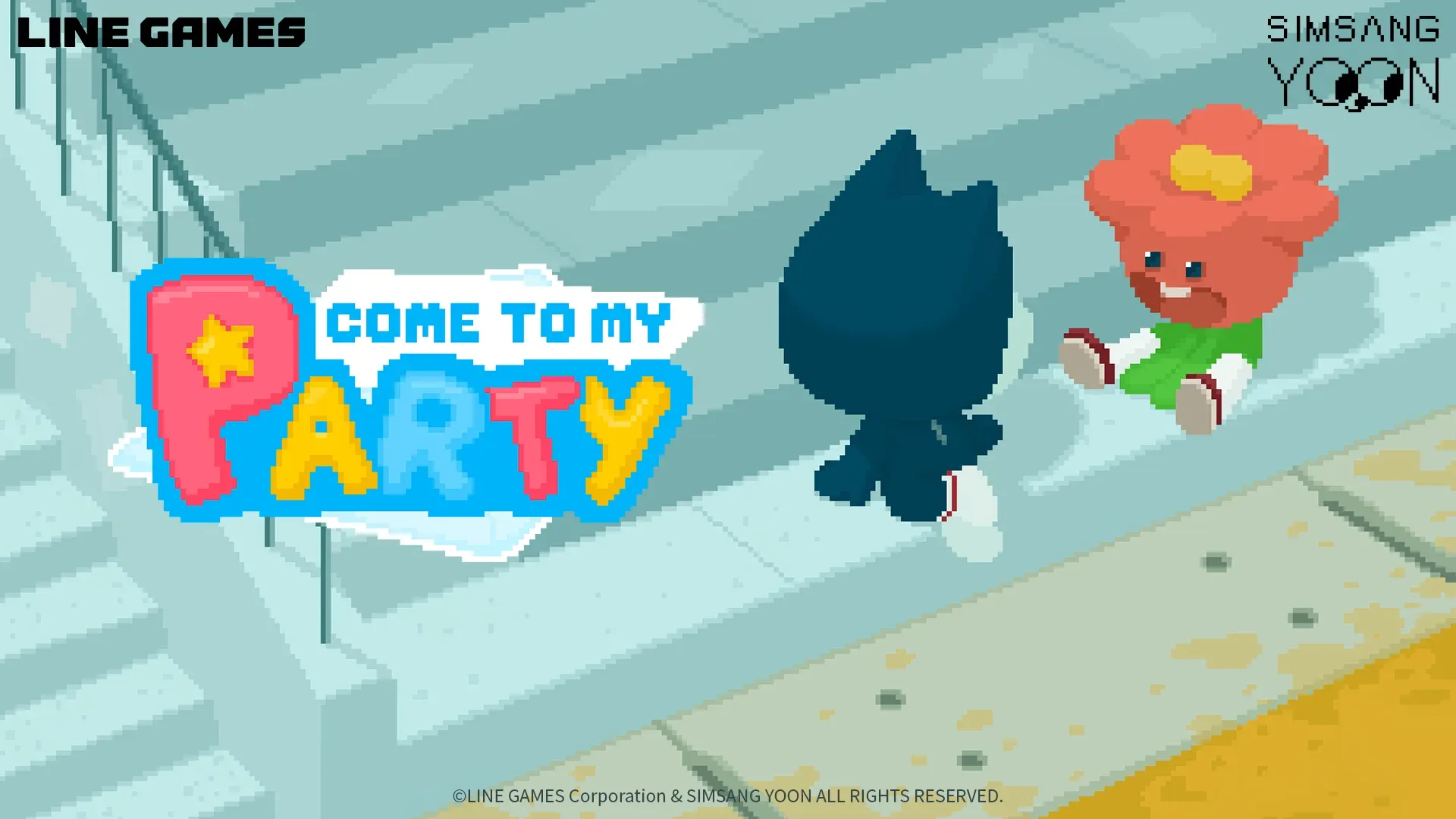
Come to my party!, a decision-based visual novel from solo developer SIMSANG YOON, has surpassed 10,000 wishlists on Steam after participating in October’s Steam Next Fest. Its Demo 2.0 also received a 97.6% positive rating from players, while registering more than 100,000 total impressions during the event.
The results put a substantial spotlight on a game built around an intimate premise rather than spectacle: 10-year-old Jimin is trying to have her first birthday party. That goal is complicated by an ultimatum from her mother, pressures at home, and the delicate social calculations involved with classmates. The player’s decisions guide her through those challenges, with outcomes that can range from fulfillment to heartbreak.
A strong demo response for a choice-led story
Steam Next Fest is a demo-focused event, making the reaction to Demo 2.0 particularly relevant. A wishlist is not a purchase or a guarantee of one, but it is a direct sign that a Steam user wants to keep a game on their radar. Passing 10,000 wishlists after the event suggests that the demo connected with a sizeable number of people who encountered it.
The 97.6% positive figure is similarly meaningful as an early reception metric. It reflects feedback from people who played the demo, not a broad critical score and not a measurement of the eventual full game. Still, for a narrative game whose central appeal rests on tone, characters, and player decisions, a favorable demo response indicates that its initial slice communicated its intentions effectively to many participants.
More than 100,000 impressions also helps explain the sharp rise in attention. An impression measures visibility: the game was shown to users through Steam’s event discovery systems and related surfaces. It does not mean every user opened the page, downloaded the demo, or added the game to a wishlist. Even so, visibility is the first hurdle for a small independent project, particularly one from a solo developer.
The distinction between those terms matters:
- Impressions indicate how often the game was presented to potential players.
- Wishlists indicate that users actively chose to follow the game on Steam.
- Demo ratings reflect the opinions of players who tried the available build.
Taken together, the figures show a useful progression: the event gave Come to my party! broad exposure, that exposure helped drive wishlists above its usual daily pace, and players who tried Demo 2.0 responded positively. They should not be read as a release forecast, but they do show genuine early momentum.
Jimin’s party is the story’s central decision point
Come to my party! frames its branching narrative around Jimin’s effort to secure a birthday party of her own. The game follows her interactions with classmates and family as she attempts to navigate the situation created by her mother’s ultimatum. The setup turns an ordinary childhood wish into a sequence of social and emotional choices.
Related coverage includes Come to my party! Passes 10,000 Steam Wishlists After Next Fest Demo.
That premise is important because the game’s decisions are not described as detached moral-meter selections or as route choices aimed solely at collecting endings. They are connected to relationships, family pressure, and a child’s desire to be included and celebrated. The stakes may be personal rather than world-saving, but that can make each choice feel immediate: an invitation, a conversation, or an attempt to manage expectations can carry consequences when belonging is the central concern.
The game has a dozen endings. In a decision-based visual novel, that means choices can alter the narrative’s destination rather than merely change a line or two of dialogue. The supplied details do not identify every route or the exact conditions for reaching each ending, so players should not assume that there is a single obvious “best” path. What is clear is that the story has room for different emotional resolutions, including both happy and painful outcomes.
For prospective players, that structure offers two distinct appeals. One is the chance to play through Jimin’s story and accept the result shaped by a personal set of decisions. The other is replayability: players who reach one conclusion may want to return and see how different choices affect relationships and the final outcome. The demo’s favorable reception suggests that the game’s opening was able to make that choice-driven setup legible and engaging.
A late-1990s South Korean childhood setting
The game emphasizes late-1990s South Korea and everyday childhood moments. That setting is more than a decorative period label in a story centered on schoolmates, parents, and a birthday party. It establishes the social environment in which Jimin’s choices occur: the routines of childhood, the expectations of family, and the importance of peer relationships are the material of the narrative.
Specificity is often valuable in a visual novel because it gives dialogue, art, and decisions a shared sense of place. Here, the late-1990s South Korean setting positions Jimin’s experiences within a particular cultural and historical backdrop while keeping the focus on the immediate concerns of a 10-year-old. The supplied information does not detail every historical reference or location in the game, so the setting should not be overstated as a simulation of the era. It is, however, a stated creative emphasis.
SIMSANG YOON’s project also pairs its narrative with handcrafted art and storytelling. “Handcrafted” in this context points to the personal authorship behind the presentation, rather than describing a technical feature or gameplay system. The developer is working solo, which makes the clear thematic identity of the game notable: its story, visual direction, and childhood focus all center on Jimin’s party goal.
Mini-games and relationship-building broaden the visual-novel format
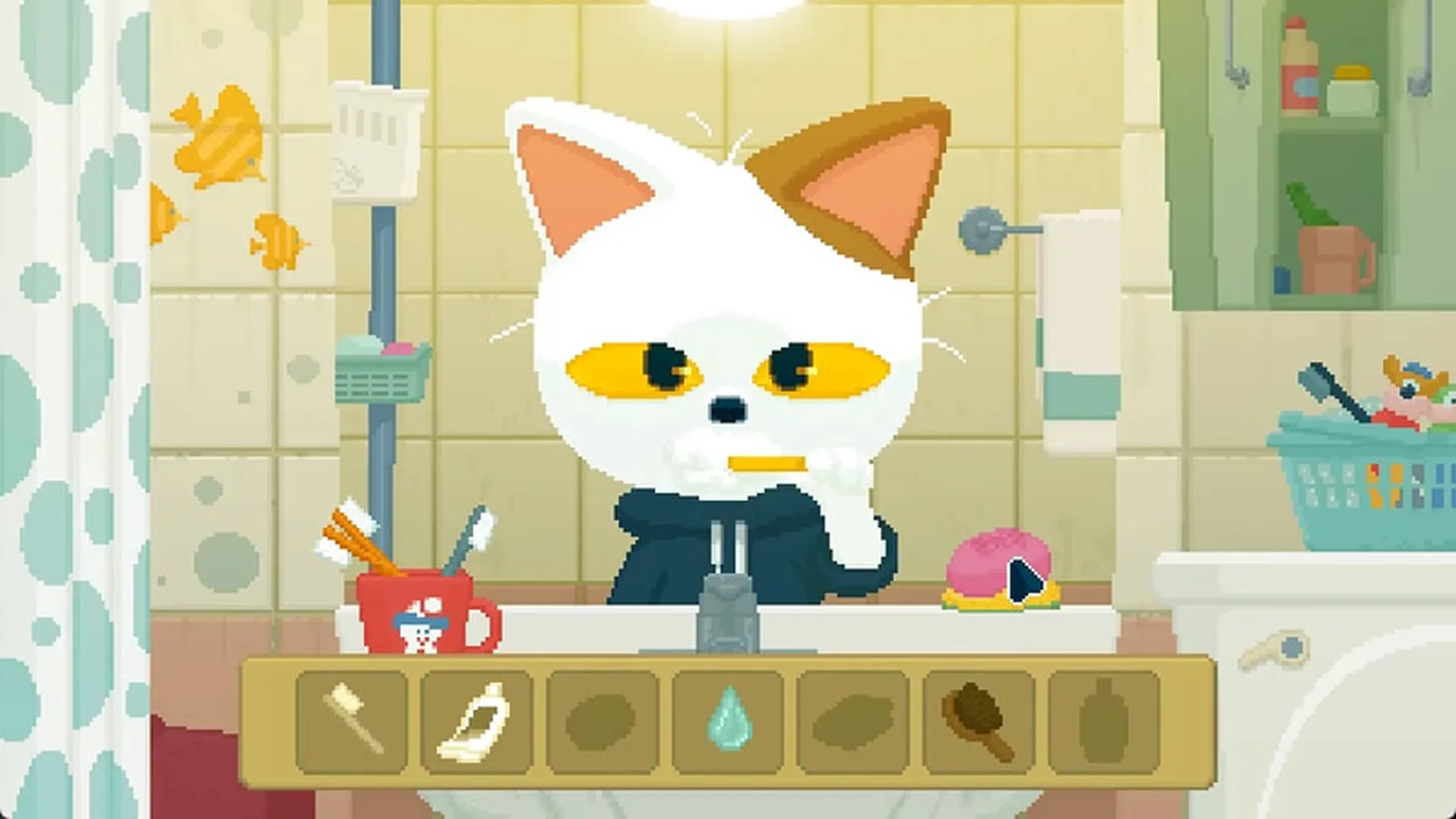
Although the foundation is a decision-based visual novel, Come to my party! includes immersive mini-games and relationship-building with classmates. These elements matter because they give players ways to engage with the story beyond selecting dialogue responses.
Mini-games are short interactive activities within a larger game. The available details do not specify their mechanics, length, or whether they affect every ending, so it would be premature to treat them as a known progression system. Their confirmed role is to add interactive moments to the experience.
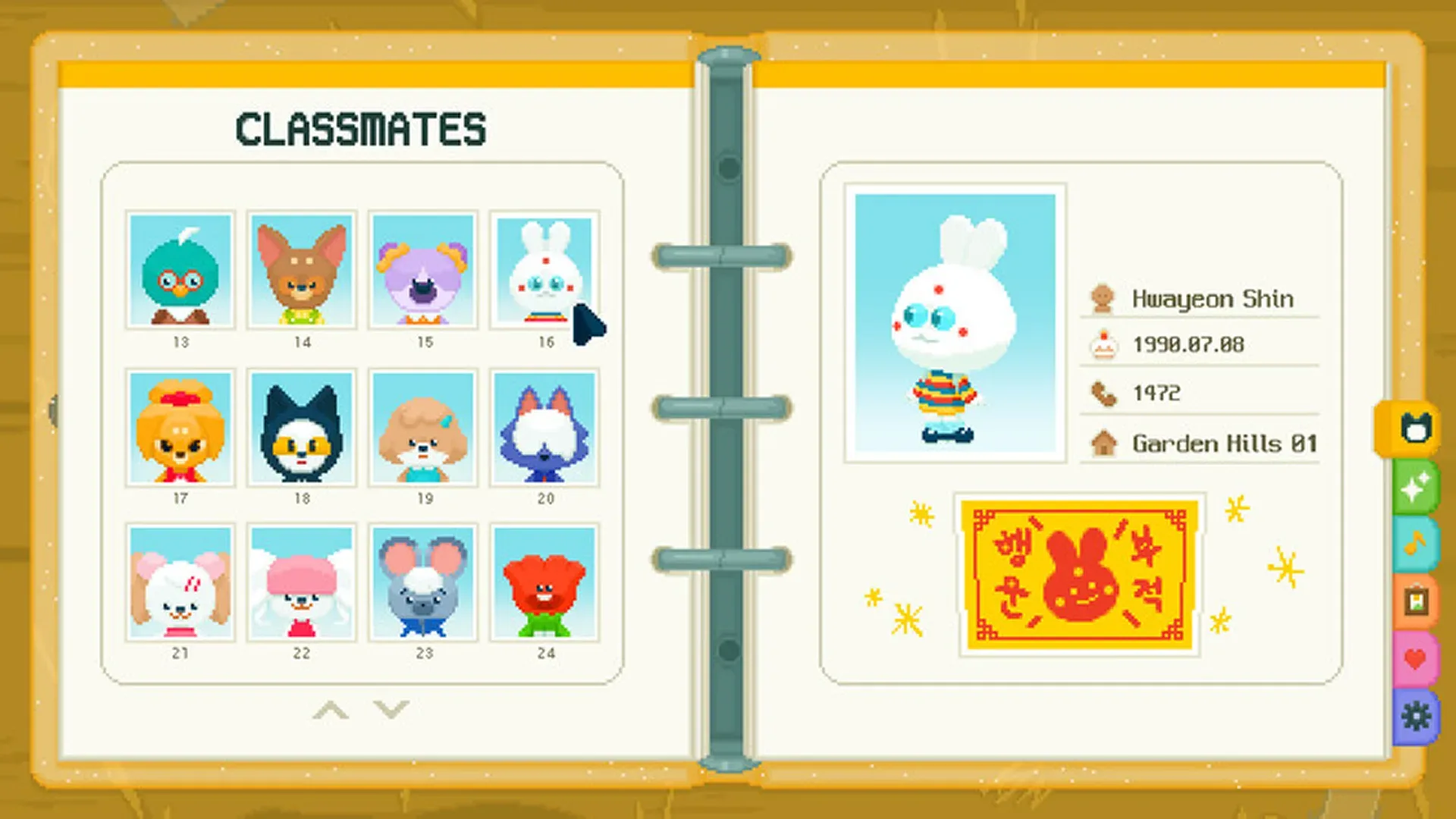
Relationship-building refers to the player’s interactions with Jimin’s classmates. Since the birthday-party objective naturally involves other children, relationships are likely to be central to the emotional logic of the game. However, no exact numerical affinity system, named characters, or route requirements have been detailed. The safest expectation is that classmates are meaningful parts of Jimin’s story and that player choices help determine where those relationships lead.
For players interested in narrative games, the combination can be appealing. Pure dialogue-choice structures can make the consequences of a decision easy to see, while small interactive scenes and relationship-focused moments can make a protagonist’s situation feel more lived-in. In this case, the elements serve a story about childhood social life rather than distracting from it.
What interested players can do now
Demo 2.0 remains available on Steam, and the game can be wishlisted there. That gives interested players an immediate way to sample the project’s tone and decision-making before the full release, whose date has not been provided in the available information.
Trying a demo is especially useful for visual novels, where the fit often depends on writing style, pacing, art, and the kind of emotional material a player wants to explore. The demo can answer personal questions that headline statistics cannot: whether Jimin’s situation resonates, whether the tone lands, and whether the choices inspire enough curiosity to see more of the branching story.
Players following Steam’s continuing run of smaller PC projects can also look at another recent Steam demo appearance. In the case of Come to my party!, the key draw is markedly different: an intimate, choice-led story in which a child’s wish for a birthday party can ultimately end in celebration or disappointment.
The Next Fest numbers do not settle how the full game will be received, and the 12 endings remain to be explored beyond the available demo. But the early data gives this solo-developed visual novel a strong starting point. With more than 10,000 wishlists, substantial event visibility, and a 97.6% positive demo rating, Jimin’s attempt to make her first birthday party happen has already found a receptive Steam audience.