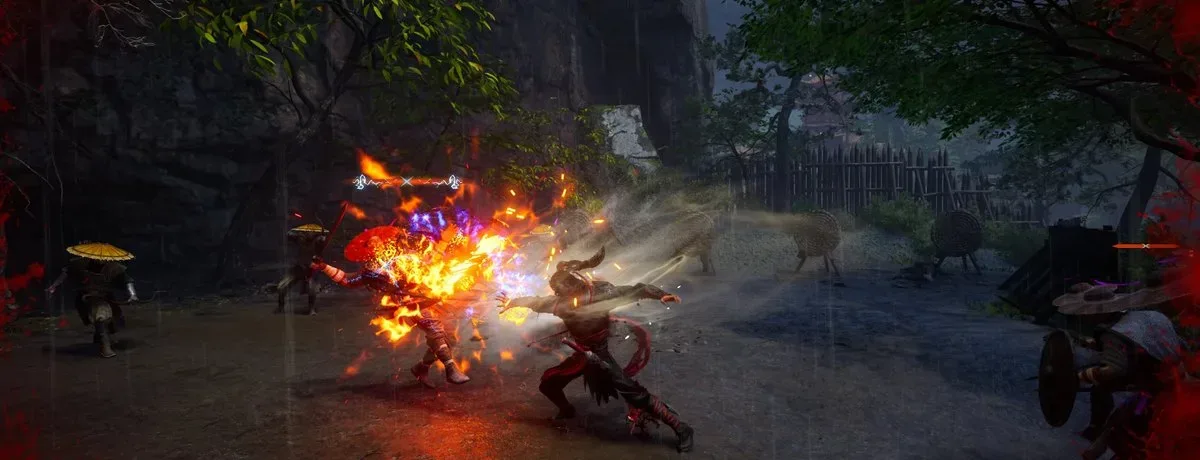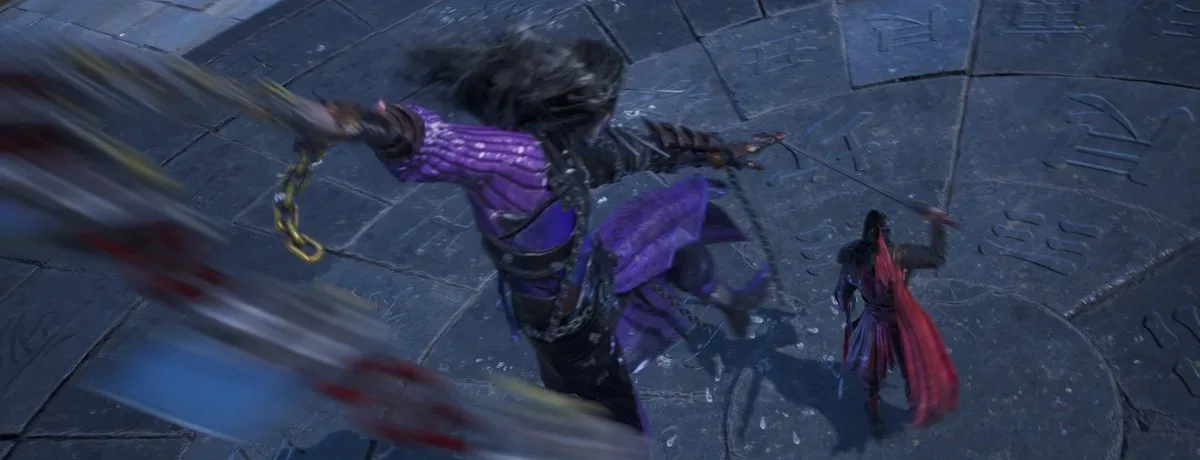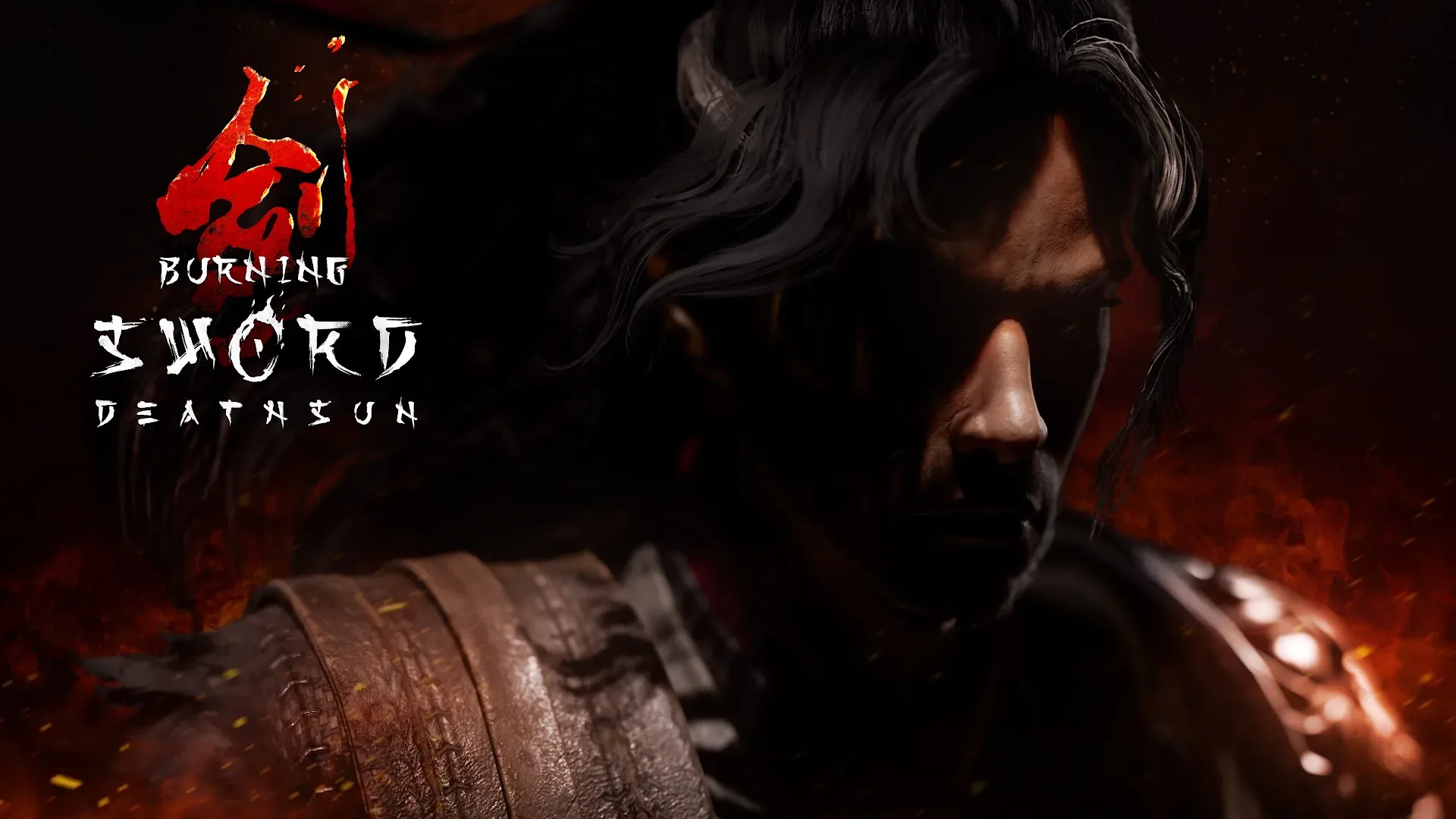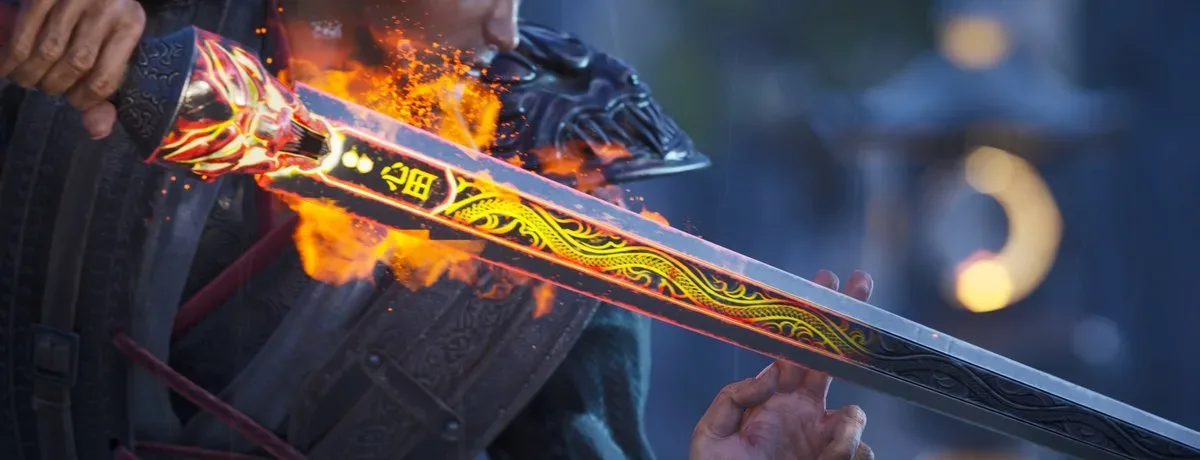
Burning Sword: Death Sun has released a free demo on Steam, offering a first look at the Bangkok-made wuxia hack-and-slash from Nomadic Games and Rising Tide Publishing. The demo is designed to get players into sword combat quickly, while still presenting the systems that define its particular spin on martial-arts action: a chargeable Burning Sword, a potentially dangerous Qi resource, wall-running movement, arena-object interactions and duels with rival masters.
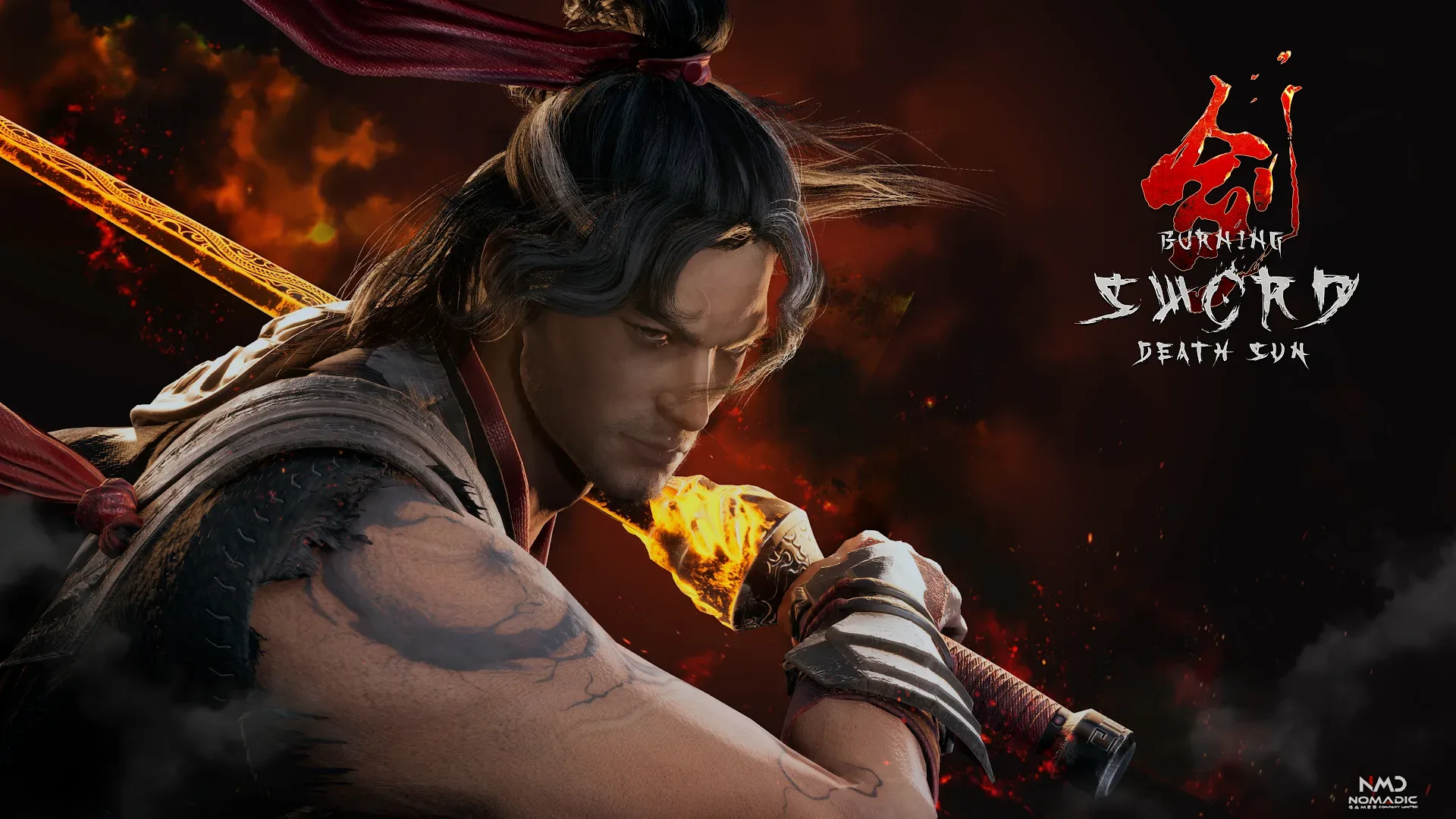
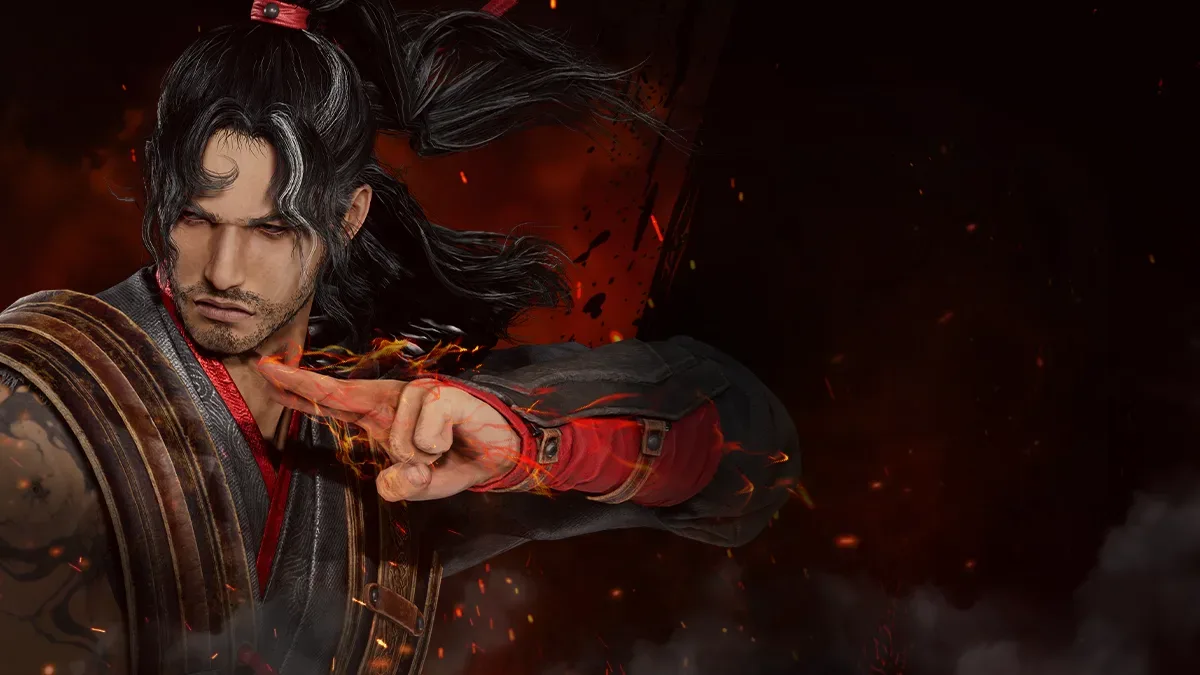
The premise is direct and suitably bloody. Players take the role of Zhang Yixian, leader of the Crimson Dust Demon Sect, who has returned from the brink of death. His target is Gao Tianqi, master of the Death Sun poison. Every martial-arts master standing in the way is, naturally, another problem to solve with a sword.
That setup places the game in a wuxia framework. Wuxia is a genre of Chinese martial-arts fiction centered on wandering fighters, martial skill, sects, rival masters and heightened feats of movement or combat. In this case, the creative touchstone is classic wuxia cinema, with the game emphasizing swift and exact swordplay rather than presenting combat as a purely stat-driven contest.
A demo meant to reach the blade quickly
The new demo has been reworked to put the sword in players’ hands sooner. That is a meaningful choice for an action game whose appeal rests on the feel and demands of its core combat loop. Rather than asking prospective players to wait through an extended introduction before engaging with its defining systems, the demo is structured around getting to its central idea: swordfighting built around timing, positioning, resources and technique.
It also introduces light roguelite elements. “Roguelite” generally describes a game structure in which repeat attempts can involve variable choices, upgrades or builds without necessarily abandoning a persistent, authored action-game foundation. Here, the stated purpose is to allow players to pursue different playstyles on separate attempts. Crucially, those elements are not being positioned as a way to reduce the underlying challenge. The core difficulty, skill focus and combat mechanics remain intact.
In practical terms, that suggests replay value will come from experimenting with options rather than expecting the game to turn into a fundamentally different experience between runs. Players who favor aggressive pressure may look for a different combination of tools than those who prefer mobility, range or higher-impact attacks. The demo’s stated design still puts execution first: a build may shape an approach, but it does not replace the need to handle the sword well.
The Burning Sword and the cost of Qi
The namesake Burning Sword mechanic is the centerpiece. Players build it up and release it for stronger strikes, creating a familiar but potentially rewarding action-game question: use the power as soon as it is available for a reliable advantage, or hold it longer for a more consequential moment. A charged attack system matters most when opponents create windows worth exploiting, and the game’s focus on bosses and precise combat makes that tension a natural fit.
Alongside the sword is Qi, the resource used for skills and ranged blasts. Qi is not merely a meter to spend and refill, however. If it is entirely exhausted, it begins consuming health. That makes resource management a survival concern rather than a straightforward cooldown economy.
The distinction is important. In many action games, draining a special meter simply removes access to an ability until it replenishes. Burning Sword: Death Sun makes the empty state dangerous in its own right. Players are therefore encouraged to consider not just whether a skill can finish an exchange, but whether using it leaves enough Qi to avoid a health penalty during the next one.
This gives ranged attacks and Qi-powered techniques a clear trade-off. They may offer reach, damage or tactical breathing room, yet their price can extend beyond the initial meter expenditure. The system should reward players who understand when a strong option is worth its risk and who can avoid spending themselves into a vulnerable state.
Then there is Qi Drain, described as a forbidden technique that steals both life and Qi. Its inclusion reinforces the game’s interest in forceful recovery and resource manipulation. A tool that restores health and Qi could be valuable when a player is approaching the dangerous empty-Qi threshold, but its “forbidden” framing also gives the combat kit a fittingly ruthless martial-arts flavor. The supplied details establish what it steals, though not its limitations, activation requirements or possible drawbacks; those are questions the demo can help players investigate for themselves.
Movement, arenas and destructive responses
Burning Sword: Death Sun is not limiting its fights to grounded exchanges. Qinggong allows wall-running and aerial movement. In martial-arts fiction, qinggong refers to a kind of lightness skill associated with extraordinary agility, and the game translates that idea into traversal and combat mobility. Wall-running and moving through the air can change how an arena is read, opening paths around opponents or creating opportunities to reset spacing.
The demo also highlights Rebound, an ability that sends arena objects flying into enemies. Environmental interaction can make an encounter feel less like a sealed-off duel performed in an empty room and more like a fight with physical surroundings worth noticing. It also adds another decision layer: an object in the arena may become an immediate offensive tool instead of set dressing.
Neither Qinggong nor Rebound changes the game’s declared commitment to swordplay. Instead, they appear to broaden the ways players enter, leave and control an exchange. The sword remains central, while movement and arena awareness provide additional routes to create an opening.
Skill trees and masters to overcome
A skill tree supplies unlockable combos and heavy techniques, with some of those moves fueled by Qi. That provides a clear bridge between progression and the game’s resource system. Unlocking a heavier technique is not necessarily the same thing as gaining a no-cost answer to every threat; if a move needs Qi, it also feeds back into the health-risk attached to total depletion.
The demo includes boss battles against different masters. This is especially apt for a wuxia revenge story in which Zhang Yixian’s pursuit leads through a succession of formidable fighters. Boss duels are often where a precision-focused action game most clearly exposes its combat language: players need to recognize patterns, select moments to commit, manage resources and adapt their preferred style to a specific opponent.
The announcement does not detail individual bosses, their weapons or their tactics, so expectations should remain measured. What is established is the overall shape of the challenge: multiple masters stand between Zhang and Gao Tianqi, and distinct boss confrontations are one of the major features presented in the demo.
A small Bangkok team, Unreal Engine 5 and a difficult push to demo release
Burning Sword: Death Sun is built in Unreal Engine 5 by a 25-person development team in Bangkok. Unreal Engine 5 is a game-development engine used to create and render games, but the engine name by itself does not guarantee a particular visual or performance outcome. It is more useful here as a technical detail about the production than as a promise of any feature not specifically identified for the game.
The team’s location is also part of the immediate development story. Parts of Bangkok were flooding as the developers pushed toward the final demo build. That context does not change what the demo contains, but it underscores the real-world conditions surrounding a milestone that is now available for players to try.
For PC action-game fans, the free demo is an opportunity to assess the part that cannot be fully conveyed by a feature list: whether its sword strikes, resource tension and movement options come together into the sharp, film-inspired combat identity it is aiming for. Players interested in dark action games with larger narrative ambitions may also want to see how another recent genre entry approaches its unresolved threads in The Blood of Dawnwalker’s wider story possibilities.
For Burning Sword: Death Sun, the pitch is more immediately focused. Zhang Yixian has a poison master to reach, a line of masters to cut through and a combat system that asks players to treat every bar of Qi, charge of the sword and object in the arena as part of the duel. The Steam demo is now the place to see whether that disciplined approach to wuxia action lands.