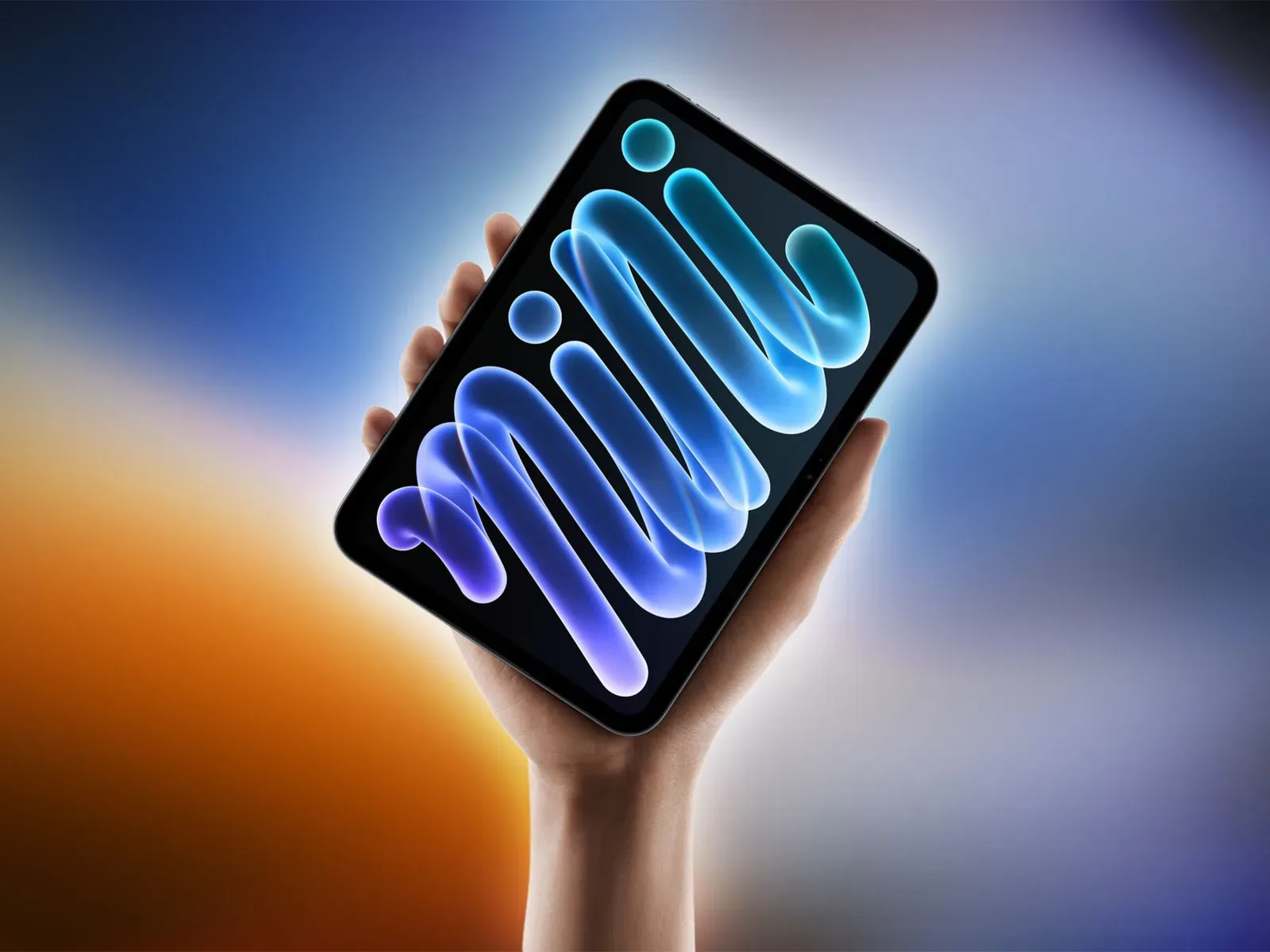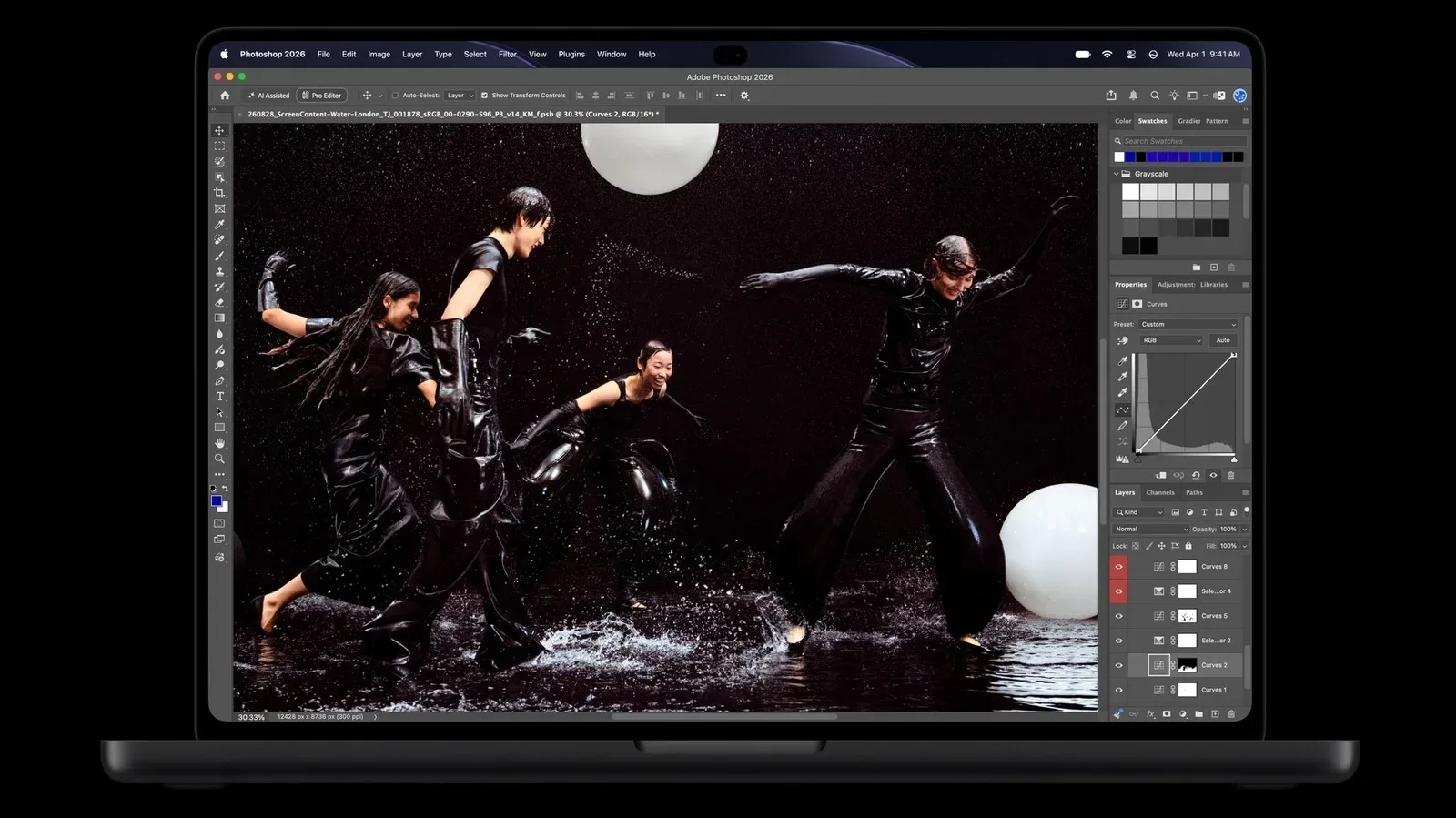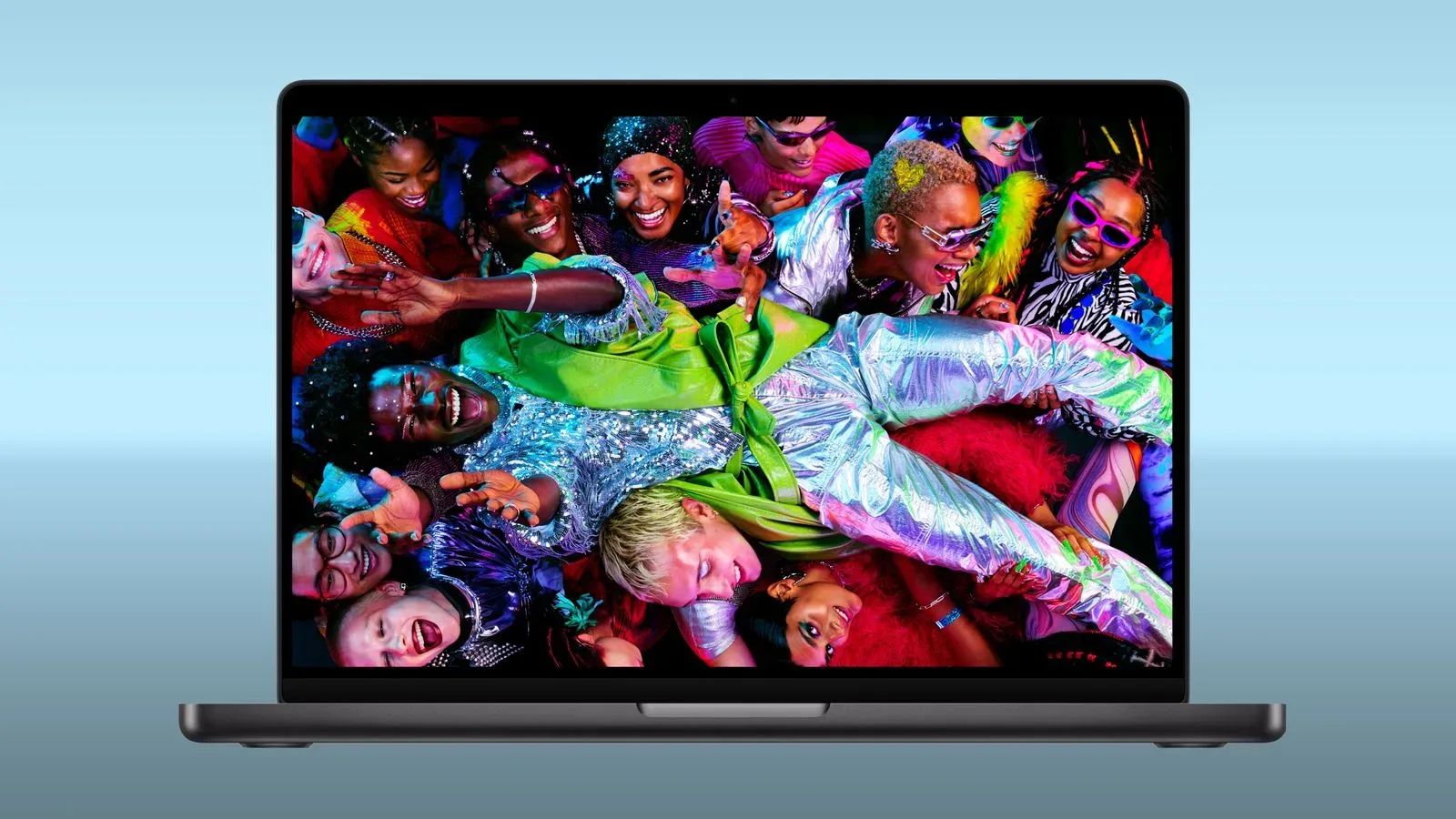
Best Buy is attaching store credit to pre-orders for two newly announced Apple devices: the iPad mini 8 and the 14-inch M6 MacBook Pro. The offers provide a $50 Best Buy gift card with the tablet and a $100 Best Buy gift card with the laptop.
The important detail is that the promotion is not limited to My Best Buy Plus or My Best Buy Total members. That makes the incentive more straightforward than a members-only price cut: a shopper who places an eligible pre-order receives the advertised gift card credit, rather than needing a subscription tier to access it.
For people deciding whether to order on day one, this is not an upfront discount in the usual sense. The purchase total remains the purchase total, while the value arrives as Best Buy credit for a later transaction. That distinction matters. A gift card is most valuable to buyers who already expect to buy accessories, games, storage, a case, cables, or another item sold by the retailer. It is less equivalent to a cash saving for somebody with no planned follow-up purchase.
What Best Buy is offering
- iPad mini 8: a $50 Best Buy gift card with pre-order.
- 14-inch M6 MacBook Pro: a $100 Best Buy gift card with pre-order.
- Membership requirement: neither offer requires a My Best Buy Plus or My Best Buy Total membership.
Apple’s iPad mini 8 begins at $699 for the 128GB Wi-Fi configuration. The 14-inch M6 MacBook Pro begins at $1,999 for a configuration with 16GB of memory and 1TB of storage.
Those base configurations should not be conflated. The iPad listing describes 128GB of storage, the space used for apps, files, downloaded media and games. The MacBook configuration names both 16GB of memory and 1TB of storage. Memory, often called RAM, is short-term working space used while software is running; storage is the longer-term space where applications and files are kept. They serve different jobs, and the numbers cannot be compared as if they describe the same component.
Trade-in figures are not the same as starting prices
Best Buy also lists substantially lower possible out-of-pocket figures with a qualifying trade-in: the iPad mini 8 can reach $399, while the 14-inch M6 MacBook Pro can reach $639. Those are not standalone sale prices for every shopper. They depend on a trade-in meeting the retailer’s qualifying requirements and receiving enough value to reduce the cost by the stated amount.
A trade-in is an exchange in which a customer turns in an existing device for credit toward a new purchase. The value can vary with the model and condition of the device being submitted, so prospective buyers should treat the $399 and $639 figures as potential post-trade-in totals rather than universal prices.
That makes the two parts of the deal worth evaluating separately. First, determine the realistic trade-in value of the current device. Then decide whether a Best Buy gift card is useful enough to affect the retailer choice. A high trade-in estimate can make the effective purchase cost look dramatically lower, but it does not mean the new hardware itself is priced at $399 or $639 before credit.
How the gift-card math looks
Using the listed starting prices, the $50 iPad mini 8 gift card represents roughly 7% of the $699 entry price in future Best Buy spending. The $100 MacBook Pro gift card represents roughly 5% of the $1,999 starting price. That is useful context, but it should not be presented as a direct percentage discount because the credit is retailer-specific and must be used separately.
The practical value can be close to those percentages for a buyer who will promptly use the card on something they already intended to purchase. A person who buys an accessory with the credit is effectively offsetting part of the overall cost. For someone who would otherwise not spend at Best Buy again, the value is lower in real-world terms, because the offer encourages an additional purchase rather than reducing the original card charge.
There is also a budgeting angle. An immediate price reduction lowers the amount that needs to be paid at checkout. A later gift card does not. Shoppers focused on minimizing the initial payment should keep that difference in view, particularly when comparing retailers that might frame incentives differently.
Why the MacBook Pro offer may matter to PC and game players
The M6 MacBook Pro is a computer rather than a dedicated game console, so a purchase decision can involve more than gaming performance. It may be a work machine, creative system, travel laptop, or general-purpose PC first. For that kind of buyer, the $100 credit can have a clearer destination than it would for someone purchasing a standalone device: peripherals and additional hardware are common parts of a laptop setup.
No gaming-performance claims, software compatibility promises, or specific M6 technical specifications are included with this offer information. Buyers should therefore avoid treating the pre-order promotion as evidence about how particular games will run. The deal establishes the price, configuration and store-credit terms described above; it does not establish a benchmark, a game library, or a performance comparison.
Anyone tracking Apple’s laptop hardware can also read more about display-direction reporting in our look at the PROLED XDR MacBook Pro display discussion. That wider topic is separate from Best Buy’s gift-card offer, and the pre-order incentive itself does not add display details.
A sensible pre-order checklist
- Pick the actual configuration first. The iPad mini 8 offer refers to a $699 128GB Wi-Fi starting model, while the MacBook Pro offer refers to a $1,999 16GB/1TB starting configuration. Confirm the exact product being ordered.
- Separate storage from memory. On the MacBook listing, 16GB and 1TB describe different resources. On the iPad listing, 128GB refers to storage.
- Assess trade-in value conservatively. The low effective prices require a qualifying trade-in. Do not assume an older device will automatically generate the credit necessary to reach them.
- Plan the gift-card use. A $50 or $100 card is most compelling when there is a concrete, needed item to buy afterward.
- Do not add unnecessary items merely to justify the credit. Store credit can be useful, but an unplanned follow-up purchase can erase the benefit.
The bottom line on the offer
Best Buy’s early iPad mini 8 and 14-inch M6 MacBook Pro pre-order incentive is uncomplicated on its face: $50 in store credit for the tablet and $100 for the laptop, without a paid membership prerequisite. The listed entry prices are $699 for the 128GB Wi-Fi iPad mini 8 and $1,999 for the 16GB/1TB M6 MacBook Pro. Qualifying trade-ins can reduce those totals as low as $399 and $639 respectively, but those outcomes hinge on the device being exchanged.
For shoppers who can use Best Buy credit naturally, the gift cards add tangible value without changing the hardware selection itself. For everyone else, the clearest way to judge the promotion is to keep its components distinct: full product price, likely trade-in credit, and future-use retailer credit are three separate pieces of the final value equation.