Apple’s October slate is shaping up less like a quiet seasonal refresh and more like a hardware boss rush: a foldable iPhone Duo with a fixed launch date, two iOS releases on separate tracks, and an extreme Mac Studio configuration that goes all the way to 512GB of memory. Alongside those defined plans sits a substantial list of possible launches spanning the iPad mini, iMac, MacBook Pro, Apple TV 4K, HomePod mini and a new smart-home platform.
The key word is possible. Four October developments have concrete details: iPhone Duo launches on October 23, pre-orders begin October 16, iOS 27.1 is expected before the phone arrives, and the 512GB M5 Ultra Mac Studio configuration is due in late October. iOS 27.2 is also expected during the month, based on its beta path and Apple’s stated October window for five additional Siri AI languages. The remaining hardware is rumor rather than a release calendar. That divide matters particularly for people timing an upgrade, building a desk setup, or waiting to see how Apple’s next AI-supported living-room and smart-home products take shape.
The dates that are actually on the board
iPhone Duo: pre-orders October 16, launch October 23
The iPhone Duo, Apple’s foldable iPhone, is scheduled to launch Friday, October 23. Pre-orders are set to open Friday, October 16 at 5 a.m. Pacific Time. Those dates give the month a clear focal point rather than merely a loose expectation of an autumn phone release.
“Foldable” describes a phone designed around a flexible display and hinge-driven form factor. The supplied information does not establish the iPhone Duo’s screen sizes, hinge design, camera system, battery life, price or software features beyond its operating system, so those details should not be assumed. What is established is the name, its foldable identity, its sales schedule and the fact that it will ship with iOS 27.1.
iOS 27.1 arrives ahead of the new phone
Because iPhone Duo will ship with iOS 27.1, the update is expected to reach compatible iPhones before October 23. This release appears to be closely tied to preparing the platform for the new device. That relationship also explains an unusual-looking software sequence: iOS 27.2 entered beta while 27.1 remained dedicated to the iPhone Duo.
For existing iPhone owners, the important practical point is simple: iOS 27.1 is not being positioned solely as a boxed-with-the-new-phone build. It is expected as an update before the hardware launch. The source material does not list its wider feature set, so it is safer to treat the timing—not a speculative feature checklist—as the useful information for now.
iOS 27.2 and five more Siri AI languages
iOS 27.2 is expected sometime in October and is set to add support for five additional Siri AI languages previously promised for that month. This is the most specific confirmed functional addition in the October software outlook.
Language support can sound like a minor bullet point, but it is central to a voice assistant’s usefulness. It concerns the languages in which Siri AI can operate; it does not automatically tell us which features will work in every region, exactly which five languages are being added, or whether every Siri AI capability will arrive identically across all devices. Those finer points are not established here. Still, the update’s language expansion gives iOS 27.2 a distinct purpose beyond the iPhone Duo-focused iOS 27.1 release.
Mac Studio’s 512GB option is due in late October
Apple has already released new Mac Studio models with M5 Max and M5 Ultra chips. A particularly high-end M5 Ultra configuration with 512GB of RAM is slated for late October.
RAM, or random-access memory, is the fast working memory a computer uses while applications and tasks are active. A 512GB configuration is therefore a specification aimed at exceptionally demanding workloads rather than a routine baseline desktop purchase. The information available does not assign a price, provide benchmark results, or spell out which applications benefit most, so prospective buyers should avoid filling in those gaps with assumptions. The reliable takeaway is that the M5 Ultra Mac Studio range is gaining a 512GB RAM tier later in the month.
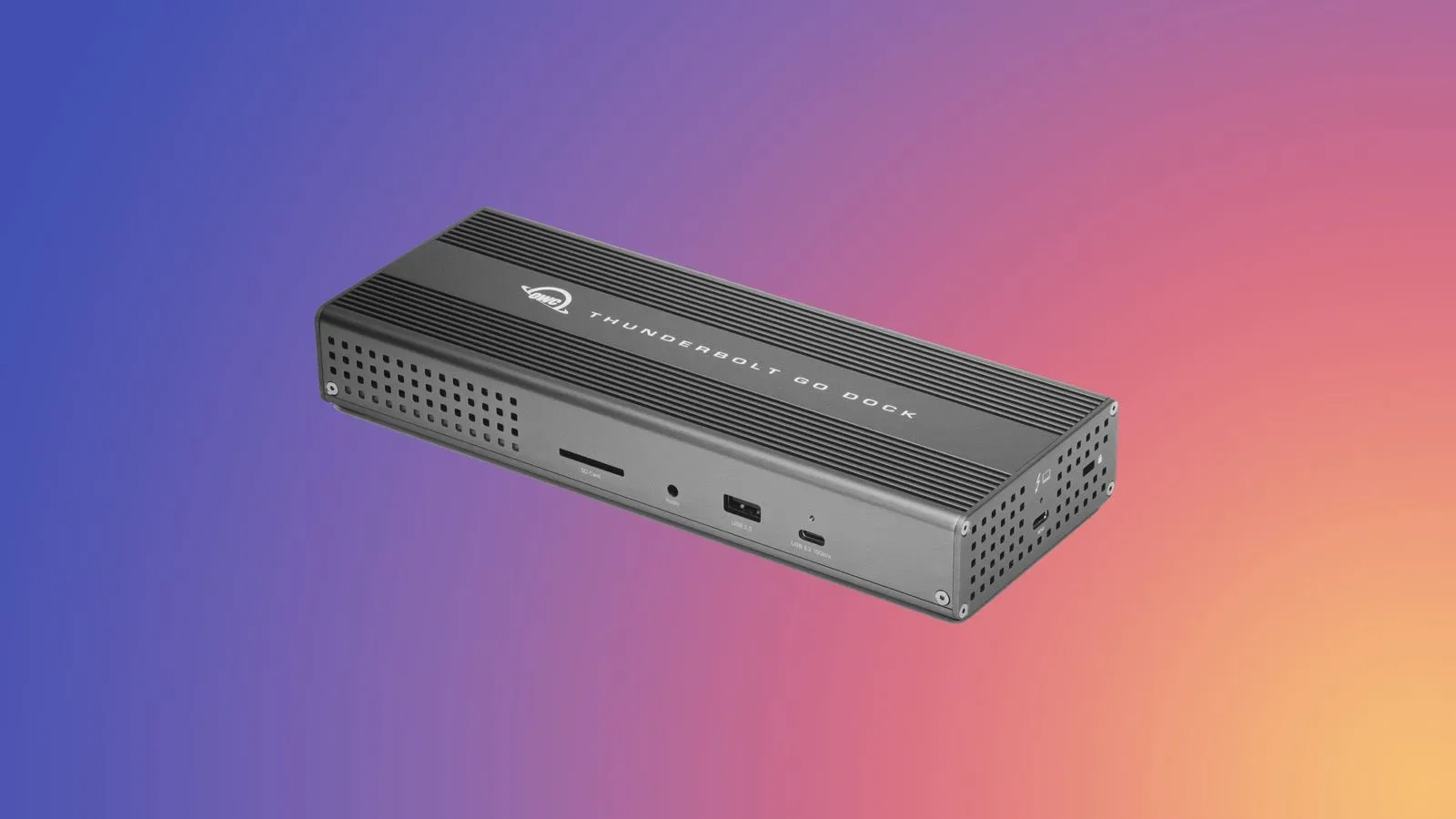
For Mac users also weighing the less glamorous but essential parts of a workstation, storage and dock compatibility remain separate decisions from the Mac Studio’s memory configuration. Our look at Mac docks, storage enclosures and cables is a useful reminder that a desktop setup is more than its processor and RAM line on a spec sheet.
The rumored October hardware wave
The rest of the month’s possible Apple news is broad enough to touch portable devices, desktop Macs, entertainment hardware and connected-home controls. None of the following should be treated as confirmed launch information.
iPad mini 8 could make the small tablet a more ambitious device
The reported iPad mini 8 features include an OLED display, an A20 Pro chip, a landscape front camera, a redesigned speaker system and a water-resistant design.
OLED is a display technology name, while the report does not provide particulars such as brightness, resolution, refresh rate or panel supplier. Likewise, an A20 Pro would be a newer chip designation, but no performance figures accompany the claim. The landscape front camera detail refers to camera placement on the tablet’s long edge when held horizontally, a configuration relevant to video calls and horizontal use. A redesigned speaker system and water resistance are also reported, but no rating or acoustic specifications are provided.
In other words, the suggested changes point to a potentially broad refresh, but the details that determine the size of that refresh remain unverified. Anyone who needs a tablet immediately has no official October iPad mini date to act on; anyone willing to wait has a concrete enough rumor list to understand why a pause may be tempting.
iMac and MacBook Pro rumors split in two directions
A 24-inch iMac is rumored to receive an M6 chip and new color options, while a 14-inch MacBook Pro is also rumored to move to M6. These are straightforward reports of chip refreshes, with no further specifications supplied.
A separate report concerns larger changes for 14-inch and 16-inch MacBook Pro models later in 2026: M5 Pro and M5 Max chips, OLED screens, touch input, a Dynamic Island and a thinner design. This is important because it is a late-2026 redesign expectation, not a confirmed October release. It should not be collapsed into the October rumor pile simply because it involves MacBook Pro branding.
Dynamic Island is Apple’s name for a display-area interface treatment around the front camera and sensor cutout. The rumor points to this moving into a redesigned MacBook Pro, but it does not provide an implementation diagram, exact dimensions or compatibility details. Similarly, “thinner” identifies a design direction, not a measurement. Separating the immediate M6 speculation from the later design rumor keeps the upgrade picture clear: a possible processor update is not the same thing as a confirmed all-new chassis.
Apple TV 4K may gain more headroom without a visual overhaul
A fourth-generation Apple TV 4K is rumored to use an A19 or A19 Pro chip, raise memory from 8GB to 12GB, add an Apple-designed N1 chip with Wi-Fi 7 support, and include an updated Siri Remote. It is also expected to support Apple Intelligence and Siri AI. A leak indicates the external unit may look the same as the current model.
That combination, if accurate, suggests an internal update rather than a reinvention of the little set-top box. The stated RAM increase is specifically connected to Apple Intelligence and Siri AI support. Wi-Fi 7 refers to a newer Wi-Fi generation; the report establishes support as a rumor but does not state real-world speed, router requirements or region-by-region availability.
The N1 name is especially notable because the report attaches it to Apple-designed connectivity hardware in both Apple TV 4K and the rumored HomePod mini 2. But there are no technical details beyond the Wi-Fi 7 association. It would be premature to infer more about its role, performance or support for other protocols.
For players and households using a TV as a shared entertainment endpoint, an unchanged enclosure could be a virtue if the priority is quiet continuity in a living-room setup. Yet the claim remains unconfirmed, as do the chip choice and new remote. “Looks the same” should not be mistaken for an official product reveal.
HomePod mini 2 and a possible new home hub
The HomePod mini 2 is rumored to bring a newer chip, Siri AI, improved sound quality, N1 Wi-Fi 7 support, a second-generation Ultra Wideband chip and new colors including pink and green. Major physical redesign is not expected.
Ultra Wideband is a short-range wireless technology name. The material identifies a second-generation chip as rumored, but gives no specific behavior or use cases for it. The same caution applies to “improved sound quality”: that is a reported direction, not a measured claim about volume, drivers or audio formats. The more grounded buying implication is that people hoping for a dramatically different mini-speaker shape may not get one, while people interested in newer internal components and colors may have a reason to watch October.
More consequential still is the reported home hub: an entirely new smart-home device built around Siri AI and a square display between six and seven inches. The expected hardware includes an A18 chip or newer for Apple Intelligence and FaceTime support. Two forms are described: a tabletop model with a speaker base and a wall-mounted version.
A hub is a central control point for connected devices and services. The proposed product sounds positioned to make the home visible and touchable rather than voice-only, using display elements such as clock faces and widgets. However, display resolution, launch timing, pricing, supported accessories and the final feature list are not given. The tabletop and wall-mounted variants themselves remain rumored.
homeOS is a name to watch, not a finalized promise
The new home hub is expected to run an all-new operating system that may be named homeOS. The possible name is linked to trademark filings. That is useful evidence of a direction, but it is not the same as a public product page or finalized branding.
The reported operating-system experience would include clock faces and widgets. An operating system is the software foundation that runs a device and presents its primary interface. Here, the suggested homeOS identity would distinguish the hub from an ordinary speaker or tablet by centering its interface on household information and controls. But without an official reveal, it remains better understood as a reported platform concept than a final software roadmap.
What to do with an October full of certainty and speculation
- Waiting for a foldable iPhone: the actionable dates are October 16 for pre-orders and October 23 for launch. The phone is confirmed, while unlisted specifications are not.
- Updating an iPhone: iOS 27.1 is expected before October 23, and iOS 27.2 is expected in October with five added Siri AI languages. Neither expectation supplies a full changelog.
- Configuring a Mac Studio: the M5 Ultra, 512GB RAM option is expected in late October. It is the clear choice to wait on only if that specific maximum-memory configuration is relevant.
- Considering iPad, Apple TV, HomePod or a new Mac: recognize the opportunity cost of waiting, but do not treat rumored chips, displays, colors and launch timing as locked. The reports offer reasons to pay attention, not a guarantee to postpone a necessary purchase.
- Interested in a central Apple smart-home screen: the home hub and homeOS picture is compelling in outline, but its product name, two-form-factor plan and software details are all still outside confirmed territory.
October has an unusually clear core: iPhone Duo, iOS 27.1, iOS 27.2 and a maximum-memory Mac Studio are the developments with the strongest footing. The rumor list is substantial and plausibly interconnected, particularly around Siri AI, Apple Intelligence, N1 networking and the smart home. Until Apple converts that outline into products and specifications, though, the sensible approach is to enjoy the boss-rush energy without confusing the loading screen for a finished level.