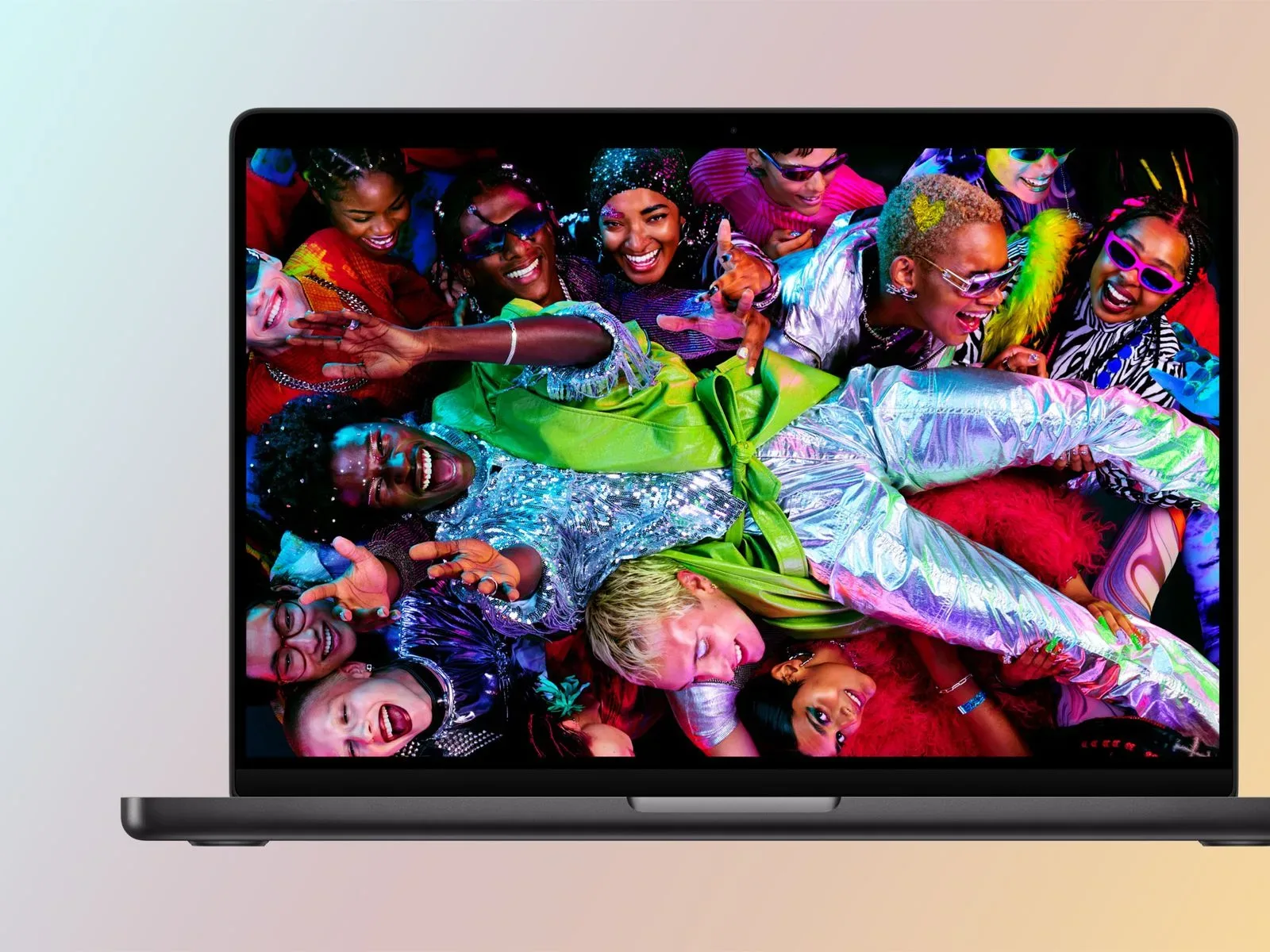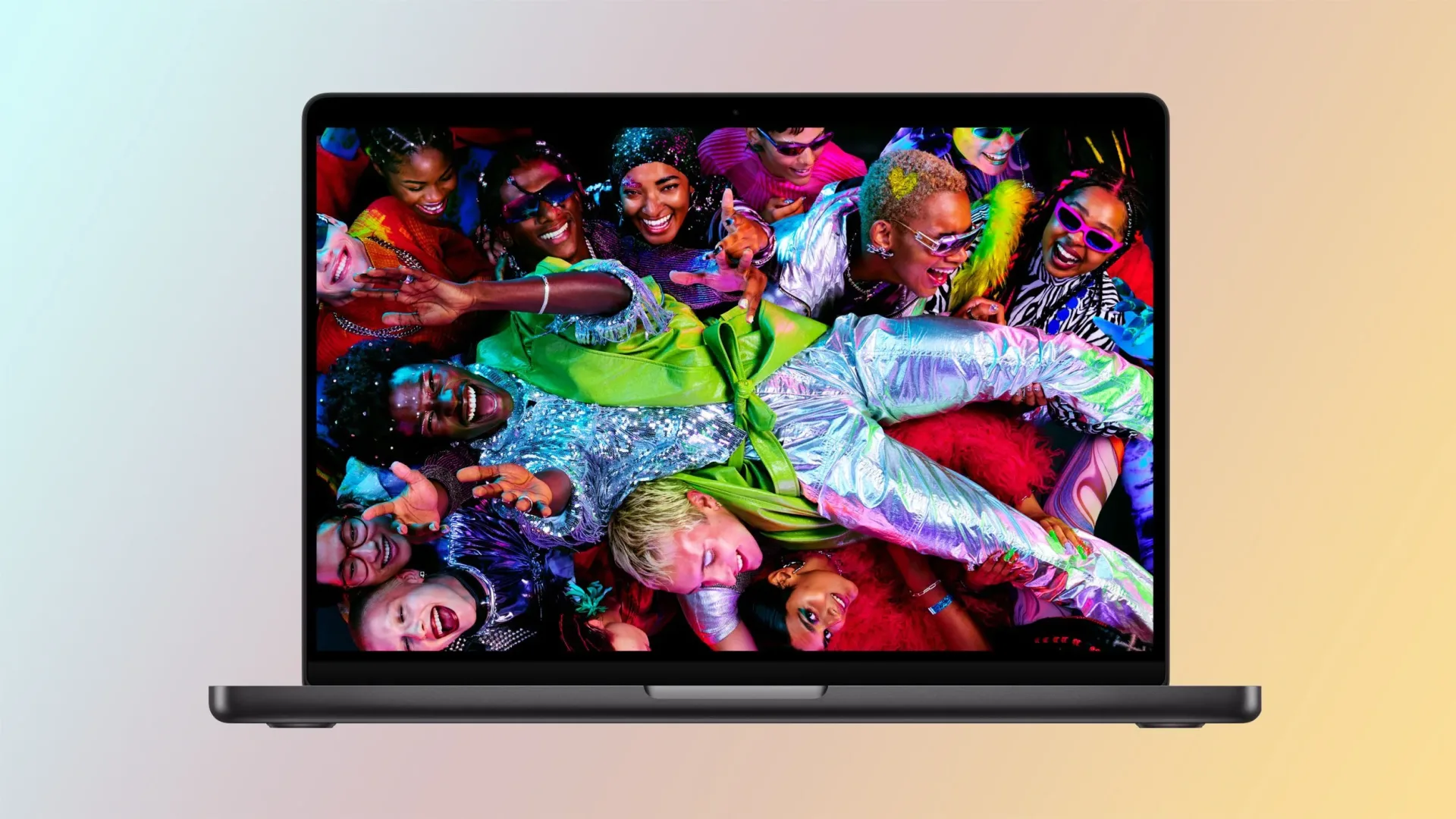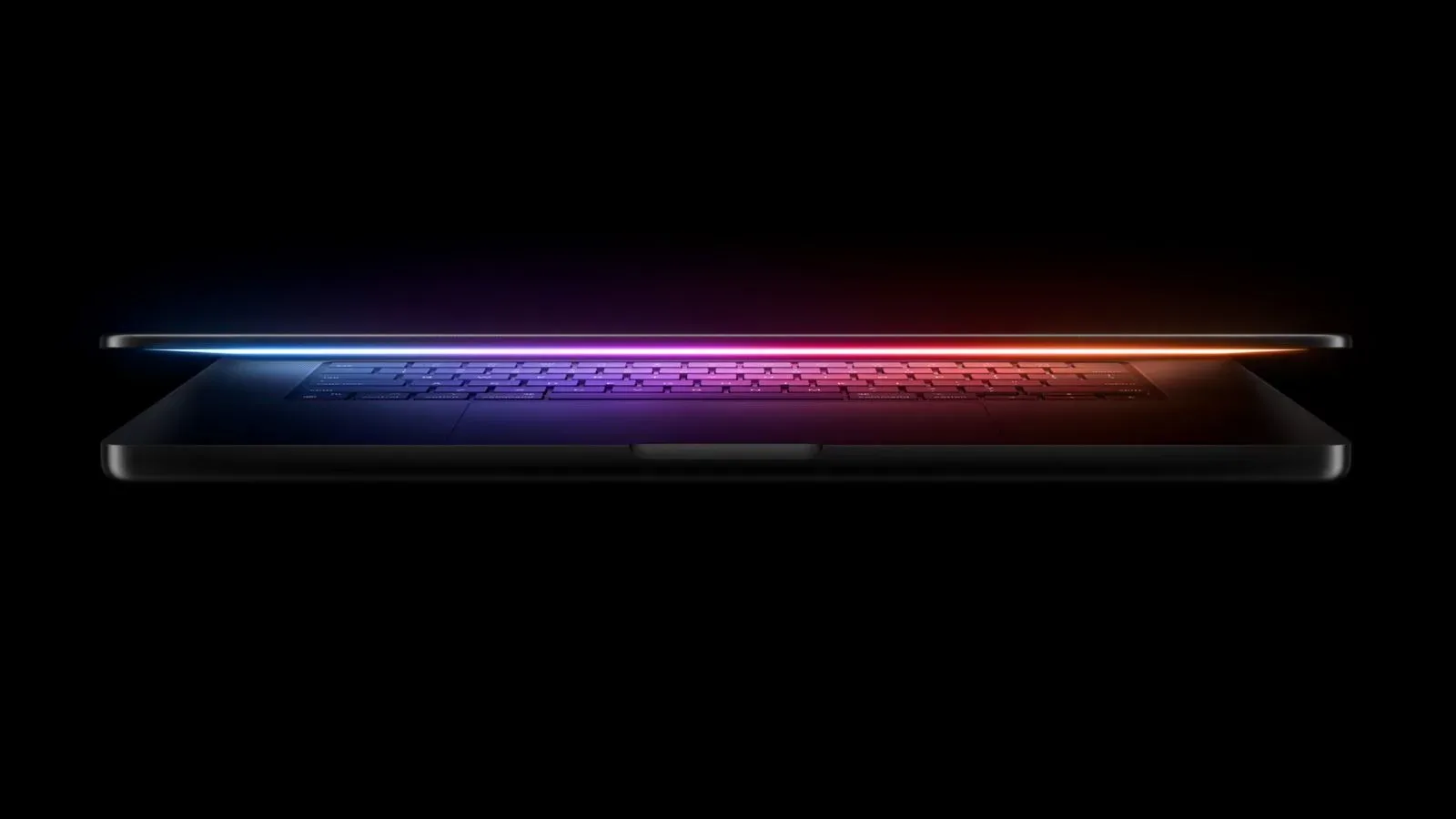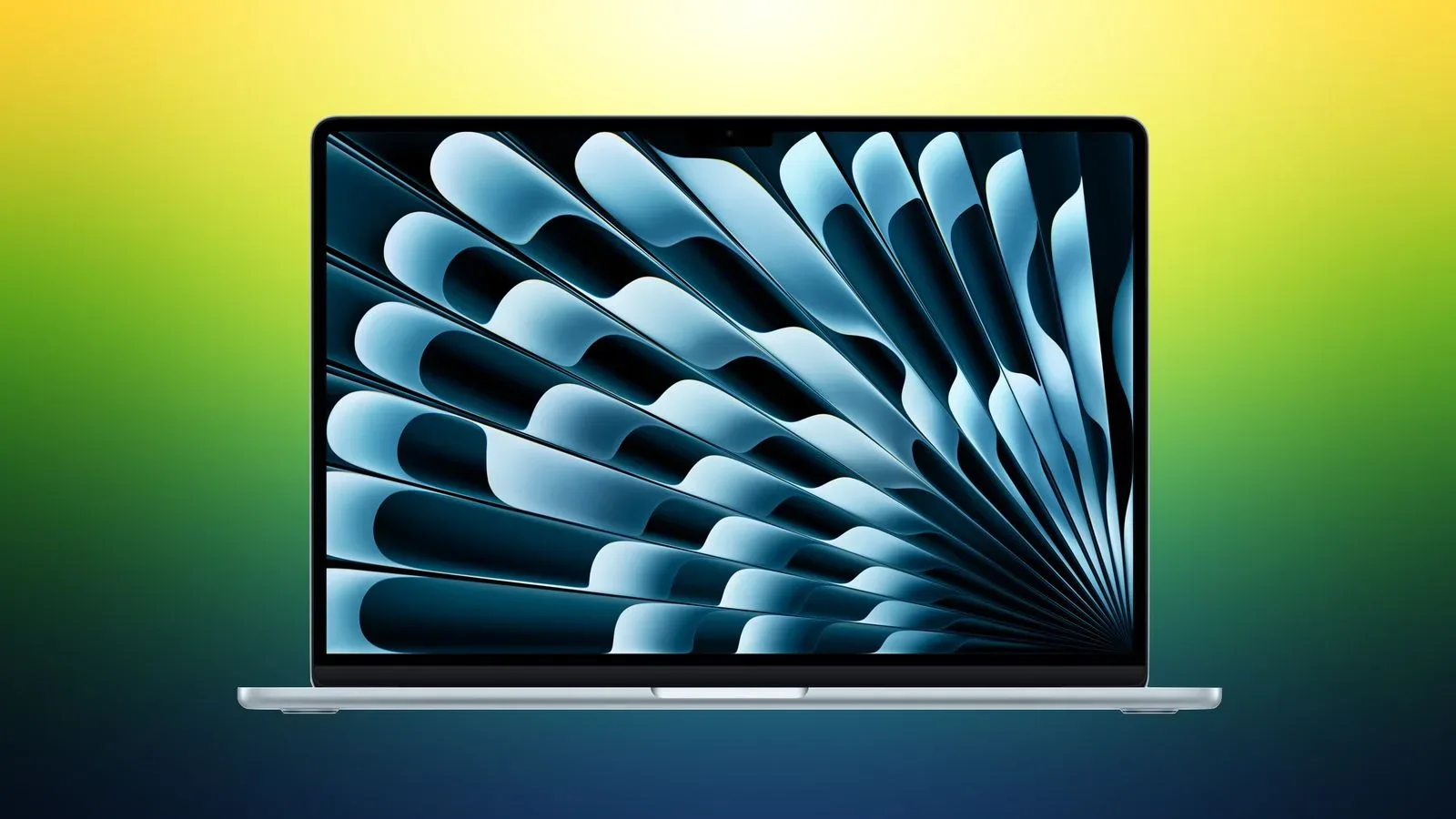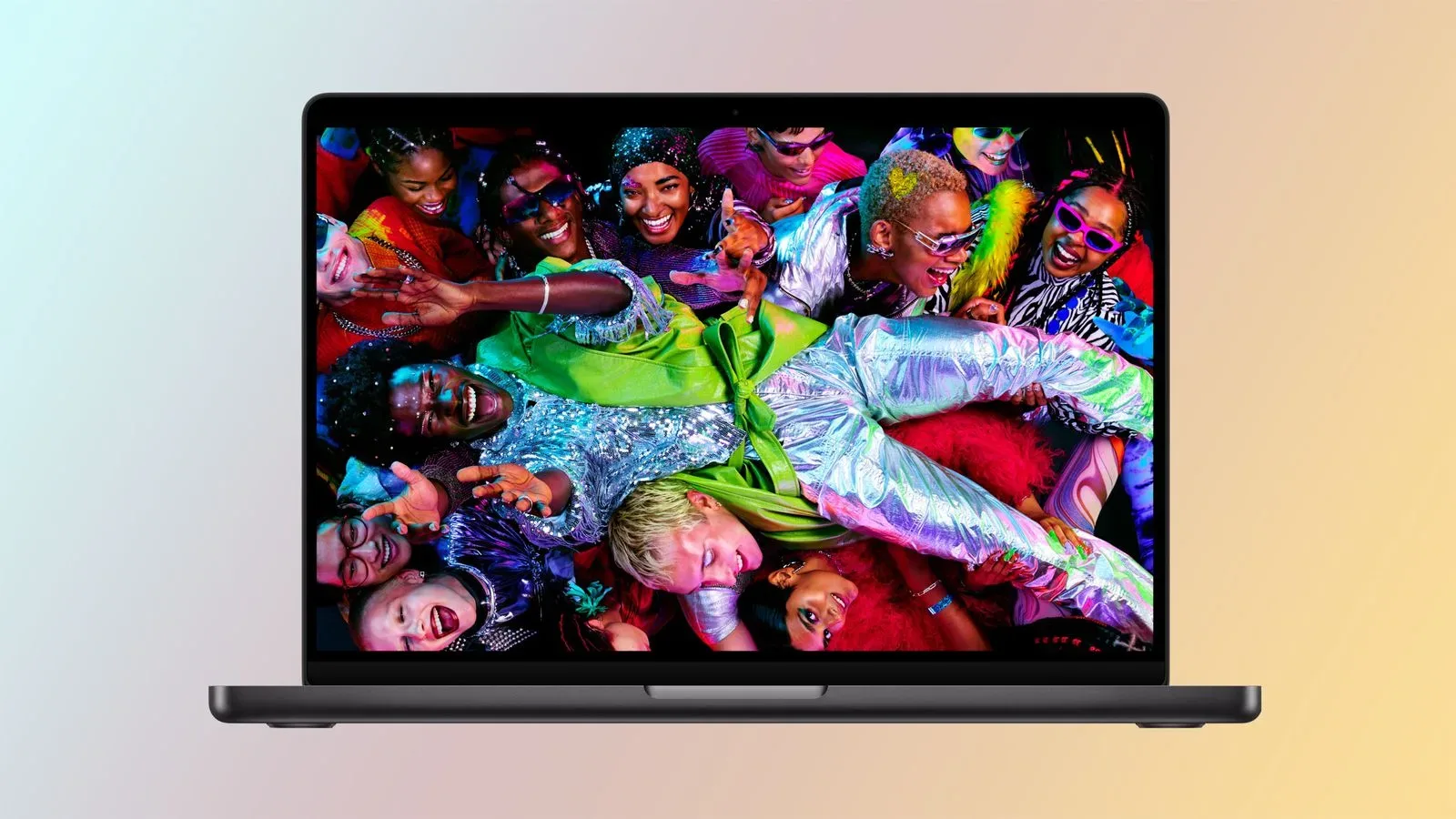
Amazon has listed a substantial price cut on a high-specification 16-inch MacBook Pro configuration built around Apple’s M5 Max chip. The model combines a 32-core GPU, 36GB of memory and a 2TB solid-state drive, and its reported price is $3,499, down from $4,399.
That is a $900 reduction, or roughly 20% off the stated regular price. For a laptop positioned at the upper end of Apple’s MacBook Pro range, the size of the dollar reduction matters as much as the percentage: this is still a $3,499 purchase, but it moves a configuration that was priced at $4,399 meaningfully closer to the cost of less expansive professional setups.
A second 16-inch M5 Max configuration with 48GB of memory is also discounted. It is listed at $4,499, reduced from $4,999—a $500 difference. Both offers arrive after price increases earlier in the summer for the 2026 MacBook Pro line.
What the $3,499 configuration includes
The headline model is specifically the 16-inch MacBook Pro with M5 Max, a 32-core GPU, 36GB of memory and 2TB of SSD storage. Each part of that description is consequential, particularly for buyers whose workloads make a more capable notebook worthwhile.
- M5 Max: Apple’s chip is the central processor package in this configuration.
- 32-core GPU: The GPU, or graphics processing unit, handles graphics-oriented work. The listing identifies this version as having 32 GPU cores.
- 36GB memory: Memory, commonly called RAM, is the fast working space used while applications and tasks are active. This configuration has 36GB.
- 2TB SSD: The solid-state drive is the laptop’s built-in storage. Two terabytes provides substantially more local capacity than a baseline storage configuration, although the right amount still depends on the buyer’s files and workflow.
The important qualification is that the deal applies to this exact configuration. “16-inch MacBook Pro” by itself is not enough to identify it: the chip, graphics-core count, memory capacity and storage capacity all need to match before treating the $3,499 listing as the relevant price.
A big markdown, not a budget laptop
Discount headlines can make the original class of a product easy to overlook. The $900 reduction is real relative to the stated $4,399 price, but the discounted machine remains a premium purchase. That makes this offer most useful for someone who had already narrowed their search to a 16-inch M5 Max MacBook Pro with 36GB memory and 2TB storage, rather than for someone simply seeking the least expensive portable Mac.
Put another way, a sale does not automatically make extra specification the right value. The price is lower than before, but a buyer who does not need 2TB of internal storage or this M5 Max configuration could still find that a different MacBook Pro setup better fits their budget. Conversely, someone who needs the listed combination may see the discount as a chance to avoid paying the previous $4,399 price.
The 48GB-memory version illustrates why comparing configurations is important. Its discount is smaller in raw dollars—$500 rather than $900—and smaller as a proportion of its $4,999 regular price. But it has more memory than the 36GB model. The better choice is therefore not determined by the sale percentage alone; it depends on whether the added memory is worth the additional $1,000 sale-price outlay.
Why memory and storage deserve close attention
When evaluating a laptop listing, memory and storage are easy to conflate because both are measured in large capacities. They serve different roles. Memory is used for work in progress: active apps, documents and data being handled during a session. Storage is the long-term space where files, apps and the operating system reside.
In practical terms, the 36GB-versus-48GB choice is a memory decision, while the 2TB specification is a storage decision. The supplied listings establish the capacities, not which workload requires either amount. Shoppers should therefore begin with their own current needs: the number and type of applications they expect to keep open, the size of the projects they keep locally, and whether they prefer to retain a large library of files on the laptop itself.
That distinction also helps prevent a common shopping mistake: assuming a higher storage number compensates for a lower memory number, or vice versa. They are separate specifications. A configuration can be attractive for its local storage while not being the preferred memory tier, and the reverse can also be true.
How to read the two offers
The two reported deals can be reduced to a simple comparison:
- 16-inch M5 Max, 32-core GPU, 36GB memory, 2TB SSD: $3,499, down from $4,399. Savings: $900.
- 16-inch M5 Max, 48GB memory: $4,499, down from $4,999. Savings: $500.
The first deal is the clearer value proposition for someone targeting the specified 36GB/2TB model: it represents the larger discount and costs $1,000 less than the 48GB-memory alternative. The second offer is more narrowly aimed at a shopper who has decided that the jump to 48GB of memory is important enough to justify that higher sale price.
Neither listing, based on the details available, establishes a universal “best” MacBook Pro configuration. They do establish a pair of reductions on 16-inch M5 Max models at a time when the 2026 MacBook Pro range has seen summer price hikes. That context makes the cut on the 36GB/2TB machine especially notable: it offsets a notable portion of a very high starting point.
Checklist before treating the deal as a match
- Match the exact model: Confirm the listing is for the 16-inch M5 Max MacBook Pro, not merely another MacBook Pro with a similar name.
- Check the GPU specification: The highlighted $3,499 model is identified with a 32-core GPU.
- Verify memory: Make sure the listing says 36GB if comparing against the $3,499 offer, or 48GB if considering the $4,499 version.
- Verify storage: The $3,499 configuration includes a 2TB SSD.
- Compare against your actual requirements: A large reduction is most valuable when the exact memory and storage configuration suits the work you intend to do.
- Recheck the live listing: Retail pricing and configuration availability can change, so confirm the displayed price and specifications before making a purchase decision.
For buyers weighing a Mac against a broader desktop-like setup, it is also useful to think beyond the product name and focus on the machine’s role. A related look at Android desktop mode on recent Pixel phones shows how different hardware categories can overlap around PC-style tasks, while also carrying very different compromises. The M5 Max MacBook Pro listings here are not a substitute for that kind of phone-based setup; they are high-end notebook configurations whose appeal rests on their specific chip, memory and storage combinations.
The key figure is the $900 reduction on the 16-inch M5 Max model with 36GB of memory, a 32-core GPU and 2TB SSD. Anyone already shopping for that exact configuration has a straightforward comparison point: $3,499 versus its reported $4,399 regular price. Buyers outside that narrow target should resist letting the magnitude of the markdown make the specification decision for them.
Shop the products
Check current price, model and availability at the retailer.