
Building or upgrading a gaming PC has become less like selecting parts and more like watching an item shop reroll its prices while the timer runs out. The immediate frustration is easy to see in graphics-card listings, but the underlying problem is broader: AI data centers are consuming enormous quantities of memory, and the factories producing that memory cannot instantly split themselves into more factories.
That pressure is reaching consumer hardware through several connected paths. The market for conventional RAM is tightening. The supply of advanced memory used alongside high-performance compute hardware is being prioritized. Graphics cards become more expensive or harder to find. And the effect can extend beyond desktop PCs to laptops, consoles and accessories. It is a supply-chain problem with a particularly gamer-shaped receipt at the end.
The term chipflation is a useful shorthand for the experience, though it should not be confused with general inflation. It describes component-price increases that can move much faster than economy-wide prices because supply is constrained and demand concentrates around specific chips. Estimates cited in the available reporting project DRAM prices to be 400% higher by the end of 2026 than they were in 2024. That is the kind of swing that changes the economics of a prebuilt PC, a DIY upgrade and every device whose maker needs memory.
The GPU price problem is, underneath it, a memory problem
GPU shortages are often discussed as though the graphics processor itself is the sole bottleneck. In reality, a finished graphics card depends on a whole chain of specialized parts. Memory is among the most consequential. If manufacturers cannot secure enough memory at a viable cost, it does not matter much that the rest of the board design is ready to go.
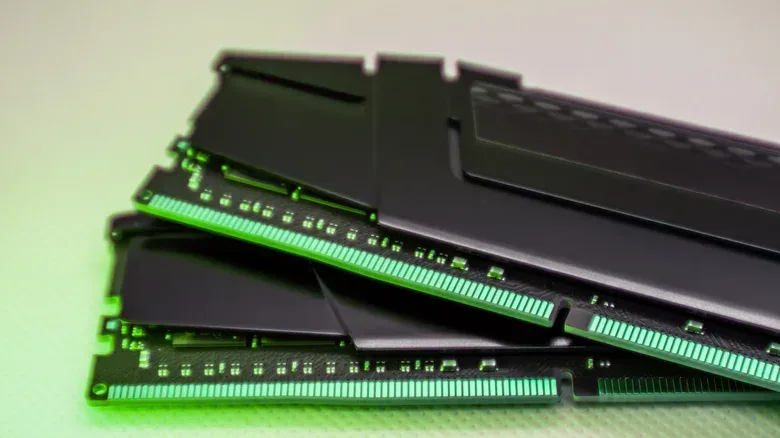
DRAM, or dynamic random-access memory, is the short-term working memory used by PCs and a huge range of electronics. System RAM modules use DRAM. So do many other devices in forms tailored to their designs. It is not the same thing as long-term storage: an SSD or hard drive retains files when power is off, while DRAM holds data that a system needs to access quickly while running.
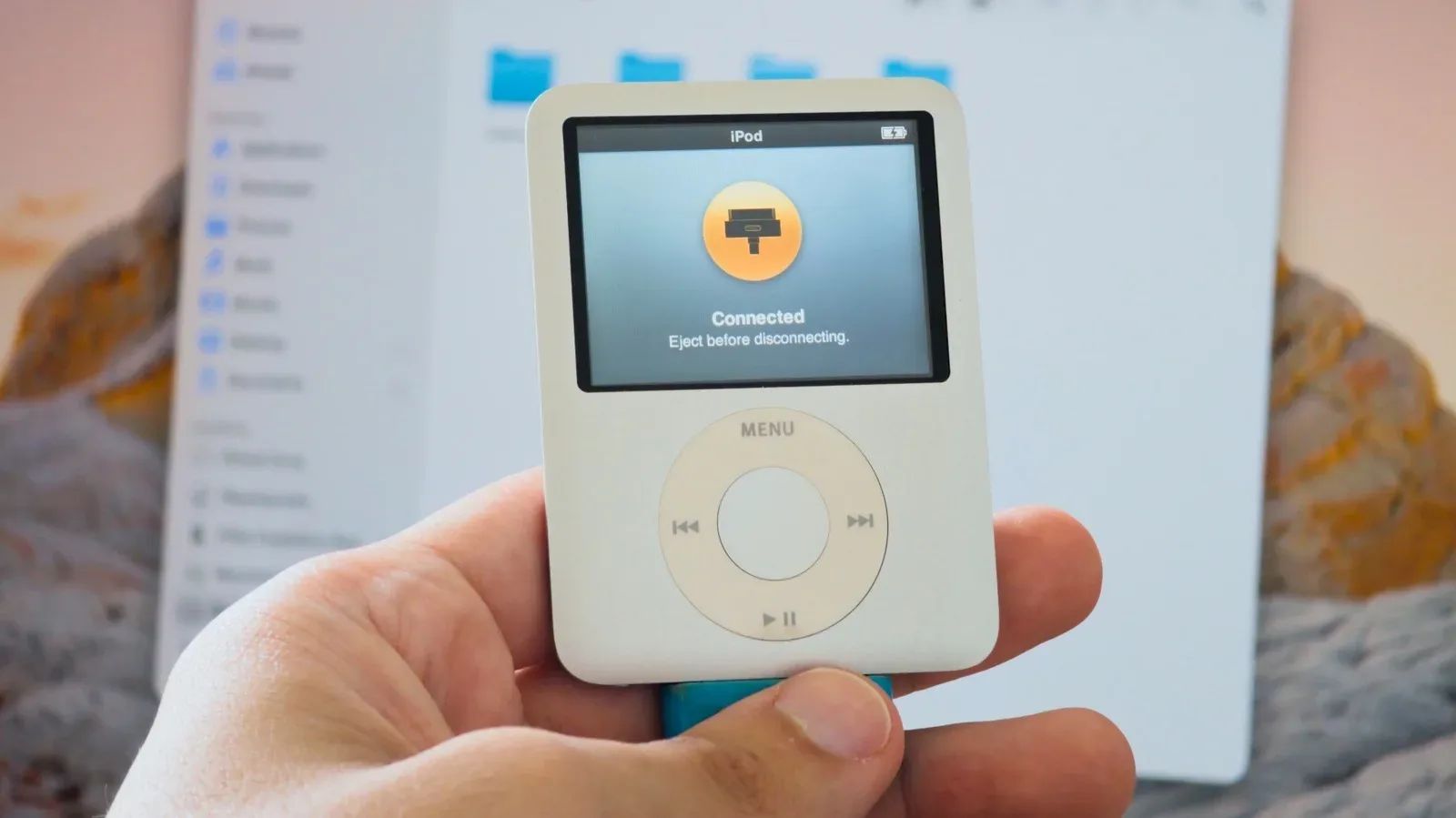
That distinction matters when shopping for an upgrade. Adding storage may help a crowded game library, but it does not substitute for system memory when a game or multitasking workload needs more RAM. For a related reminder that older portable hardware can serve as storage without becoming a speed demon, see this look at using an old iPod as a USB drive.
The current squeeze also involves high-bandwidth memory, or HBM. HBM is a specialized kind of DRAM designed to move data at very high speeds and with very wide connections. That makes it valuable for the immense compute workloads associated with training and operating AI models. Data-center operators need a great deal of it, and demand is reported to be outstripping supply.
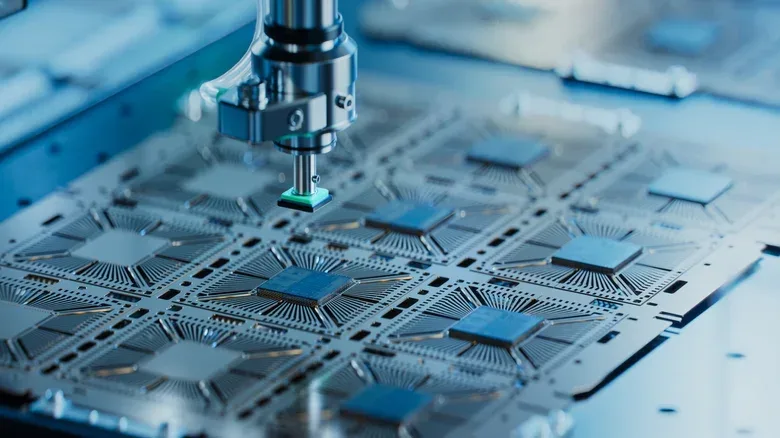
HBM is not simply an isolated premium product that can expand without affecting the rest of the memory business. It competes for manufacturing capacity, including wafer capacity, with other memory products. A wafer is the thin disc of semiconductor material on which chips are manufactured. Capacity refers not merely to floor space, but to the production tools, processes, materials and time required to turn wafers into working memory. Redirecting that capacity toward one product leaves less available for another.
For suppliers, the business incentive is clear. HBM reportedly sells for roughly 30% more than conventional DRAM. With AI customers seeking large, long-term allocations and paying a premium, memory producers have reason to favor advanced data-center products over parts feeding consumer hardware. That is rational for the suppliers, but it is not particularly comforting for somebody who only wanted a graphics card before the next big release date.
Transitioning memory generations adds another wrinkle
The industry was already managing a transition from DDR4 to DDR5 memory. DDR, short for double data rate, is a standard family for system memory; DDR5 is a newer generation than DDR4. Changing production priorities and manufacturing lines during a standards transition can make supply less smooth, especially when demand is high.
On the HBM side, suppliers are also moving toward newer HBM4 and HBM4E products. A transition does not mean every previous-generation chip suddenly disappears, but shifting production to a newer technology adds complexity at exactly the point that buyers are asking for more capacity. The result is a compound problem: conventional memory demand remains significant, AI-focused HBM demand is surging, and manufacturers are changing the mix of products they make.
One projection has HBM approaching 30% of total DRAM production in 2027, up from 20% the prior year. Some expectations put it close to 40% by 2029. Separate projections say AI data centers could consume about 70% of global DRAM supply this year. Those figures are forecasts, not guarantees, but together they illustrate why consumer buyers are worried. Even if a gaming PC does not use the same exact memory configuration as an AI server, both markets depend on an industry with finite manufacturing resources.
The painful numbers gamers can see
Price pressure can feel abstract until a flagship card’s listing makes a high-end monitor look inexpensive. Nvidia’s GeForce RTX 5090 launched in January 2025 with a suggested price of $1,999. A chip-price tracker cited in the reporting found the card retailing at $4,920 above that suggested price. That is an extraordinary gap, and it is worth treating it as a snapshot rather than a universal price for every retailer or region. Still, it captures the severity of the market when top consumer hardware is scarce.
Regional pricing can make the damage worse. Some gaming GPUs in Japan have reportedly been priced about 41% above comparable American pricing. Exchange rates, distribution, local taxes and retailer behavior can all affect international prices, but constrained supply gives every regional complication more room to hurt.
The knock-on effects may not stop at graphics cards. Available reporting points to increases in prices for video-game consoles and laptops, alongside a decline in PC shipments. It also indicates that the consumer price index for software and accessories rose by nearly a quarter over two years. Those are different product categories with different supply chains, so they should not be collapsed into one simple “RAM caused every price increase” story. The more defensible reading is that a memory shortage adds cost and scarcity pressure across an electronics ecosystem already exposed to many other business decisions.
Resale activity adds another layer. PlayStation 5 Pro listings from a major games retailer have been marketed at roughly $500 above MSRP. A resale or elevated retail listing is not proof that every unit will sell at that number, nor does it establish a single cause. It does show how quickly limited supply can create openings for higher asking prices, especially when buyers feel they may have to pay now or wait indefinitely.
Why new factories do not immediately rescue the market
Memory production is highly concentrated. Micron Technology, Samsung Electronics and SK Hynix account for about 90% of global DRAM output. That concentration means decisions by a small number of companies have outsized consequences for the rest of the hardware market. All three are expanding capacity, but expanding a semiconductor operation is a long project rather than a switch someone flips after reading a nasty forum post.
There is another catch: additional capacity does not automatically become affordable consumer DRAM or graphics-card memory. Suppliers decide what to produce with the capacity they have, and long-term data-center contracts create powerful reasons to prioritize HBM. Micron has ended direct-to-consumer sales in order to concentrate resources on AI production, a stark example of how the market’s center of gravity has shifted.
Forward sales make the timeline look tougher. Micron has reportedly sold 75% of its 2027 HBM output, at prices described as higher than 2026 prices. Samsung has reportedly sold nearly 80% of its 2027 memory output, with around 70% covered by five-year contracts. Pre-selling production does not mean there is literally nothing left for consumer devices. It does mean a substantial portion of future supply is already spoken for, limiting the flexibility that could otherwise ease a sudden rise in consumer demand.
Senior figures at memory makers have warned that 2027 and 2028 could be tighter than 2026. Another industry estimate suggests wafer production may remain 20% behind demand until at least 2030, and that constructing adequate supply could take four to five years. These statements are forecasts from parties operating in the market, not a binding calendar for prices. They nevertheless explain why a quick, painless return to plentiful bargain GPUs is difficult to assume.
Could the shortage still reverse?
Yes. A long squeeze is plausible, not inevitable. One view in the industry is that prices could level off next year if lower-cost Chinese alternatives arrive in meaningful volume. There is also a more fundamental uncertainty: AI demand is driving today’s investment, but the future market depends on whether that demand remains large enough to justify all the capacity being built.
Some analysts have raised the opposite scenario, arguing that a substantial wave of new supply in 2029 could turn memory into a fiercely competitive, oversupplied market. That possibility caused a sharp reaction in memory-related stocks when it was aired in October 2026. Meanwhile, Nvidia chief Jensen Huang has argued that memory demand can continue to absorb additional supply. The disagreement is revealing. Both shortage and surplus narratives acknowledge the same enormous buildout; they differ on whether demand will keep sprinting once more capacity arrives.
For gamers, the practical implication is restraint rather than panic. A specific listing far above MSRP is not automatically a sensible purchase just because it is available. Compare complete-system prices with standalone GPU prices, assess whether an existing machine still meets the games you actually play, and separate a necessary replacement from a performance luxury. A modest RAM upgrade may improve an older system’s usability, but it will not turn an aging GPU into a modern flagship. Likewise, a costly flagship card may offer little value if the rest of the system or the display cannot make meaningful use of it.
Most importantly, avoid treating any single projection as destiny. The evidence supports a serious memory-capacity crunch, a major AI-driven shift in supplier priorities, and substantial risks of extended high prices. It also supports genuine uncertainty over the eventual endpoint. For now, the consumer GPU market is fighting a boss with a very large health bar—and the boss is made of memory contracts.