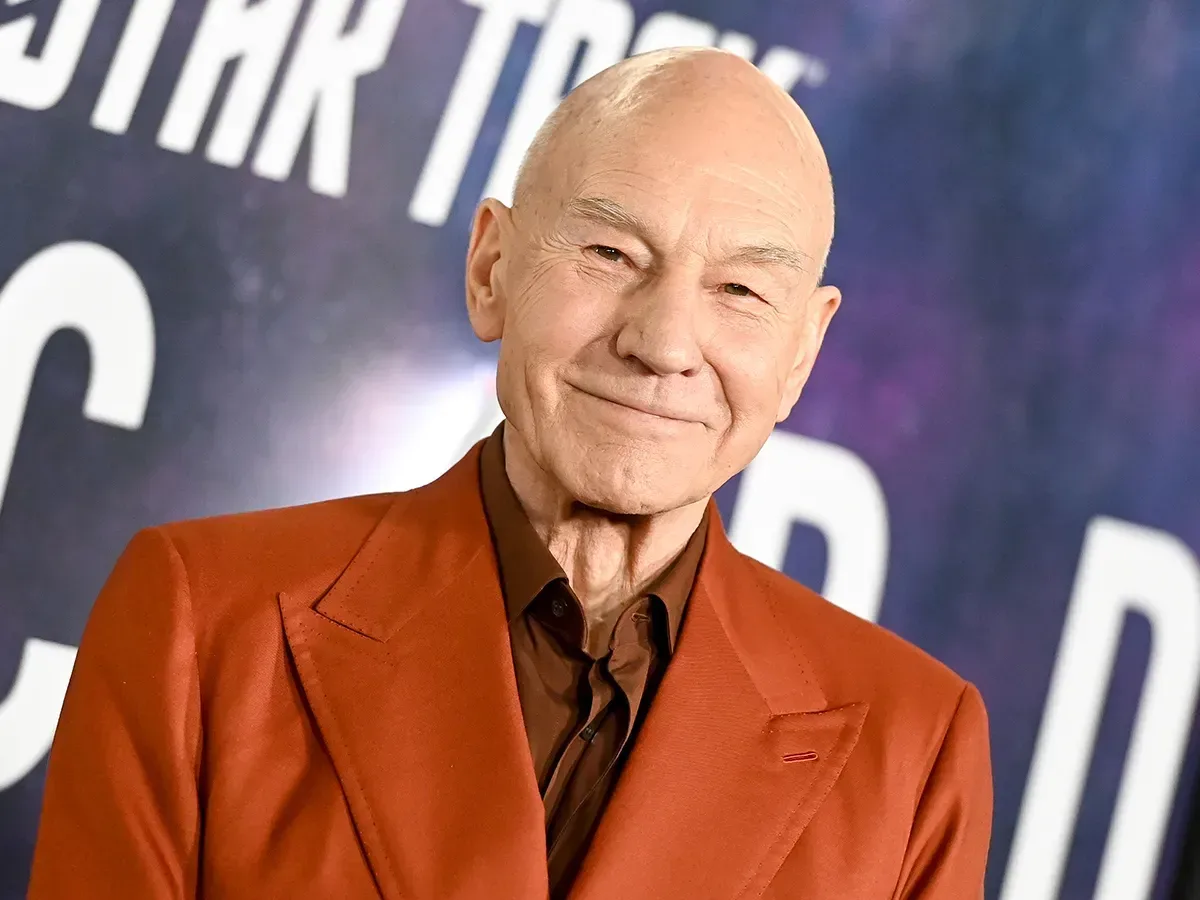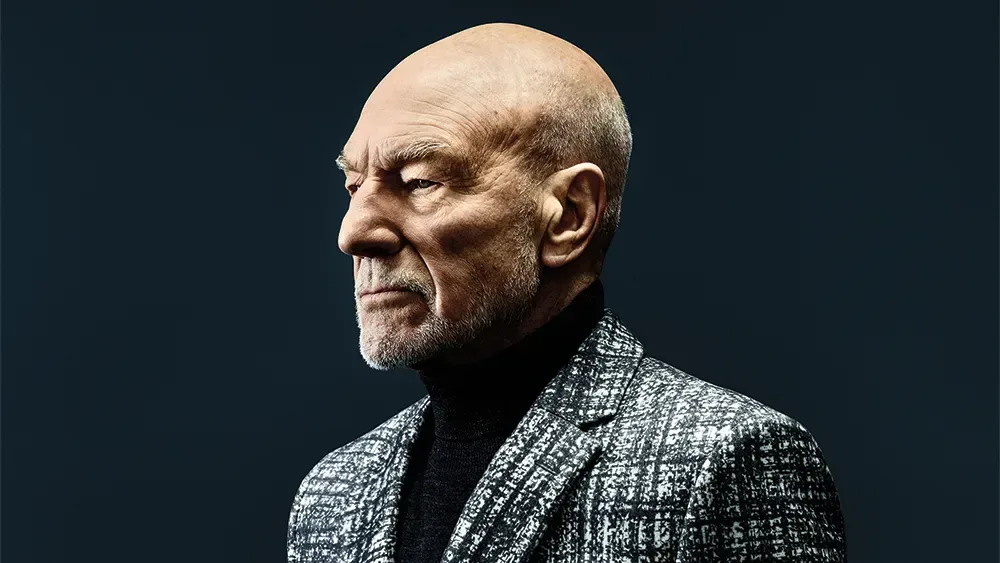
Posts mourning Sir Patrick Stewart spread rapidly online on October 29, with fans sharing memories of Captain Jean-Luc Picard, Professor Charles Xavier, Shakespeare performances and his work in The Elder Scrolls IV: Oblivion. However, the material available here consists of social-media reactions and repeats a claim that Stewart died at 86; it does not include an official statement, confirmation from a representative, or another independently verifiable record establishing that the claim is true.
That distinction matters, particularly when an actor’s name and career have generated an immediate, emotional wave of tributes. Until reliable confirmation is available, reports of Stewart’s death should be treated as unverified rather than repeated as established fact.
A flood of grief, and a need for care
The reaction collected in the supplied material is unmistakably heartfelt. People remembered Stewart as Picard, the measured Starfleet captain at the center of Star Trek: The Next Generation; as Charles Xavier in the X-Men films; and as Aelius Sejanus in I, Claudius. Shakespeare passages, Star Trek references and recollections of his public humor all appeared alongside the mourning posts.
Those posts describe the scale of Stewart’s cultural presence rather than independently verify the event that prompted them. Online grief can be sincere even when the underlying news has not yet been confirmed. In fast-moving entertainment news, a high volume of posts is not the same thing as evidence: a claim can be repeated thousands of times while still tracing back to an unverified origin.
For readers and fans, the most useful practical rule is simple: pause before sharing a death report, look for a direct statement from a family member, representative or established official channel, and be especially cautious of screenshots or posts that provide no traceable confirmation. The urge to join a communal moment is understandable; accuracy is still part of respecting the person at its center.
Why gamers are remembering Emperor Uriel Septim
For video game players, Stewart’s credited role in The Elder Scrolls IV: Oblivion is the immediate connection. He voiced Emperor Uriel Septim, a character identified in the material as part of the game’s cast. The role is a reminder that celebrity voice work can leave an unusually durable mark in games: a performance is not limited to a single scene watched once, but becomes part of a world players revisit, quote and remember through their own choices.
Voice acting is also a technical storytelling tool, not merely a familiar name on a cast list. In a role-playing game, the actor’s cadence, authority and emotional restraint help establish the stakes of dialogue before a player has spent much time with the character. A voice associated with command or gravity can make a fictional ruler feel immediately legible, while the words themselves carry plot and world-building information.
That is likely why the posts about Uriel Septim sit naturally beside memories of Picard and Xavier. These are different genres and formats, but each role relies on a recognizable quality of performance: composure, precision and the ability to make leadership sound persuasive rather than merely declarative. It is a meaningful connection for players, but it is not confirmation of the circulating claim.
What the posts do and do not establish
- They establish that numerous users were publicly mourning Stewart on October 29.
- They establish that fans associate him with Star Trek: The Next Generation, the X-Men films, I, Claudius and Oblivion.
- They do not, by themselves, establish a verified cause, date or confirmation of death.
- They also do not verify claims about what could be Stewart’s final film appearance.
A career remembered across very different audiences
The breadth of the response is notable. Some tributes focus on Stewart’s science-fiction roles, while others point to dramatic and theatrical work. One remembrance highlights Sejanus, the Roman political operator in I, Claudius, precisely because it contrasts with the principled figures for which Stewart is widely known. Another recalls his appearance in Jeffrey, an independent comedy about gay men with AIDS, and frames that role as personally meaningful representation.
There are also posts focused on the lighter parts of his public persona: an image described as Stewart in a lobster costume, an account of an unannounced appearance with an improvised Shakespeare group, and recollections of playful moments associated with Star Trek. Taken together, they explain why a rumor about him could travel so quickly. He is not attached to a single fandom or age group; different communities know him through different performances.
But a wide-ranging body of work is also why responsible phrasing is essential. A false or unconfirmed death report does not merely mislead one fan base. It reaches people who know the actor through television, film, theatre and games, then asks each of those communities to process grief before the basic facts have been established.
How to handle unverified celebrity-death posts
When a claim concerns a public figure, speed can feel like service. It is often the opposite. The following checks can help readers avoid amplifying misinformation:
- Find the original confirmation. A post that says “breaking” or “rest in peace” is a reaction, not necessarily a report. Look for a statement directly attributable to an authorized party.
- Check whether details are consistent. Claims that lack a clear date, location, representative statement or other verifiable information should not be upgraded into certainty simply because they are widely shared.
- Separate tribute from verification. A quote, artwork or personal memory may be moving and authentic, while the factual claim accompanying it remains unverified.
- Avoid adding new claims. Do not infer a cause of death, final project, family response or other details absent from confirmed information.
- Correct carefully if needed. If you have shared a report too quickly, update or remove it plainly rather than letting an inaccurate version continue circulating.
The same standard applies to gaming news, where release dates, shutdown rumors, layoffs and studio reports can similarly race across social feeds before documentation catches up. Recent reporting can involve genuinely specific claims, such as the reported November 5 arrival of Assassin’s Creed Valhalla New Game+, but readers still benefit from distinguishing what has been announced, what has been reported and what remains uncertain.
The right response is to verify first
The available material captures real affection for Patrick Stewart’s work and an understandable outpouring from people who have lived with those performances for years. For gamers, Uriel Septim is part of that legacy; for others, Picard, Xavier, Sejanus and theatre work are the defining touchstones.
At present, though, the supplied evidence does not independently substantiate the death claim at the center of those tributes. The appropriate response is not to dismiss the sentiment behind the posts, but to avoid presenting the claim as fact until it is properly confirmed.