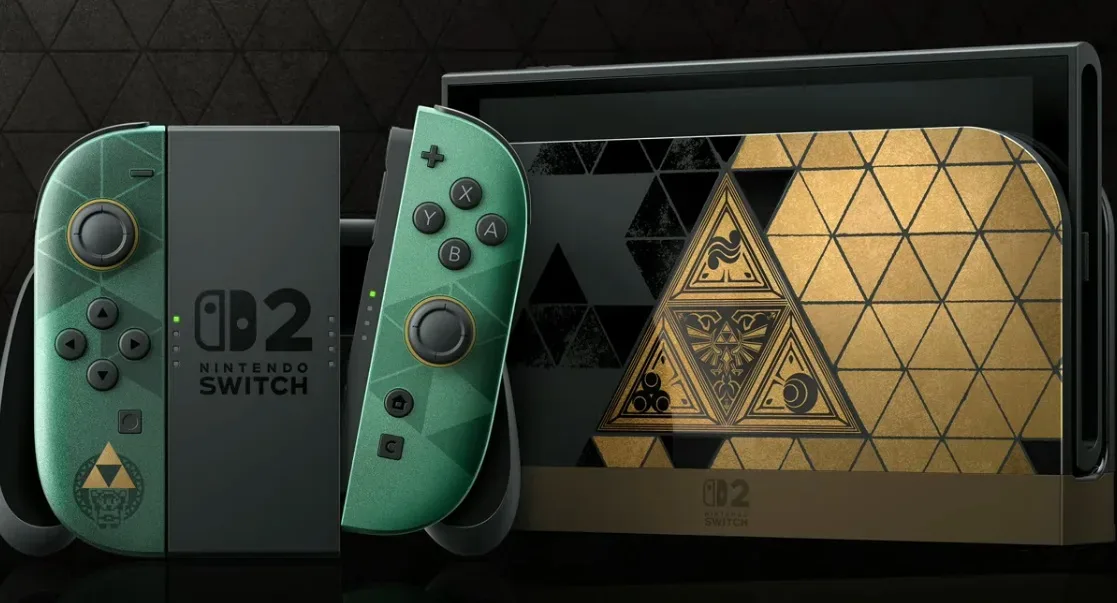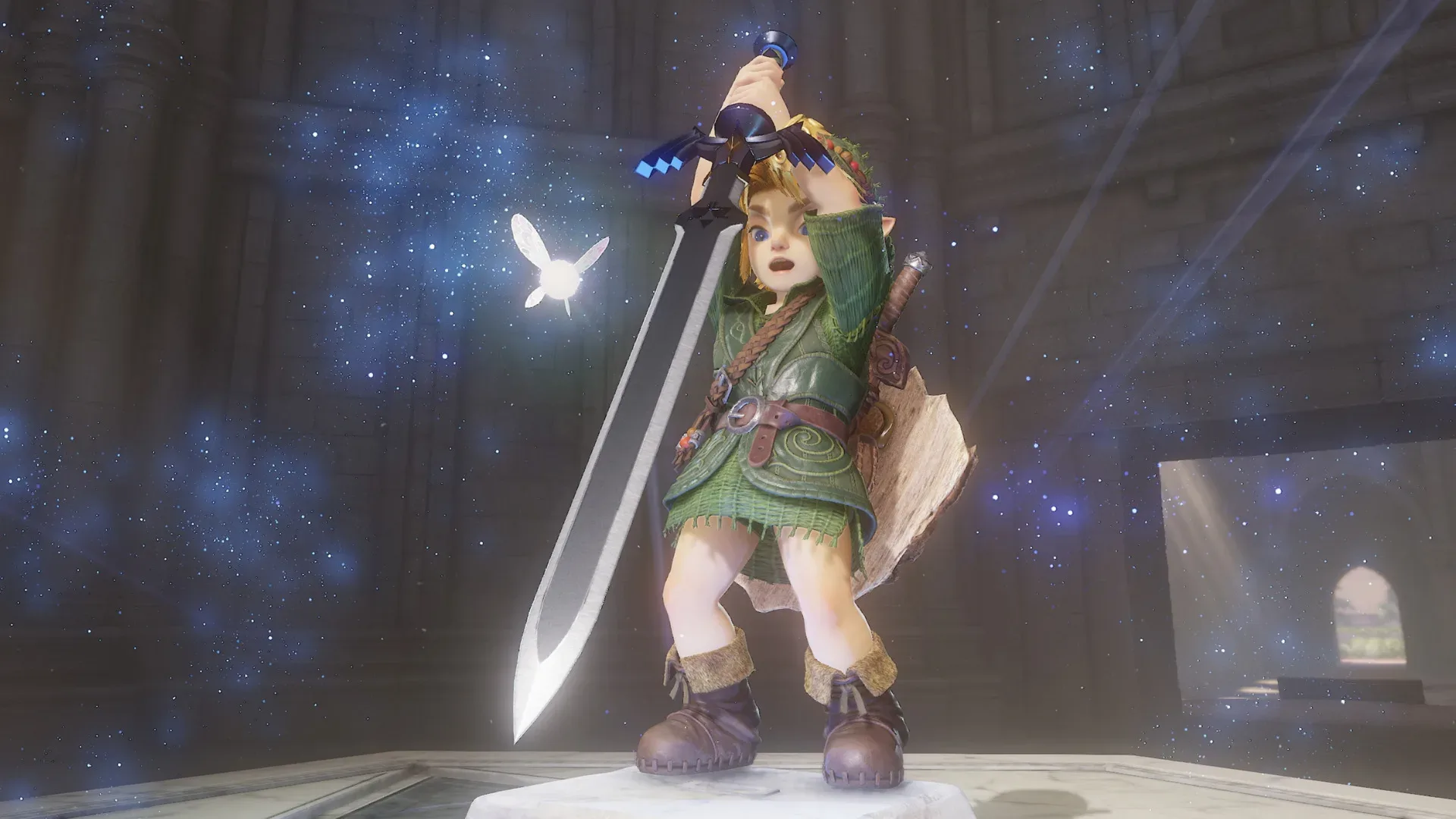
Buyers waiting for a Triforce-adorned, The Legend of Zelda-themed Switch 2 have reported an especially painful preorder outcome: cancellation emails arriving just one day before their consoles were meant to reach them.
The messages reportedly described the delivery order as out of stock. That is a frustrating result at any point in a purchase, but it lands differently for a preorder. A preorder is generally understood by customers as a reservation made against a retailer’s anticipated allocation, particularly when the item is a limited-edition console bundle tied to a major release. In this case, affected customers believed they had secured hardware in advance, only to learn near the expected delivery date that no unit would be sent.
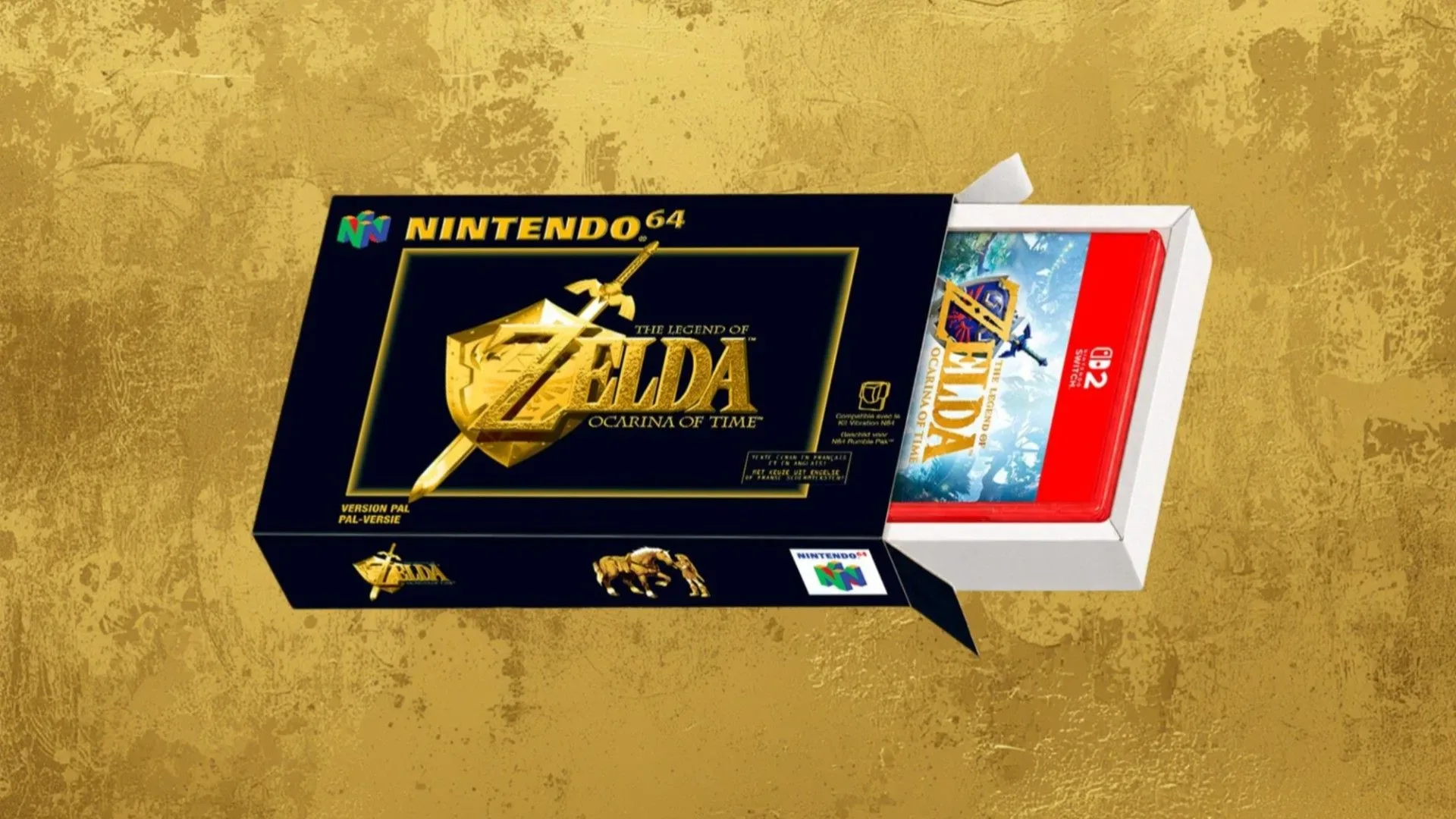
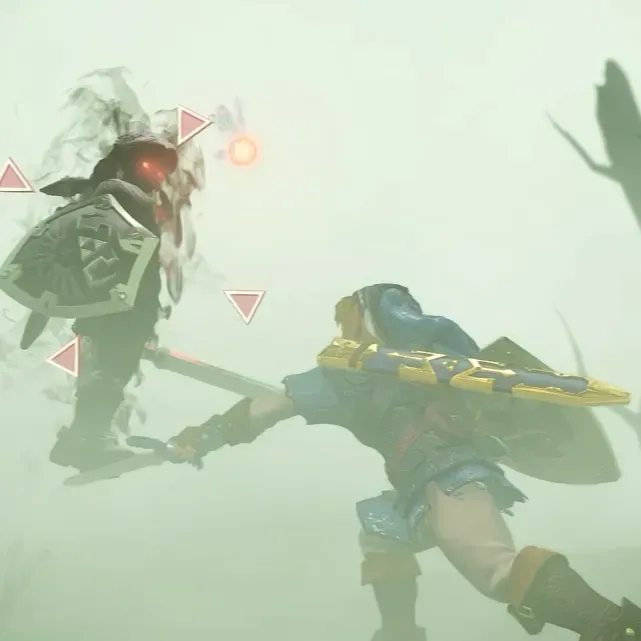
The timing matters. The Zelda-themed Switch 2 is associated with the upcoming Ocarina of Time remake, which is set to launch on November 5. For players and collectors who wanted the system in hand ahead of that release, a last-minute cancellation leaves little room to make alternate plans.
What affected buyers say happened
Posts from buyers describe Walmart delivery orders being canceled because stock was unavailable. Some customers who contacted support say representatives told them that preorders had been oversold, leaving no console available to fulfill their particular order.
That claim should be treated as a report from individual customer-service interactions rather than a detailed public explanation of Walmart’s inventory process. Still, it captures the core complaint: customers who placed reservations early feel that a confirmed preorder should not turn into an out-of-stock order at the moment it is supposed to ship.
“They shouldn’t allow pre-orders beyond what they can stock,” one affected buyer wrote, arguing that the cancellation had also prevented them from pursuing competing retailers while stock may have been available.
That concern is practical rather than merely rhetorical. A preorder can require a customer to commit attention, payment authorization, and time to one retailer. When demand is high and availability is limited, choosing one store often means passing on another opportunity. If the first order is canceled at the last minute, the customer may encounter a market where official inventory has disappeared and resale listings are the most visible remaining option.
Why an “out of stock” cancellation feels different for a preorder
“Out of stock” normally describes a product that a shopper is attempting to buy after the retailer’s sellable inventory has already been depleted. A preorder is different in expectation, even if a retailer’s terms may still permit cancellation or changes to an order.
Related coverage includes Walmart Switch 2 Zelda Bundle Preorders Reportedly Canceled Just Before Delivery.
In plain terms, an allocation is the quantity of a product a retailer expects it can sell and fulfill. A retailer may open preorders based on an allocation it has received or expects to receive. An oversell occurs when accepted orders exceed the inventory ultimately available to fulfill them. The reported cancellations suggest that some customers believe that is what happened here.
There can be many moving parts in retail fulfillment, but the reports available do not establish precisely where the breakdown occurred, how many Zelda-themed Switch 2 orders were affected, or whether every cancellation stemmed from the same cause. What is clear is that the affected buyers received notices too late to regard their preorders as dependable reservations.
For limited hardware, reliability is as valuable as the initial listing itself. A preorder is not simply a way to avoid clicking quickly on release day; it is the retailer’s opportunity to tell shoppers that a planned purchase has a place in its fulfillment pipeline. When that confidence breaks down, buyers are left to search again under worse conditions.
The $700 listing does not necessarily represent Walmart’s price
Compounding the anxiety, the console has reportedly appeared at $700 while shown as out of stock on Walmart’s site. That figure is nearly $200 above the price at which the affected customers initially placed their preorders.
However, a listing displayed on a large retailer’s website is not automatically a direct sale from that retailer. Marketplace platforms can host third-party sellers: independent merchants using the retailer’s storefront infrastructure to list products. A third-party seller may set its own price, which can be dramatically higher than the original retail listing when a product is scarce.
That distinction is crucial. The presence of a $700 listing does not, by itself, prove that Walmart raised the bundle’s price, nor does it establish who is selling a particular unit. It may be a marketplace listing from a third party seeking to capitalize on demand. Buyers comparing options should check the “sold by” information, the stated condition, the return policy, and whether the listing is actually in stock before assuming it is comparable to the preorder they lost.
The larger issue is perception. Seeing an expensive listing for a product that one’s lower-priced preorder has just failed to deliver can understandably make the cancellation feel even more alarming, regardless of whether the listing came from Walmart directly or from an outside seller.
What buyers can do after a late cancellation
The reports do not establish a guaranteed remedy, and buyers should be skeptical of anyone presenting an instant fix for a scarce console. But there are a few sensible steps that do not depend on paying inflated marketplace prices.
- Keep the cancellation notice and order details. Save the email, order number, original listing price, and timestamps. Those records are useful when asking customer support to explain the cancellation or confirm whether a replacement can be offered.
- Ask a precise question. Rather than relying only on a broad complaint, customers can ask whether the order was canceled because of inventory, payment verification, address issues, or another order-specific reason. The reports in this case point to stock, but a buyer should obtain the explanation attached to their own order.
- Check who is selling any replacement listing. A listing on a familiar retail site may be sold by a marketplace merchant rather than the store itself. Confirm the seller and price before buying.
- Avoid treating resale pricing as the only option. A high listing price reflects what a seller is asking, not necessarily the value a buyer has to accept. Buyers who do not need the hardware immediately may prefer to watch for conventional retail availability rather than reward scarcity pricing.
- Look for community reports, but verify them independently. Discussions among other customers can identify patterns and possible next steps. They are useful for awareness, not a substitute for checking the details of one’s own order and retailer communication.
For people who are primarily trying to be ready for November 5, it may also help to separate the desire for the themed system from access to the game itself. The reports center on a specific Zelda-styled Switch 2 bundle, a product whose appeal includes its limited-edition presentation. That makes it more emotionally and practically difficult to replace than a standard purchase, but it also means buyers should be especially careful not to let disappointment force a rushed, expensive decision.
A familiar preorder problem with unusually bad timing
Some customers discussing the situation point to previous experiences with canceled preorders at the retailer. Those anecdotes do not demonstrate that every Walmart preorder is at risk, and they do not reveal the operational details behind these Zelda-themed Switch 2 cancellations. They do show why a late stock cancellation resonates beyond this one product: shoppers remember whether a reservation actually resulted in an item arriving.
In a healthier preorder experience, the customer receives a clear sequence: order placed, payment authorization handled, shipment prepared, and delivery completed. A cancellation can occur, but the closer it is to delivery, the less useful the original preorder becomes. By the time buyers are told that stock is unavailable, they may have missed the period when other retailers had inventory at the original price.
The episode is also a reminder to distinguish between a retailer storefront and a wider online marketplace. A product page can look like a familiar store listing while presenting offers from outside merchants. That structure can be convenient when it expands selection, but it can make a shortage feel murkier when the original retailer-facing order fails and much higher offers remain visible on the same site.
For more Switch-related coverage, see our report on Lost and Found Co. coming to Switch.
At present, the key facts remain limited but consequential: several buyers report that their Zelda-themed Switch 2 preorders were canceled a day before expected arrival; the notices said the orders were out of stock; and customer accounts attribute the problem to oversold reservations. Until affected shoppers receive a more complete explanation or a replacement fulfillment option, the safest response is to document the order, scrutinize marketplace offers, and avoid assuming that a high-priced listing is either official retail stock or the only path to owning the bundle.