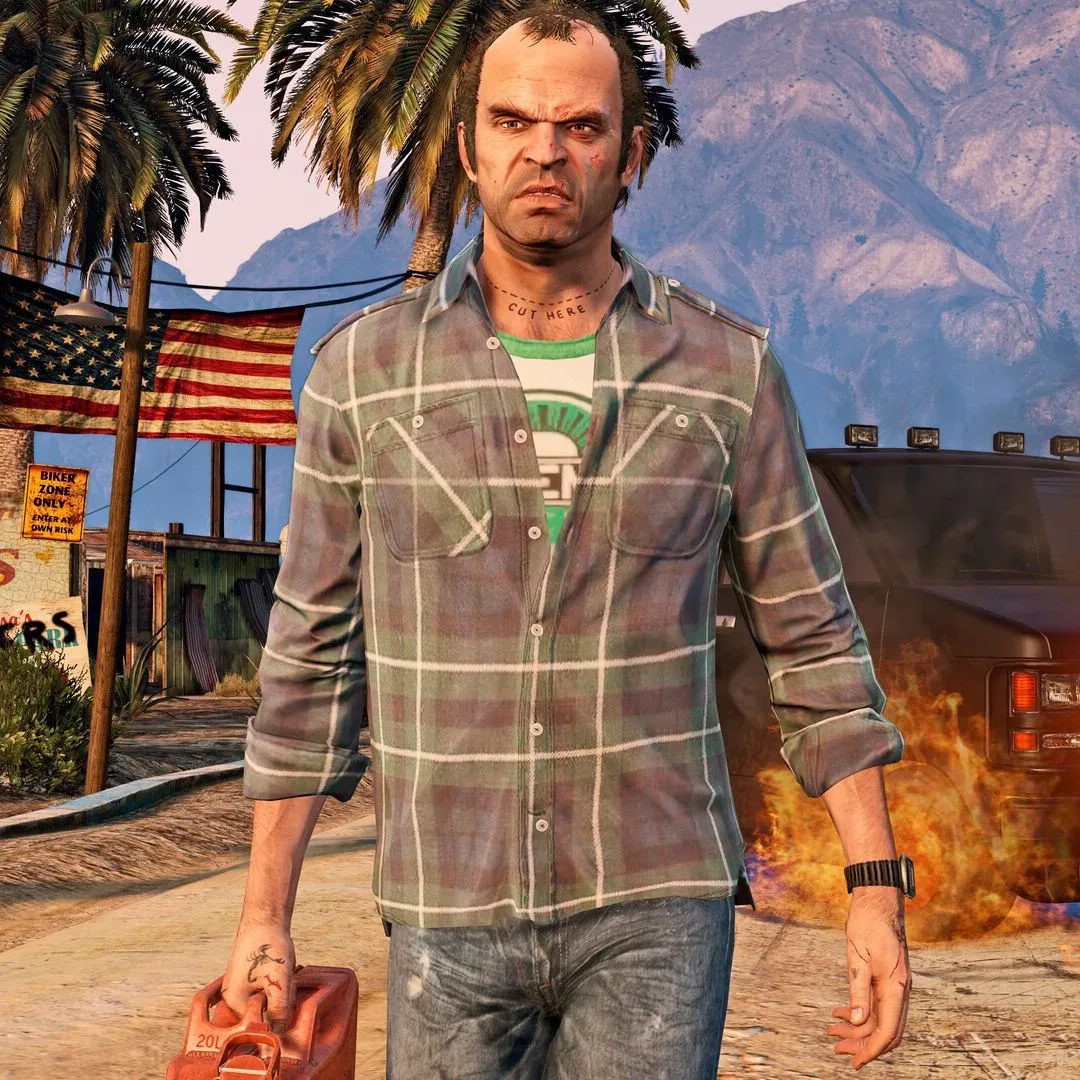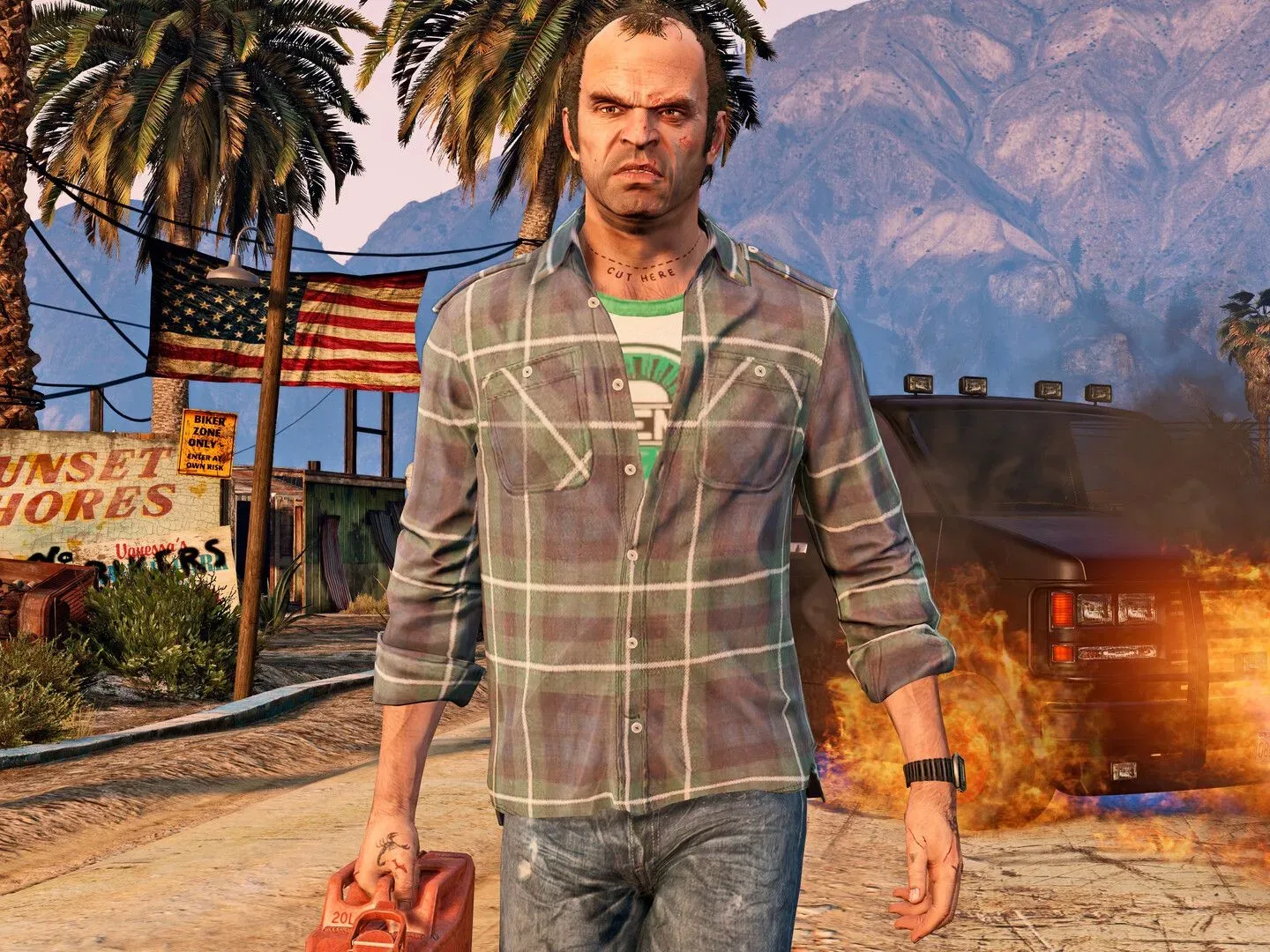
An unofficial effort to bring Grand Theft Auto 5 to Nintendo’s original Switch is coming to an end. Paralympics Productions, the group behind the project, says it will shut down on October 3 following action from Take-Two Interactive, Rockstar Games’ parent company.
The project lead, who uses the name Mojso, said the team had expected its port to arrive within days. Instead, the work has been halted before any release. Mojso also stated that there will be no replacement project and no return for the group.
For players hoping for a native Switch version of GTA 5, the immediate practical result is straightforward: this fan-made port should not be treated as an upcoming option. Rockstar has not officially released GTA 5 on the original Switch, and the company’s recently updated rules explicitly prohibit modifying its games to run on hardware or platforms where Rockstar has not released them.
What happened to the GTA 5 Switch project?
Paralympics Productions had publicly presented itself with a deliberately jokey “very serious game development studio” label, but its GTA 5 Switch work was a real in-progress porting effort. The group had revealed the project in August, then went quiet as Rockstar introduced stricter modding and porting guidance earlier in September.
That guidance is unusually direct on this point: it says users must not alter Rockstar games to operate on consoles, devices, or other platforms that have not received an official release from Rockstar. An unauthorized Switch version of GTA 5 falls squarely within that restriction.
Mojso’s later statement said Paralympics Productions would close on October 3, thanked supporters, and apologized for failing to deliver the planned release. In follow-up comments, Mojso characterized Take-Two’s response as merciful and acknowledged that the company had strong grounds to object.
There is an important distinction in what has and has not been made public. Mojso’s comments indicate Take-Two took action that ended the project, but they do not establish the full nature or terms of that action. It would be speculation to describe it as a lawsuit, settlement, or a particular type of legal order. What is clear from the public statements is the outcome: the project is ending, and its lead does not intend to release new work connected to it.
Why Rockstar’s updated policy matters
Modding broadly means modifying a game’s files, code, assets, or behavior. Mods can cover a wide range of work, from visual changes and custom missions to technical alterations. A port, however, is specifically an adaptation intended to make software run on a different platform.
Related coverage includes Unofficial GTA 5 Nintendo Switch Port Project Ends After Take-Two Action.
That difference is central here. A GTA 5 modification used on a platform where Rockstar already sells the game is not automatically the same thing as rebuilding or adapting GTA 5 to work on a console that lacks an official version. Rockstar’s policy language addresses the latter directly: it prohibits modifications that make the company’s games function on unapproved platforms.
The policy also leaves little room for fans to interpret an unofficial console port as an acceptable extension of ordinary modding. Regardless of technical ambition, an unauthorized port would distribute or enable access to a Rockstar game in a new hardware environment outside Rockstar’s own release plans and platform arrangements.
That clarity matters beyond one GTA project. Fan developers and communities sometimes use “mod,” “demake,” “port,” and “fan version” loosely, but the labels do not erase what a project actually does. If the aim is to make a proprietary game operate on hardware its owner has not supported, the activity now conflicts explicitly with Rockstar’s stated rules.
The broader industry conversation around fan work, preservation, and platform access often gets tangled because these projects can contain genuine technical craftsmanship. That craftsmanship does not by itself create permission to adapt or distribute a commercial game. In this case, the policy language and the project’s closure point in the same direction.
The leaked-code complication
The Switch-port effort sits in an especially sensitive area because GTA 5 source code had leaked. A game’s source code is the human-readable programming material used to build its software. It is not the same as the finished game players install and run; it is the underlying development material from which a program can be compiled.
Access to source code can make technical investigation and adaptation dramatically easier than working only with a finished retail release. It can expose systems, functions, and platform assumptions that are otherwise hidden inside compiled software. But a leak does not turn that material into authorized development tools, nor does it grant rights to use it for a new version of a game.
Modders had already demonstrated GTA 5 running on Switch hardware in 2024 after the source-code leak. That earlier milestone helps explain why fans could view the new effort as technically plausible. Technical plausibility, though, was never the same as an official product path. The recent shutdown illustrates the gap between “it can be made to run” and “it can legally remain available.”
It is also why audiences should be cautious around claims of unfinished builds, downloads, mirrors, or last-minute releases tied to the project. Mojso said the team will not release anything new. With the project ending following rights-holder action, fans should not assume that alleged files or posts circulating elsewhere are legitimate, safe, complete, or connected to the original developers.
What this means for Switch owners
There is no newly announced official GTA 5 edition for Nintendo’s original Switch in this development. The project’s end should not be read as evidence that Rockstar has a Switch release waiting in the wings, nor does it provide a timetable for any official port on current or future hardware.
It does mean that Switch owners interested in GTA 5 should rely only on platforms and versions officially supported by Rockstar. The company’s updated guideline is a firm signal that unauthorised attempts to expand its games onto unsupported consoles are likely to face resistance rather than quietly coexist as community projects.
For mod creators, the event is a practical reminder to read a publisher’s current rules before committing substantial time to a platform-conversion project. Public enthusiasm, an impressive technical demo, or years of work do not change the status of an unlicensed port. When a policy specifically names ports to hardware without an official release, the risk is not abstract.
A familiar tension as GTA interest stays high
GTA 5 remains a focal point for experimentation while attention is fixed on the series’ next major entry. That enthusiasm can lead to inventive fan concepts, but it can also create demand for projects that rights holders are unlikely to permit. The original Switch port appears to have landed on precisely that boundary.
Take-Two’s action and Mojso’s response make the project’s status unambiguous: it is over, despite reportedly being close to release. Fans may be disappointed by the loss of a potentially striking technical achievement, but a working proof of concept was never a guarantee that the adaptation could be publicly released or sustained.
For more on how developers’ past decisions and internal details can shape game communities, see this look at a former Elder Scrolls designer’s account of a timeline typo and Dragon Breaks.