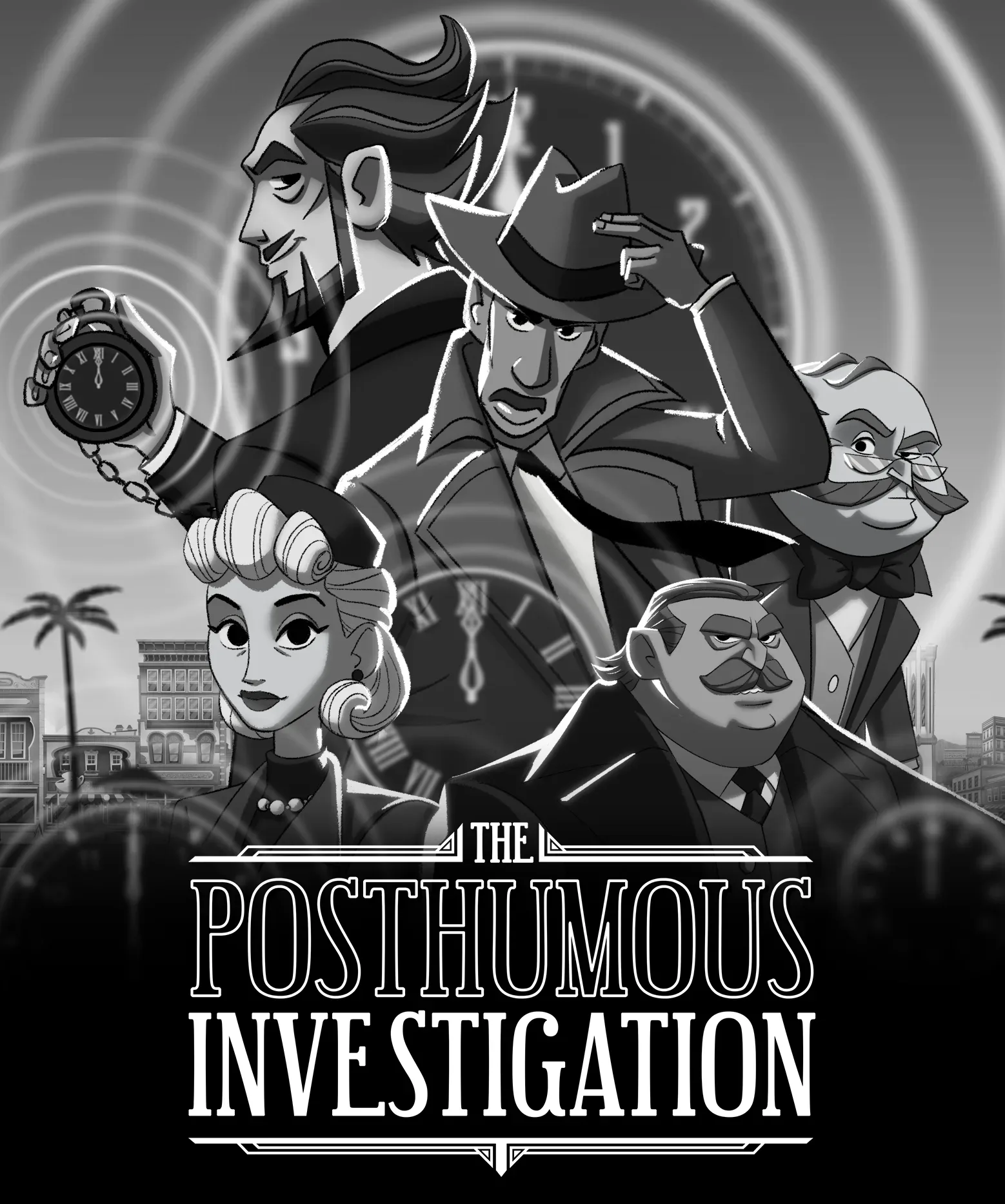
The Posthumous Investigation is now available for Nintendo Switch and Android, bringing its noir murder mystery and repeat-the-day investigation structure to new platforms. Publisher Critical Leap and developer Mother Gaia Studio’s game is also available on Steam, while an iOS version is planned for a later release.
Its premise begins with a distinctly grim assignment: a private investigator is hired by an entrepreneur who is already dead. The detective has one day to identify the killer in a reimagined, noir-styled 1937 Rio de Janeiro. When that day ends, however, the investigation does not simply fail or conclude. The player returns to the start and can use knowledge gathered in prior loops to pursue different leads.
That setup puts information, rather than reflexes or a shrinking resource pool, at the center of progress. Each attempt can reveal another part of a suspect’s routine, a new conversation opportunity, or a useful contradiction to test in a later cycle. The game supports unlimited attempts, so the mystery is built around revisiting the same day with a more informed plan.
A murder case built around what the detective remembers
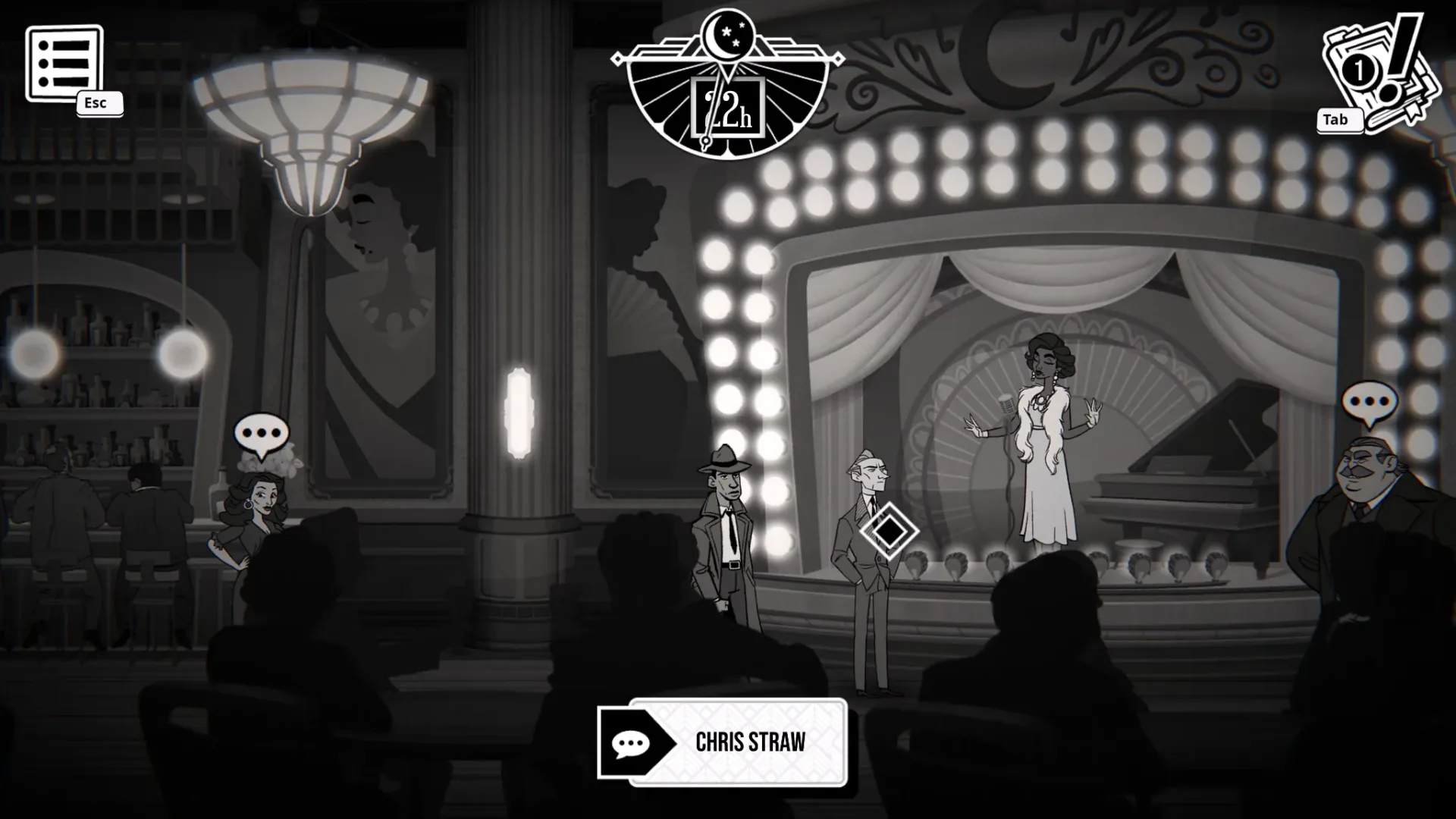
The case involves fourteen suspects. Each has their own routine, secrets, and possible motives. Players can observe and interrogate these characters, then make use of what they learn as the day begins again.
In practical terms, a time loop is a structure in which the world’s schedule resets while the player’s understanding carries over. Here, that means a lead that appears inaccessible in one run may become reachable in the next: the investigator may know who needs to be watched, when to approach a person, or which earlier discovery can open a more pointed exchange. The loop is not presented as a single puzzle with one prescribed attempt; it is the framework for gradually assembling the case.
The game also lets players manipulate suspects’ schedules. That system is important because routines are not just flavor for a detective story. A character’s movements determine who can see whom, what conversations can happen, and which windows of time might allow a confrontation or observation. Altering a schedule can therefore create an investigative opening that did not exist under the day’s original sequence of events.
Players organize clues and theories on a Thinking Board. The term describes the game’s dedicated place for tracking investigative information: evidence and deductions can be collected into a working picture of the case rather than left solely to the player’s memory. For a mystery designed around repeated runs, a board like this can provide a clear record of what has been established and what still needs proof.
Dialogue and confrontation change as knowledge grows
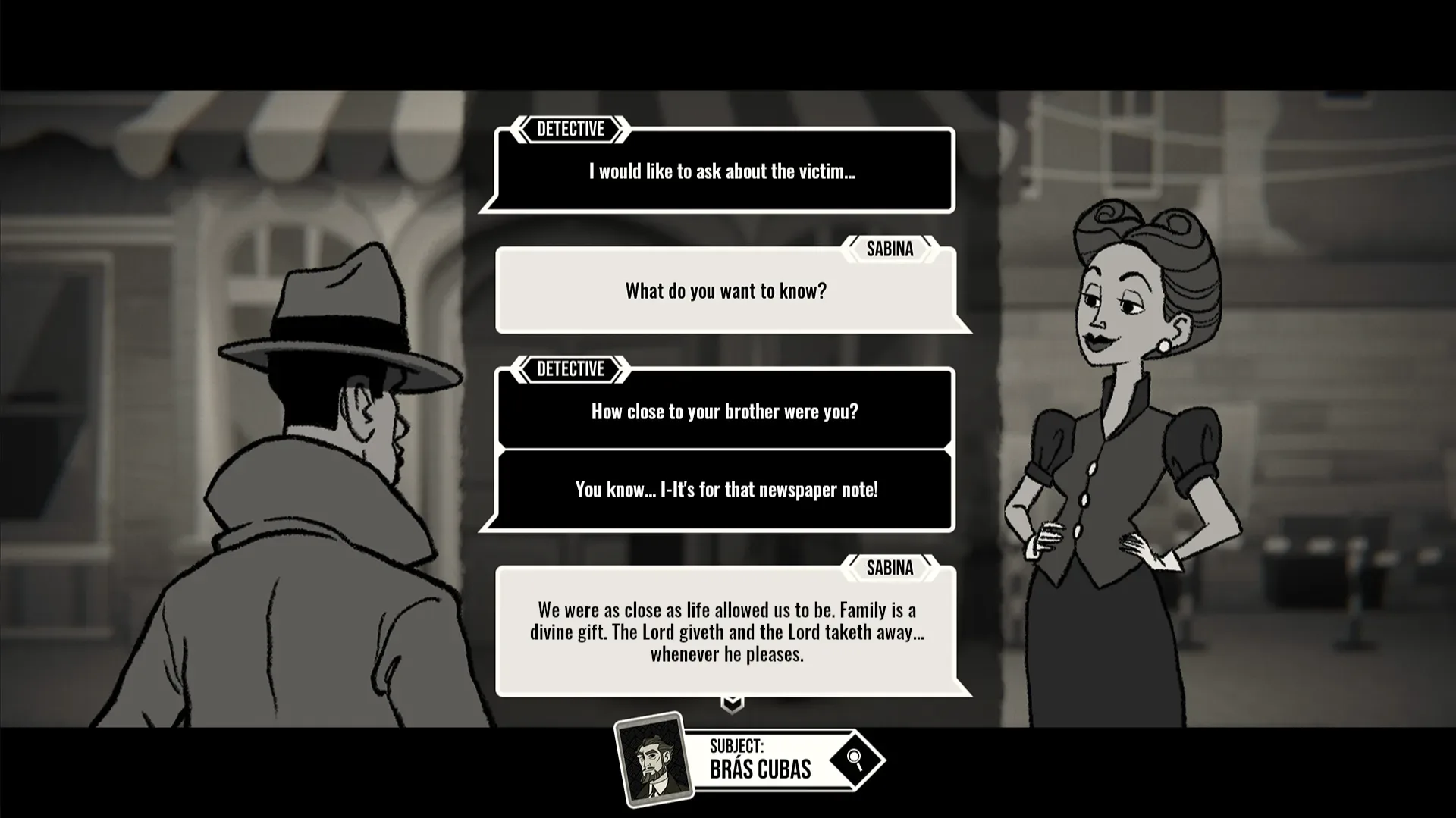
The Posthumous Investigation’s progression is tied to learning. As new facts emerge, additional dialogue paths and confrontations can be unlocked. This makes questioning suspects more than a one-time checklist. A seemingly ordinary conversation in an early loop may matter because it exposes a detail worth challenging later, after the investigator has found supporting evidence or observed a suspect elsewhere.
That distinction is central to the game’s detective approach. An interrogation is the act of questioning a suspect or witness. A confrontation, in this context, is a more direct interaction made possible when the investigator has enough information to press an issue. The announced feature set indicates that players will need to turn observation into actionable knowledge, then choose a future loop in which that knowledge can be used.
There is an appealing tension in that design. A single day sets a natural limit on what can be seen at once, but unlimited loops remove the pressure to solve everything perfectly on the first pass. Instead of treating a reset as a straightforward punishment, the structure can make it an opportunity to redirect attention. Players may spend one day following a single person’s routine, another testing a different theory, and a later loop arranging the conditions for a decisive meeting.
Analysis: The promise of a time-loop mystery rests on whether its clues form meaningful connections. The announced systems suggest that The Posthumous Investigation aims to make those connections through character schedules, evidence organization, changing dialogue, and new confrontations. The key appeal is the chance to feel more capable on every return to the same day—not because the world has become easier, but because the detective has become better informed.
1937 Rio de Janeiro through a Brazilian noir lens
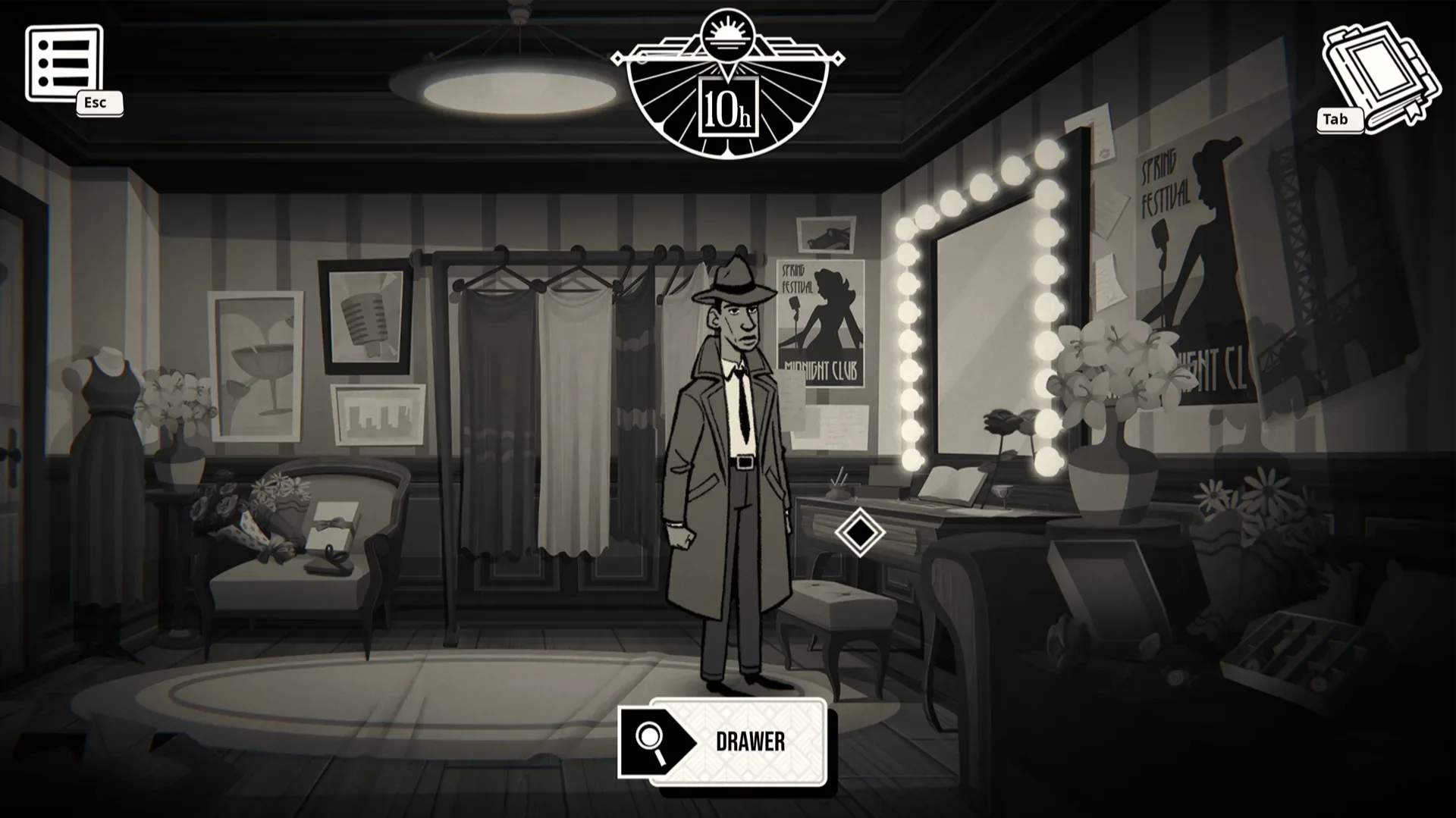
The story takes place in a stylized, hand-drawn version of Rio de Janeiro in 1937. Mother Gaia Studio describes the game as drawing inspiration from Brazilian storytelling while using the visual and dramatic language of noir.
Noir is a term often associated with crime stories defined by secrecy, moral uncertainty, danger, and investigations that expose concealed motives. It is a natural fit for a plot involving a private investigator, a murdered employer, and a circle of suspects whose routines and secrets must be untangled. The hand-drawn presentation positions the setting as an authored interpretation rather than a literal reconstruction, with its Brazilian inspiration serving as part of the game’s identity.
The setting also does more than provide period atmosphere. In a loop-driven mystery, the same spaces are repeatedly revisited. Their significance changes as the player understands more about where people are supposed to be, where they actually go, and which locations connect to emerging evidence. Returning to familiar streets and scenes can turn background details into possible leads.
What Switch and Android availability means for the investigation
The Nintendo Switch and Android releases make the full investigation available in formats suited to shorter play sessions as well as longer stretches of clue-chasing. The structure naturally accommodates stopping after a loop or returning with a new plan, though the game’s mystery still depends on keeping track of details across attempts. The Thinking Board is therefore a particularly relevant part of the package for players who may revisit the case over multiple sessions.
The Nintendo eShop rollout was scheduled for midnight, with Europe and Australia listed for a 2–3 p.m. local-time window. Availability may consequently appear at different moments depending on regional storefront timing. Steam is also listed as a current platform, while iOS remains marked as coming soon.
For mobile players looking for other games making the move to phones and tablets, DAVE THE DIVER’s worldwide iOS and Android release is another recent example of a game expanding its reach on those devices. The Posthumous Investigation approaches that audience from a very different angle: its focus is a contained narrative case where attention, timing, and deduction are the tools of the trade.
How to approach the first few loops
Although the investigation allows unlimited attempts, the game’s stated systems point to a few sensible priorities for a first run:
- Observe before trying to solve. The fourteen suspects have individual routines. Early loops can be used to establish who goes where and when.
- Record connections on the Thinking Board. Treat clues as possible relationships between people, places, motives, and timings, not merely isolated discoveries.
- Follow up on changed dialogue. New information can open paths that were unavailable earlier, so returning to a familiar character may be productive.
- Use schedule manipulation deliberately. Changing a routine should serve a theory: creating a meeting, separating a suspect from an alibi, or making room for an observation.
- Accept that a loop can be exploratory. Unlimited attempts mean a day spent learning one fact or studying one person can still advance the larger case.
Those are not guarantees of a solution, but they match the structure Mother Gaia Studio has outlined. The game’s mystery is designed to reward the gradual conversion of fragments into theories and theories into new lines of questioning.
Game director Bruno Toledo said the team had wanted to bring The Posthumous Investigation to additional platforms for a long time, and expressed the hope that the game could fit into players’ everyday routines while making its case feel closer at hand. With Nintendo Switch and Android now added alongside Steam, players can begin the detective’s repeatedly resetting day and decide which of the fourteen suspects deserves attention first.