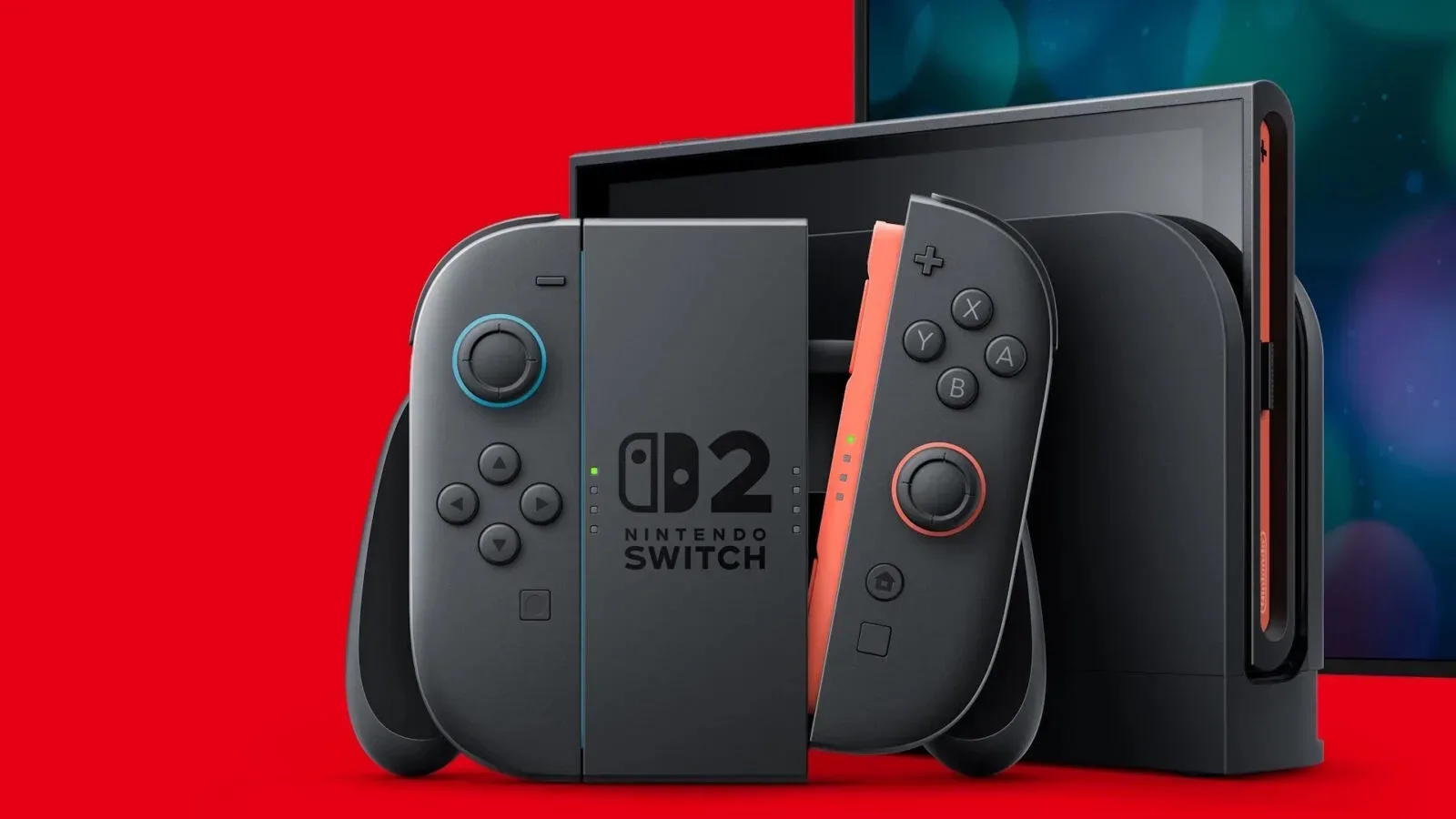
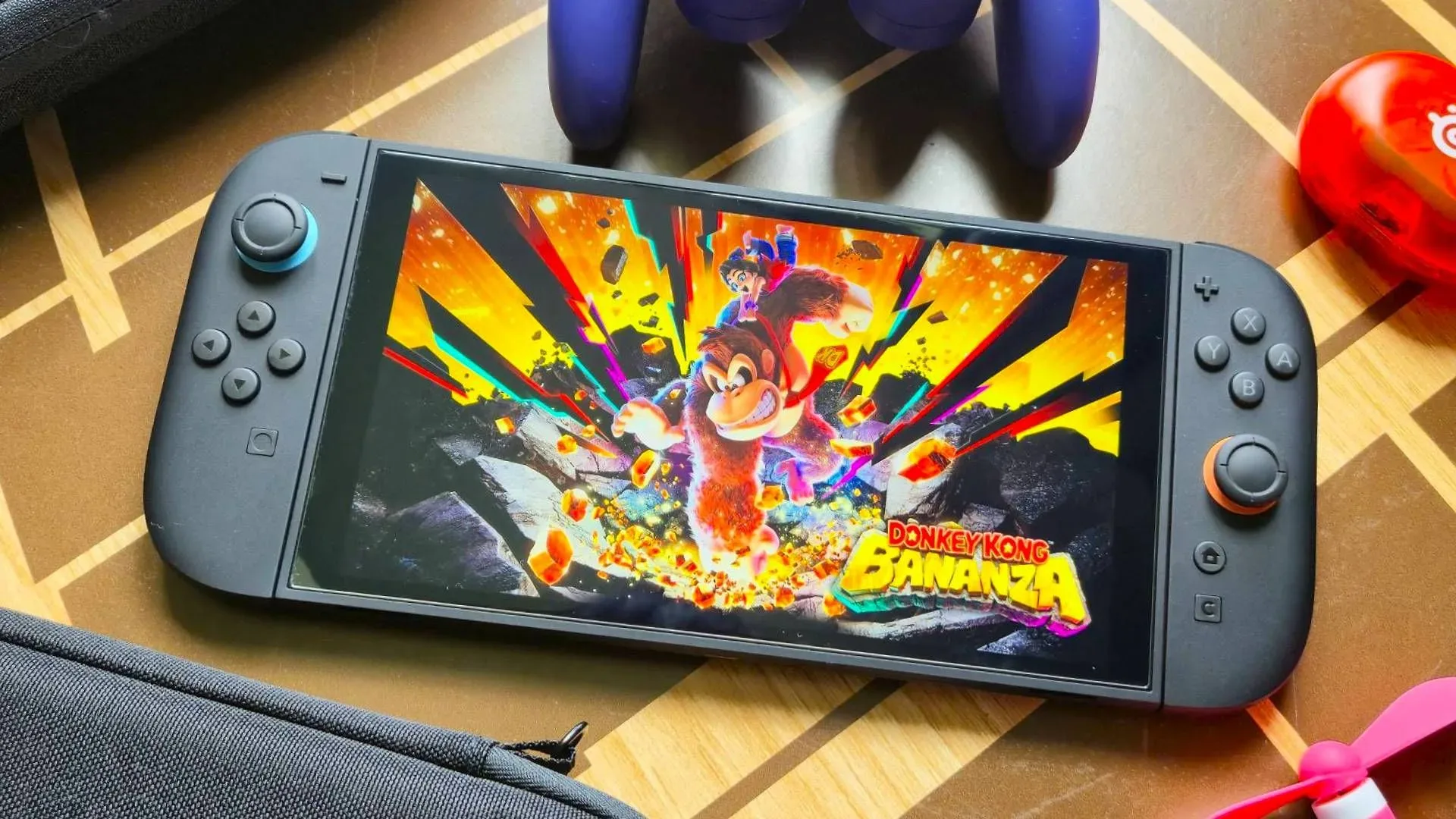
SmileBasic 4 is back on Nintendo’s eShop after a short, security-driven disappearance. The programming application was removed after it became one of the software routes used in a Switch 2 jailbreak, and it has now returned with an update intended to close the specific opening involved.
The restoration matters because SmileBasic 4 is not simply another game caught in a storefront shuffle. Developed by SmileBoom, it is a programming tool that lets users create relatively simple programs and games on Nintendo hardware. Its appeal is rooted in that creative purpose: it gives players an accessible place to write code and make things of their own. But software capable of running user-created code can also become an attractive target for people looking for unintended ways around a console’s security boundaries.
That tension appears to be at the center of the delisting and return. Nintendo addressed the known Switch 2 jailbreak route with a firmware update at the system level, while SmileBasic 4 has now received its own patch. The app is again available through the eShop, but the version now offered is intended to prevent the same route from being used again.
What SmileBasic 4 is, and why it drew attention
SmileBasic is a long-running line of programming software for Nintendo platforms. Rather than being built around a traditional campaign, multiplayer ladder, or collectible loop, the tools allow users to code their own small programs and games. That distinction is important: the reported security concern was not that the legitimate creative software itself was inherently illicit, but that it could be leveraged in a way its developer and Nintendo did not approve.
SmileBasic has previously been associated with jailbreak backdoors on Nintendo systems, first on 3DS hardware and later in this Switch 2 case. A jailbreak is a method of bypassing restrictions imposed by a device maker so that the device can execute unapproved code. “Unapproved” is the key term. It can describe homebrew software made by hobbyists, but it may also create conditions that undermine the platform holder’s technical controls.
The Switch 2 issue involved SmileBasic 4, which is technically a Switch 1 application. The reported method nevertheless enabled it to be used as part of a route for jailbreaking Switch 2 consoles. That cross-generation wrinkle helps explain why the story is more complicated than a faulty game disappearing from a store page: software designed for one platform was reportedly being used against the security model of another.
Reports indicated that AI-assisted hackers found the route. The available information does not establish that the exploit was expanded into a way to play pirated games. It was described as theoretically allowing homebrew applications to run, but the line between a proof of concept, a homebrew entry point, and broad piracy capability should not be blurred. Those are not interchangeable claims, and the reported situation had not reached the last of them.
Nintendo used two layers of response
Nintendo’s reaction involved more than pulling SmileBasic 4 from sale. The company removed the application from the eShop and updated Switch 2 firmware to block the known jailbreak issue at the console level. That two-part response is significant because a store delisting affects digital availability, but it cannot solve every form of a platform-wide vulnerability by itself.
Related coverage includes SmileBasic 4 Returns to Nintendo eShop After Switch 2 Exploit Patch.
A system firmware update is software installed on the console that governs core device behavior and security. Addressing an exploit there is the broader defensive move. It aims to block the issue even if the relevant application exists elsewhere, has already been downloaded, or cannot be removed from circulation.
That was especially relevant here because SmileBasic 4 was reportedly not the only application that could be used in the jailbreak path. Civilization 7 was also identified as software that could be involved. Since Civilization 7 is available physically on cartridge, simply removing an eShop listing would not eliminate access to it or prevent its use by people who already own it. A cartridge cannot be recalled through a digital storefront, and a delisting does not alter copies already in players’ hands.
In other words, the firmware fix was the necessary wider net. Patching SmileBasic 4 itself is still useful, but it does not replace system-level security work when more than one piece of software may be implicated. Nintendo’s approach appears to recognize that distinction: the console was updated, then SmileBasic 4 was updated and restored.
The app patch changes the reinstatement story
The eShop return is paired with a new SmileBasic 4 update aimed at closing the hole used by the jailbreak. That means the reinstatement is not a simple reversal of the earlier removal. It is a return after changes to the application itself.
The application’s demo was also updated. However, the demo had not yet been relisted on the eShop at the time of the report. That is a small but notable detail. Demonstrations are often treated as lower-stakes versions of commercial software, yet in this case the demo could also be used in the exploit route. From a security standpoint, an accessible demo can require the same level of attention as the full product if both expose the relevant behavior.
For ordinary SmileBasic users, the practical message is straightforward: the current store version is the patched one, and the return of the software means its intended programming features remain available through the eShop. It also illustrates why developers of creative tools can face a difficult balancing act. A product is supposed to let users make and run their own code within permitted boundaries; security problems arise when those boundaries can be crossed in ways that reach beyond the application.
Homebrew and piracy are not the same claim
Conversations around console exploits often compress several different subjects into one word, which can make the situation sound clearer than it is. A more precise reading separates them.
- Homebrew generally refers to software made outside a console maker’s official approval and distribution process.
- Jailbreaking refers to bypassing technical controls so a device can run code that would otherwise be restricted.
- Piracy involves unauthorized copying or use of copyrighted games or other content.
These ideas can overlap in practice, but one does not automatically prove another. The reported SmileBasic 4 route could theoretically allow homebrew applications, while there was no indication that it had been extended into a method for playing pirated games. Keeping that uncertainty intact is important, particularly in a fast-moving security story where a technical opening can be characterized more broadly than the evidence supports.
It also explains Nintendo’s incentive to respond promptly regardless of whether piracy functionality had been demonstrated. A jailbreak route that permits unapproved code presents a security and platform-control concern on its own. Closing it through firmware and application updates is consistent with preventing the route from developing further or being reused through related software.
A reminder that delisting is not a complete fix
The SmileBasic 4 episode is a useful illustration of the limits of eShop removals. Delisting can immediately stop new digital purchases or downloads through the storefront, which may reduce exposure while a response is prepared. But it does not patch consoles, does not necessarily change software already installed, and cannot reach physical cartridges.
That limitation is why the Switch 2 firmware response carries as much weight as the app’s temporary disappearance. The reported Civilization 7 connection demonstrates the issue neatly: even if a digital listing vanishes, a cartridge-based game remains available to existing owners. Device-level mitigation is what addresses the shared security condition rather than only one entry point.
For Nintendo, SmileBoom, and users who approach SmileBasic as a creative coding tool, the return is therefore a more constructive ending than an indefinite takedown. The app has been restored after a patch, its demo has also been updated, and the console’s firmware has been changed to stop the known jailbreak exploit. The demo’s absence from the store means the rollout is not entirely back to normal, but the primary application is once again available.
It is also a reminder of the unusual life creative software can lead on closed game systems. Tools made to encourage experimentation can be valuable precisely because they allow people to create. Platform holders, meanwhile, must preserve the security rules that make a modern console ecosystem function. SmileBasic 4’s patched return sits directly at that intersection: a programming application is back where players can buy it, while the loophole that brought it unwanted attention has been targeted on both the app and console sides.
For a very different example of Nintendo creativity operating inside the intended game boundaries, see this Tears of the Kingdom builder’s elaborate no-mod creations.