Nintendo representative director and fellow Shigeru Miyamoto was absent from the company’s latest investor meeting because of what Nintendo described as a sudden illness. A notice attached to the meeting’s investor Q&A says Miyamoto’s condition is stable and that he is expected to recover in a few days to a week.
The update offers reassurance but few details. Nintendo did not identify the illness, and there is no stated change to Miyamoto’s responsibilities or involvement in the company’s projects. The appropriate reading, based on the information available, is simply that he is temporarily unwell and expected to return after a short recovery period.
Nintendo’s investor Q&A says Miyamoto was absent due to sudden illness, that his condition is stable, and that recovery is anticipated within days to a week.
What Nintendo has confirmed
The company’s wording appeared in the investor Q&A materials, which were published in Japanese. The English phrasing that has circulated is a machine translation, so small nuances in wording may vary. The central points are clear, however: Miyamoto did not attend the meeting, his condition was described as stable, and Nintendo expects a relatively near-term recovery.
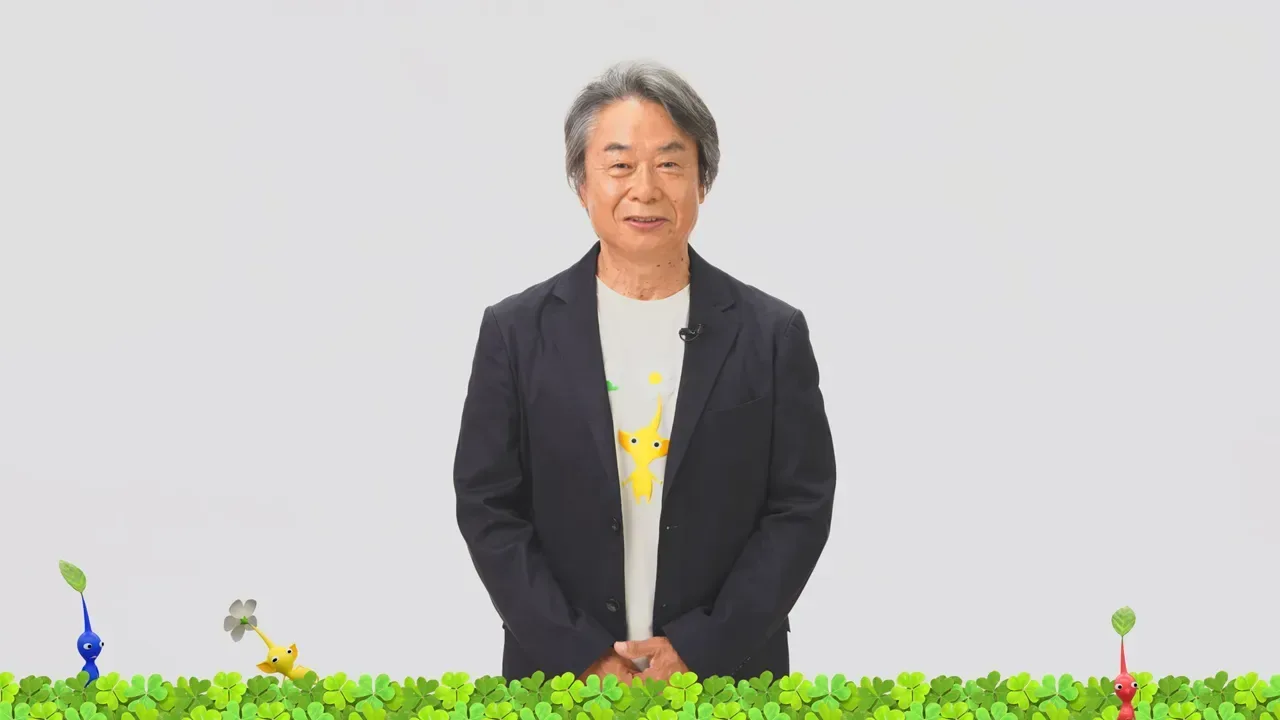
It is also known that Miyamoto did not attend a Tokyo ceremony for recipients of Japan’s Order of Culture a few days earlier. He had appeared in a pre-recorded Nintendo Direct segment on November 1 for Pikmin Day. A pre-recorded appearance establishes only that the material was prepared ahead of time; it should not be treated as a real-time indication of his health on the day it was broadcast.
Until Nintendo elects to provide another update, any attempt to specify the nature, severity, or cause of the illness would be speculation. The company’s statement is the meaningful public record here, and it is notably more reassuring than an open-ended absence: Nintendo explicitly says Miyamoto is stable and expects him to recover shortly.
Why Miyamoto’s absence drew attention
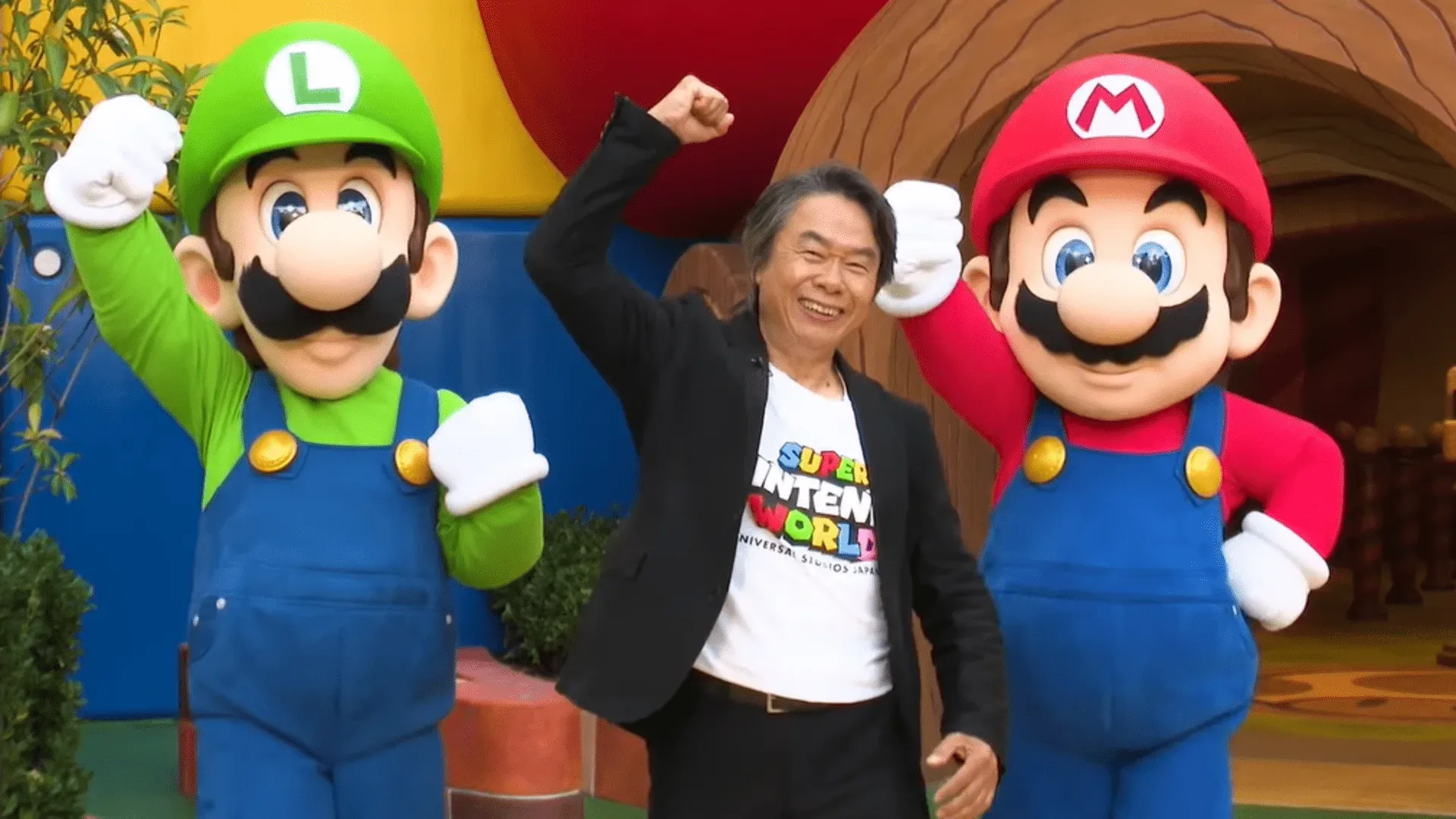
Miyamoto remains one of Nintendo’s most recognizable creative figures. His name is closely associated with Mario, The Legend of Zelda, Donkey Kong, and Pikmin, series that have helped define the company’s identity across generations of hardware and games. At 73, he is also a senior executive whose public appearances retain significance well beyond a typical corporate meeting.
That prominence explains why a brief note in investor materials became widely noticed. An investor briefing is generally a business-facing event, centered on company performance, strategy, and questions from shareholders or analysts. Miyamoto’s absence is newsworthy primarily because of his stature within Nintendo, rather than because the materials indicate a change in the company’s operations.
Related coverage includes Shigeru Miyamoto Misses Nintendo Investor Meeting Due to Sudden Illness.
It is important to separate those two points. A high-profile executive missing a meeting can naturally invite concern, but the available information does not say that Nintendo’s development plans, management structure, film work, or individual game projects have been affected. The explicit expectation of recovery is the most relevant takeaway.
A role that has broadened beyond game development
In recent years, Miyamoto has stepped back from the more hands-on development role that defined much of his career. That does not mean he has disappeared from Nintendo’s creative output. Rather, the supplied record shows a role that spans high-level game production and the company’s wider entertainment efforts.
He was a producer on The Legend of Zelda: Tears of the Kingdom and Pikmin 4. He also received a “Special Thanks” credit for this year’s Star Fox. Credits have distinct meanings: a producer role generally signals involvement in guiding a project, while a special-thanks credit is an acknowledgment that does not by itself spell out a person’s day-to-day contribution. Neither should be overstated beyond what the credit says.
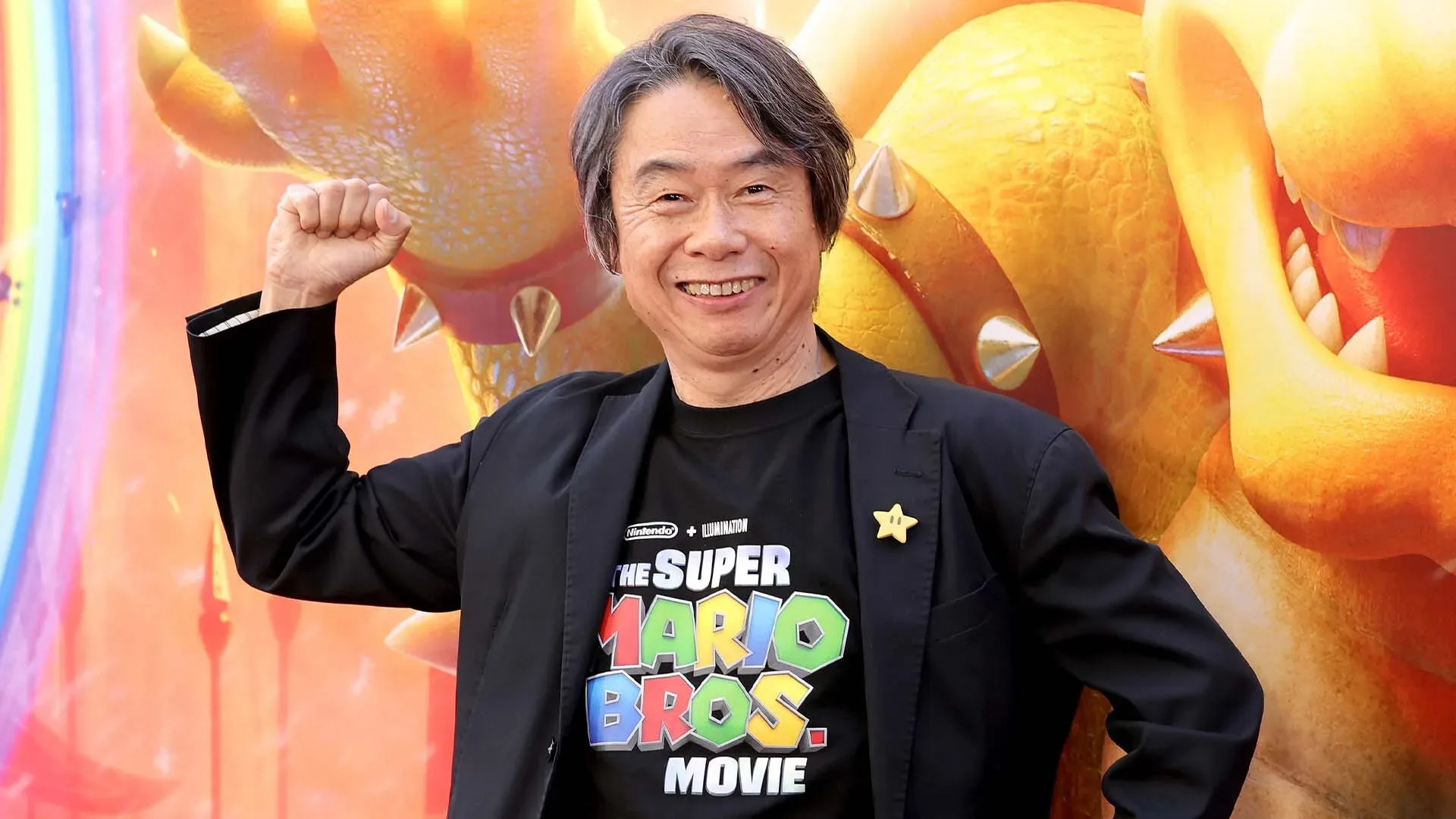
Outside games, Miyamoto has been working as a producer on Nintendo’s film initiatives. Those include The Super Mario Bros. Movie, The Super Mario Galaxy Movie, and the upcoming The Legend of Zelda film. His participation in these projects reflects Nintendo’s expansion of its characters into screen entertainment, while keeping one of its most prominent creative leaders involved in how those properties are presented.
That broader remit also gives context to why even a short health-related update produces interest among players, investors, and people following Nintendo’s media work. Miyamoto is associated not just with legacy franchises, but with how Nintendo carries those franchises into new forms.
What this means for fans and investors
For fans, there is no action item or indication that a release has been delayed. The available statement concerns Miyamoto’s attendance at one investor event and his expected recovery. For investors, it is a disclosure about an executive’s absence rather than a newly announced strategic risk or operational shift.
In practical terms, the right approach is to avoid filling gaps with rumors. Health is personal, and Nintendo has not disclosed anything beyond the description of a sudden illness, stable condition, and expected recovery window. Reporting more than that as fact would be inaccurate.
The episode is also a reminder of the difference between an individual creator’s cultural importance and a company’s production structure. Miyamoto’s work and influence are foundational to Nintendo’s modern identity, but the public information provided here does not frame the absence as a succession event, a project emergency, or a business disruption. It frames it as a short-term illness.
Nintendo’s ecosystem is vast, extending from flagship games and films to the hardware surrounding them. Even the community’s peripheral and controller interests continue to evolve, as seen in recent Joy-Con customization tooling updates. But none of that broader activity changes the narrow facts of this particular update: Miyamoto missed the briefing, Nintendo says he is stable, and the company expects him to recover soon.
What remains unknown
- The nature of Miyamoto’s illness has not been disclosed.
- Nintendo has not given a precise return date, only an expectation of recovery in a few days to a week.
- There is no stated impact on Nintendo games, films, or other projects.
- No additional details were provided about his absence from the Order of Culture ceremony.
For now, the public update should be taken at face value. Miyamoto’s absence was unexpected, but Nintendo’s stated outlook is that his condition is stable and that he is expected to recover shortly.