PAX West reportedly felt quieter than usual in 2026, with a convention floor leaning heavily toward merchandise and fewer large publisher installations than some attendees remembered from earlier years. Yet the event still found a mascot—several colors of mascot, in fact. Not through a major Nintendo booth, a blockbuster console demo, or a towering display for a new first-party release, but through the small, helmeted creatures of Pikmin Bloom.
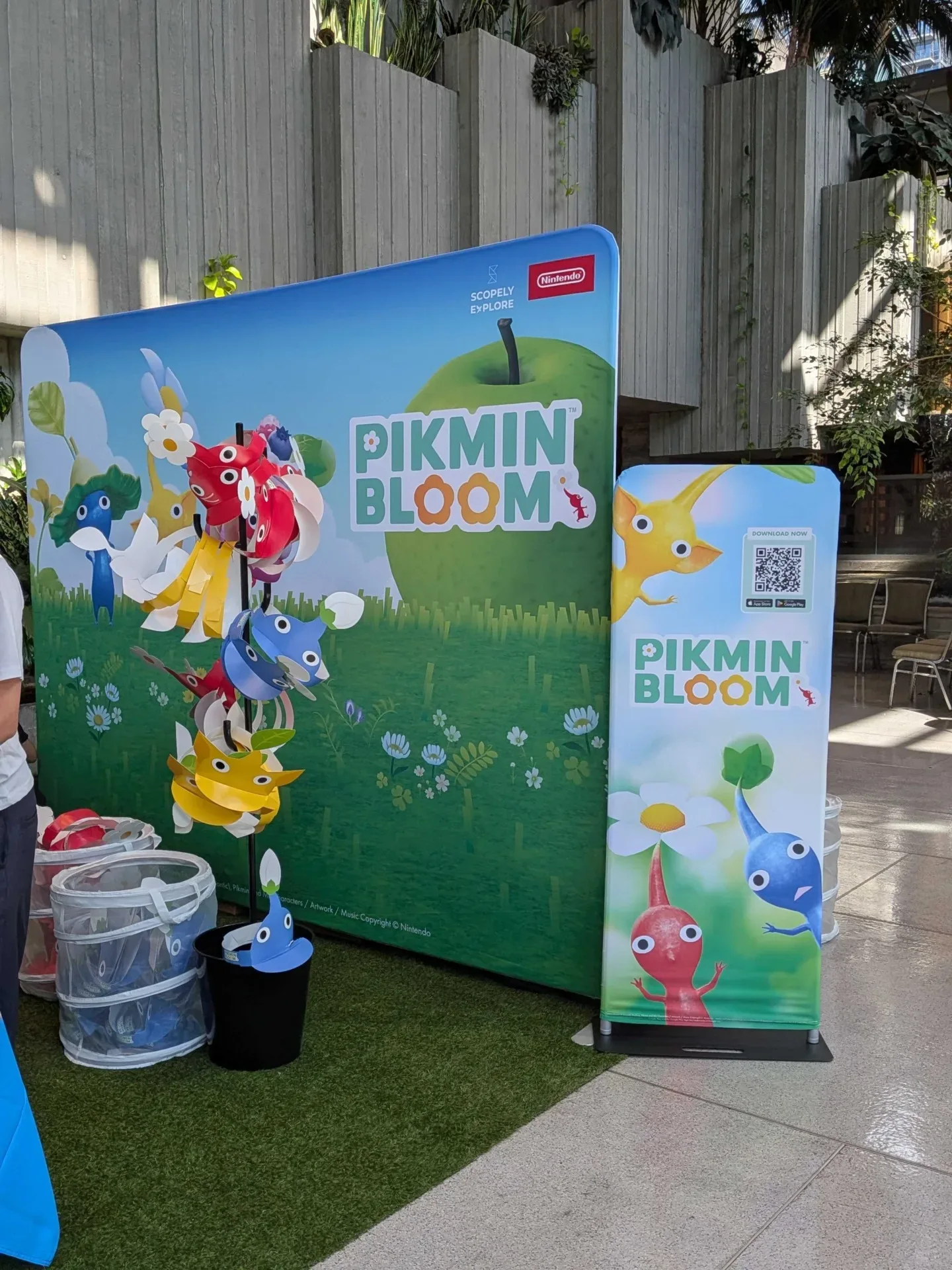
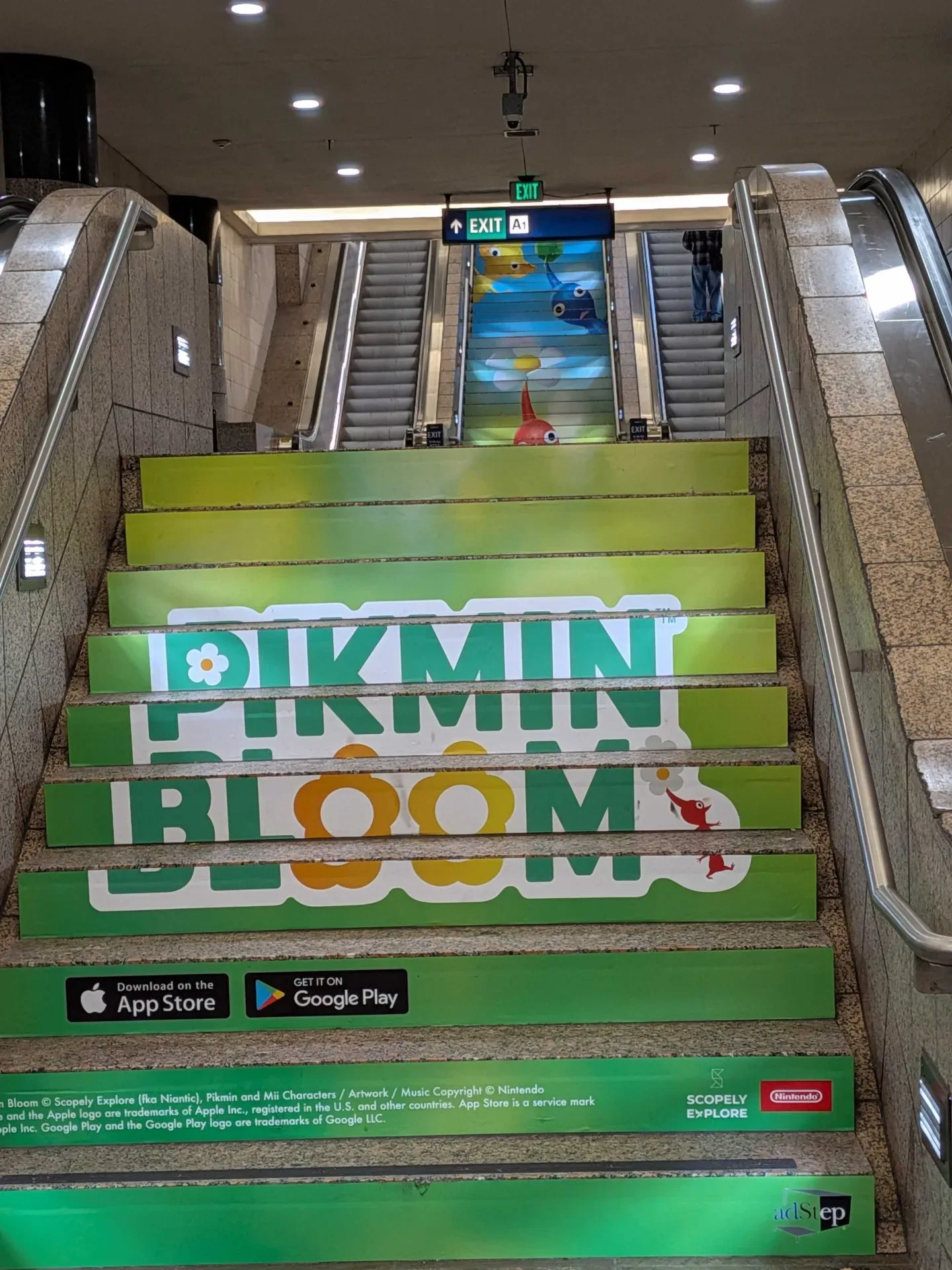
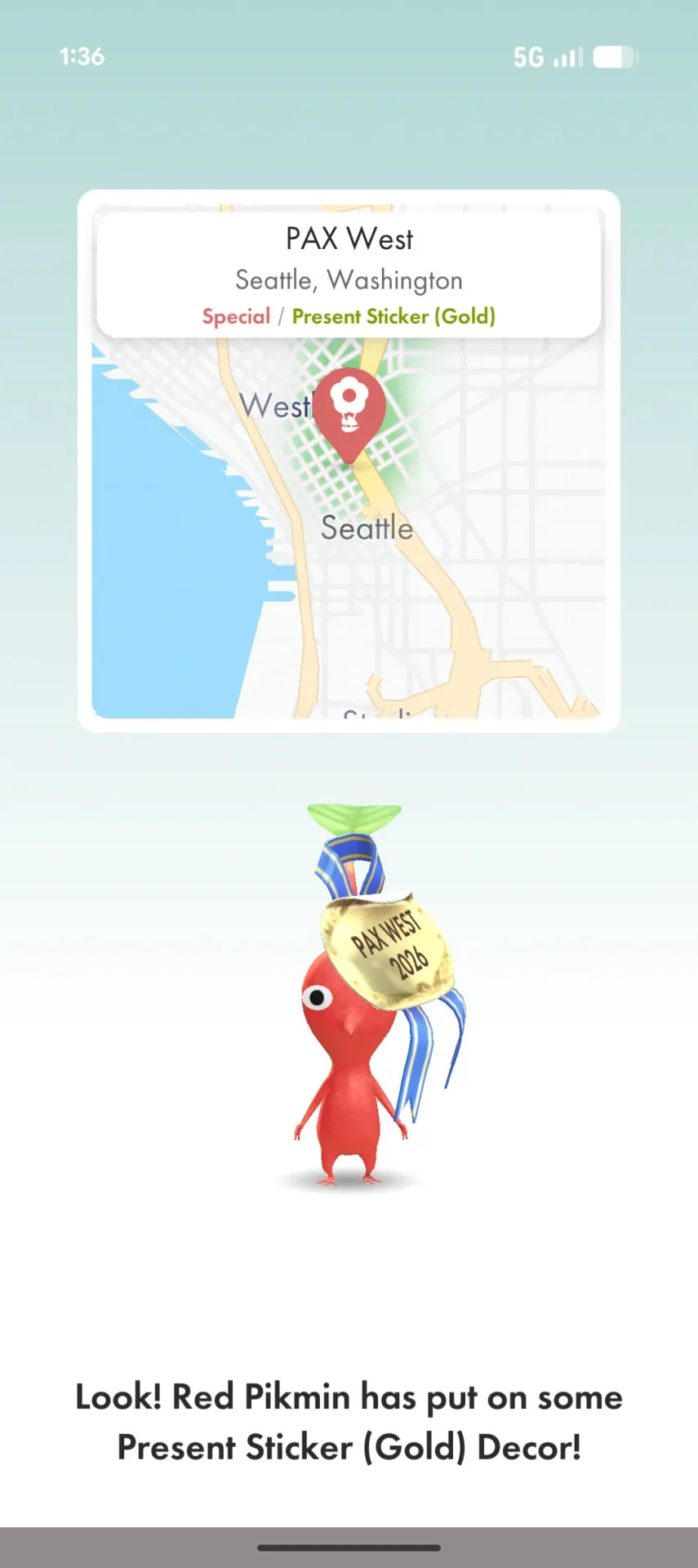
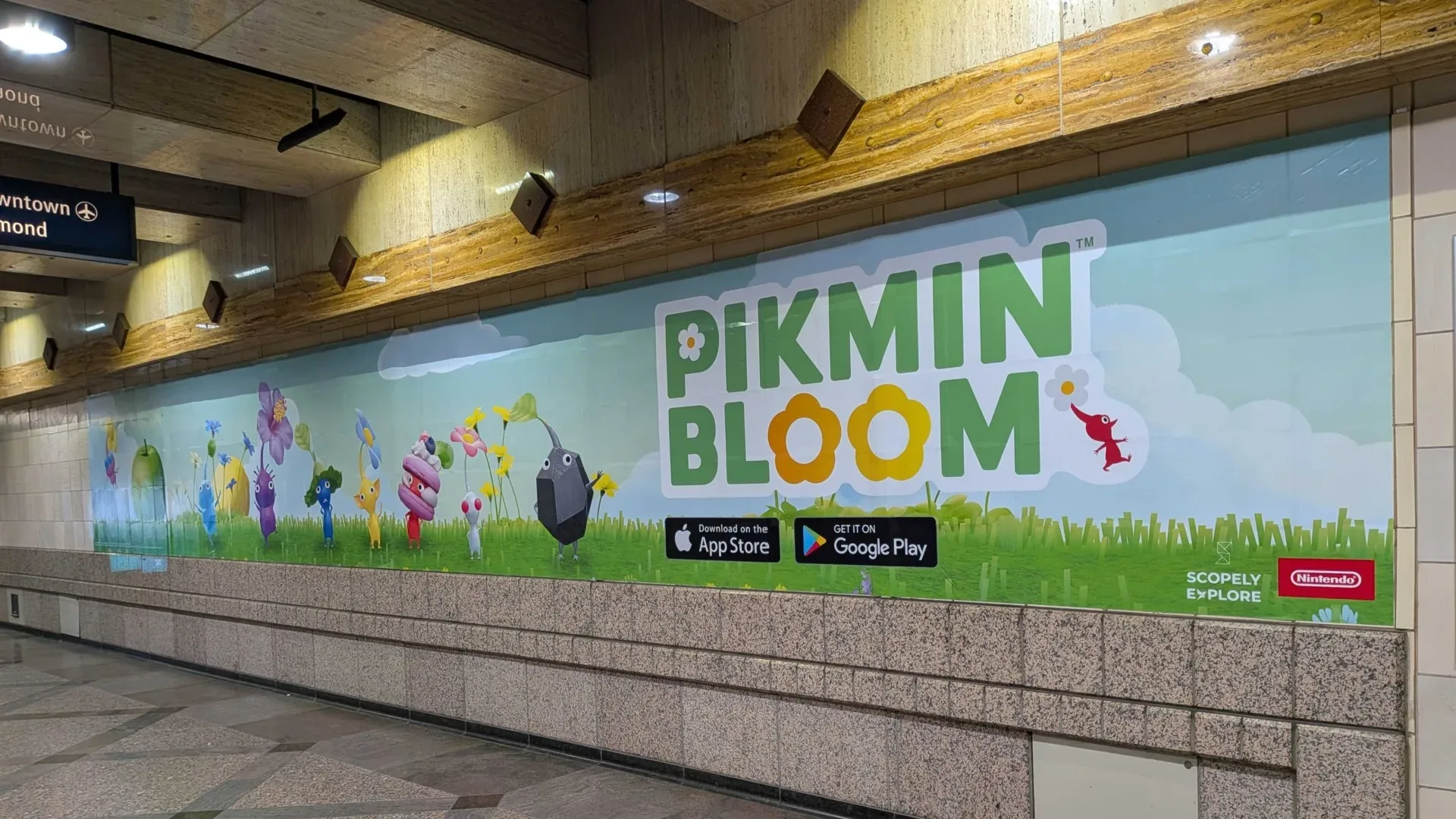
Nintendo was said to be absent from the Seattle convention alongside Sony and Xbox, aside from a small satellite presence for certain ID@Xbox games. That made the alleged visibility of Pikmin Bloom especially striking. A mobile title first released in 2021 became one of the defining bits of visual branding around PAX West: advertisements across transit spaces, a booth distributing paper Pikmin crowns, and a special in-game Pikmin tied to attendance at the event.
For a franchise whose appeal has always rested in charmingly miniature chaos, it is an appropriately strange route to becoming convention omnipresent. Pikmin did not need an enormous screen, a stage show, or a line winding around the building. The characters simply appeared on hats, posters, station walls and, presumably, the phones of people turning their day at a game convention into a very colorful step count.
A subdued PAX West, with a very noticeable exception
The reported mood around this year’s PAX West was comparatively sedate. Major Japanese publishers including Bandai Namco, Sega, NIS and Konami were described as having meaningful show-floor presences, but the broader event seemed to contain fewer games and more retail-oriented booths than in previous years.
The absence of the three console platform holders changes the texture of any large gaming gathering. These companies normally bring reliable gravitational pull: playable builds, long queues, promotional installations and the inevitable crowd of attendees attempting to determine whether a line is for an unreleased game or merely for a free tote bag. Nintendo’s nonappearance was all the more notable because its U.S. headquarters is so close to Seattle.
That physical absence, however, did not prevent a Nintendo-owned world from becoming conspicuous. Pikmin Bloom apparently filled the gap in a way few would have predicted from a five-year-old location-based mobile game. It also demonstrated a useful marketing lesson: an official booth is only one way to be present. If enough commuters see a character before arriving, and enough attendees wear that character on their heads after entering, the convention can effectively become an unofficial showcase.
How Pikmin Bloom turns walking into collecting
Pikmin Bloom was originally developed by Niantic and released in 2021. In 2025, Scopely took over Niantic’s games business, including Pikmin Bloom. Like other location-based games, it connects real-world movement with activity in a digital space. But its central loop is less about making a deliberate trip to a particular landmark and more about walking in general.
Players build their Pikmin squads through steps, then can plant flowers on the map and earn rewards through play. That makes it a potentially lower-pressure companion for daily routines than a game built around repeated visits to precise locations. Commutes, neighborhood walks and trips to conventions all become chances to make progress.
Related coverage includes Pikmin Bloom Turned PAX West Into an Unexpected Nintendo Showcase.
Collection is also a major piece of the appeal. Pikmin can wear decorative outfits, including deliberately silly hats, and those outfits have apparently only expanded over time. The seasonal activity happening around PAX West was said to have an Oktoberfest flavor, involving pretzels and Pikmin wearing sausage-shaped headgear. In the grand tradition of games understanding their audience, that combination of step tracking, cheerful horticulture and tiny creatures dressed as food is difficult to explain but easy to recognize as collectible bait.
Anyone following broader gaming technology can see why this kind of design remains useful. A high-end PC release might ask players to weigh features and hardware demands, as with NBA 2K27’s DLSS 5 debut and the performance questions around RTX 5090-class hardware. Pikmin Bloom works from a nearly opposite premise: the important equipment is a smartphone, a pair of shoes, and enough willingness to let a cartoon plant creature judge how far you have walked.
Seattle became the campaign’s canvas
The scope of the reported PAX West activation is what makes the story more than a routine mobile-game booth. Scopely allegedly purchased substantial advertising space around Seattle ahead of the convention. Pikmin Bloom promotions appeared on buses and at multiple light-rail stations, with Westlake station—the stop closest to the PAX West venue—particularly covered.
Descriptions of the station campaign suggest ads on walls, floors and stairs. That is a carefully chosen placement for a game centered on movement. Advertising normally tries to interrupt a person’s journey; here, the journey itself is the product loop. A rider passing through the station sees a Pikmin message, walks toward the convention, accumulates steps, and may then open a game that treats those steps as a resource. That is unusually tidy thematic alignment, even if the exact commercial logic behind the scale of the campaign has not been explained.
Inside PAX West, the booth reportedly gave away small paper Pikmin crowns. This is the kind of inexpensive physical item that can outperform flashier giveaways when the goal is visibility. A crown turns each willing attendee into moving signage. With lots of people wearing them, the result was reportedly impossible to overlook in crowds.
It is also an especially fitting tactic for Pikmin. The series has never depended solely on one instantly recognizable hero in the Mario mold. Its power comes from groups: red, blue, yellow and other tiny workers moving together. A field full of paper crowns recreates that swarm effect in the most low-tech way possible. The brand did not merely rent space at PAX West; it reportedly scattered little pieces of itself throughout the people attending it.
Why push a 2021 mobile game so hard now?
The central unanswered question is why Pikmin Bloom received such a large push in 2026. The title is not new. It has survived longer than plenty of people may have assumed, particularly given the uncertain history of location-based games launched in the wake of Pokémon GO’s enormous success.
Some games in that wider category have been discontinued or struggled with player perception, and it was easy to think of Pikmin Bloom as a quieter experiment rather than a durable service. Yet the game reportedly has generated increasing revenue each year since launch. That financial trajectory may be the simplest explanation for the Seattle campaign: an established game with a steady audience can still benefit from a high-visibility regional activation, especially when the audience is gathering in person.
There was a PAX West-themed Pikmin available to people at the show, creating a limited-time reason for active players to participate. For collectors, even a small themed variant can matter. The value is not necessarily in rarity on a resale market; it is in the scrapbook quality of a digital item tied to a place, a date and an event. Mobile games increasingly understand that conventions can provide those memory-making hooks.
There is also room for speculation, but not certainty. With a Nintendo Direct reportedly scheduled for the day after the event coverage, it is possible to wonder whether the heightened Pikmin presence was intended to build awareness ahead of something else involving the franchise. No specific Pikmin announcement was established by the promotional activity itself, though. Until Nintendo or Scopely offers a reason, the campaign is best understood as an effective and conspicuously mysterious push for Pikmin Bloom rather than proof of an imminent new project.
A reminder that marketing can be playful
The story is a useful contrast to the conventional idea of convention marketing. Major exhibitors often try to win attention through scale: bigger booth structures, louder trailers, more elaborate statues, longer presentations. Pikmin Bloom appears to have worked through repetition and friendliness. The property was everywhere not because it dominated a single room, but because it traveled with attendees and surrounded them on the way in.
That approach is particularly suited to a series built on soft colors, cooperative creatures and a sense of small discoveries. A crown is not a product demo. A transit poster does not reveal a console roadmap. A special event Pikmin does not settle the question of what Nintendo may do next. Still, together they gave people a recognizable, shareable symbol of the show.
And perhaps that is the cleverest part of the whole effort. A convention can feel sparse in spots, and a company can elect not to have a major corporate presence, but a well-chosen character campaign can still make the brand feel woven into the event. In Seattle, the tiny plant creatures reportedly managed just that. Nintendo may not have taken the floor, but Pikmin Bloom seems to have planted itself all over it.