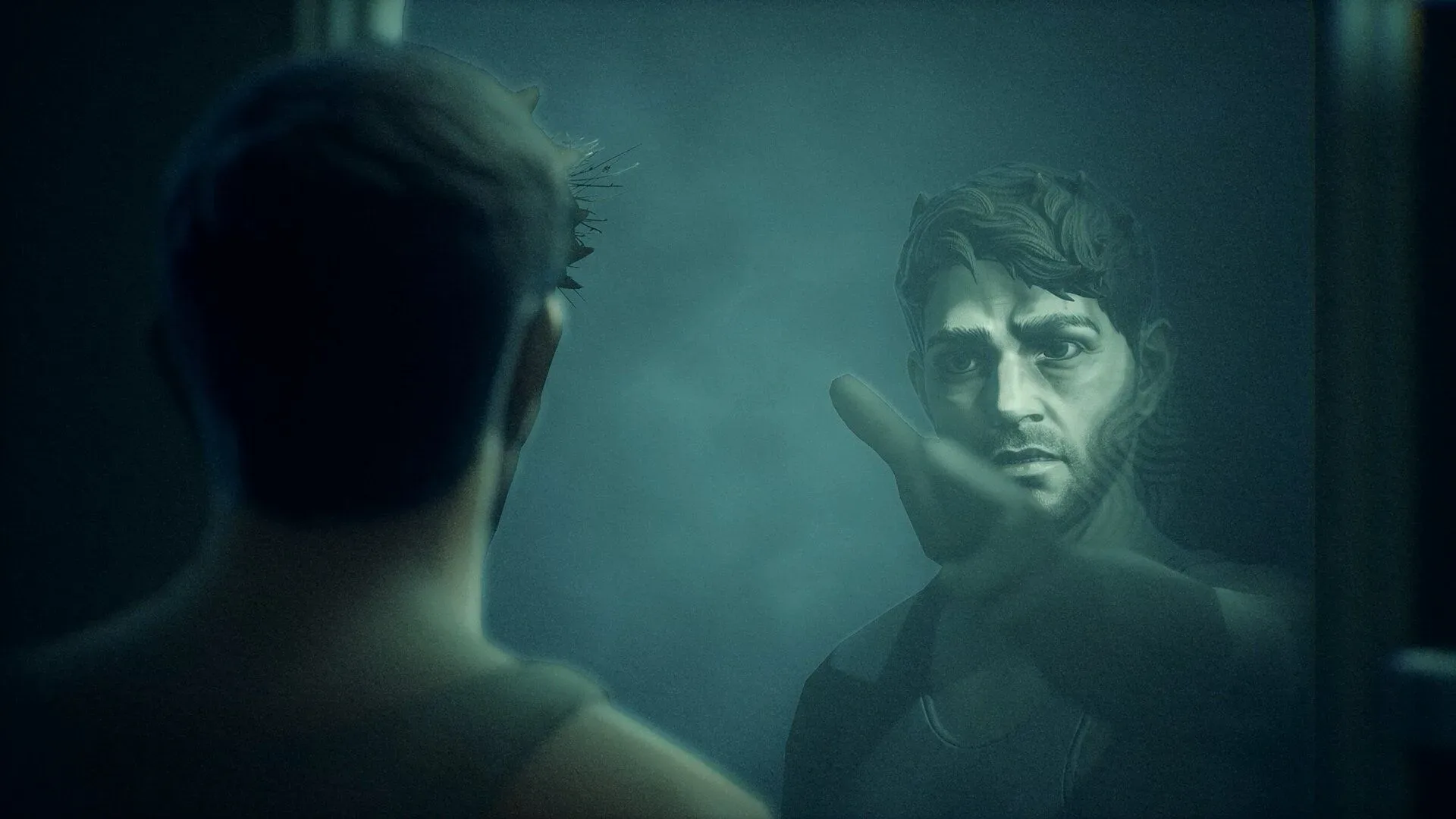
Horror has never been absent from Nintendo platforms, but a third-party game made exclusively for one is a far less common proposition. Bloober Team’s upcoming Onyx: The Dark Grip, developed by the studio and published through its Broken Mirror Games label, is aiming squarely at that unusual space: a Nintendo Switch 2-exclusive psychological horror title designed entirely around handheld play.
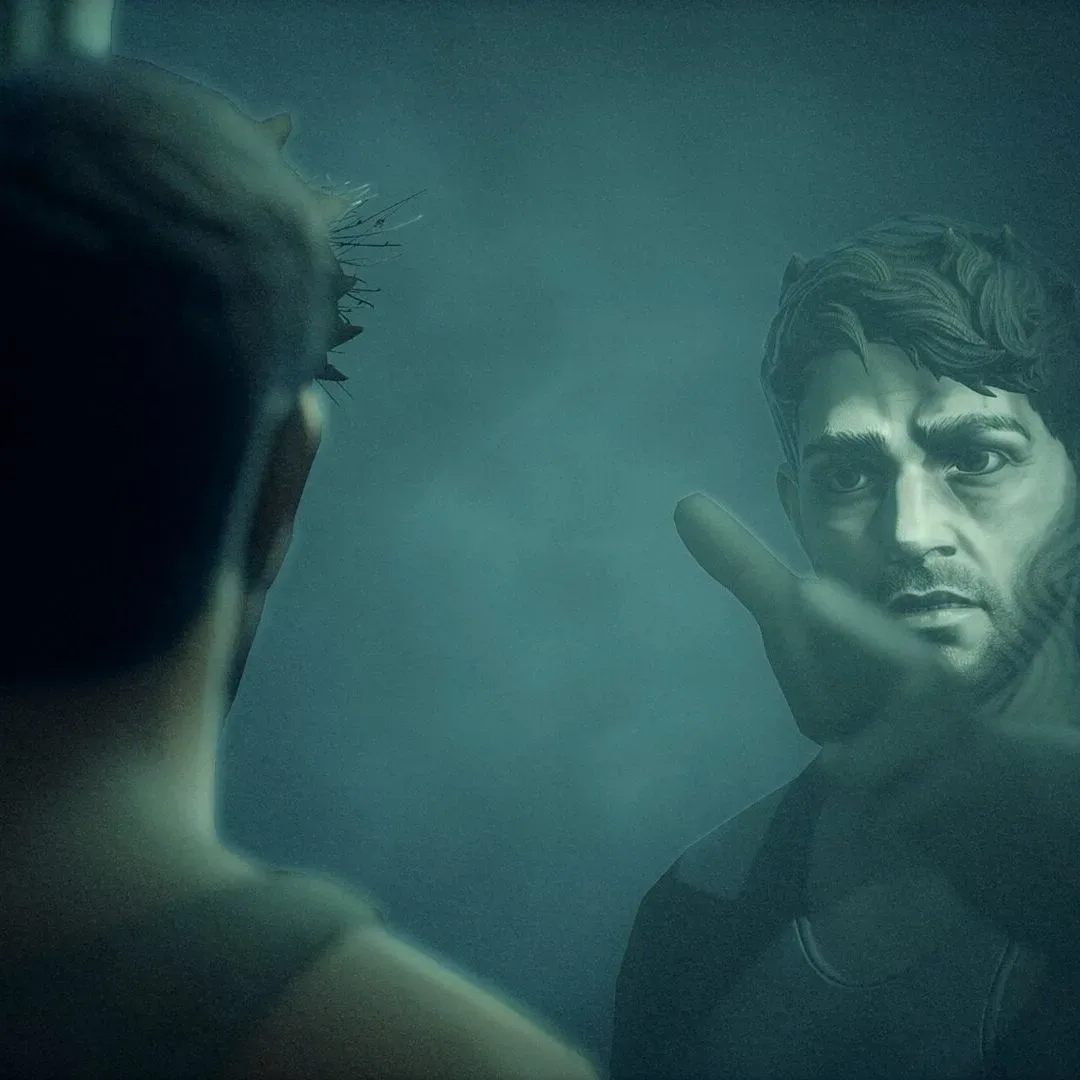
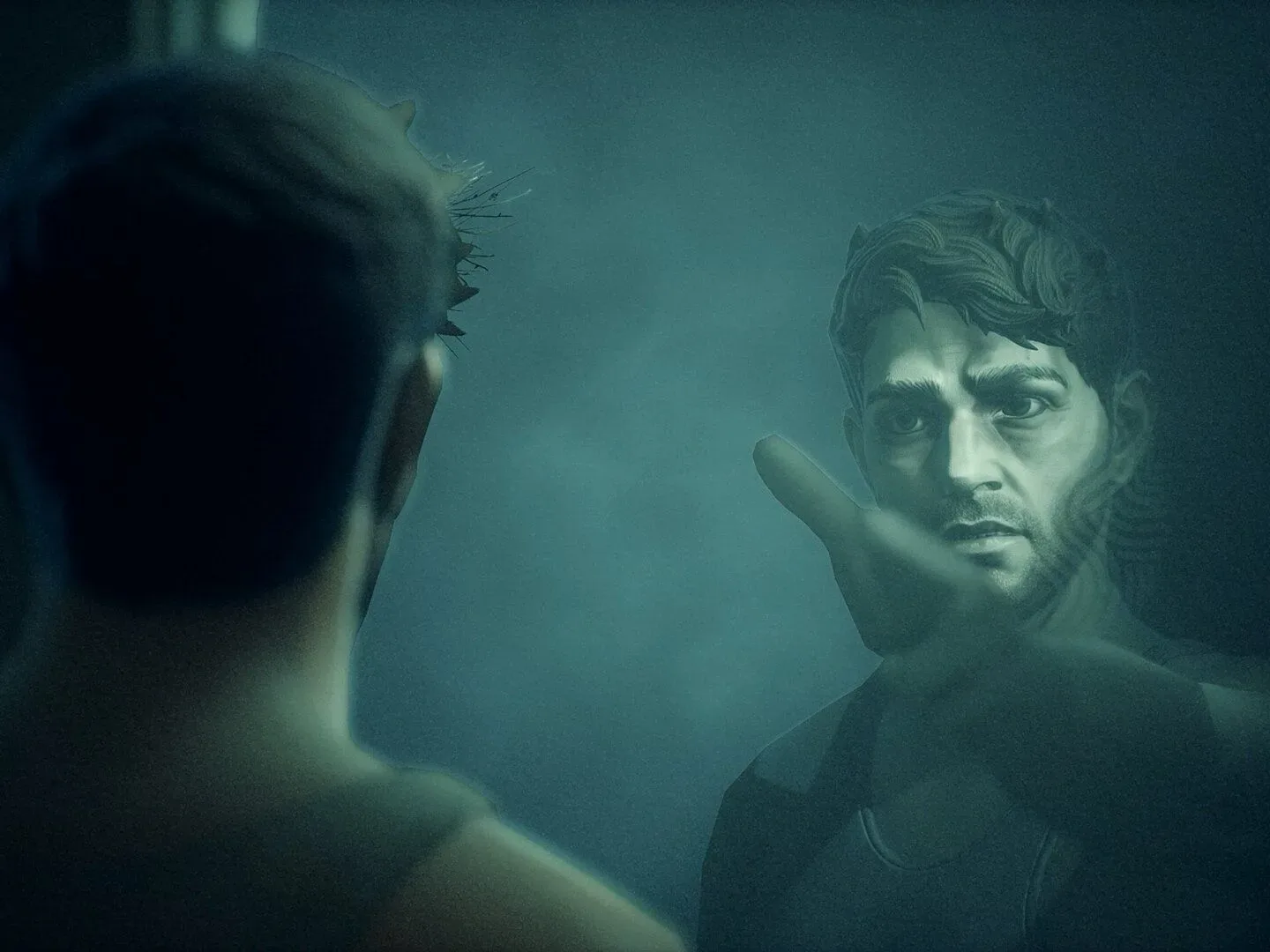
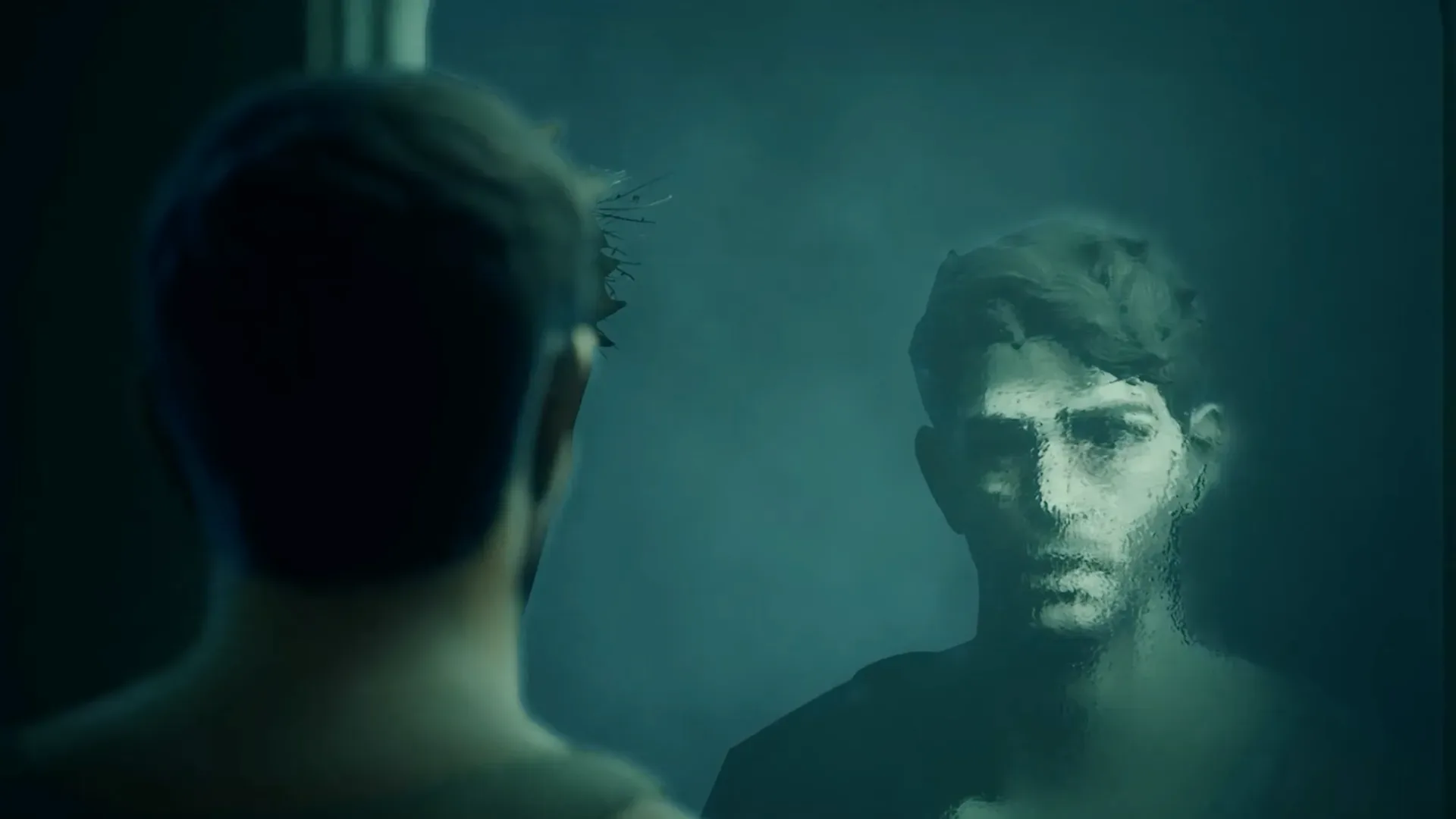
The project matters for more than platform exclusivity. Bloober Team CEO Piotr Babieno and Broken Mirror executive director Tymon Smektała describe a game whose premise is bound to the relationship between player and hardware. Onyx places the player in the roles of both a god and the person possessed by it, while its creators have pointed to techniques intended to make players question what is on screen and how they are interacting with the device.
That makes “handheld-only” more than a distribution detail. It is central to the intended form of the game, at least from what has been outlined so far. And it provides a clearer explanation for the Nintendo partnership than exclusivity as a simple marketing label.
A rare kind of Nintendo horror game
Onyx is positioned as one of the first third-party Nintendo-exclusive horror games in more than a decade. The frequently cited comparison is Fatal Frame: Maiden of Black Water, which arrived on Wii U in 2014 before later being remastered for other systems. That history gives the claim appropriate context: Nintendo systems have hosted major horror releases, but a horror game remaining tied to Nintendo hardware is much rarer.
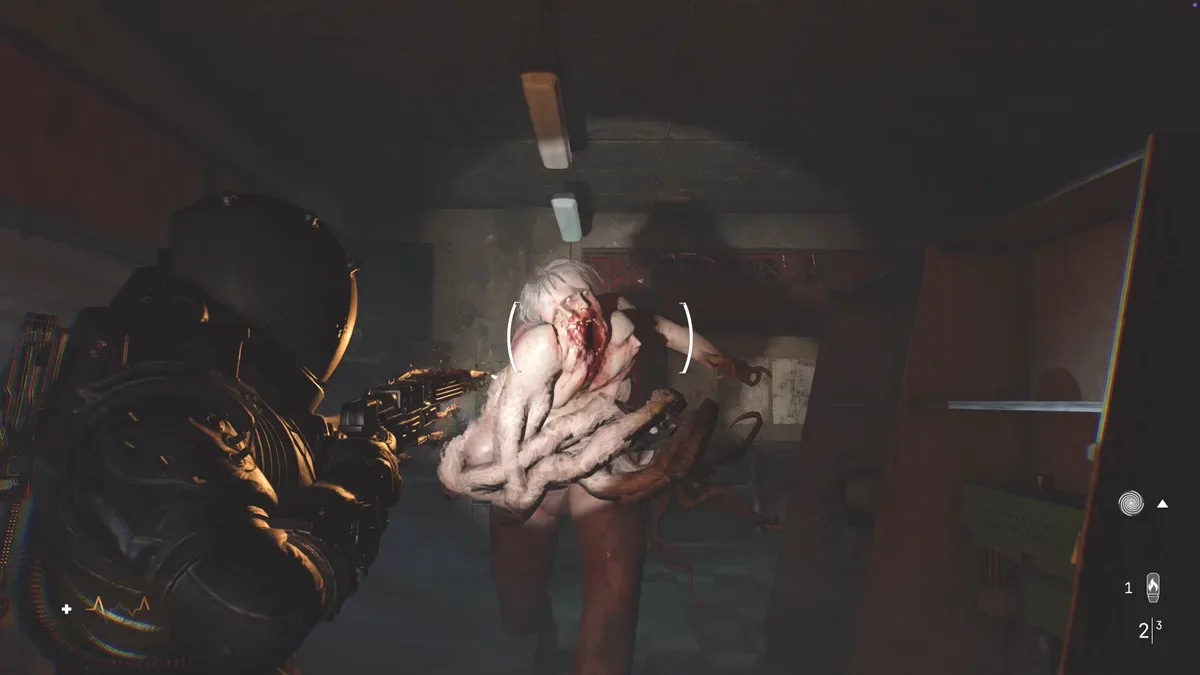
Babieno acknowledged that horror has not always been an easy fit for Nintendo’s broad, family-friendly public identity. Yet that identity has never made the company incapable of accommodating unsettling, adult-oriented games. He specifically recalled Eternal Darkness and Resident Evil 4 as important personal reference points, and said he wants to bring back the “amazing times” associated with GameCube horror in a new form.
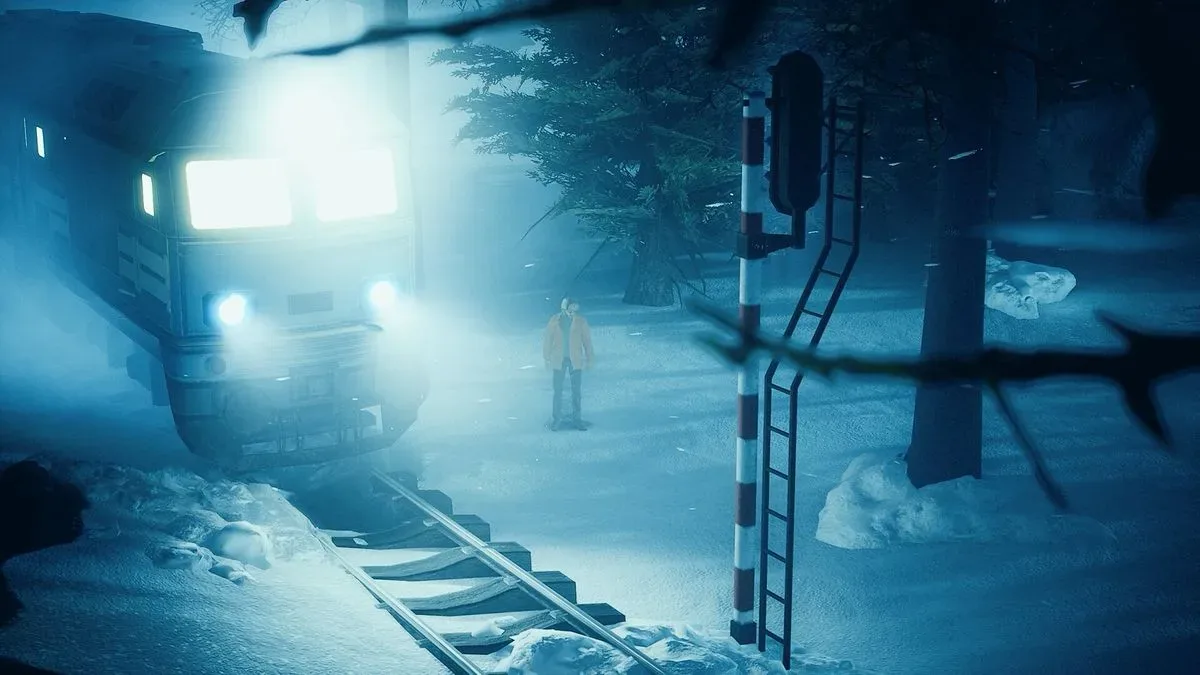
That does not mean Onyx is being presented as a recreation of either game. The available description instead points toward 2.5D psychological horror and a device-conscious concept. 2.5D generally refers to a game that combines two-dimensional movement or presentation with three-dimensional assets, spaces, or visual depth. It is a broad design label rather than a precise explanation of gameplay, so players should avoid assuming a particular camera angle, combat system, or structure from it alone.
The GameCube comparison is more useful as a statement of aspiration. Nintendo’s hardware once had room for distinctive horror experiences that did not necessarily resemble the company’s biggest mascot-led releases. Onyx is attempting to occupy a similarly memorable niche on Switch 2, while making the portable form factor part of the horror rather than merely a way to take a conventional game on the move.
Handheld play is part of the premise
Smektała has framed a key ambition for Broken Mirror’s slate as finding ways to destabilize the player’s confidence: making them doubt the images on screen and the nature of their interaction with a device. Babieno similarly described Onyx as an effort to put horror “literally” back in players’ hands and stressed the importance of breaking the fourth wall when new hardware makes new types of interaction possible.
Related coverage includes Onyx: The Dark Grip Aims to Revive Nintendo's GameCube-Era Horror Spirit.
Breaking the fourth wall is a storytelling term for a work deliberately acknowledging its audience, its fictional status, or the medium through which it is being experienced. In games, that can mean a character speaking directly to the player, a menu becoming part of the fiction, or the game creating uncertainty around actions outside its ordinary game world. The comments around Onyx establish an intention to explore that territory, but they do not spell out its specific mechanics. It would be premature to turn this into claims about controls, system functions, or particular surprises that have not been detailed.
What is clear is the strategic value of designing around a single mode of play. Multiplatform games commonly need to account for televisions, monitors, portable screens, different controllers, and varying player setups. A project conceived only for handheld Switch 2 use has a narrower target. That limitation can give developers more control over the physical context in which tension is built: where the screen sits, how closely it is viewed, and the fact that the player is holding the machine at the moment the game tries to unsettle them.
There is an important caveat. A hardware-specific horror idea succeeds only if it remains compelling as a game, not merely as a trick. The remarks from Bloober and Broken Mirror make the direction intriguing, but they are a design ambition rather than evidence of how the finished game will feel. The most practical takeaway for prospective players is simply that Onyx should not be judged as though it were a conventional home-console horror game with its docked mode removed. Its handheld focus is presented as the point.
Trust, exclusivity and Bloober Team’s changing position
Smektała said that earning Nintendo’s support was a matter of building trust and demonstrating worthiness of it, describing Japanese companies as businesses where those relationships need to be established over time. He cited Nintendo’s decision to feature Onyx in a Nintendo Direct and permit it to be made as an exclusive as validation of Bloober Team’s standing in horror.
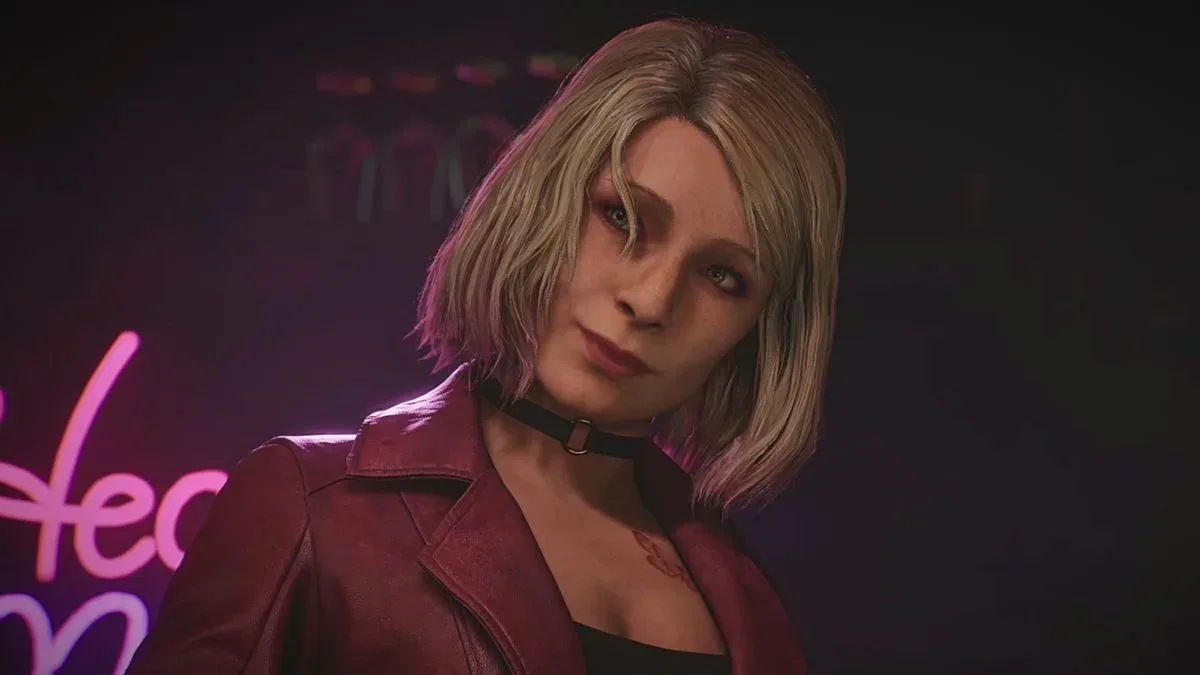
The company’s work on the Silent Hill 2 remake is part of that backdrop. Babieno agreed that Bloober’s success with Konami had played a role, while stressing that the studio does not view itself as pursuing isolated one-off projects. That is a meaningful distinction in an industry where an exclusive deal might otherwise be read only as a short-term commercial arrangement. Bloober’s leadership is presenting Onyx as an outcome of a longer effort to be viewed as a reliable horror specialist and a stable partner.
Broken Mirror itself is still a young publishing division, but its announced slate suggests it is not trying to define horror through one format. Alongside Onyx, Broken Mirror is publishing Saw: Genesis, which Smektała characterized as social horror using online connection and player interaction. Social horror is a loose label for games that make other players part of the tension, whether through cooperation, mistrust, communication, or emergent group behavior. Onyx, by contrast, appears aimed at the player’s individual relationship with a handheld device.
Those projects share a broader theme: horror that treats the act of playing as material for the game itself. In one case, the focus is social interaction; in the other, it is a player’s uncertainty over the screen and device in front of them. That is a stronger common thread than genre alone, and it helps explain why a Nintendo handheld exclusive fits Broken Mirror’s stated interests.
For a wider look at independent games currently competing for attention across platforms, see Thank You Bus Driver, Valor Mortis and a Crowded Week of Indie Games to Watch.
Babieno’s case for a long-term company
The business rationale offered by Babieno goes beyond the usual language of sales targets and release schedules. He described Bloober Team as a publicly traded company for which business performance matters, while arguing that retaining knowledge and building a durable internal “DNA” matter more to the company’s future than optimizing financial parameters in the short term.
His stated decision-making test is whether a project can be undertaken without later cutting staff. If not, he suggested, the company should consider doing things differently or not making that particular game. Babieno said Bloober is responsible for roughly 200 to nearly 270 people inside the company, as well as the families connected to them.
He invoked former Nintendo president Satoru Iwata’s observation that layoffs affecting a small percentage of employees can leave the rest of a workforce worried they may be next. Babieno’s point was not that development carries no risk; rather, it was that avoiding fear and preserving accumulated expertise should be central to a company built for decades rather than a few years.
It is worth distinguishing this from a verified promise about staffing outcomes. These are leadership principles and stated intentions, not a guarantee that every future project or business condition will unfold without disruption. Still, they are relevant to Onyx because Bloober’s executives connect that internal approach to how the company earns confidence from partners including Nintendo and Konami.
Why this is worth watching
Onyx: The Dark Grip has several reasons to draw attention, even before its full design is known. It is a rare third-party Nintendo-exclusive horror game; it is being built expressly for Switch 2 handheld use; and it comes from a studio whose recent work has raised its profile in a genre where credibility matters enormously.
The more interesting question is whether its specific premise can justify its platform focus. Bloober and Broken Mirror are not merely promising a dark game on Nintendo hardware. They are arguing that the handheld device can be an active part of the unease—an object the player holds while the game seeks to make them question what, exactly, they are seeing and doing.
If that design holds together, the GameCube reference may prove less about revisiting a particular era than restoring a willingness to let Nintendo platforms host bold, unusual horror experiences. For now, Onyx remains a game defined by an ambitious outline: psychological horror, a 2.5D presentation, a dual god-and-possessed-player premise, and an exclusive handheld design that is supposed to make the hardware itself part of the scare.