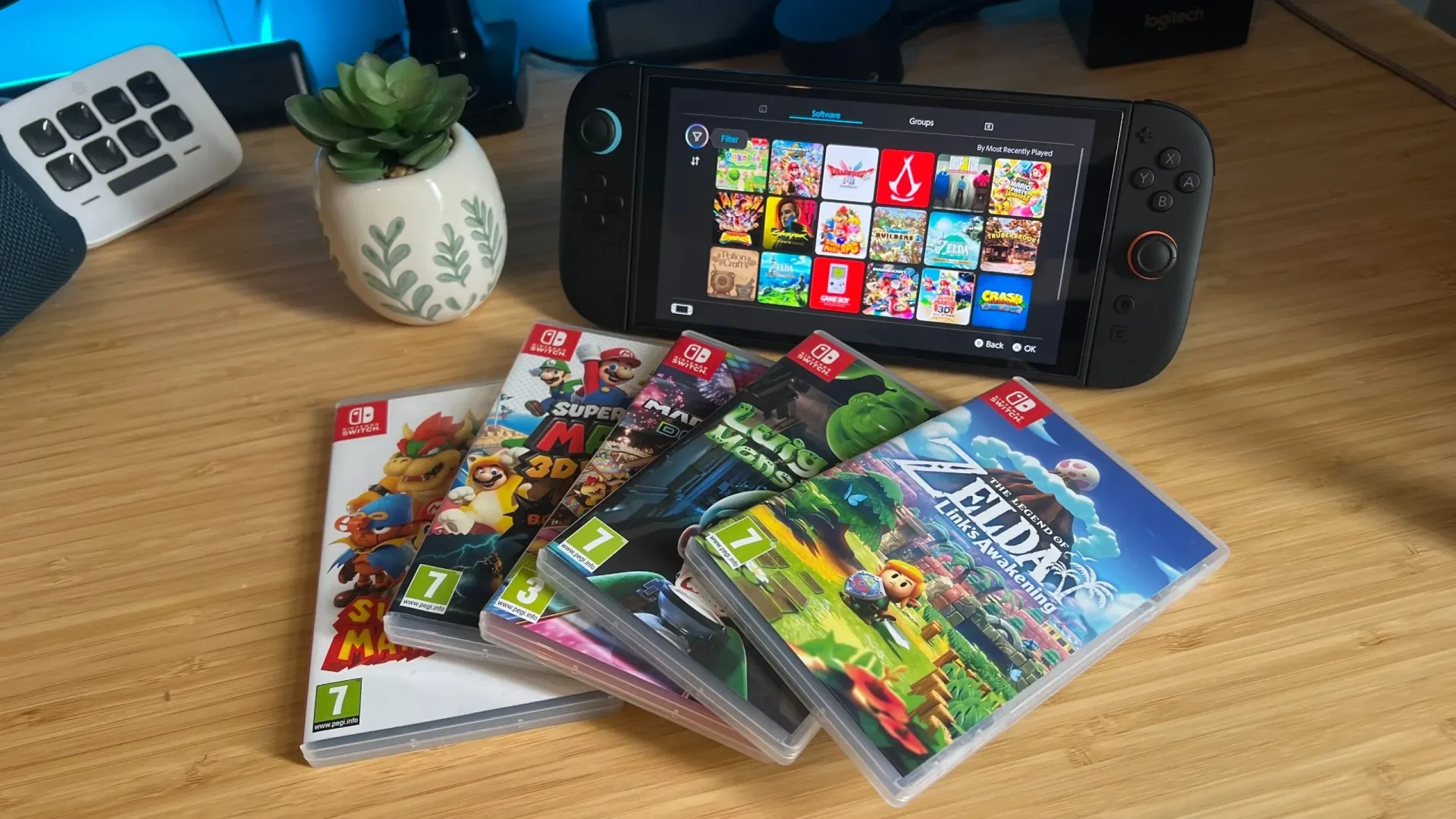
Nintendo’s Customer Appreciation Sale is nearing its September 26 finish line, putting a broad collection of Switch games and original Switch hardware at 30% off. The calendar matters here: a discount is only useful if it beats the likely alternative, and Black Friday is close enough that buyers have a real choice between buying now for selection and waiting for a potentially lower price.
The clearest case for acting before the sale ends is The Legend of Zelda: Tears of the Kingdom, listed at $48.97, alongside The Legend of Zelda: Breath of the Wild at $41.99. These are the standout offers not merely because they are acclaimed marquee games, but because the supplied pricing history suggests Zelda discounts do not commonly travel much below the $50 neighborhood. A reduction below that line for Tears of the Kingdom is therefore more notable than a similar percentage cut on a title that routinely falls further during holiday promotions.
That does not mean every game in the promotion has the same urgency. The most sensible approach is to separate the sale into two questions: which games are unusually discounted now, and which games are likely to be cheaper if a player can wait a little longer.
Why the Zelda discounts deserve priority
Breath of the Wild and Tears of the Kingdom are the deals with the strongest timing argument. Both have been singled out as less prone to ordinary discounts than the rest of the sale selection, with $50 described as a more typical discounted level. At $48.97, Tears of the Kingdom is already under that benchmark. Breath of the Wild at $41.99 is lower still.
For a buyer who already plans to play either game soon, waiting purely for Black Friday introduces a trade-off rather than an obvious win. A deeper future discount is possible, but it is not established by the available information. The known price is in front of shoppers now; the later price is speculation. That distinction is especially important when Nintendo-published games can hold their value more firmly than many other releases.
There is also a practical library-building angle. The two games are separate purchases, so the choice is not necessarily about immediately buying both. Someone new to these adventures can choose one based on preference and budget rather than treating the sale as an instruction to empty the wallet. The deal is strongest when it accelerates a purchase that was already on the list.
A quick note on discount language
A 30% discount describes the percentage removed from a product’s usual price, not a guarantee that it is the lowest price it will ever reach. The more useful measure for a purchase decision is the actual checkout price and how often that particular game receives comparable reductions. In this case, the listed Zelda prices give shoppers concrete reference points: $48.97 for Tears of the Kingdom and $41.99 for Breath of the Wild.
That is why a sale with a uniform-looking percentage can contain deals of very different quality. A $40-to-$50 holiday range has been observed for some Switch releases, and some titles can reach roughly $30 in heavier promotions. Games that frequently land in those lower ranges are not necessarily bad buys now; they are simply less compelling for buyers whose top priority is the absolute lowest possible price.
Related coverage includes Nintendo Customer Appreciation Sale Ends September 26: The Switch Games Worth Prioritizing.
Which buyers should wait for Black Friday?
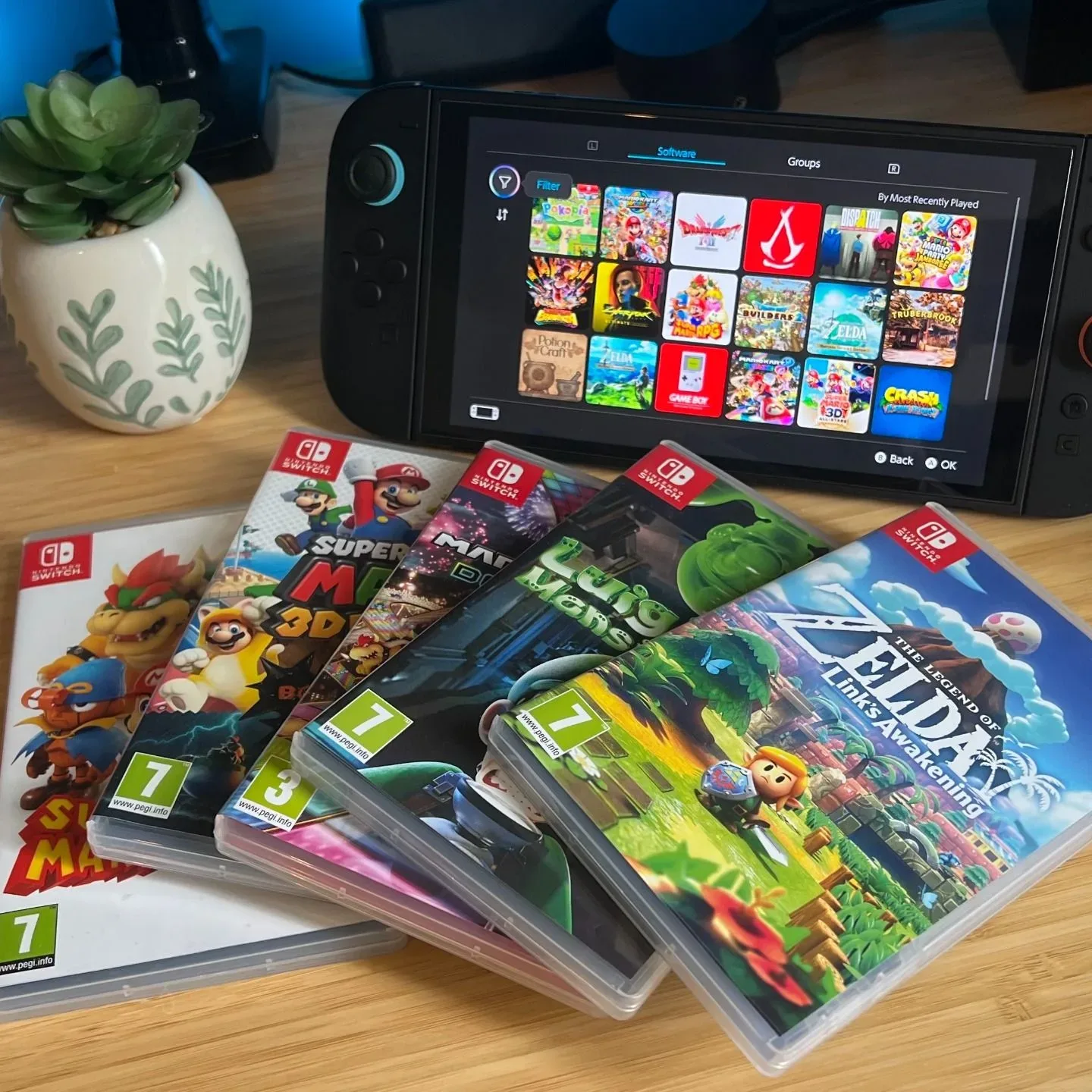
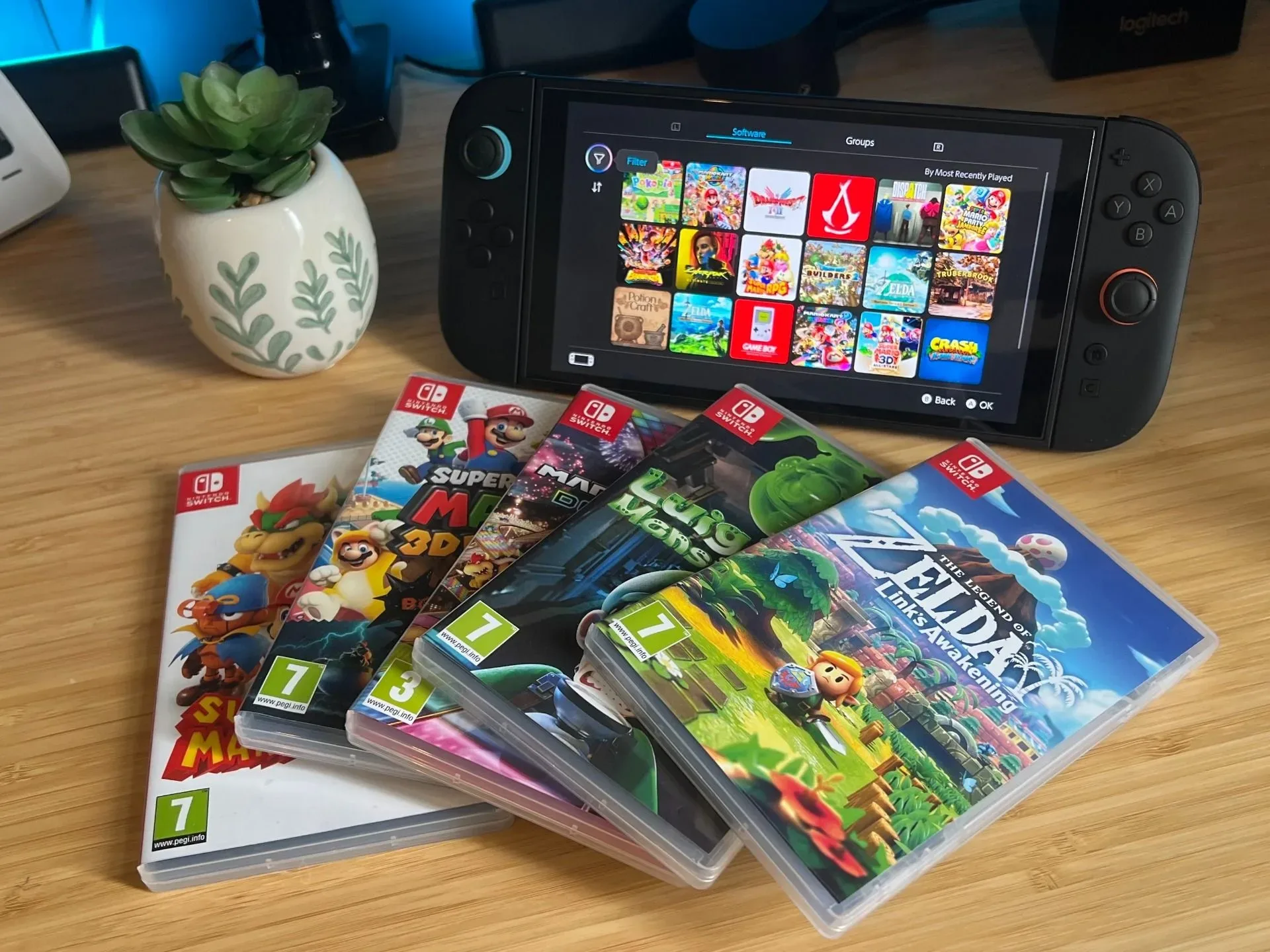
Patience looks more reasonable for older Switch games identified as having a chance to go lower during holiday sales, including Luigi’s Mansion 3 and Super Mario RPG. The available guidance is not that these games will definitely receive deeper cuts, nor that their current offers are poor. It is that a shopper who is comfortable waiting and focused on price rather than immediate access may see a better opportunity in the coming months.
That is a useful distinction for anyone staring at a long wish list. A limited-time sale creates urgency by design, but urgency does not automatically make every item a must-buy. If a player is deciding between a Zelda game they expect to start promptly and an older release they would leave unopened for weeks, allocating the budget to Zelda—or keeping it for a later holiday sale—can be the more disciplined move.
- Buy before September 26 if you want Tears of the Kingdom or Breath of the Wild soon and consider their listed prices good enough.
- Consider waiting on older releases such as Luigi’s Mansion 3 and Super Mario RPG if a lower price matters more than playing immediately.
- Check the exact product and final price rather than assuming every 30% reduction represents the same level of value.
- Do not treat a sale end date as a spending target. A deal is only savings if it replaces a purchase you genuinely intended to make.
Selection now versus a lower price later
The chief strength of Nintendo’s current promotion is breadth. It spans a large range of Switch software, from Zelda to Super Mario Bros., plus original handheld hardware. That creates an advantage for a household, a new Switch owner, or anyone shopping for more than one kind of game: there may be several relevant choices available at once instead of a single headline title receiving a temporary cut.
Black Friday, by contrast, may offer more aggressive pricing on selected games. But a future sale is not the same as the current catalog. The supplied information supports the possibility of lower prices on some older titles; it does not establish that every participant will be cheaper, that the same range will return, or that Zelda will beat its present price. Shoppers should avoid turning a reasonable forecast into a promise.
For that reason, the best strategy is neither “buy everything because Nintendo rarely discounts this broadly” nor “wait for every possible deal.” It is prioritization. Start with games that rarely get meaningful reductions, then remove anything that would only be bought because it happens to be on sale. If the remaining cart is still appealing at the listed prices, the September 26 deadline is relevant. If not, there is no penalty for holding out.
Original Switch hardware and the wider Switch ecosystem
The promotion also includes original Switch hardware, although no specific models or sale prices are provided here. Hardware shoppers should apply the same discipline as software buyers: identify the exact device, confirm the discounted price, and decide whether it meets a present need. A percentage alone does not reveal whether a particular bundle or device is the right fit.
Players weighing a broader Nintendo setup may also want to keep accessories separate from the game-sale decision. Controllers, headsets and other add-ons can materially change the total cost of a purchase, but there is no stated accessory discount in this sale information. It is better to price the software and hardware that are actually part of the promotion rather than assuming related gear shares the same offer.
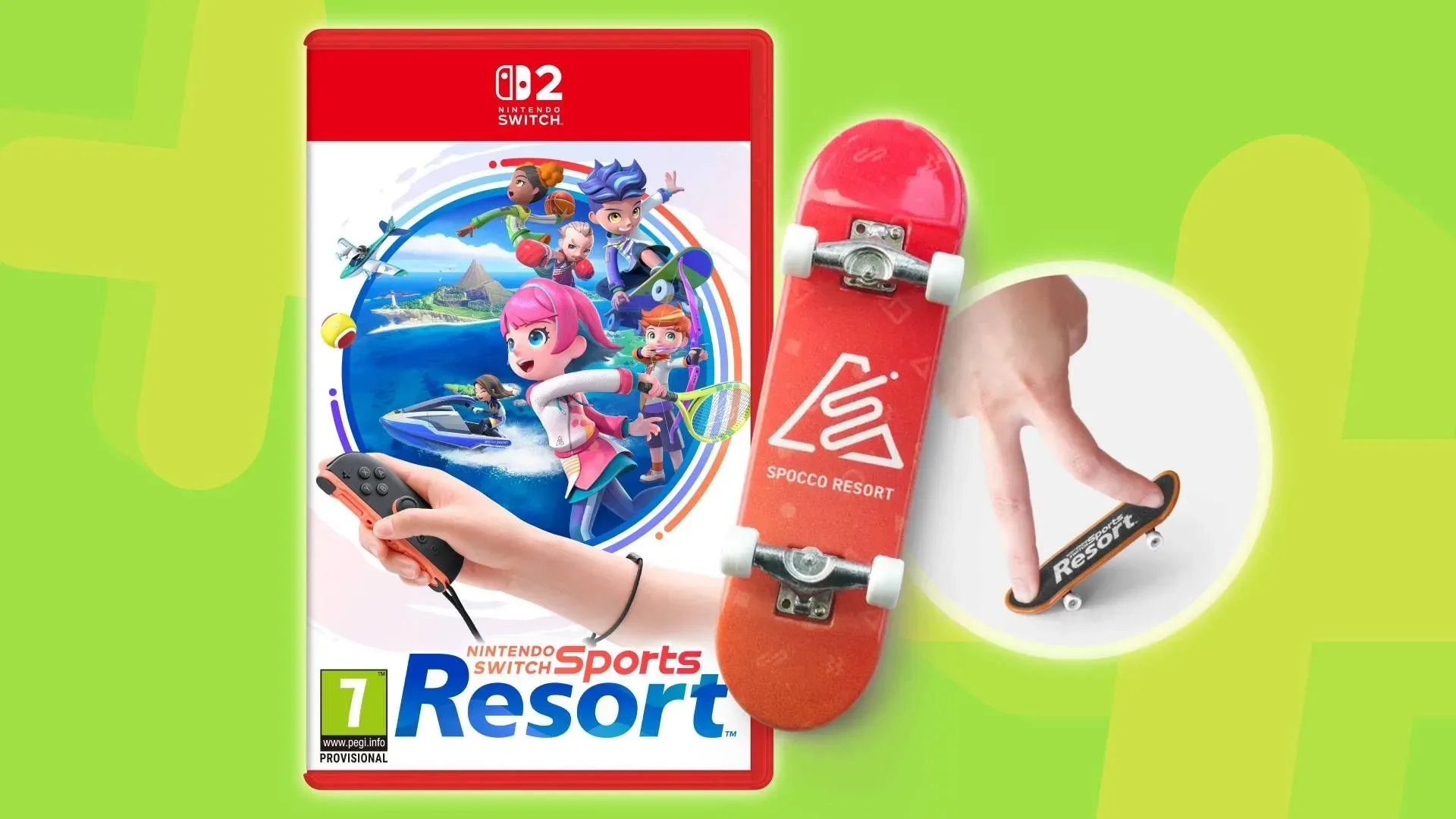
For more recent Nintendo-related shopping context, Joking Joystick has also covered Switch Sports Resort pre-order extras at select UK retailers. That is a separate situation from the Customer Appreciation Sale, but it is a reminder that the best value can depend on the exact retailer, region and product rather than a brand name alone.
A practical September 26 checklist
- Make a short list. Limit it to games or hardware you expected to purchase in the near term.
- Rank by discount resilience. Put titles that seldom fall below about $50 ahead of games that more often reach $40, $30, or lower in major holiday sales.
- Use the known Zelda prices as reference points. Tears of the Kingdom at $48.97 and Breath of the Wild at $41.99 are the specific deals with the strongest supplied case.
- Give older games a waiting test. If you would be happy to wait a couple of months for Luigi’s Mansion 3 or Super Mario RPG, waiting may better suit a lowest-price strategy.
- Confirm before the deadline. The sale ends September 26, so shoppers who decide the current offers fit their plans should verify the exact eligible item and price before it closes.
The short version is simple: the Zelda reductions are the promotion’s most persuasive reason to buy now, because their sale prices sit below the more typical discounted level described for those games. The rest of the event is more conditional. Nintendo’s broad discount range is unusual enough to reward browsing, but buyers with time and a strict budget have sound reason to reserve some older games for the holiday-sales conversation.
Shop the products
Check current price, model and availability at the retailer.