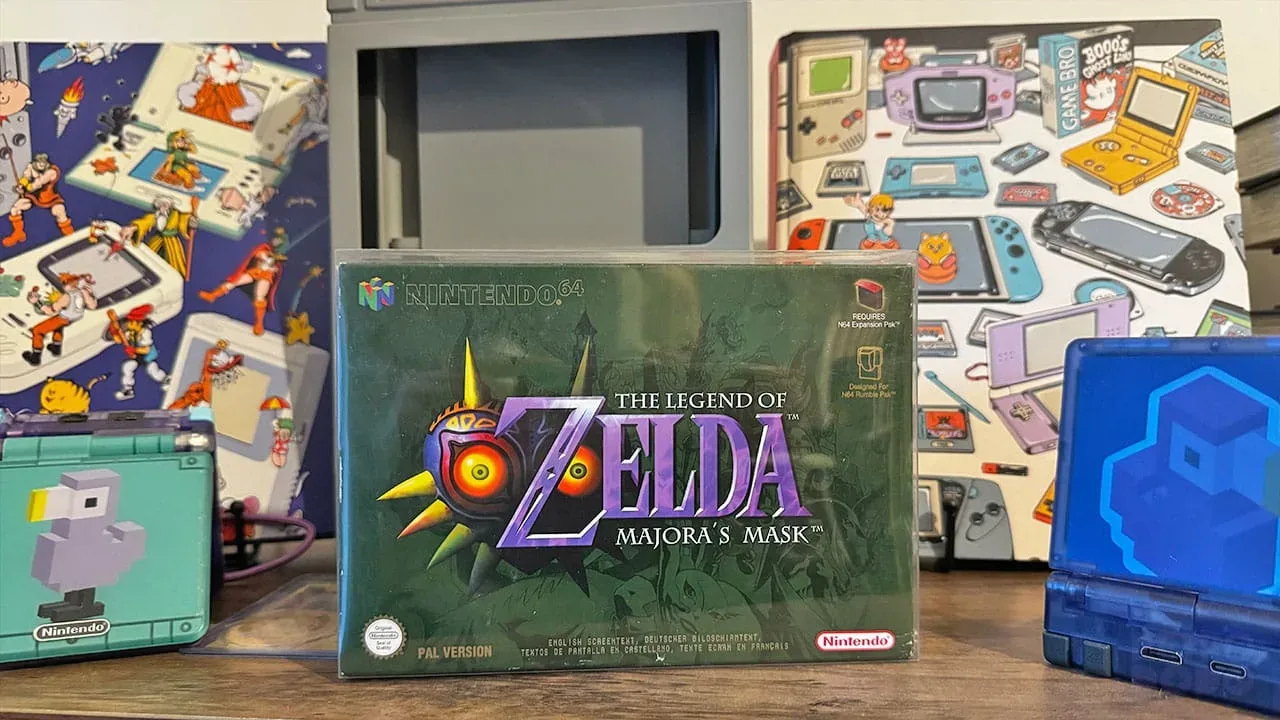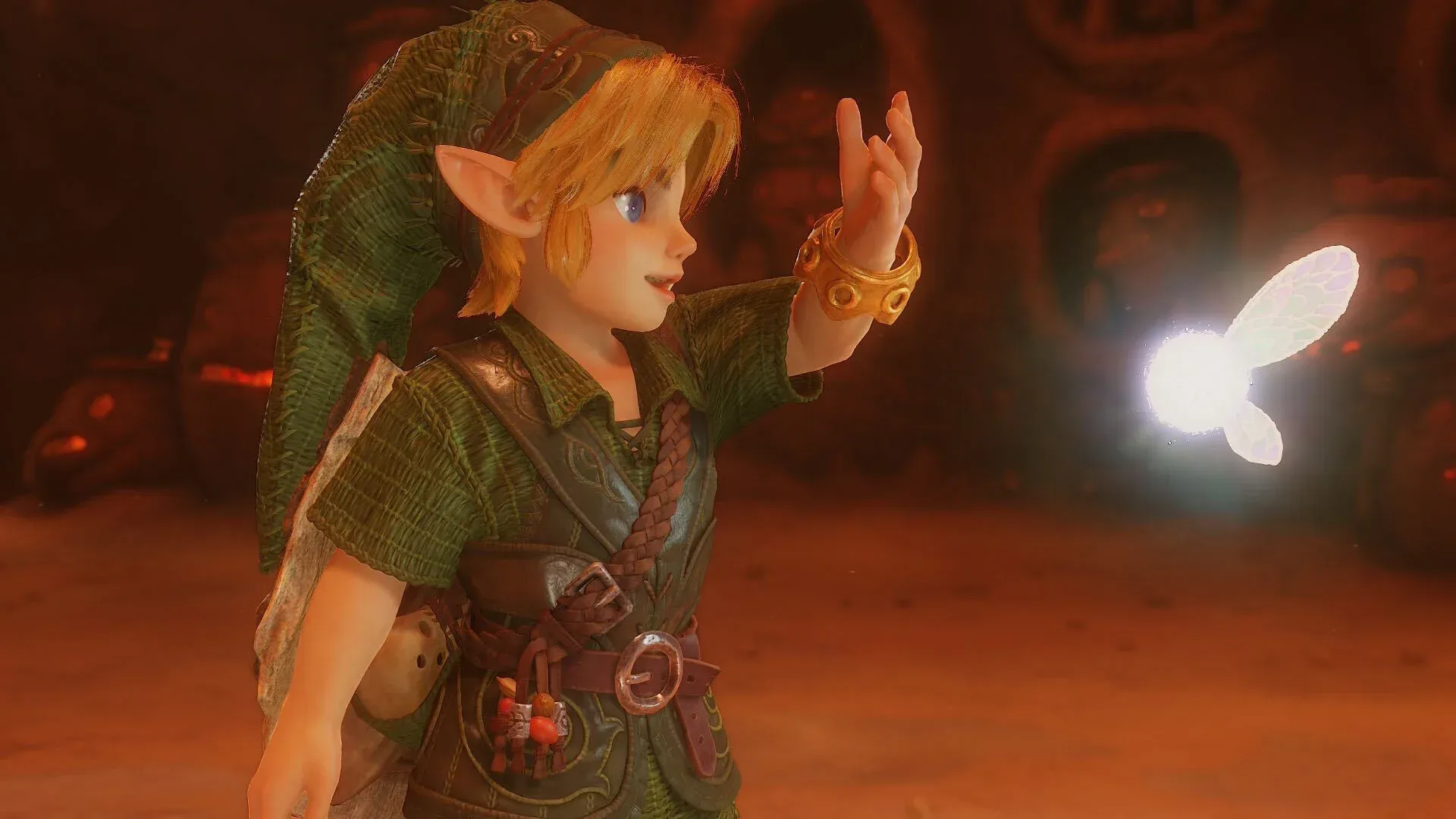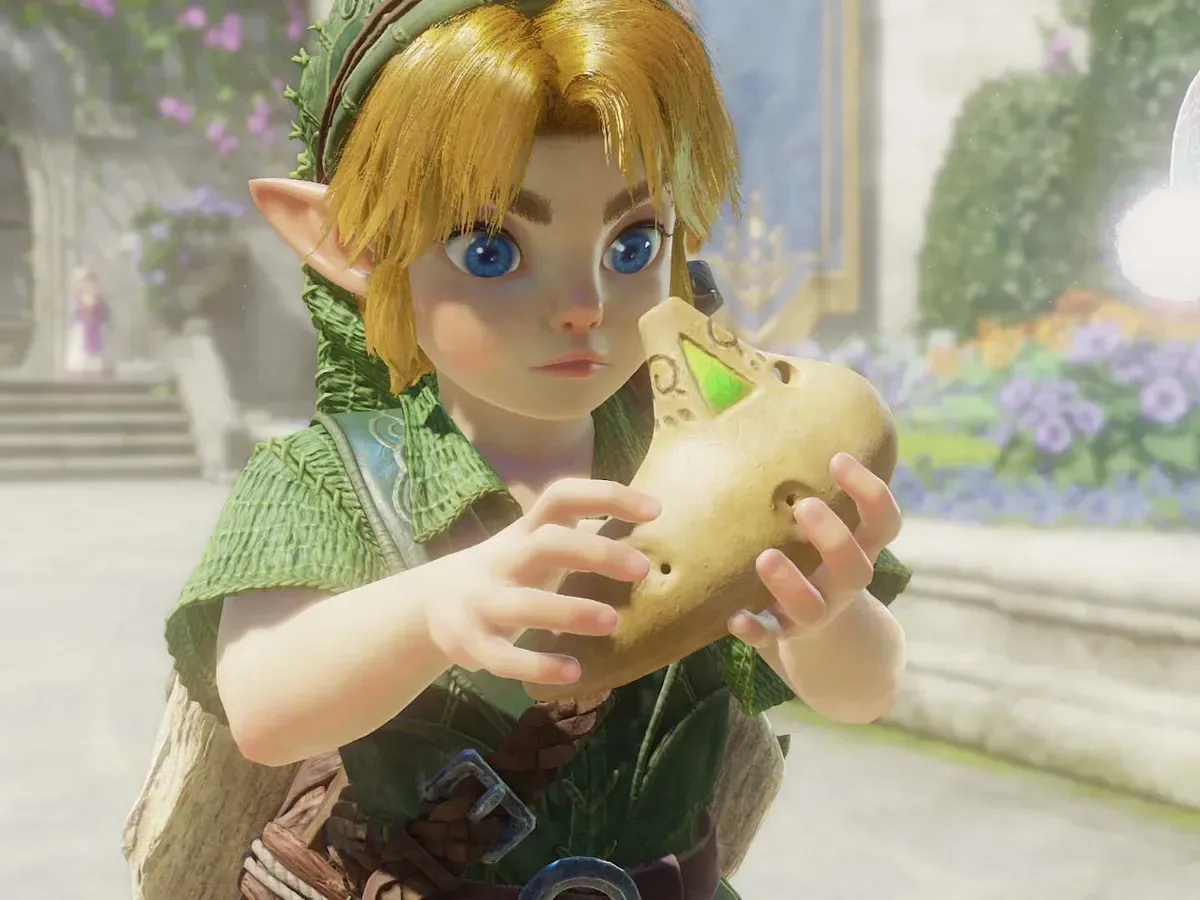
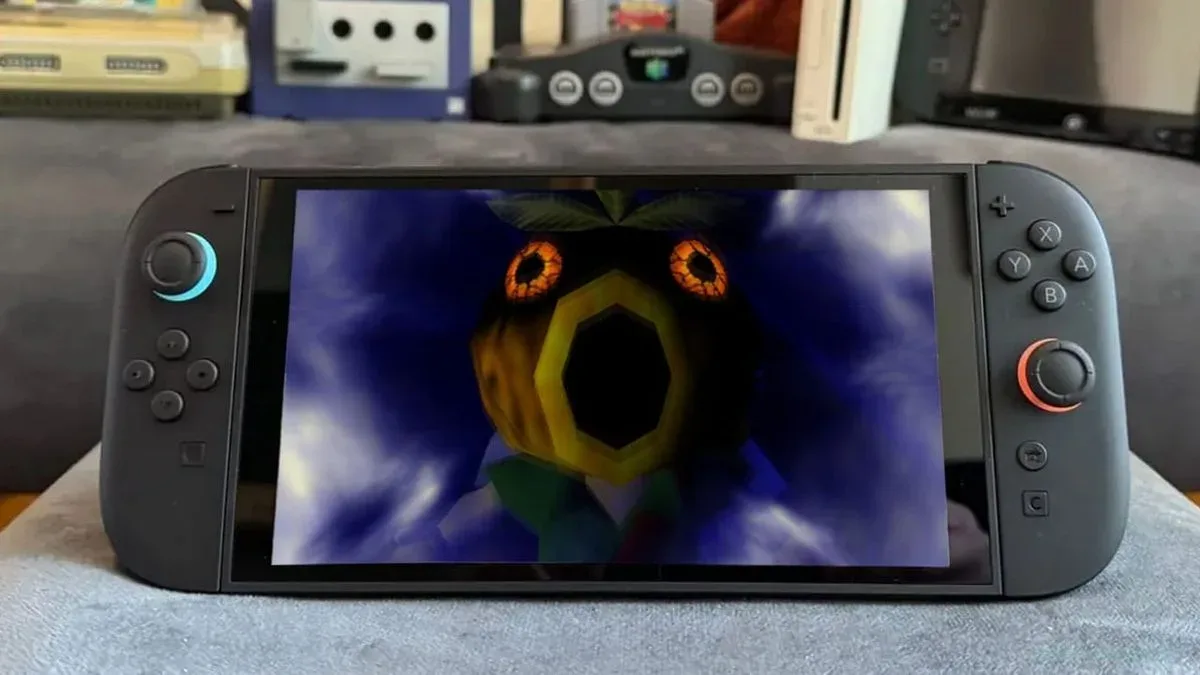
The latest wave of The Legend of Zelda: Majora’s Mask remake speculation has run into a familiar obstacle: a potentially exciting technical clue may have a much less dramatic explanation.
Discussion began around purported game files referring to three mask-related amiibo planned for 2027. Two were described as Young Link and Zelda, while a third was associated with an effect that stops enemies from attacking. Because disguises and masks are central to Majora’s Mask, fans connected that unexplained third entry to Nintendo’s surreal Nintendo 64 adventure and, from there, to the possibility of a remake following Ocarina of Time.
But an unverified claim now says the remaining figure is Ganondorf. If that is accurate, the reported effect makes straightforward sense without requiring a Majora’s Mask announcement: enemies declining to attack a character presented as the Gerudo ruler fits the behavior described in the files.
That does not prove what the item will be, nor does it establish the contents, timing, or even existence of a future Majora’s Mask project. It does, however, illustrate why a single datamined reference is best treated as a lead rather than a roadmap.
What the alleged files appear to show
The available claims concern references to three mask amiibo expected in 2027 and a gameplay outcome tied to one of them. Datamining is the process of examining software data—such as text strings, identifiers, unused assets, and configuration entries—to find material not necessarily visible during ordinary play.
It can be useful. A placeholder or an item name can reveal that developers have considered, tested, or prepared support for something. But the technique has strict limits:
- Files can describe content that is unfinished, changed, or never released.
- An internal label may not explain the final product’s purpose or appearance.
- A mechanic can be shared by more than one character, mask, or item.
- Release plans can shift long after a build is examined.
In this case, the broad mechanical description—enemies do not attack—was enough to invite a Majora’s Mask reading, but it was never uniquely tied to that game. The reported Ganondorf identification supplies a competing interpretation that is at least as compatible with the effect.
The distinction matters. A file can suggest that amiibo functionality may be planned; it cannot, by itself, confirm an entire remake. Moving from “there may be a mask-themed figure” to “a full Majora’s Mask remake is imminent” requires several assumptions that the material does not independently verify.
Related coverage includes Majora's Mask Switch 2 Remake Rumor Cools as Leak Points to Ganondorf amiibo.
Why Majora’s Mask was an easy leap for fans
The theory did not come from nowhere. Majora’s Mask is especially associated with transformation and disguise masks, so the notion of a mask item producing a distinctive effect immediately carries thematic weight. The original game also followed Ocarina of Time and reused assets, a production history that makes the pair feel closely linked in players’ minds.
That relationship can shape expectations even when evidence is thin. If one Zelda project is being discussed alongside additional content such as a reported Master Quest-related DLC reference, it is natural for audiences to look for the next connected game. But a sensible creative sequence is not the same thing as evidence of a production schedule.
There is also an important terminology issue. A remake generally means a new version rebuilt or substantially reworked for newer hardware, whereas a re-release or emulated version preserves more of the original work. The rumor at hand concerns the much larger claim: a new Majora’s Mask remake. A handful of reported amiibo-related entries does not demonstrate that scale of development.
The Ganondorf explanation is plausible, not confirmed
The newer claim should be held to the same standard as the original theory. It is unverified information, not a Nintendo confirmation. Still, it offers a more direct answer to the question of why enemies might ignore the wearer or user of a particular mask.
Ganondorf is the ruler of the Gerudo in Zelda lore, so an enemy-avoidance effect attached to a Ganondorf mask has an understandable in-universe logic. The proposed mechanic therefore no longer needs to be treated as a special Majora’s Mask signal. It could simply be character-themed amiibo functionality.
At present, the available claims support curiosity about possible amiibo content—not certainty about a Majora’s Mask remake.
That is not as thrilling as a moon-shaped countdown toward a surprise reveal, admittedly. Rumor season occasionally turns every file name into a treasure chest, and sometimes the chest contains a map to a new adventure. Other times it contains a very ordinary key labeled “Ganondorf.”
What this means for players considering the rumor
For fans deciding whether to get excited now, the practical answer is restraint. There is no confirmed product name, release date, platform plan, price, trailer, or official statement in the available material. There is also no demonstrated connection between the alleged amiibo references and a Majora’s Mask game.
A useful way to separate the signals is to rank them by what they actually establish:
- Reported data references: potentially indicate planned or tested amiibo-related material, but do not provide full context.
- Interpretation of a gameplay effect: suggests a function, though the exact character or implementation remains uncertain.
- Unverified Ganondorf claim: offers a plausible identity for the mysterious item and weakens the Majora’s Mask-specific reading.
- Remake conclusion: remains speculation, because none of the earlier steps confirm a new game is in development.
That framework is not meant to drain the fun from rumor discussion. Speculation can be entertaining, especially for a series with a cast, iconography, and history that invite connections. It simply prevents an ambiguous mechanic from becoming a presumed announcement by the time it travels through social feeds.
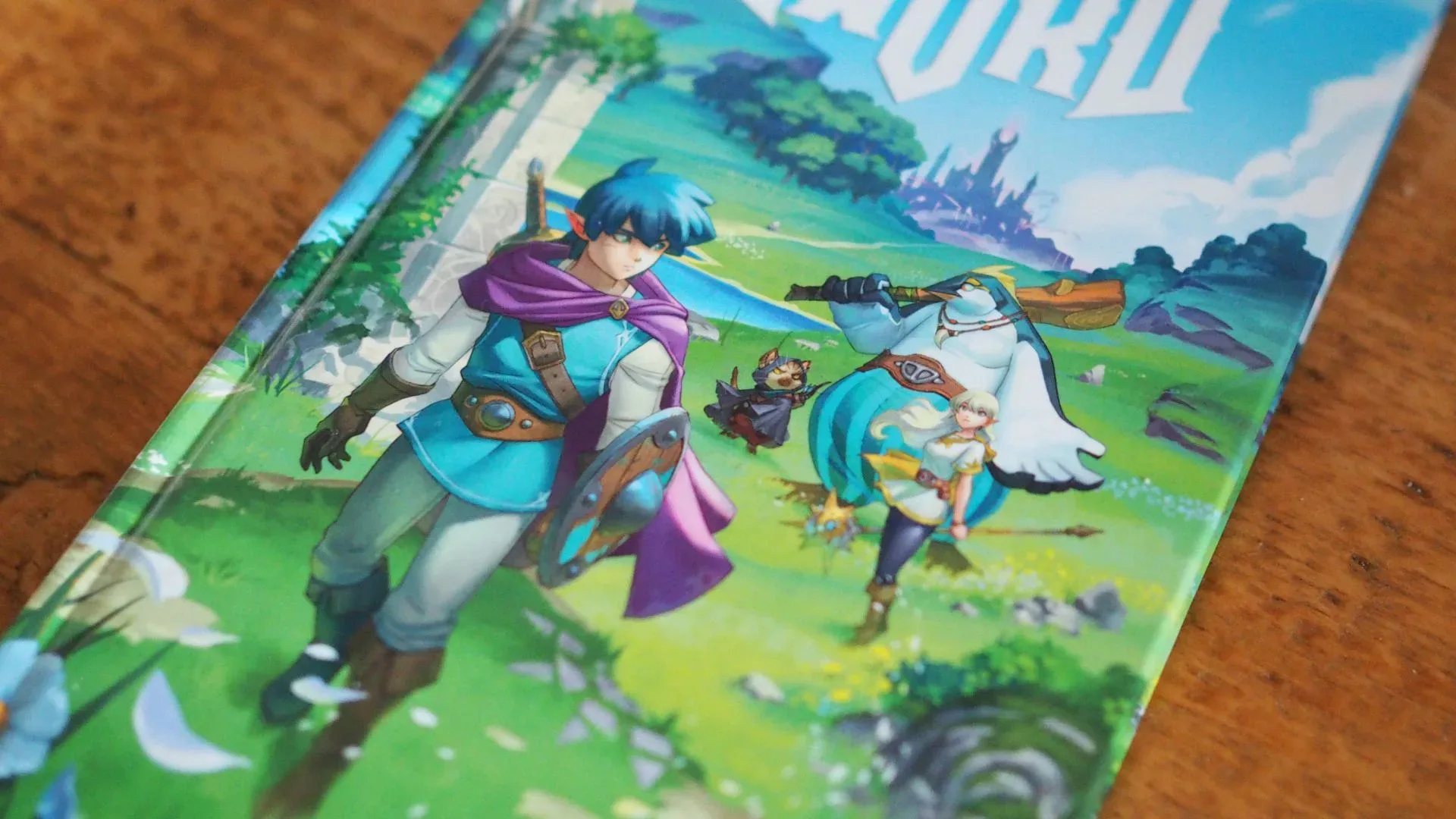
Anyone eager for Zelda-flavored adventures outside the video-game rumor mill can also look at Twilight Sword’s Zelda-style tabletop approach. It is a separate project, not evidence connected to Nintendo’s plans, but it shows why the series’ mix of quests, tools, and fantasy identities remains such a durable inspiration.
The reported Master Quest material deserves separate caution
The same discussion has included purported references to Master Quest content, described as possible DLC. That idea, too, has not been officially established by the information provided. “DLC,” or downloadable content, is additional material distributed after a game’s initial release. A file reference can be consistent with such plans, but it cannot guarantee that the content will ship, what it will include, or when it might arrive.
Keeping the alleged Master Quest material separate from the Majora’s Mask theory is important. One possible addition to one game does not automatically reveal the next game in a franchise. The two notions may be unrelated, may be connected only by broad Zelda branding, or may change before any public announcement.
What would count as stronger evidence
The speculation would become materially firmer if there were official Nintendo messaging, a trailer, a store listing, a clearly attributable regulatory classification, or documentation that explicitly named Majora’s Mask rather than merely describing a mask mechanic. Even then, each item would need context: placeholder listings happen, promotional assets can be prepared early, and projects can be revised.
For now, no such confirmation is established here. The most defensible reading is narrow: reported files prompted a theory; a later unverified identification gives that theory a credible alternative explanation. A Majora’s Mask remake may still be something fans would like to see, but desire and evidence occupy different save slots.
Until Nintendo says otherwise, treat claims about a Switch 2 Majora’s Mask remake as rumor rather than release news. The alleged Ganondorf amiibo detail has not settled every question, but it has made one point clearer: the enemy-avoidance clue is not, on its own, a reliable sign that Termina is next.