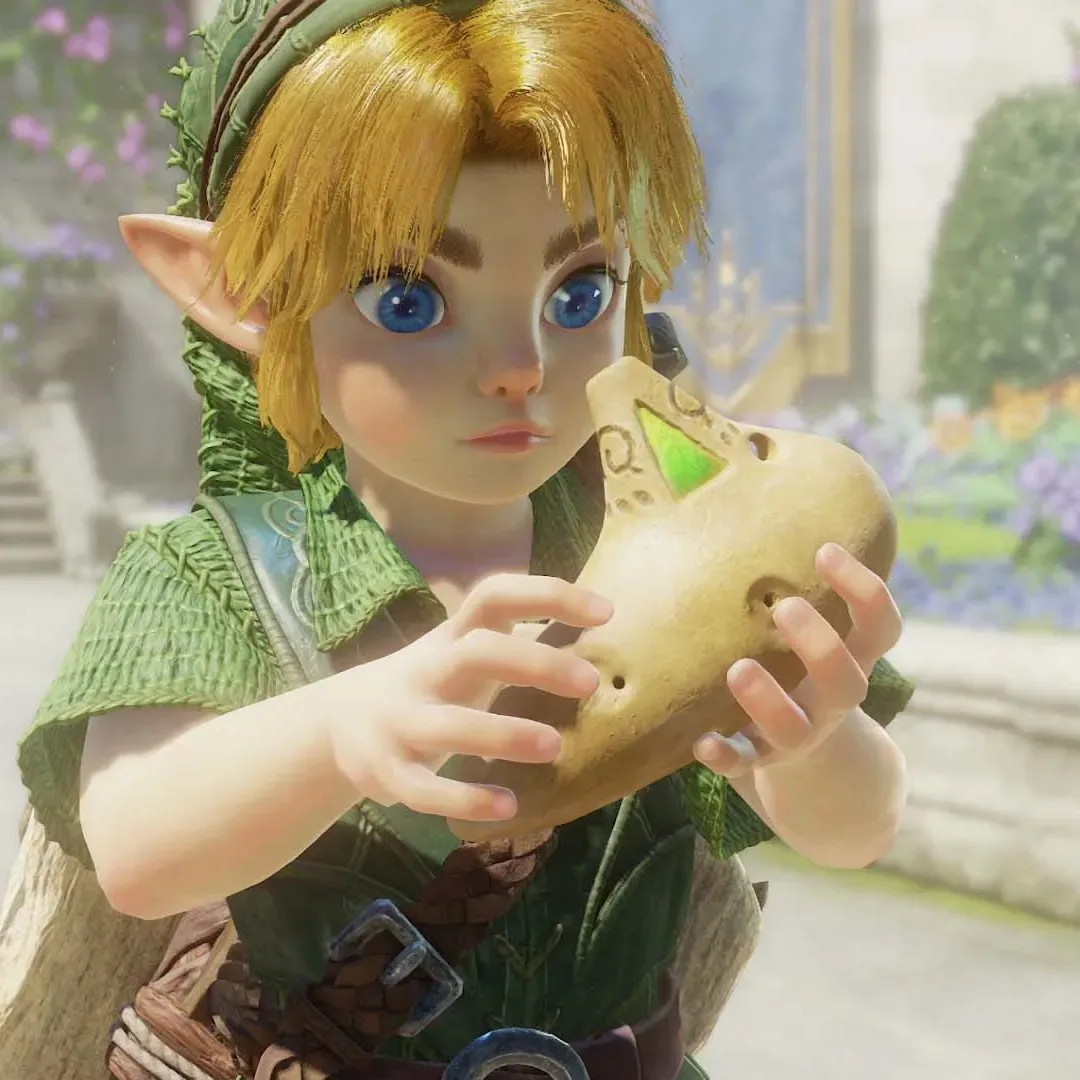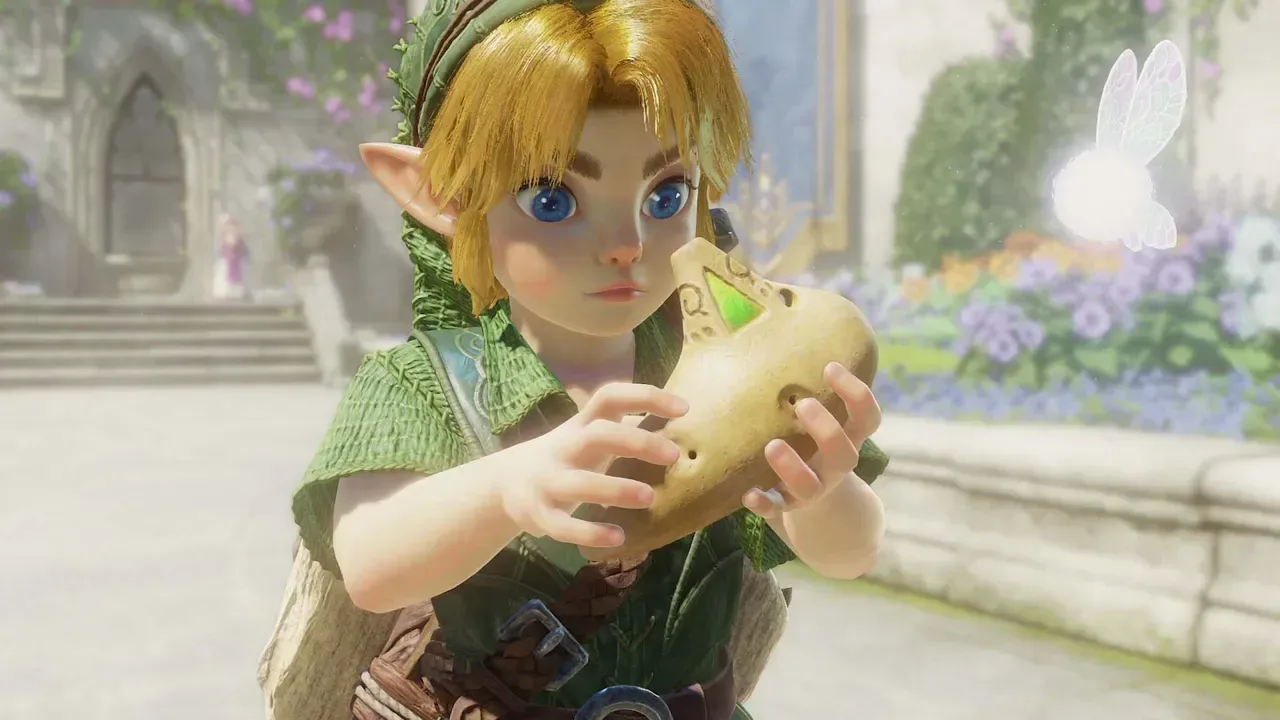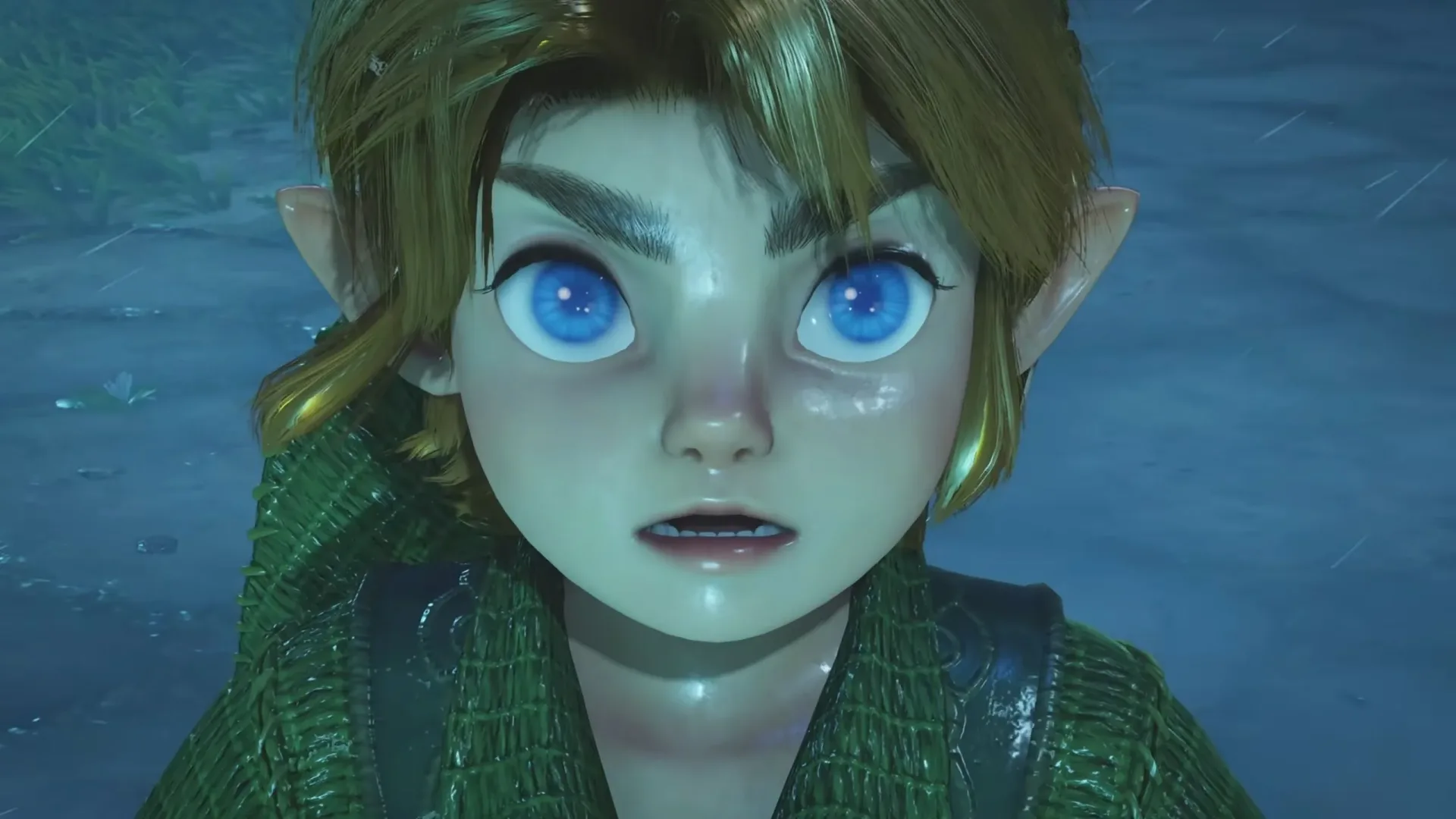
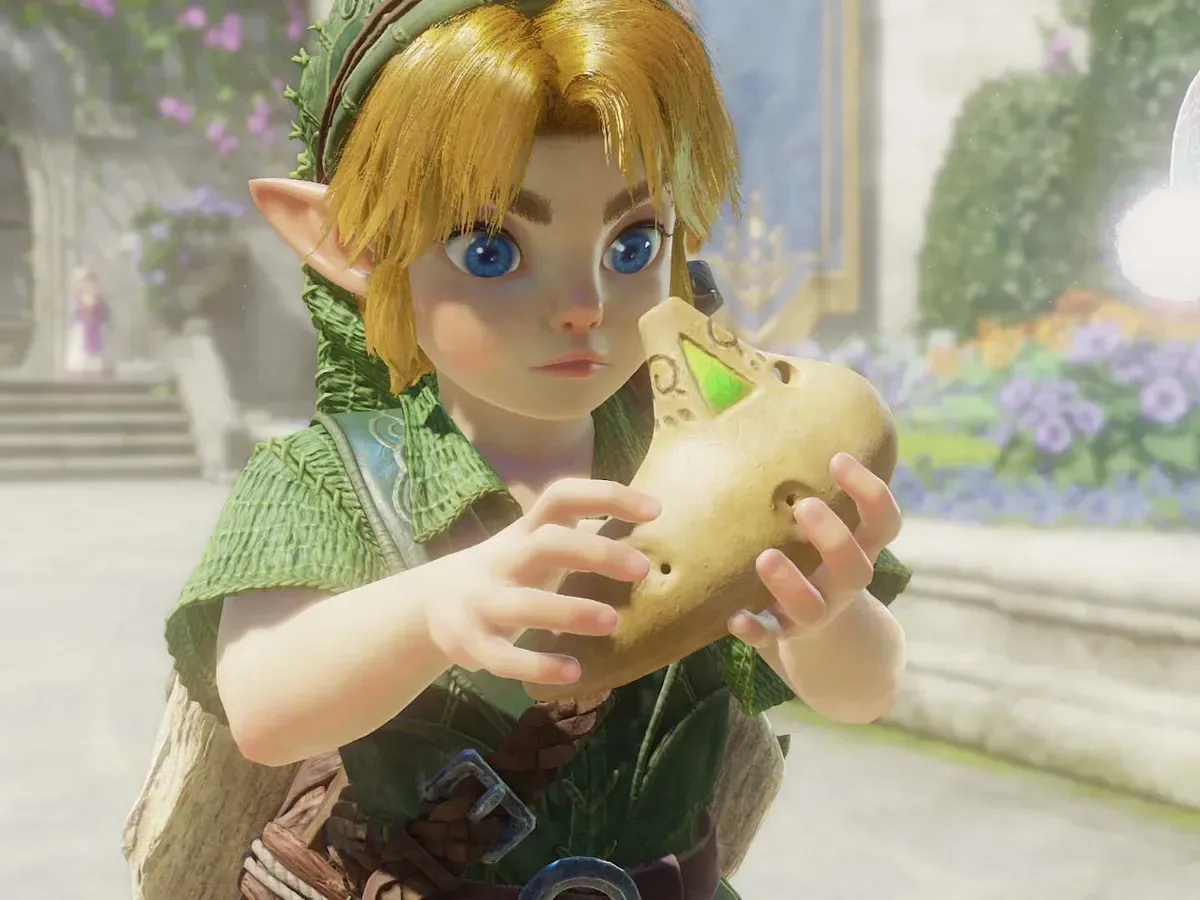
The Legend of Zelda: Ocarina of Time Remake has barely had time to settle into players’ Switch 2 libraries, yet its ocarina has already escaped the boundaries of Hyrule’s usual songbook. The remake launched November 5, and a standout addition lets players perform tunes of their own choosing on Link’s instrument. That freedom has rapidly become a social-media showcase for game themes, movie music, pop songs, anime melodies, shop jingles, and—because the internet remains committed to wordplay—an alarming number of Hyrule-themed puns.
The most appealing part of the trend is its range. One moment Link is performing Linkin Park’s In the End; the next, players are hearing music associated with Final Fantasy, Kingdom Hearts, Death Stranding, Kirby Air Riders, Titanic, and The Lord of the Rings. The remade ocarina is not simply being treated as a novelty button. Players are using it as a small, accessible performance tool—and sharing methods so other people can recreate the results.
A Zelda instrument becomes a player-led music space
Ocarinas have always occupied a special place in this series because music is practical as well as atmospheric. The instrument is not background decoration: songs can direct Link through the world, support puzzle-solving, and enable fast travel. The remake preserves that purpose, with 13 in-game songs to discover and learn, but its more open performance capability has created a second use for the instrument. One is a designed game mechanic; the other is player expression.
That distinction matters. A scripted melody is a gameplay command: it has a specific intended effect, such as activating an event or moving the player between places. A player-arranged tune, by contrast, is a performance. It does not need to advance a quest to be meaningful. Its value is in recognition, technique, humor, or in the peculiar satisfaction of hearing a familiar melody translated into the timbre of Link’s iconic instrument.
For more context, explore TSMC Approves Up to $1 Billion for OpenAI and Anthropic, Deepening the AI Chip Race.
In this context, “arrangement” means adapting a composition to the notes and musical character available on the ocarina. Many popular songs rely on a wide pitch range, sustained accompaniment, percussion, or several simultaneous musical lines. An ocarina rendition necessarily emphasizes the melody listeners will recognize first. That limitation is not a defect; it is a large part of the format’s appeal. Hearing a piece reduced to a clear melodic line can make it instantly legible—or unexpectedly funny.
From Linkin Park to “Macarena of Time”
One widely shared example has Link perform Linkin Park’s In the End. Its popularity led the player behind it to post a follow-up guide, shifting the moment from a single joke into something more communal. A guide matters in a trend like this because it makes the performance repeatable. Instead of merely watching somebody else do something clever, other players can learn the note sequence and add their own variations, recordings, or corrections.
The reaction also supplied one of the inevitable Zelda riffs: “Macarena of Time,” a version of the ’90s dance hit filtered through the game’s title. Such gags may be lightweight, but they show why the ocarina format travels so well online. The instrument, Link, and the series’ setting provide a shared visual and cultural framework. A familiar tune needs only a few recognizable notes before the audience understands the reference, and the caption can handle the rest.
Related coverage includes Ocarina of Time Remake Players Turn Link's Instrument Into a Viral Song Machine.
This is an especially efficient kind of fan creativity. Players do not need to build a mod, make a full remix, or own specialist recording equipment to take part. They need a tune, an idea of how to map its melody to the available notes, and a willingness to share the result. The lower the barrier to contributing, the more rapidly a format can diversify.
Game music leads the way
Video game music has been a natural early destination. Players have tackled Final Fantasy X’s To Zanarkand, a piece regularly associated with the series’ more emotional side, with accompanying play guidance also shared. Another post presents a duet featuring Link and Cloud performing the main theme from Final Fantasy VII. Kingdom Hearts’ Dearly Beloved has also appeared among the renditions.
These choices make sense on musical and cultural grounds. A well-known game theme can already carry memories of a particular story, menu screen, location, or character. Stripping it to an ocarina line does not erase that association. It reframes it. A Final Fantasy melody played in Hyrule makes the crossover feel unofficial, playful, and immediately understandable without needing either franchise to formally interact with the other.
Newer games are receiving similar treatment. Players have attempted BB’s theme from Death Stranding and Starlit Journey, the main theme of Kirby Air Riders. Together, those choices suggest that the trend is not driven only by nostalgia for older game music. The ocarina is becoming a common musical frame through which players can revisit whatever soundtrack is currently on their minds.
There is a practical lesson in the choices, too: a melody with a distinct contour tends to survive instrumental reduction well. “Melodic contour” is simply the shape made as notes rise, fall, repeat, or leap. People can often identify a tune from that shape even when the original instrumentation, tempo, and accompaniment are gone. That is why an ocarina can convincingly evoke a large orchestral or electronic track without reproducing every part of it.
Film scores arrive in Hyrule
Film music has proved similarly adaptable. Players have performed the main theme from Titanic, along with music associated with The Lord of the Rings. Howard Shore’s Concerning Hobbits, from The Fellowship of the Ring, received the inevitable Zelda rewrite: “Concerning Hylians.” It is a small alteration, but it captures the entire social format. Take a melody with an established emotional identity, place it in Link’s hands, then let the caption make the crossover official in spirit if not in canon.
There is a useful contrast between these performances and the ocarina’s narrative role. In the game’s world, Link uses music as a serious, often mystical instrument. Outside the story, players can make it play a romantic film theme or an affectionate parody of another fantasy property. The feature lets the game accommodate both moods at once. It can remain an adventure tool while becoming a stage prop for the audience’s own references.
Why supermarket jingles fit so neatly
Some of the most telling examples come from Japan, where players have been performing familiar store and supermarket jingles. One rendition takes on Yobikomi-kun, while another brings the famously catchy Don Quijote jingle to a fictional “Hyrule branch.” These are not prestige soundtrack selections. They are everyday earworms, the kind of short melodies many people know from routine errands rather than from a favorite album or movie.
That ordinariness is exactly why they work. Store jingles are generally built to be compact and memorable; a listener needs to recognize them quickly in a busy commercial space. That tends to make them good candidates for a short, melody-forward instrument. A simple sequence can be more successful on an ocarina than a technically dense piece whose identity depends on elaborate production.
The supermarket examples also expand the idea of what counts as a worthwhile performance. The point is not necessarily reverence for a song. It can be recognition, local familiarity, or the comic collision between an epic fantasy adventure and the music of a shopping aisle. The trend has room for both an emotional game theme and a retail jingle because both can trigger an immediate response.
National symbols, visual jokes, and community context
Players have also tried Japan’s national anthem. That prompted jokes connecting Link to the Hojo samurai clan, whose crest resembles the triangular imagery of the Triforce. The exchange illustrates another layer to these posts: performances can lead into conversations about visual motifs, cultural associations, and small observations people may not otherwise have had reason to mention.
That does not make every comparison a statement about official Zelda lore. It is better understood as a fan observation and a social-media joke built around a resemblance. The distinction is important. The creativity here comes from players combining recognizable pieces of culture in an informal space, rather than uncovering a newly established detail about the game’s fiction.
The physical Playable Ocarina adds another route in
Nintendo has also released an official Playable Ocarina, a physical replica that can interact with the game. If a player performs a melody toward the Switch 2 microphone, Link will play along in-game. The result creates a bridge between an in-game musical mechanic and a real instrument in the player’s hands.
It is worth separating what this accessory does from the remake’s own flexible ocarina feature. The physical product is a replica that can be played toward the console microphone so that Link joins in. The in-game feature, meanwhile, is what has supported the wave of shared virtual renditions. Both speak to the same broader appeal: the ocarina is no longer only an object Link owns inside the story. It can be a means for players to participate in the game’s musical language themselves.
For players interested in the adventure rather than the performances, the original functional role remains intact. Locating the game’s 13 songs is still valuable because those melodies support travel and puzzle solutions. That is the practical side of the instrument, separate from the viral song machine forming around it. A player can be chasing the next quest objective one minute and trying to reconstruct a supermarket jingle the next.
A feature with an unusually broad audience
The remake has sold 5.2 million copies in its first four days, making it the fastest-selling Switch 2 game in that period. A large audience does not automatically create a creative trend, but it gives one a wide pool of participants and viewers. In this case, the shared ocarina feature has something unusually durable to work with: the world has no shortage of recognizable melodies, and each performance can be personal without requiring a new ruleset or new content drop.
What emerges is less like a single meme than a small performance culture. Some players are offering note guidance. Some are choosing sentimental favorites. Some are prioritizing jokes. Some are finding music that is instantly recognizable in their own daily surroundings. The common thread is not genre, era, or country; it is the pleasure of hearing a known tune emerge from an instrument inseparable from Zelda.
That makes the remake’s ocarina one of those rare features that works on several levels at once: a central adventure mechanic, a nostalgia object, a physical accessory concept, and an open-ended canvas for players. Hyrule may have its prescribed melodies, but the community has evidently decided the repertoire is much larger.