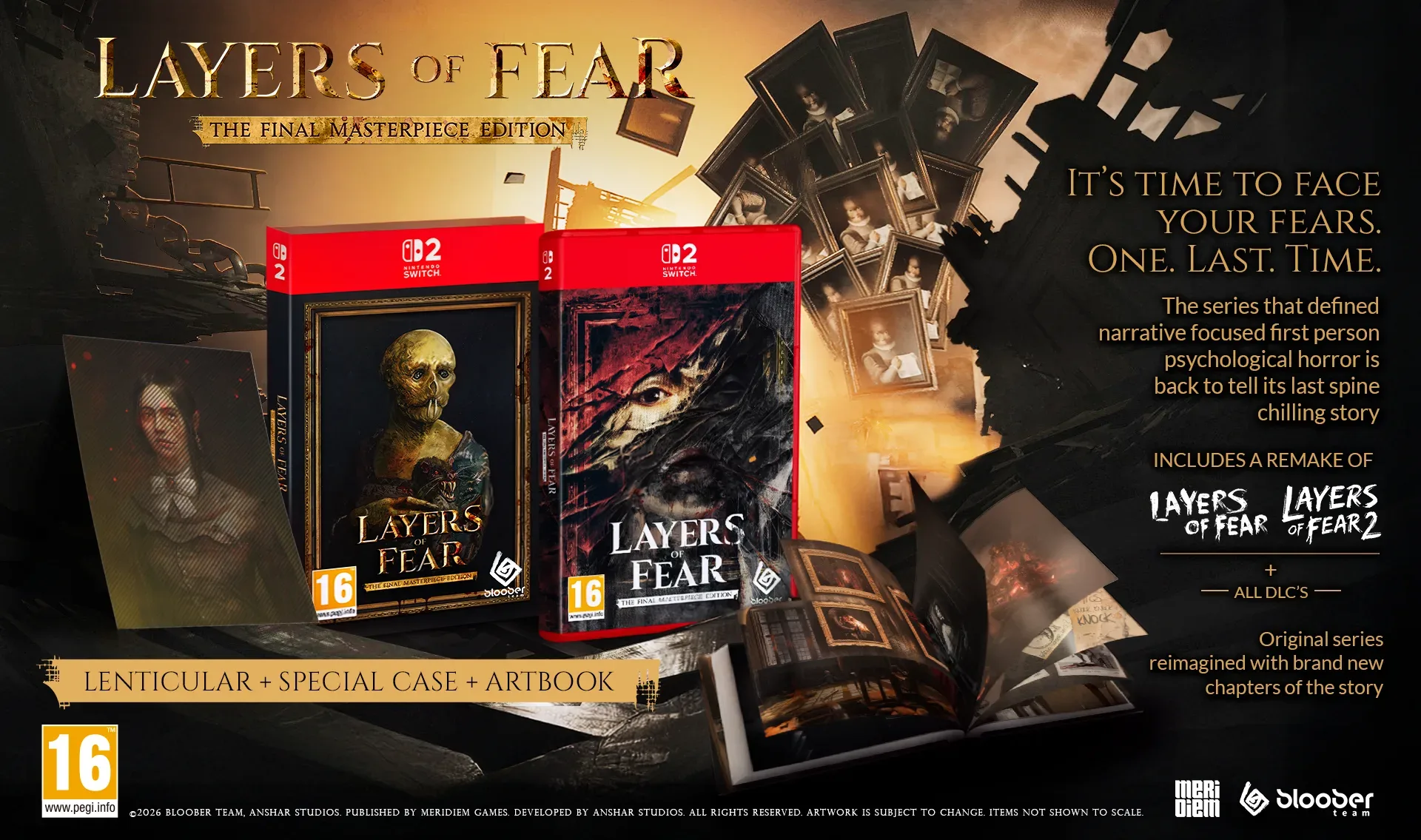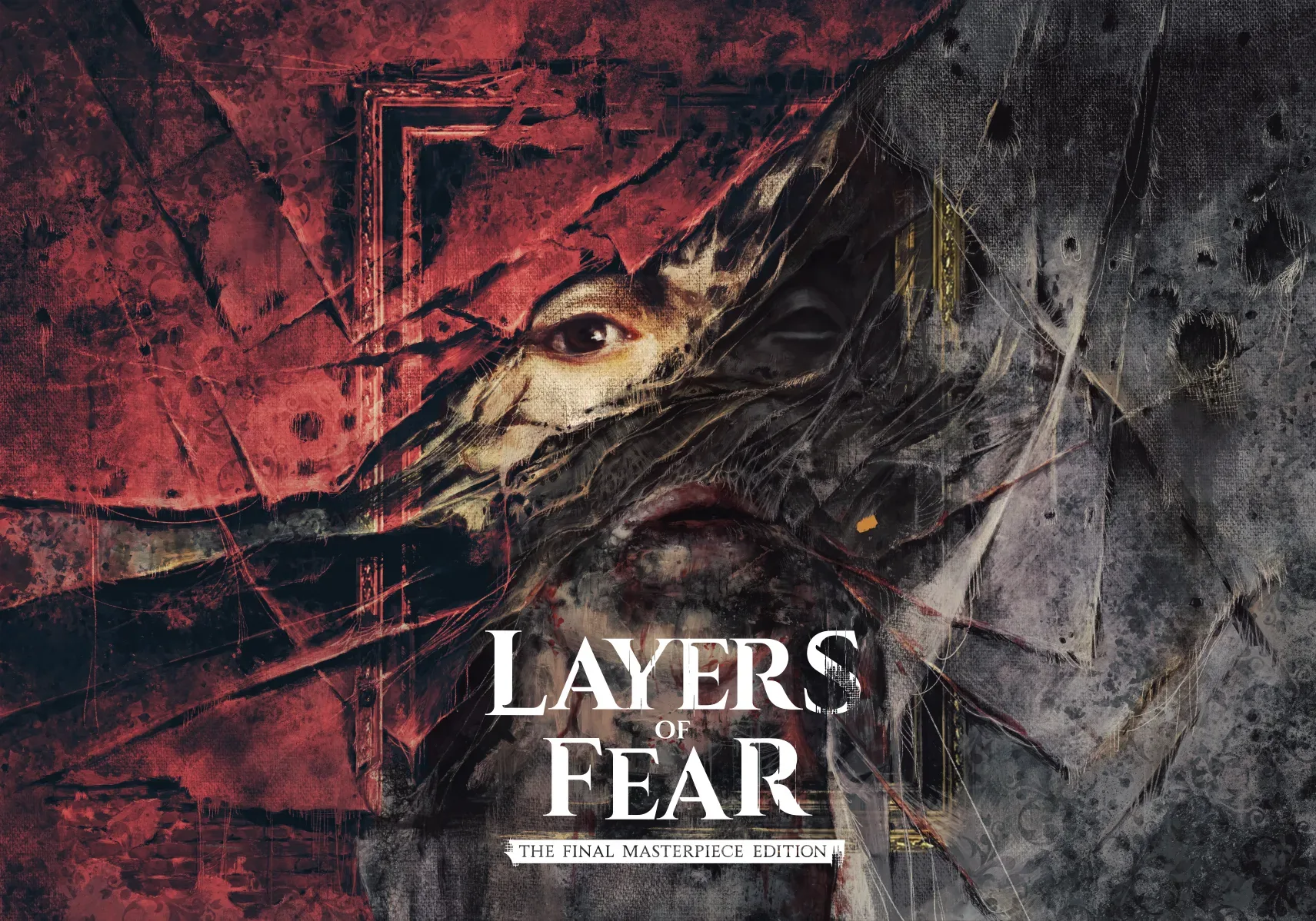
Layers of Fear: The Final Masterpiece Edition is now available physically for Nintendo Switch 2. The cartridge release packages Bloober Team’s 2023 Layers of Fear and Layers of Fear 2, their released downloadable content, and newer story material intended to connect the anthology’s separate threads.
The physical edition was designed and manufactured by Meridiem. Alongside the game cartridge, the package includes a special case, a lenticular postcard and an artbook. That makes this a physical edition with a little more on the shelf than a standard box, while its central proposition remains the complete narrative collection rather than a newly separate game.
What is included in The Final Masterpiece Edition?
The collection brings together several perspectives, settings and protagonists connected by creativity, obsession and deteriorating reality. It is built around first-person exploration and psychological horror: the player moves through spaces, examines the environment, solves puzzles and uncovers narrative context rather than relying on combat-focused action.
Its contents are:
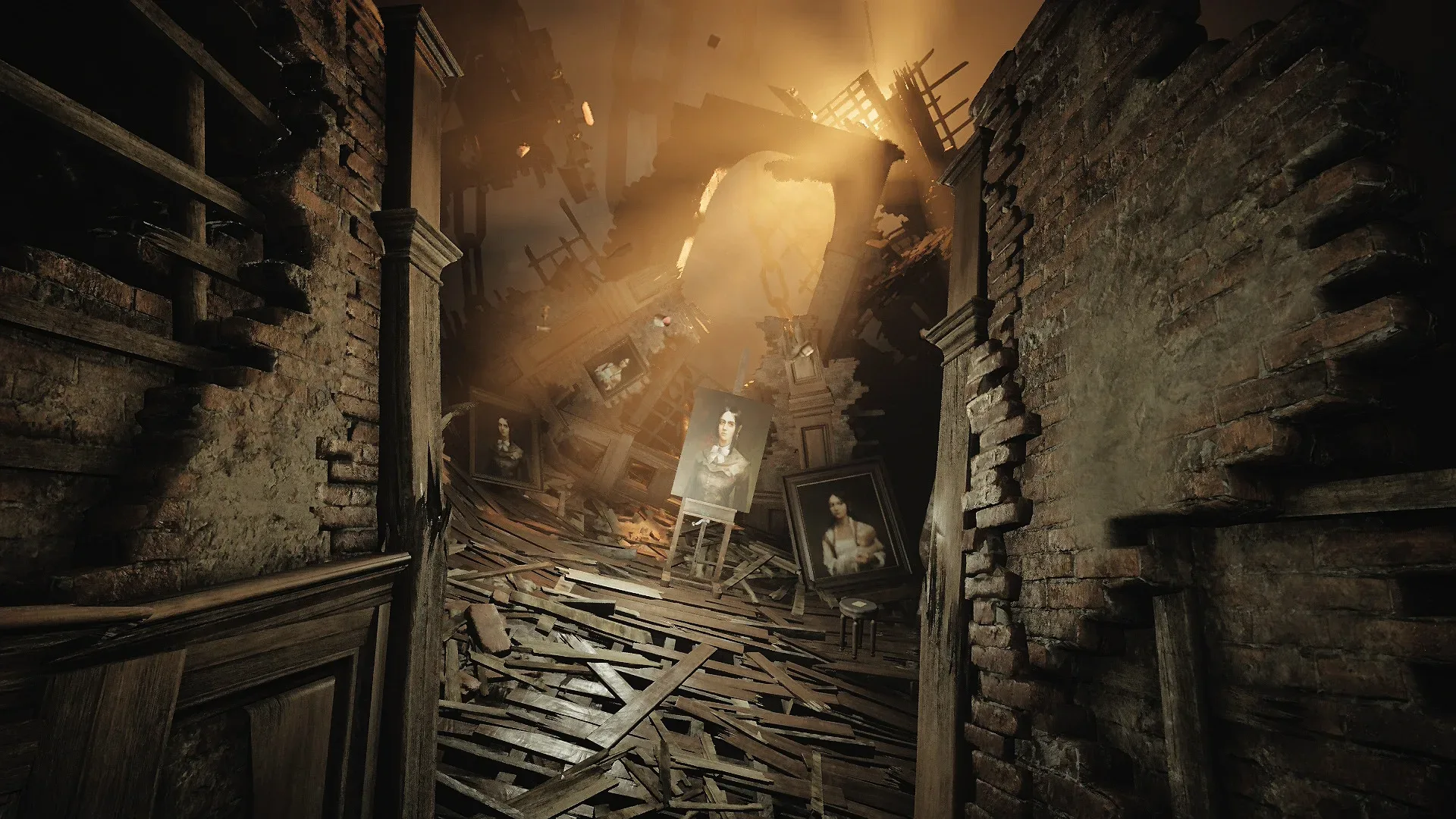
- Layers of Fear (2023): Players take the role of The Painter, an artist attempting to finish a defining work inside an unstable Victorian mansion. The setting changes around the player as they seek the tools and memories associated with the painting.
- Inheritance DLC (2023): The story returns to the mansion through the eyes of The Painter’s Daughter, dealing with the lasting impact of her father and recollections shaped by fear and guilt.
- The Final Note DLC: This chapter revisits the family tragedy from The Painter’s Wife’s viewpoint, putting devotion, resentment and sacrifice at the center of its account.
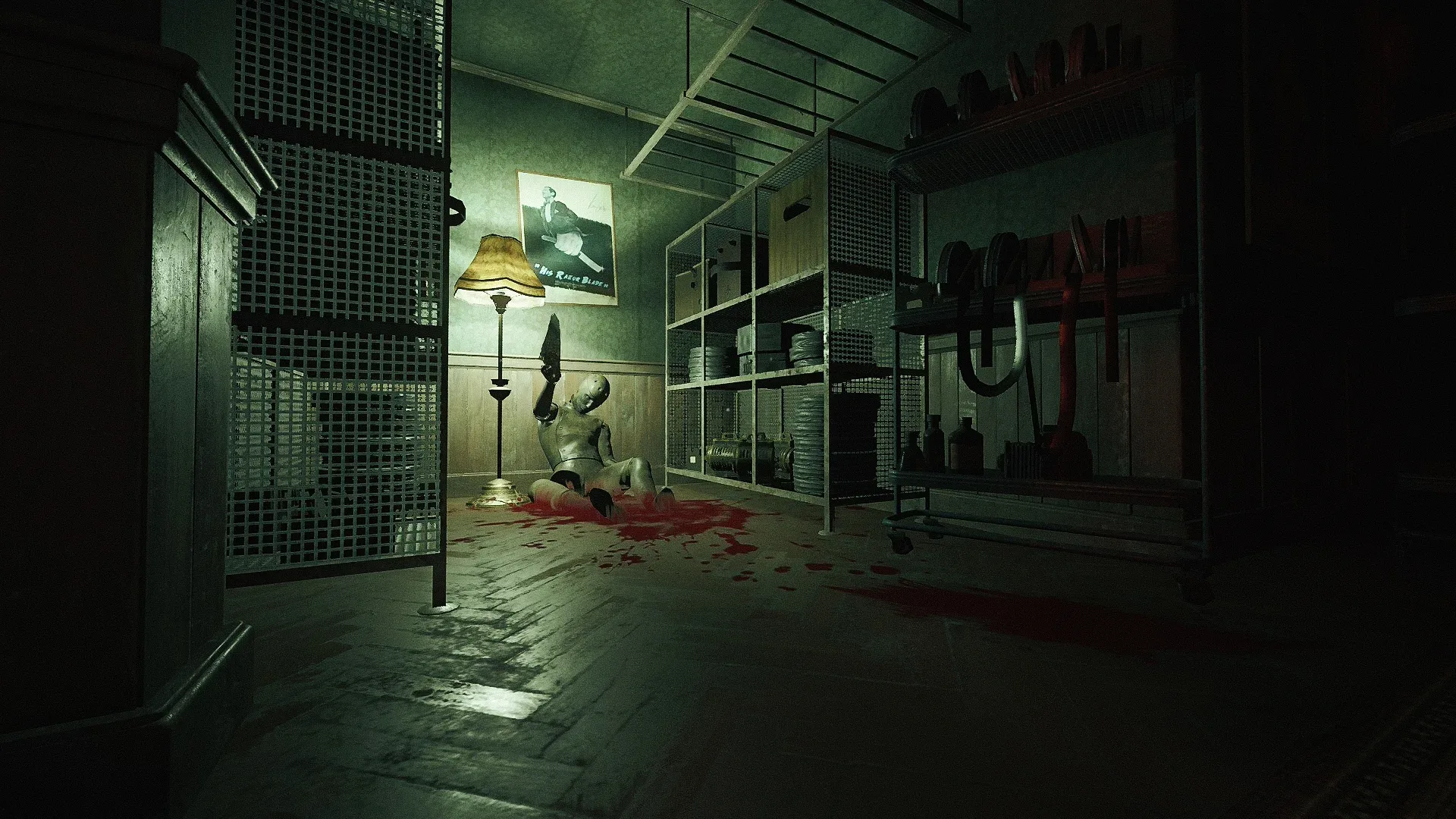
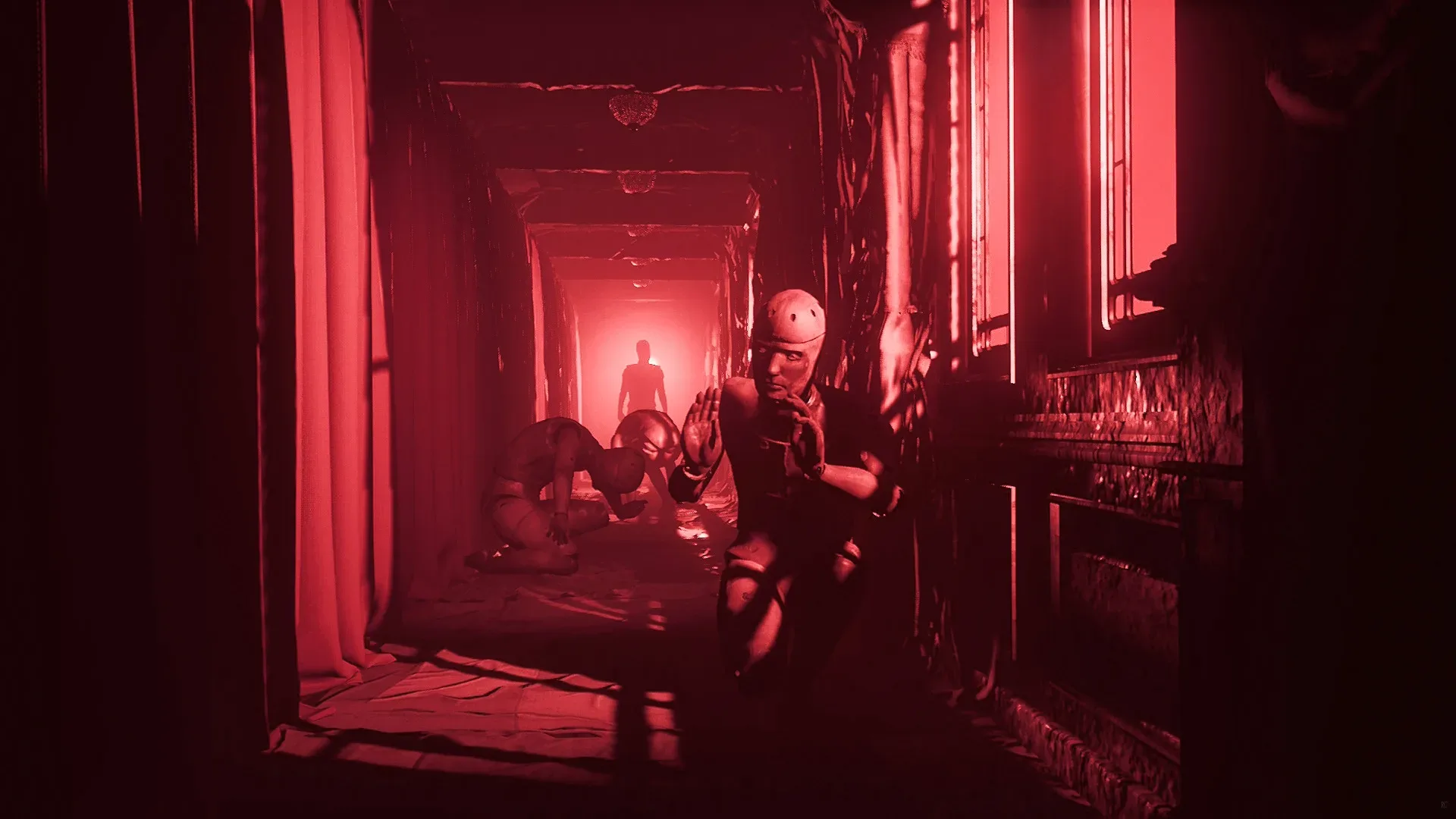
- Layers of Fear 2 (2023): Players become The Actor aboard an ocean liner, pursuing a role under the direction of an unseen filmmaker. Tony Todd voices that director.
- The Final Prologue: Players take on the role of The Director and attempt to save a production while its set descends into chaos.
- The Lighthouse Chapter: The Writer explores an abandoned lighthouse and works to assemble the connection between the collection’s stories into a final narrative.
For prospective players, that list is important because “Final Masterpiece Edition” refers to a broad package. It includes the two 2023 games and the listed expansions and chapters, rather than simply being a physical version of one entry. The additional Lighthouse material, in particular, is positioned as the linking device for the anthology’s larger story.
A horror collection built around artists and unstable spaces
The individual chapters use distinct creative professions and environments. The Painter’s story revolves around a Victorian mansion and an artist’s unfinished masterpiece. The Actor’s scenario relocates the horror to an ocean liner and frames the player as someone trying to inhabit a role assigned by a demanding director. The Writer’s lighthouse chapter is designed to make sense of how the different narratives sit together.
That framing gives the collection a through-line without reducing every chapter to the same situation. The stated connective theme is a web of obsession involving three creators: The Painter, The Actor and The Writer. Other playable viewpoints, including The Painter’s Daughter, The Painter’s Wife and The Director, expand the picture around those principal figures.
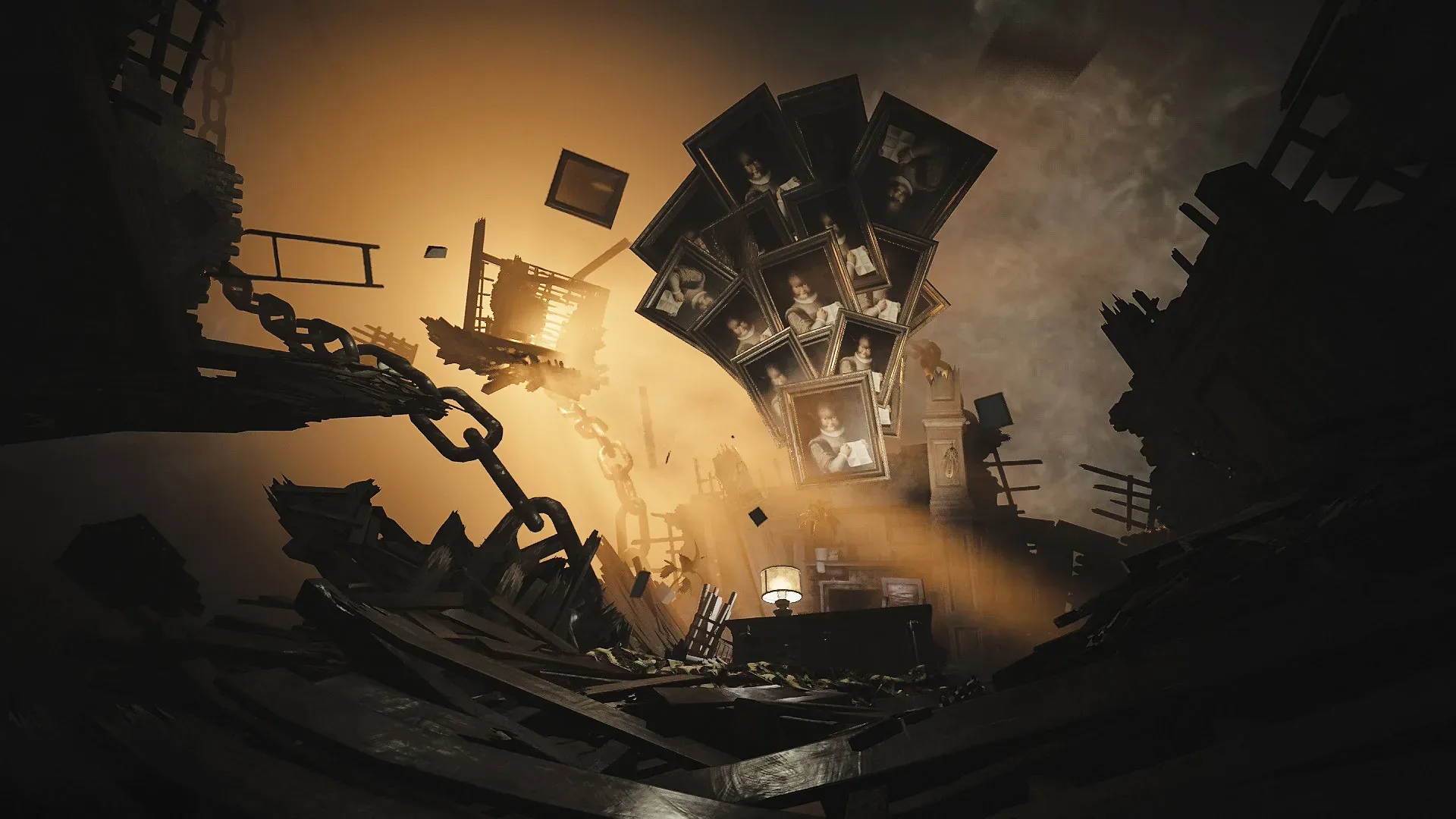
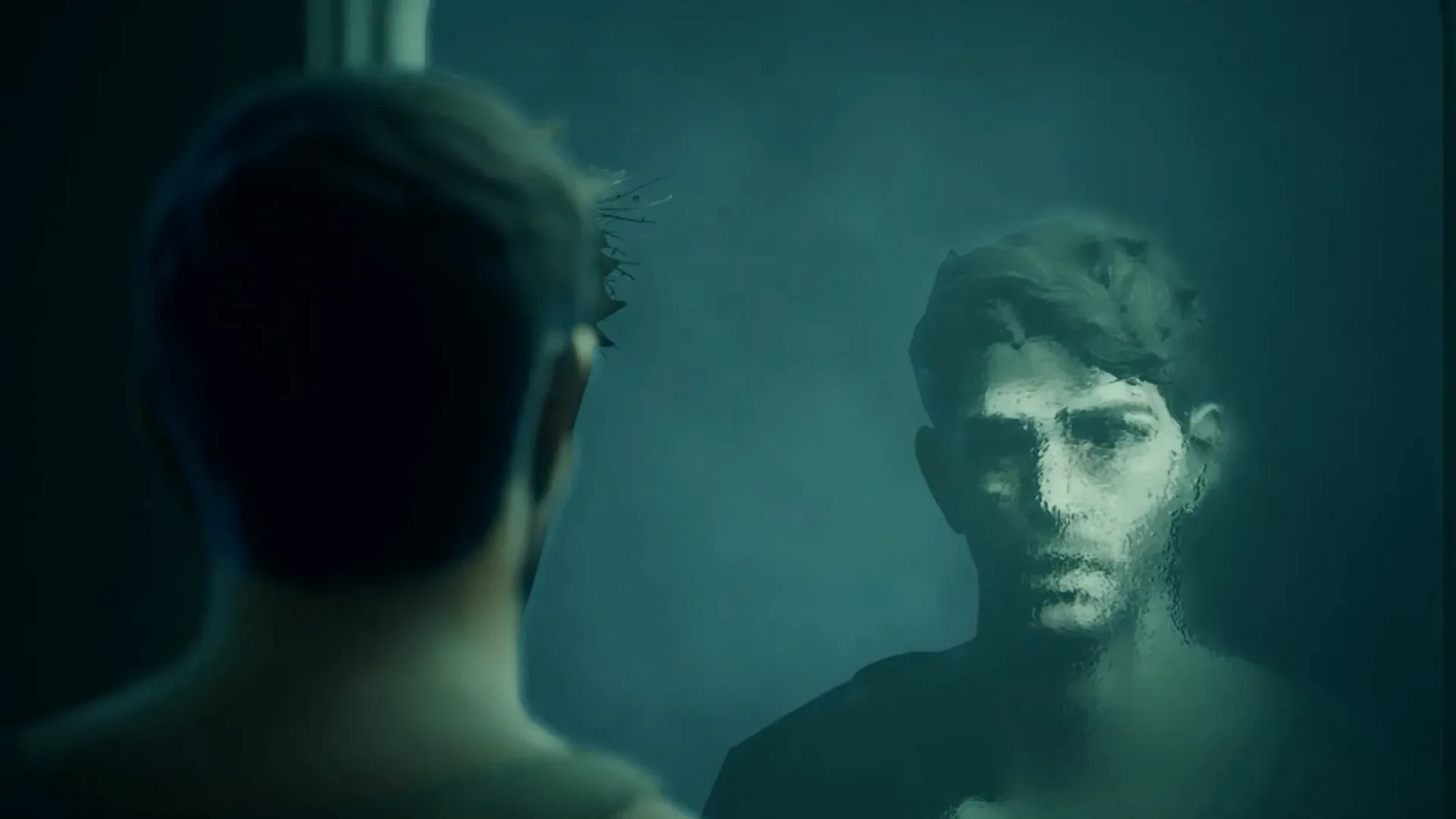
Psychological horror generally means that tension is created through perception, uncertainty, memory and mood as much as overt threats. In this case, shifting architecture, decaying reality, fragmented recollections and the tension between performance and reality are key parts of the setup. The games’ first-person viewpoint keeps the player close to environmental details and transformations, making exploration part of the storytelling rather than merely a route between objectives.
Environmental puzzles are also part of the experience. In practical terms, that means progress is tied to observing locations, finding relevant objects and understanding how the world’s changing state relates to the narrative. Players seeking a straightforward action-horror game should therefore note that this edition emphasizes atmosphere, story discovery and puzzle-led movement through its settings.
What the technical terms mean
The collection promotes rebuilt visuals using HDR, ray tracing and dynamic lighting. These terms can sound interchangeable, but they refer to different ways an image can aim for a more convincing or expressive atmosphere.
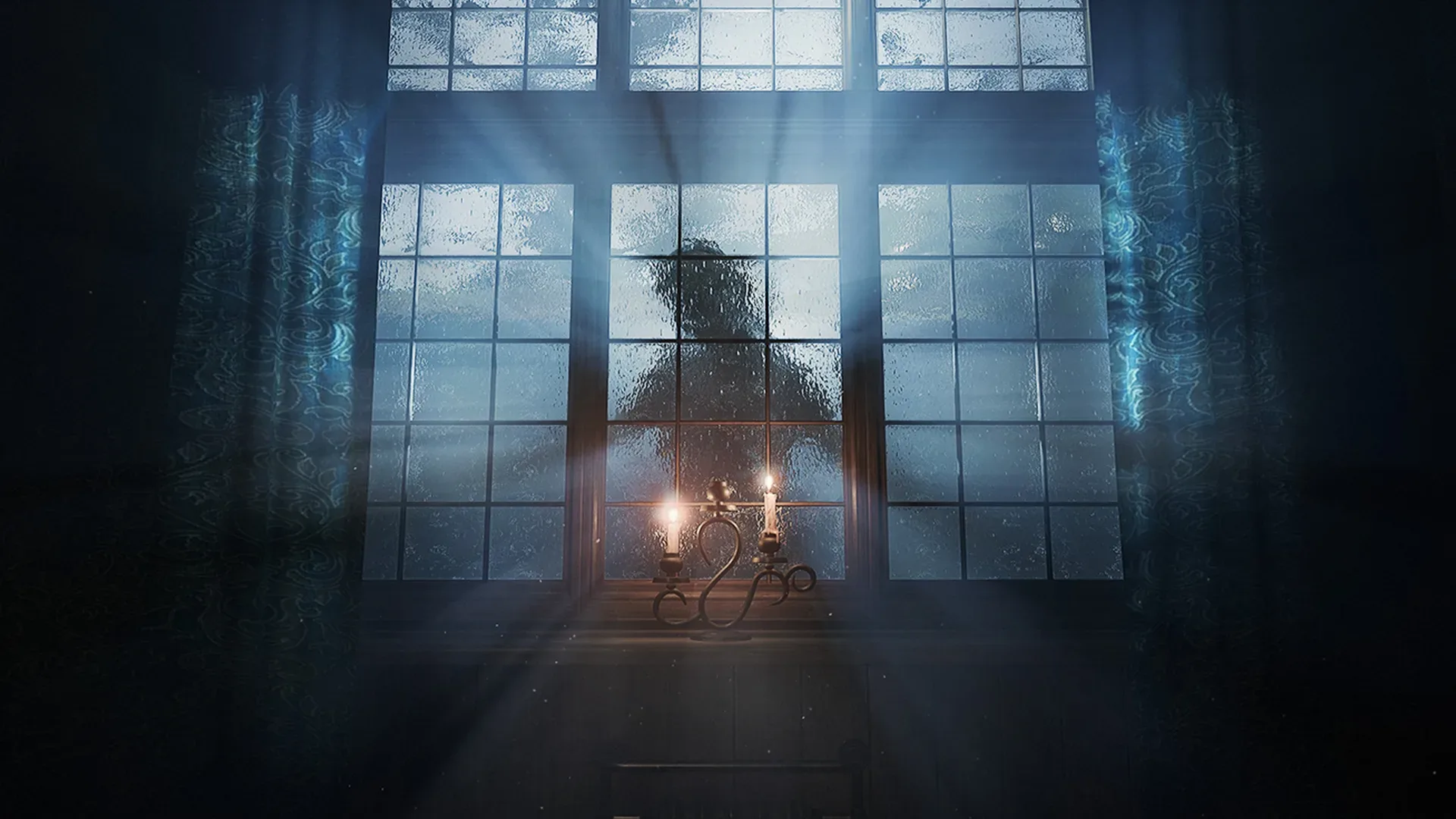
- HDR, or high dynamic range, concerns the range between darker and brighter parts of an image. In a horror setting, it can help a scene hold onto shadow detail while still allowing lamps, windows or other bright elements to stand out.
- Ray tracing is a rendering technique used to model how light behaves, particularly in areas such as reflections, shadows and illumination. Its purpose here is to support the visual mood of the environments.
- Dynamic lighting means lighting that can change in response to conditions in a scene. For a series built around rooms and spaces that shift as the story unfolds, that is a fitting atmospheric tool.
Visual technology alone does not define psychological horror, but it can reinforce it. A scene can become unnerving when light catches an unexpected detail, when a shadow changes the apparent shape of a familiar corridor, or when altered illumination signals that a space is no longer behaving normally. The edition’s description places those rendering features in service of its atmosphere rather than presenting them as separate gameplay systems.
The soundtrack is another major part of that atmosphere. Composer Arek Reikowski provides the original score, described as balancing fragility, emotion and unease. For exploration-centered horror, music helps establish whether a moment is contemplative, anxious or threatening before the player has necessarily found a clear explanation in the environment.
Why the cartridge edition may matter
This release gives Nintendo Switch 2 players a physical option for the complete package. The accompanying special case, lenticular postcard and artbook add tangible extras tied to the collection’s visual identity and creative themes.
For physical-game buyers, it is useful to separate the elements of the offer. The key item is the Nintendo Switch 2 cartridge containing Layers of Fear: The Final Masterpiece Edition. The case, postcard and artbook are package inclusions, not separate gameplay chapters or unlocks. The story content is defined by the two 2023 games, their released DLC and the additional chapters described above.
The release also arrives at a time when horror games continue to explore fear through setting and perspective as well as direct confrontation. Other games may use haunted technology and strange environments differently, as seen in a recent update centered on haunted tech and exploration, but Layers of Fear remains focused on authored interiors, personal trauma and the unreliable nature of the spaces its characters inhabit.
Who this edition is for
The Final Masterpiece Edition is most clearly aimed at newcomers who want the series’ 2023 material and its associated story additions in one physical Nintendo Switch 2 package. It also offers a more substantial boxed presentation for people who value physical releases, particularly because the artbook and lenticular postcard complement a series so closely concerned with art, images and altered perception.
Players should expect a deliberately unsettling experience led by exploration, narrative fragments and environmental puzzles. The Painter’s mansion, The Actor’s ocean liner and The Writer’s lighthouse offer different stages for that approach, while the connective chapters attempt to give the anthology a unified final shape. For anyone ready to investigate a haunted creative legacy one room, memory and warped corridor at a time, the cartridge is now available for Nintendo Switch 2.