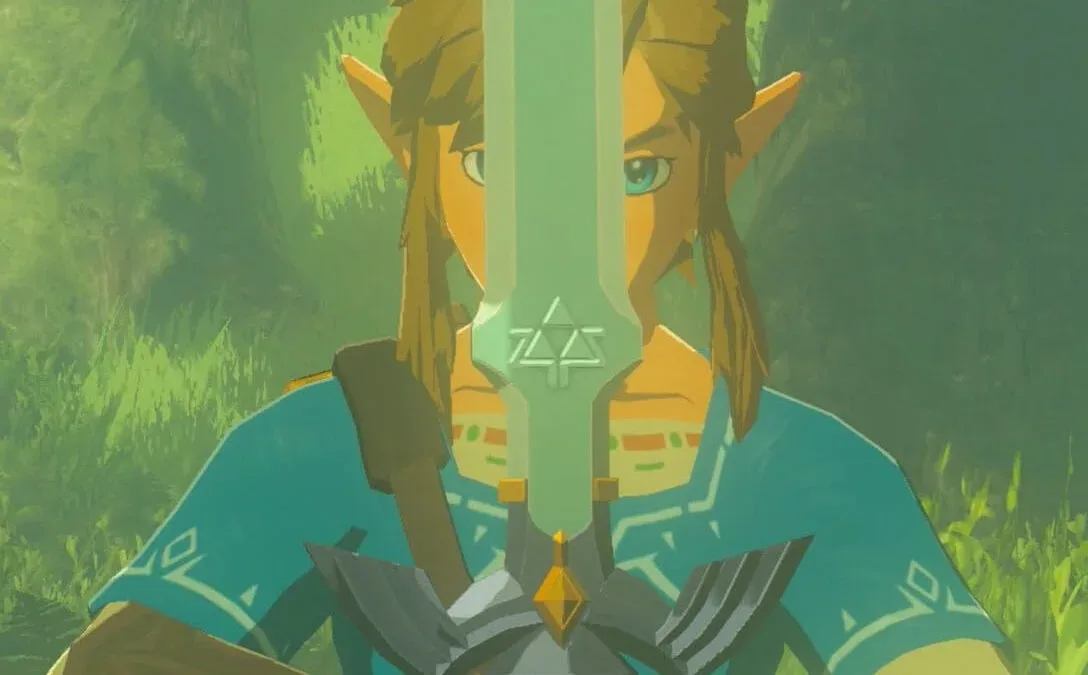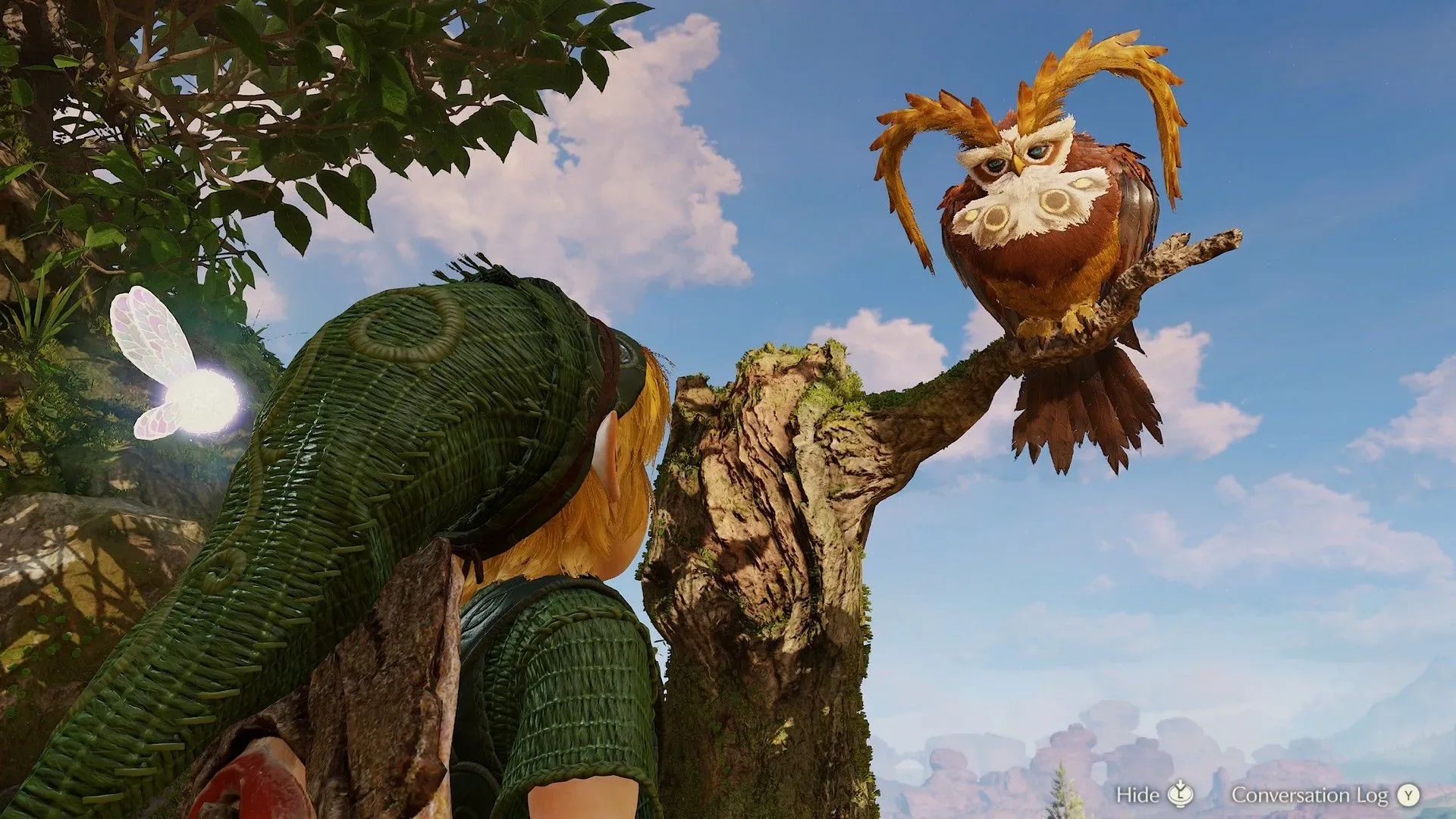
Eiji Aonuma has offered a small but meaningful indication of how Nintendo is approaching the next mainline The Legend of Zelda. Speaking after receiving France’s Knight of the Order of Arts and Letters honor, the longtime Zelda producer said he is working with younger members of the team, providing guidance as they collectively consider what the next game should be.
His comments do not reveal a title, platform, release window or specific gameplay direction. Nintendo has not announced any of those details. But Aonuma’s wording places the focus squarely on a collaborative handover of ideas rather than a single veteran dictating the next adventure’s identity.
“I’m very interested to see what the younger staff will imagine,” Aonuma said. He added that he is extremely happy to support the team and think together about the shape of a future Zelda game.
That is an encouragingly clear expression of continuity for a series that has repeatedly changed its structure, tools and tone across generations. It also establishes an important limit on what can be inferred: this is a statement about the creative process, not an announcement of a new game.
What Aonuma actually confirmed
The confirmed point is straightforward. Aonuma remains involved with Zelda and is giving younger staff guidance on the next mainline project. His role, as described here, is participatory and supportive: helping the team assess ideas rather than publicly laying out a finished blueprint.
That matters because broad remarks about “the next Zelda” can easily be read as confirmation that a reveal is imminent. Nothing in the comments establishes that. Game development can involve extensive experimentation long before an official announcement, and a team discussing the direction of a project does not tell us when the project will be shown or launched.
There is similarly no basis here to assume a direct sequel to The Legend of Zelda: Tears of the Kingdom, a return to a more linear structure, a new visual style, or any particular hardware target. Those are all questions Nintendo has left unanswered.
A changing team can be a creative advantage
Aonuma has been associated with the franchise since the era of the original Ocarina of Time. His remarks recognize the value of institutional knowledge while giving newer developers room to challenge assumptions. In practical terms, that sort of collaboration can protect what makes a long-running series recognizable while preventing familiarity from becoming repetition.
Related coverage includes Eiji Aonuma Looks to Zelda's Younger Developers for the Series' Next Big Idea.
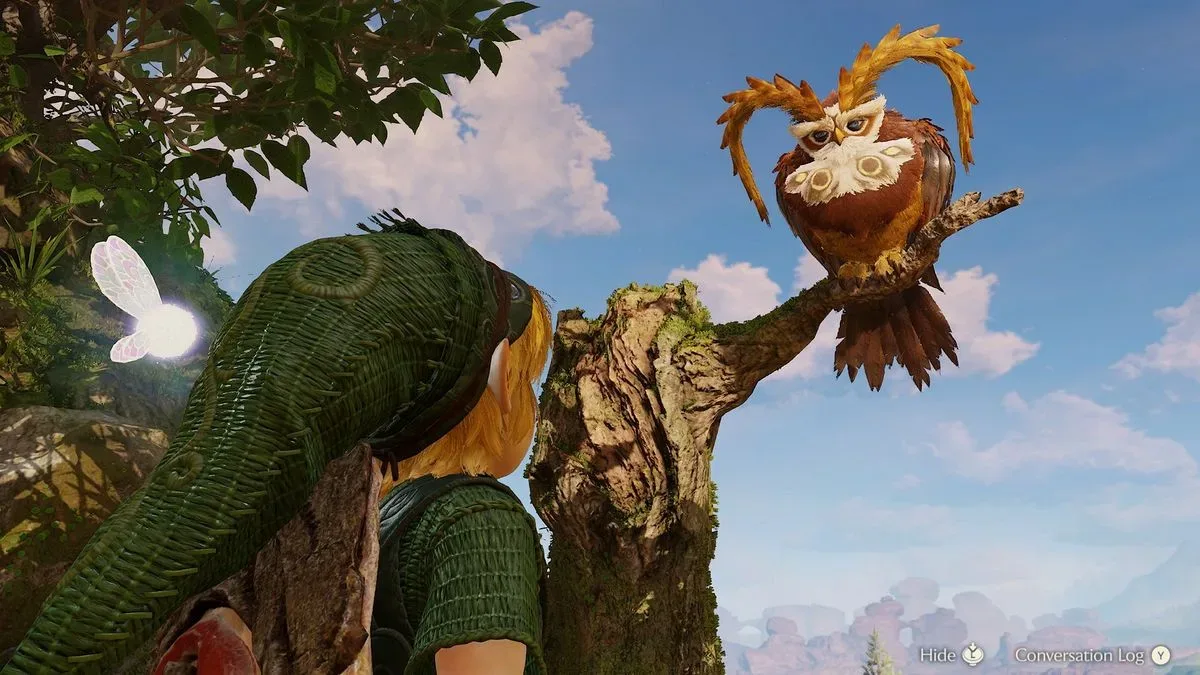
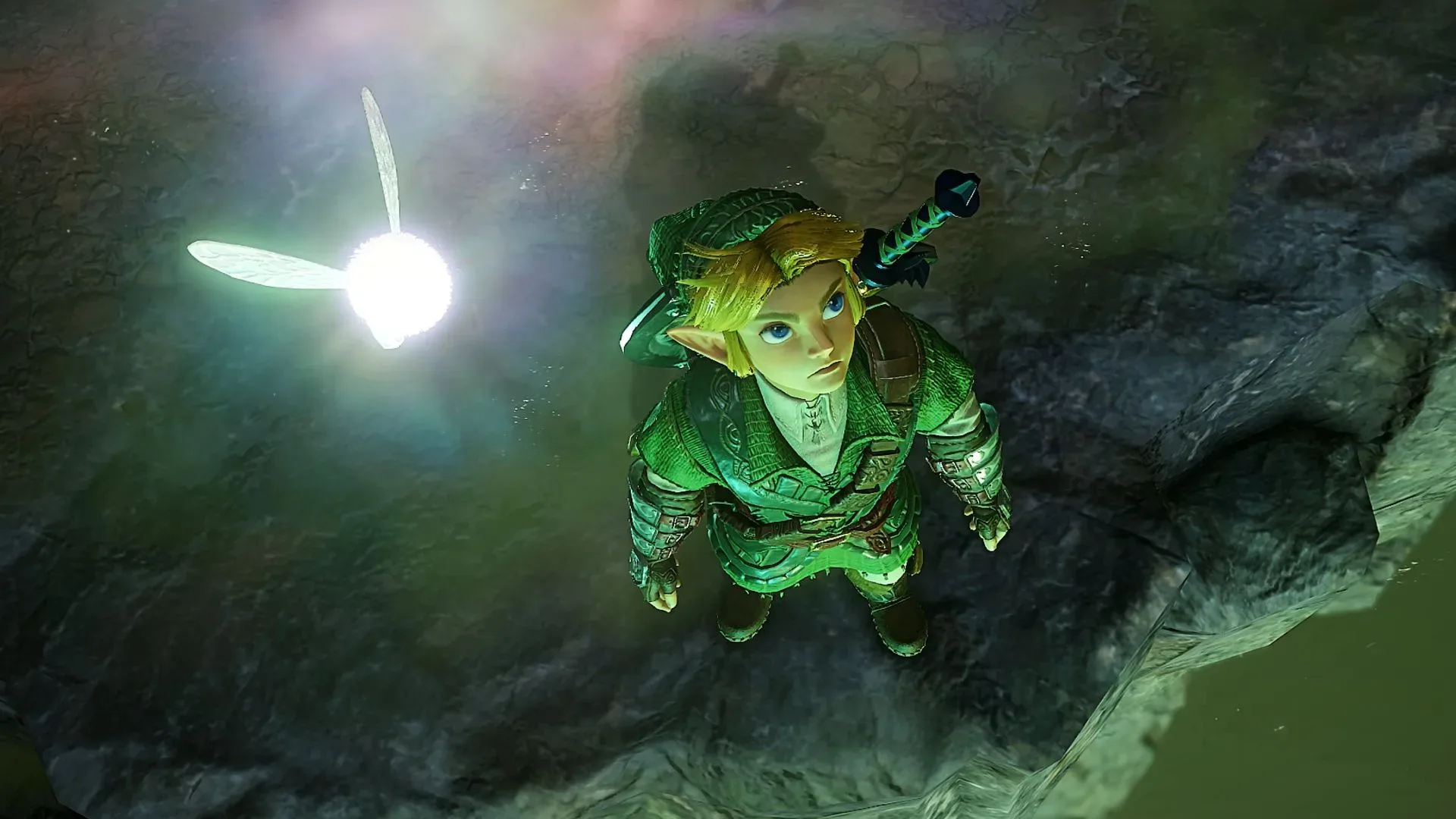
The producer also noted that some staff working on the upcoming Ocarina of Time remake have not played the Nintendo 64 original. Far from presenting that as a problem, he credited young staff with helping make the remake happen.
That detail is useful context for understanding his optimism. Developers who did not grow up with a particular Zelda installment may approach its characters, controls, pacing and presentation without treating every old convention as untouchable. Meanwhile, experienced staff can supply historical context about why earlier choices were made and which qualities are essential to retain.
A remake is not merely a matter of reproducing old assets. It requires decisions about how a game communicates with a new audience, how it sits beside modern releases and which aspects of its original design should remain intact. A team with different reference points can generate questions that a purely legacy-minded group may not ask.
Remakes, spin-offs and the mainline question
The Zelda name has remained visible through remakes, remasters and spin-offs, but those projects should not be mistaken for proof of the next core game’s direction. A remake revisits an established design; a spin-off can explore a setting or character through a different format; a mainline entry carries the larger task of deciding where the series itself goes next.
Echoes of Wisdom, released two years ago and developed by Grezzo, is the latest mainline Zelda release referenced in the current conversation. The looming Ocarina of Time remake adds another major Zelda project to the calendar. Neither fact tells fans what the follow-up to Tears of the Kingdom will be, but both show that Zelda can support different kinds of development work at once.
For players, the distinction is practical. It is reasonable to follow remake news for details about how a classic may be revisited. It is not reasonable to treat remake activity as a clue that the next original Zelda will share its structure, viewpoint or mechanics. Aonuma’s remarks concern future imagination, not the reuse of a previously established template.
Why the comments are significant without being a tease
There is a tendency to treat any comment from a prominent producer as a countdown to a trailer. In this case, the more useful takeaway is about stewardship. Aonuma’s statement suggests Nintendo is consciously building a creative bridge between developers who know Zelda’s past first-hand and colleagues whose strongest ideas may come from seeing that past differently.
That is especially relevant after Tears of the Kingdom, a game that set a substantial recent point of reference for player freedom and systems-led problem solving. The next mainline game will inevitably face expectations, but Aonuma did not say the team is trying to make a bigger version of that formula—or to move away from it. His emphasis was on what younger staff might imagine. The wording leaves the door open to change without defining its form.
It also avoids turning a veteran creator’s involvement into a succession narrative. Aonuma did not signal a departure. He instead described an ongoing role: offering support, sharing perspective and working through ideas with the next generation of designers.
That model is relevant beyond one franchise. Creative leadership in games is not only about approving a final direction. It can mean establishing an environment where newer staff can introduce unfamiliar possibilities, while experienced developers help identify the trade-offs that come with them. Readers interested in how responsibilities and accountability are discussed elsewhere in the industry can also see the broader stakes in this look at governance, benefits and disclosure in gaming organizations.
What fans should—and should not—expect now
Fans can reasonably take Aonuma’s remarks as confirmation that work and creative discussion around a future mainline Zelda are active enough for him to describe his involvement. They can also take his comments as a vote of confidence in younger developers contributing to the franchise.
They should not take them as evidence of an announcement date. Nintendo has given no indication of when it will formally unveil the next mainline Zelda, nor has it specified what that game is. No name, setting, gameplay system or release timing has been supplied.
That uncertainty is worth preserving. Speculation can be enjoyable, but presenting guesses as implications of Aonuma’s comments would overstate the information available. For now, the clearest picture is of a familiar creative leader still engaged with Zelda, and a younger generation being invited to help decide its future.
With the Ocarina of Time remake approaching and Echoes of Wisdom still a recent entry, there is plenty for Zelda players to discuss in the near term. The next major original installment remains undefined—and, by Aonuma’s account, that undefined space is exactly where the team’s newer voices may matter most.