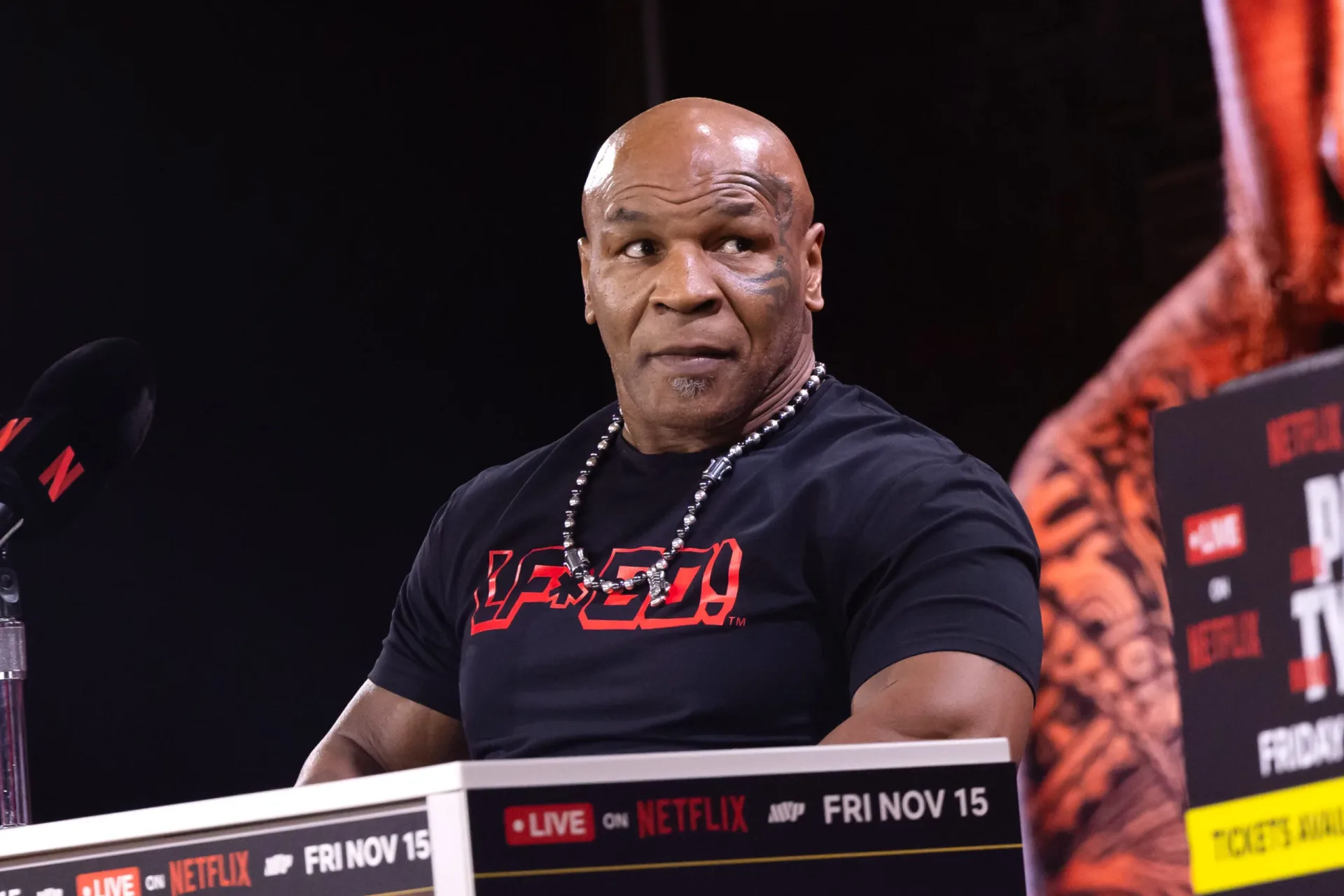
Mike Tyson and Ric Flair’s fight over the business behind their cannabis brands will continue in federal court. A judge has denied an attempt by five former business associates to dismiss the lawsuit, allowing the plaintiffs’ federal racketeering claims to proceed at this early stage.
The dispute centers on Carma HoldCo, whose business included the Tyson 2.0 and Ric Flair Drip brands. Tyson, Flair, Carma, hemp company LGNDS LLC and Tyson 2.0 are plaintiffs in the case, which is pending in the U.S. District Court for the Northern District of Illinois. They are seeking a jury trial, damages exceeding $50 million and legal fees.
The defendants named in the case are Chad Bronstein, Adam Wilks, Nicole Cosby, James Case and Christopher Volo. All five have denied wrongdoing. The court’s ruling does not decide whether the allegations are true, nor does it award the plaintiffs any money. It means the complaint, as currently pleaded, can move further into the litigation process rather than ending through the defendants’ request for dismissal.
What Tyson and Flair allege
The lawsuit was filed in December 2025 and accuses former Carma leaders and associates of using company money and company opportunities for their own benefit without approval. The plaintiffs’ allegations cover several categories of conduct: personal expenditures, licensing arrangements, alleged kickbacks, purported no-show employment and claims that the business’s value was inflated on paper.
Among the most specific financial assertions, the complaint alleges that more than $1 million in company funds went to personal costs. The alleged expenses include private-jet travel, yacht-related costs and home renovations. Those are accusations in the litigation, not court-established findings.
The plaintiffs also contend that certain licensing transactions were arranged without proper authorization. One alleged deal concerns vape manufacturer DomPen. The complaint claims that DomPen received access to Carma intellectual property through an arrangement that benefited Wilks. It further alleges that hidden kickbacks were collected in connection with business activity.
Another part of the case involves alleged no-show jobs and efforts to make Carma appear more valuable on paper. Taken together, the plaintiffs say these were not disconnected disagreements over isolated transactions. Their case presents the acts as pieces of a broader scheme operating inside the company.
Why the racketeering claim matters
The legal claim at the center of the latest ruling is brought under the federal Racketeer Influenced and Corrupt Organizations Act, commonly called RICO. In plain language, a RICO claim alleges a connected pattern of specified unlawful conduct involving an enterprise. It is not simply a label for a contentious business relationship or an accusation that someone made a bad decision.
That distinction helps explain why the motion-to-dismiss stage matters. The defendants argued that the plaintiffs’ second amended complaint did not state a legally valid claim and asked the court to end the suit before it advanced. The judge rejected that request as to the federal racketeering claims.
At this point, the ruling addresses whether the case has been pleaded sufficiently to go on; it is not a factual determination that the claimed expenditures, arrangements or benefits happened as described. The defendants’ denials remain part of the dispute, and their opportunity to contest the allegations has not disappeared.
For the plaintiffs, keeping the RICO portion alive is significant because it preserves their theory that the alleged conduct was interconnected. For the defendants, the denied dismissal motion means the case continues rather than being resolved at the threshold. The underlying questions—what deals were authorized, how company funds were used, whether anyone received improper benefits and whether a legally actionable pattern existed—remain to be tested through the court process.
The brands at the center of the dispute
Carma paired two highly recognizable sports-entertainment identities with cannabis products: Tyson 2.0, tied to former heavyweight champion Tyson, and Ric Flair Drip, tied to the wrestling icon. The lawsuit therefore concerns more than an ordinary internal corporate quarrel. The plaintiffs’ allegations focus on the operation and control of businesses built around valuable celebrity-linked branding and intellectual property.
Licensing is especially important in an arrangement like this. A license generally permits another company to use a brand, name or other intellectual property under agreed terms. The plaintiffs allege that access to Carma intellectual property was granted through an unauthorized arrangement involving DomPen and that the deal benefited Wilks. Whether that description is supported is unresolved, but the allegation illustrates why control over brand rights is central to the case.
Celebrity branding can give a company a powerful market-facing identity, but it also makes governance questions consequential. Company funds, approval processes, licensing authority and valuation each affect a business whose product lines draw value from public names. None of that proves the plaintiffs’ allegations; it explains why disputes over those subjects can become high-stakes when the claimed damages exceed $50 million.
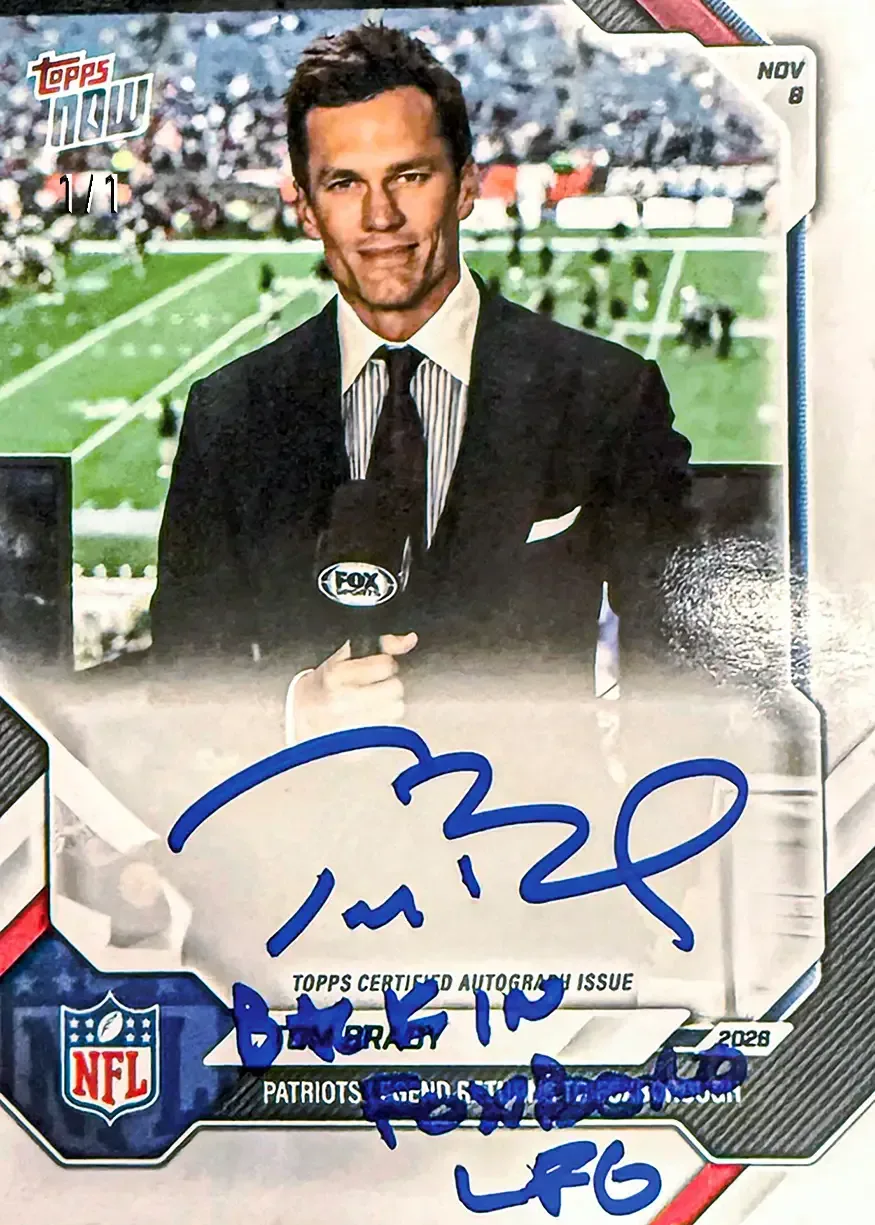
The broader business context also overlaps with the commercial afterlives of sports figures. Tyson and Flair are using names with long histories of public recognition in an industry outside their original rings. Sports-linked products can range from consumer brands to items such as signed trading cards; in another recent example, Tom Brady signed a Topps NOW card during his Foxborough broadcast return. The present litigation, however, is specifically about the operations and alleged conduct tied to Carma and its cannabis business—not a dispute over memorabilia or sports cards.
What happened before this ruling
After the plaintiffs revised their lawsuit, the five defendants filed a joint motion to dismiss in May. Their position was that the second amended complaint failed to set out a claim on which relief could be granted. A motion to dismiss is a procedural challenge: it asks the court to conclude that, even taking the complaint through the legal lens required at that stage, the pleading does not warrant moving forward.
The court declined to end the relevant claims in this instance. That outcome keeps the litigation alive, but readers should avoid treating it as a verdict. Lawsuits often have multiple stages, and a case that survives a dismissal challenge can still face later arguments over evidence, the law or damages. Conversely, a denied dismissal motion does not require a defendant to concede any allegation.
The plaintiffs’ stated position is that the decision opens the path to continue litigating. A Tyson 2.0 representative said,
“The Court’s decision allows the litigation to move forward, and we welcome that opportunity.”
What remains unresolved
The immediate answer is substantial: the federal racketeering claims are still in play. But the central factual disputes remain unresolved. The court has not determined whether company money was spent on private travel, yacht costs or renovations; whether any licensing arrangement lacked approval; whether kickbacks existed; whether jobs were no-show positions; or whether the company’s value was improperly inflated.
It has also not determined the amount of any potential damages. The plaintiffs seek more than $50 million along with legal fees, but a requested figure is not a judgment and should not be read as money awarded.
For now, the practical development is straightforward. Tyson, Flair and the corporate plaintiffs may continue pursuing their claims against Bronstein, Wilks, Cosby, Case and Volo in the Northern District of Illinois. The defendants continue to deny wrongdoing. The case’s next developments will matter because the claims now move beyond the attempt to have them dismissed at the outset.