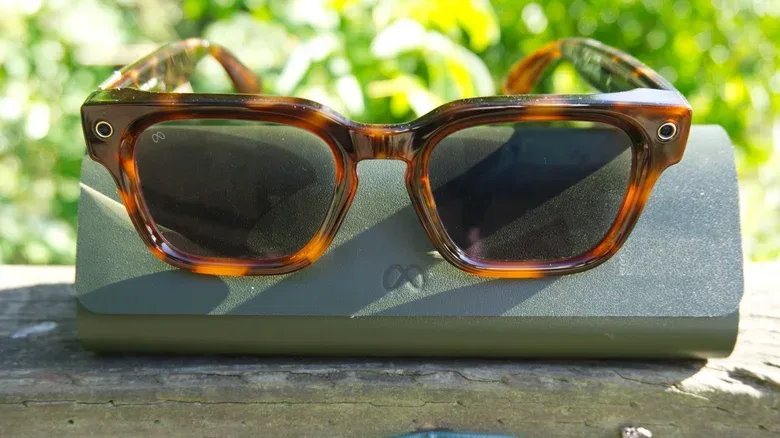
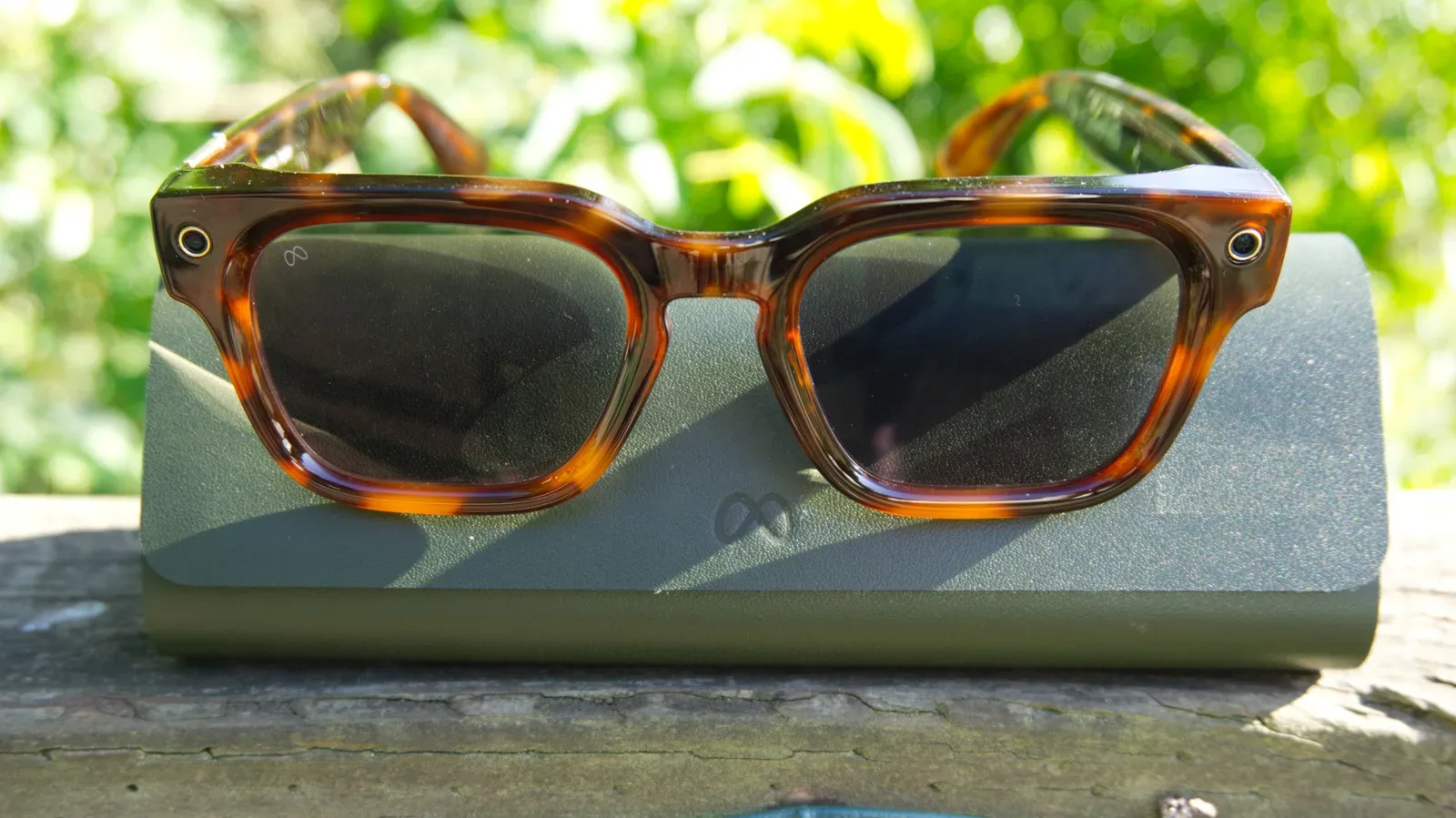
Meta is distributing a software update for a rare moisture-related issue affecting a small number of its Meta-branded AI glasses. The company says the affected devices can become too warm when moisture enters the glasses, potentially leading them to shut down. Owners who experience the issue are being directed to customer support for a free replacement pair.
The update is version 130, and Meta is encouraging all owners of its own branded frames to install it as it becomes available. The affected product family includes the Adventurer, Fury, Starfire, Nova and Capri models. Meta says its Oakley and Ray-Ban glasses are not affected by this particular problem.
That distinction matters for anyone trying to identify whether an unexpected shutdown applies to this program. This is not a blanket statement about every smart-glasses product associated with Meta; it concerns the specified Meta-branded frames. The company has not said how many devices were affected, beyond characterizing the number as small.
What Meta says is happening
Meta describes the problem as a rare situation in which moisture gets into the glasses and a device becomes too warm. The company has compared the response to the protective behavior of a smartphone that switches itself off when it needs to cool down.
That comparison is useful, but it should not be stretched beyond the details provided. Meta has not called the incident “overheating,” nor has it publicly detailed the underlying component behavior, the precise moisture pathway, or the exact conditions needed to trigger a shutdown. What is known is narrower: excessive moisture or sweat entering the device may prompt a heat-related shutdown on some units, and version 130 is intended to address the issue.
In practical terms, a protective shutdown is designed to stop normal operation rather than leave a device running in an unwanted temperature state. For a pair of glasses, that can be especially disruptive: the product is worn on the face, so a temperature-related stop is more consequential than a minor background-app error. Still, an unexpected power-off alone does not establish that every shutdown has the same cause. Meta’s replacement path is tied to devices that experience the moisture-related behavior it has described.
IPX4 does not mean waterproof
The update also puts a familiar consumer-electronics term under a brighter spotlight: IPX4 water resistance. Meta says all of its AI glasses carry this rating and explains that owners should be safe if they are caught in light rain while wearing them.
Water resistance and waterproofing are not interchangeable descriptions. The supplied information supports a clear, limited expectation: light rain is within Meta’s stated use case. It does not promise that glasses can withstand every wet scenario, heavy exposure, deliberate immersion, or moisture buildup from strenuous activity. Indeed, Meta specifically identifies excessive moisture or sweat as possible triggers for the rare issue being addressed.
The “X” in IPX4 means no dust-protection rating is specified by that label. The “4” refers to a water-resistance test category involving splashing water. For owners, the key takeaway is not to treat the certification as an all-access pass for wet conditions. A rating can describe a defined resistance level while a separate edge case still emerges in real use. Meta’s update and replacement offer are an acknowledgement that the latter has happened for a limited set of devices.
Who should update, and how
Meta is asking everyone with a pair of its branded glasses to move to the latest software, even though it says only a small number of devices are affected. Owners can check through the Meta AI app:
- Open the Meta AI app.
- Go to Settings.
- Select Glasses.
- Select Updates.
- Install version 130 when it is offered.
The release is rolling out rather than appearing everywhere at once, so an owner may not see version 130 immediately. Meta indicates that it can take a day or so to reach all users. That is normal rollout language, not a signal that an individual pair has been excluded or identified as affected.
Updating every eligible pair is the simplest precaution because software changes may alter how the glasses recognize or respond to the relevant condition. It is also a low-friction first step: users do not need to diagnose whether sweat, rain, or another source of moisture was involved before checking for the release.
What an affected owner should watch for
Meta says an affected pair that powers off unexpectedly will show a push notification. That notification is intended to direct the owner toward Meta customer support. If that sequence occurs, retaining the alert and following its support instructions should be more useful than attempting to force the glasses back into service repeatedly.
The company’s public remedy is a free replacement for people who experience the moisture-related shutdowns. It has not provided a public device count, a serial-number range, or a broader preemptive replacement program. In other words, the available information points to a symptom-based process: an owner experiences the specified shutdown behavior, receives the notification, and can contact support about a replacement.
Owners should also avoid assuming that a normal interruption has been confirmed as this issue. Battery state, software behavior, and other technical problems can all produce inconvenient device behavior in consumer electronics, but Meta has only identified the specific moisture-and-warmth scenario here. The useful information to provide support is therefore the observed event: whether the glasses got wet or were exposed to substantial sweat, whether they felt unusually warm, whether they shut down, and whether the push notice appeared.
Why the wording around moisture matters
The important practical tension is between “light rain” resistance and Meta’s acknowledgement that excessive moisture or sweat can be involved in rare heat-related shutdowns. Those claims can coexist. A resistance rating describes a particular tested condition, while day-to-day use can introduce variables such as the amount, location, duration, and source of moisture. Sweat is also not simply the same event as being caught briefly in light rain.
For owners, the sensible response is not to infer unannounced limits or invent a new care regime. It is to keep expectations aligned with the stated rating, install version 130, and treat unusual warmth or a moisture-linked shutdown as a reason to use the official support route. Until more technical detail is available, stronger claims about the cause or scope would be speculation.
It is also a reminder that wearable hardware needs to be judged partly by support procedures, not only by a spec label. A product can advertise a defined degree of water resistance, yet still need a clear path for the rare device that behaves abnormally. Meta has at least established the basic steps here: a software update for all eligible Meta-branded frames, a notification for affected shutdowns, and replacements for the owners who encounter them.
A narrow issue, but one worth taking seriously
Meta’s language frames this as a limited issue rather than a broad recall, and there is no disclosed figure showing how many pairs are involved. The company also has not said that Oakley or Ray-Ban products are covered by the update concern. Owners of Adventurer, Fury, Starfire, Nova and Capri frames, however, have a straightforward action: check the Meta AI app for version 130 and allow time for the phased release to appear.
For the small group whose glasses become unusually warm after moisture exposure or turn off unexpectedly, the more important action is to pay attention to the push notification and contact Meta Customer Service for the offered replacement. Given that these are face-worn electronics, avoiding guesswork and using the manufacturer’s stated support channel is the appropriate response.
Consumers shopping for any used or unfamiliar tech can also benefit from basic verification habits before they buy. Our guide to avoiding fake GPU listings focuses on graphics cards, but its core principle carries across categories: confirm what a product is, what support applies, and what evidence a seller can provide rather than relying on assumptions.