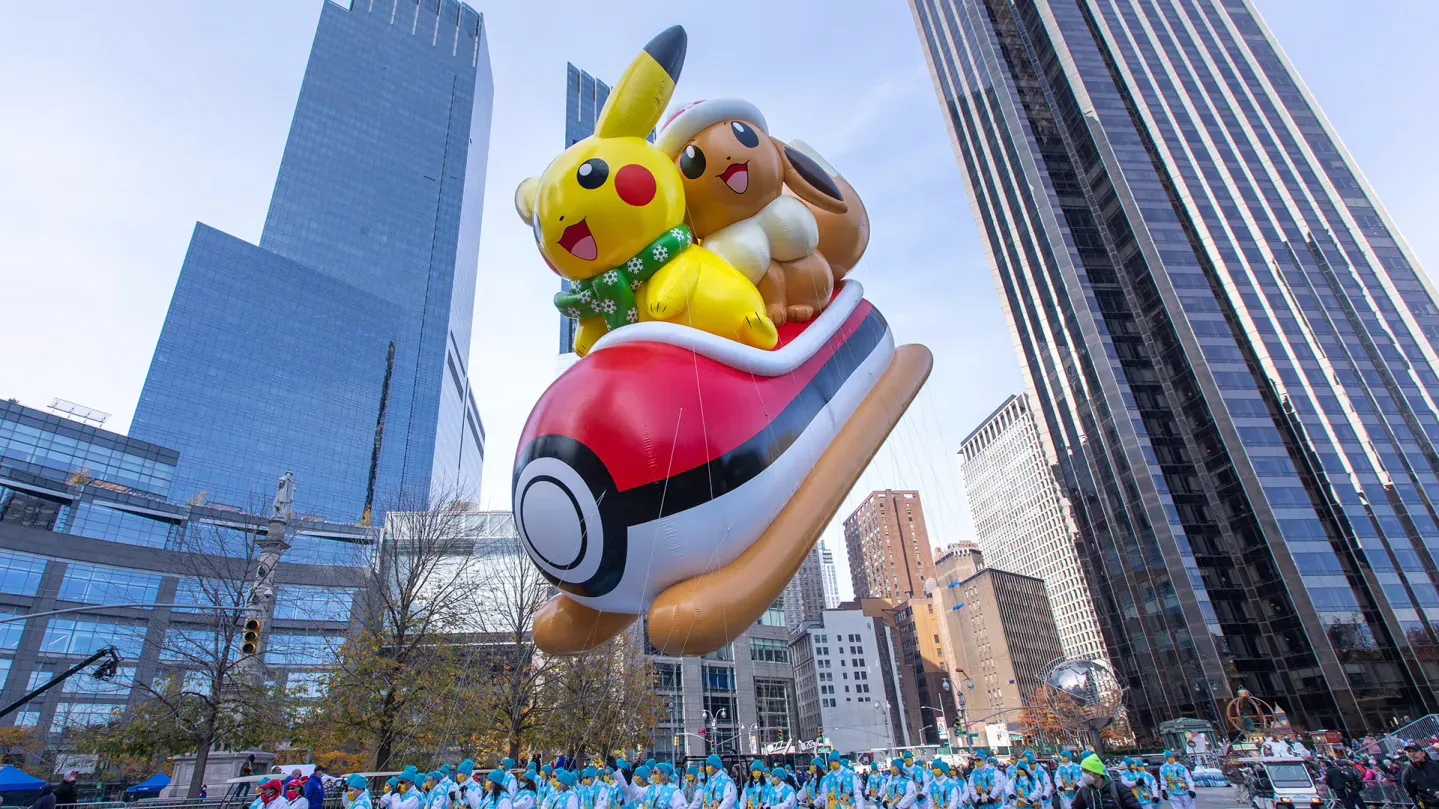
Mario may be famous for gravity-defying jumps, but the character’s giant parade balloon faces a much more practical problem in New York City: a severe Thanksgiving-morning wind forecast. Mario, Pikachu, Eevee and Pac-Man are among the video game icons planned for the 100th Macy’s Thanksgiving Day Parade, yet officials may decide that the conditions make it unsafe for some or all balloons to fly.
The forecast calls for a high-wind warning beginning at 10 a.m. Eastern, with sustained winds potentially around 35 mph and gusts that could reach 60 mph. The same weather outlook includes the possibility of power outages and fallen tree limbs. Those figures matter especially for a parade known for enormous character balloons moving through city streets amid tall buildings, large crowds, handlers and fixed infrastructure.
A final decision on the balloons is expected early Thursday morning, before the parade begins. The options under consideration reportedly include operating balloons at a much lower altitude or moving the parade start to earlier than 8:30 a.m. in an attempt to get ahead of the worst weather. Neither approach is a simple cosmetic change: lowering a balloon is a safety response, while an earlier start would be a logistical attempt to work within a narrowing weather window.
Why wind can change the entire balloon plan
When forecasts discuss sustained winds, they mean wind that holds at roughly a consistent speed over a period rather than a brief peak. Gusts are the shorter, sharper bursts that can be considerably stronger. For parade balloons, both measures are relevant. Sustained wind can continually pull at a balloon and its handling lines, while a sudden gust can create an abrupt directional force that is harder to anticipate and manage.
The concern is not merely whether a balloon can remain inflated. A large balloon has a huge surface area, so wind can push it sideways, lift it, rotate it or make it difficult to control. The risks increase where the route passes buildings and intersections, where airflow can shift. Keeping a balloon closer to the ground may reduce exposure and give handlers more control, but it also does not turn dangerous weather into normal parade conditions.
City Emergency Management Commissioner Christina Farrell characterized the week and forecast as challenging. She also pointed to an earlier weather-related scheduling decision involving July 4 fireworks as an example of one possible response: if threatening conditions are expected later, organizers can consider moving an event earlier. That remains an option rather than a confirmed change for the Thanksgiving parade.
1997 remains the key safety reference point
The prospect of grounded balloons has an important historical backdrop. Following the 1997 parade, legal restrictions were placed on balloon operations. That event saw wind damage to multiple balloons, including Sonic the Hedgehog, along with reported injuries. Wind gusts at that parade were around 43 mph.
The current forecast is notable because potential gusts are higher than that 1997 figure. A forecast is not a guarantee that every location will experience the highest predicted gust, nor does it determine the precise conditions at parade time. Still, the comparison explains why officials are treating the outlook with unusual seriousness. The decision will be made based on actual conditions and safety considerations on the morning of the event, not on fan expectations for any particular character.
For viewers, that means several outcomes remain plausible. Some balloons could fly at reduced height. Balloons could be kept grounded. Organizers could alter timing if weather conditions support it. The supplied information does not establish which outcome will occur, and it would be premature to assume that any specific game character has been removed from the parade.
A major gaming lineup faces an uncertain morning
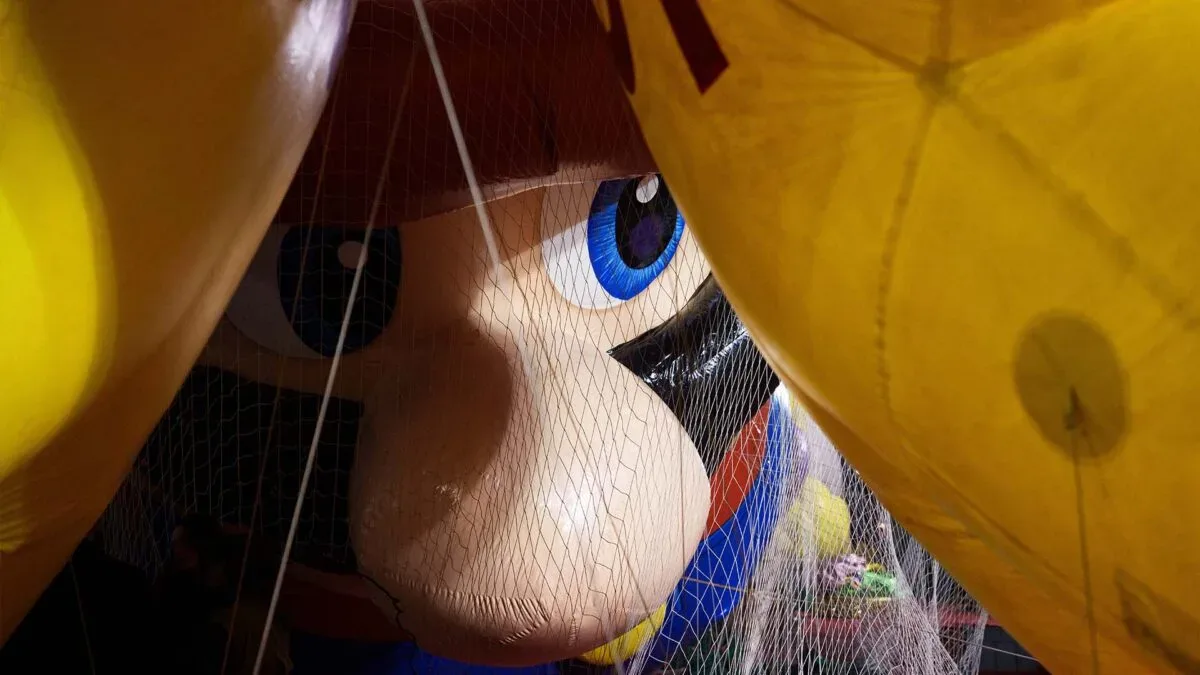
The planned lineup makes the forecast particularly disappointing for game fans. Mario is set to appear in a balloon connected to the home release of The Super Mario Galaxy Movie. Mario opened the event last year, and the character’s return would place Nintendo’s best-known mascot prominently at a centennial parade.
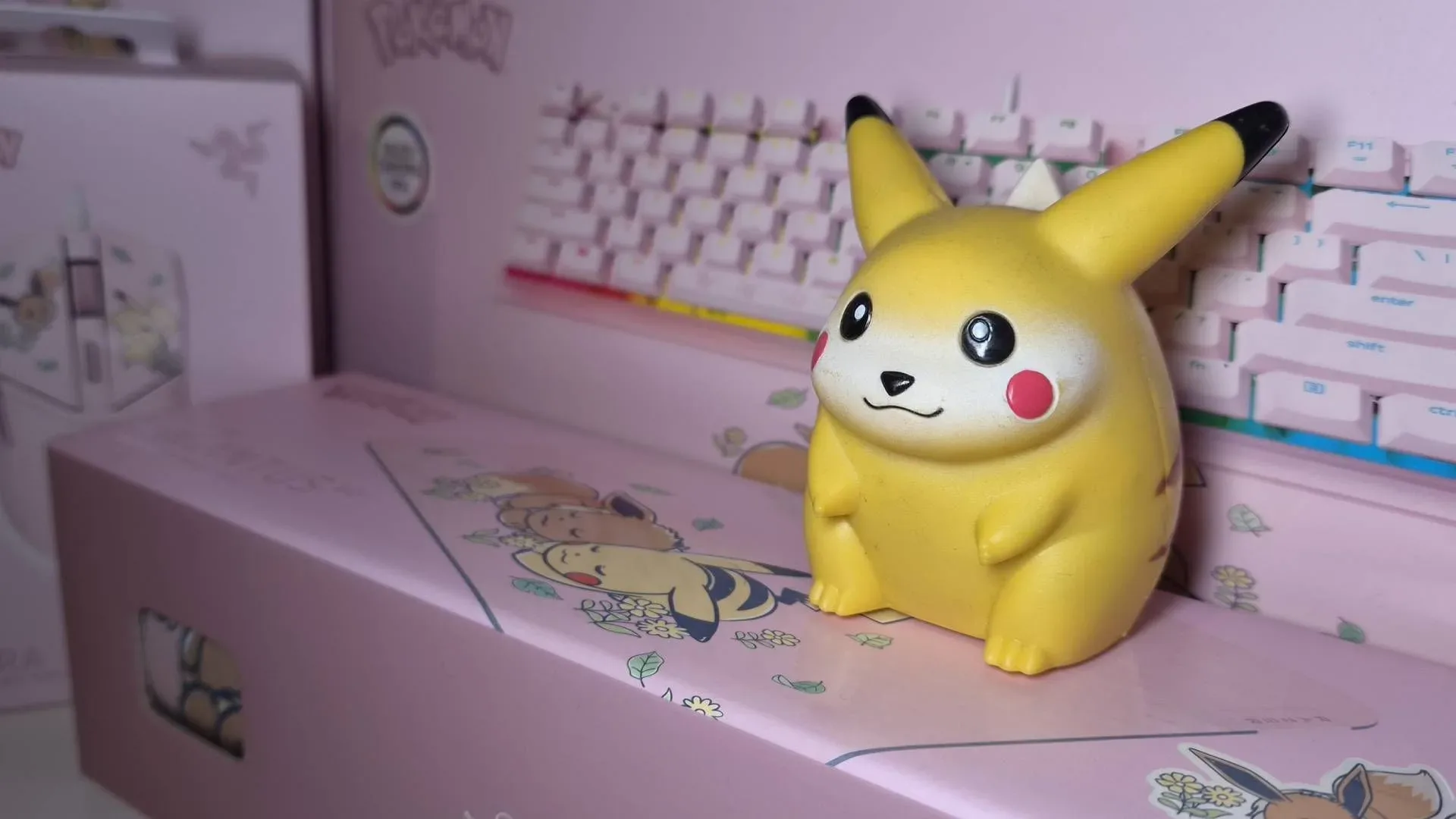
Pikachu and Eevee are also scheduled to return in a balloon first seen in 2021. The pairing represents two of Pokémon’s most recognizable faces: Pikachu as the franchise’s global mascot and Eevee as a character closely associated with evolution and numerous possible forms. Their inclusion gives Pokémon a visual role in a broadcast holiday tradition that reaches well beyond the usual gaming audience.
Pac-Man is reportedly also planned to fly, conditions permitting. The character’s simple circular silhouette and instantly legible design have made Pac-Man an enduring symbol of arcade games. Putting Pac-Man alongside Mario and Pokémon characters illustrates how the parade’s balloon roster can draw on different eras of game culture rather than a single platform or generation.
There is a practical distinction worth making here. These appearances are not game announcements, product launches or confirmations of new titles. They are pop-culture presentations built around familiar characters. Their value for fans lies in visibility: a giant character balloon turns a game icon into part of a shared public event, one seen in person along the route and by audiences watching from home.
That broad visibility is why a weather-driven balloon change would stand out. It would not change the characters’ importance to their respective series, but it would change the visual identity of this particular parade. A lower-flying Mario, Pikachu and Eevee would still be a recognizable sight. Fully grounded balloons, however, would mean a very different presentation from the expected aerial spectacle.
The parade’s 100th year raises the stakes, not the safety threshold
This is the parade’s 100th year, a major milestone for an event that has never been canceled across its century-long history. That record may lead some viewers to expect the show to proceed regardless of the forecast. But proceeding does not require every element to operate in its usual form. A parade can adapt its timing and balloon arrangements while still preserving the larger event.
That is the central issue for Thursday: continuity versus risk management is not necessarily an all-or-nothing choice. The parade’s long history of operating through rain and storms shows resilience, but the reported wind forecast creates a particular challenge for the balloon component. The established restrictions following 1997 exist precisely because character balloons require more than a willingness to carry on.
Fans hoping to see Mario’s famous mustache, Pikachu and Eevee’s familiar faces, or Pac-Man’s unmistakable arcade-era profile should watch for morning updates rather than treating the planned roster as final. The decision point is deliberately close to the event because weather safety depends on the conditions actually developing over New York City.
For the broader games audience, the story is also a reminder that gaming’s cultural reach often extends far beyond consoles, storefronts and release calendars. Mascots can become fixtures of holiday television and city celebrations, but real-world presentation comes with real-world constraints. This time, the most consequential variable is not a power-up, a boss battle or an unlock condition. It is the wind.
For more current items from across the games business, see our coverage of the Golden Cat Awards voting process.