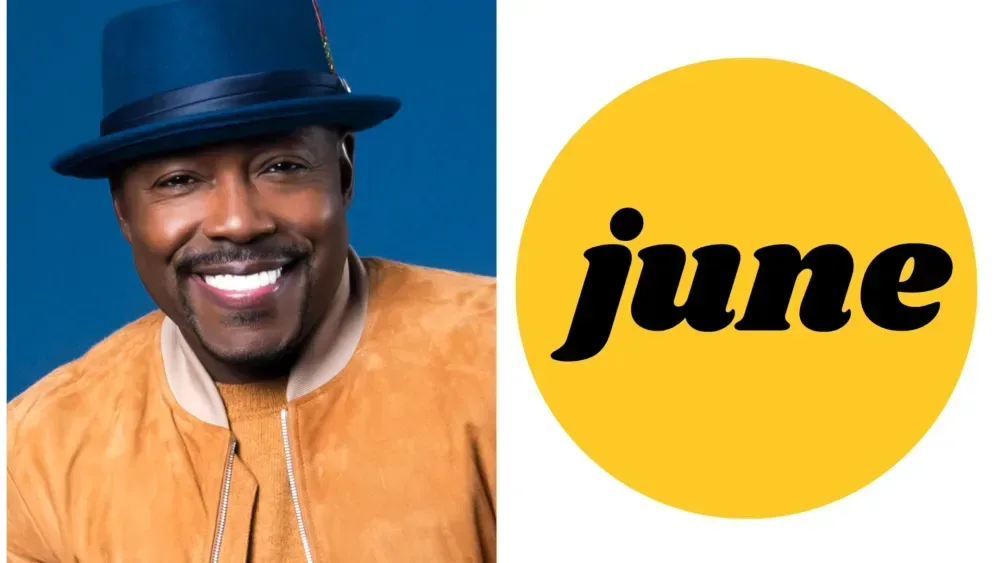
Will Packer and Dom Packer are launching June, a new studio built around original vertical dramas for mobile viewers. NBCUniversal and HarbourView Equity Partners are backing the venture, which plans to develop, produce, finance and acquire projects designed for Black audiences, with Black women identified as a particular focus.
Will Packer will serve as June’s CEO. Dom Packer will be its president, leading strategy, operations and growth. The division of responsibilities matters because June is not being positioned as a one-off production label: its remit spans making shows, funding them, acquiring projects and finding an audience in a format shaped around phones rather than a converted television screen.
Its stated programming lane is romance, heightened drama and cliffhanger-driven storytelling. Those elements are a natural fit for a format in which each installment needs to provide a reason to keep watching, but June’s central distinction is more specific than simply “short content.” The studio says it will make stories as vertical dramas from the outset, rather than crop or rework conventional film and television productions for a portrait-oriented display.
What “vertical drama” means here
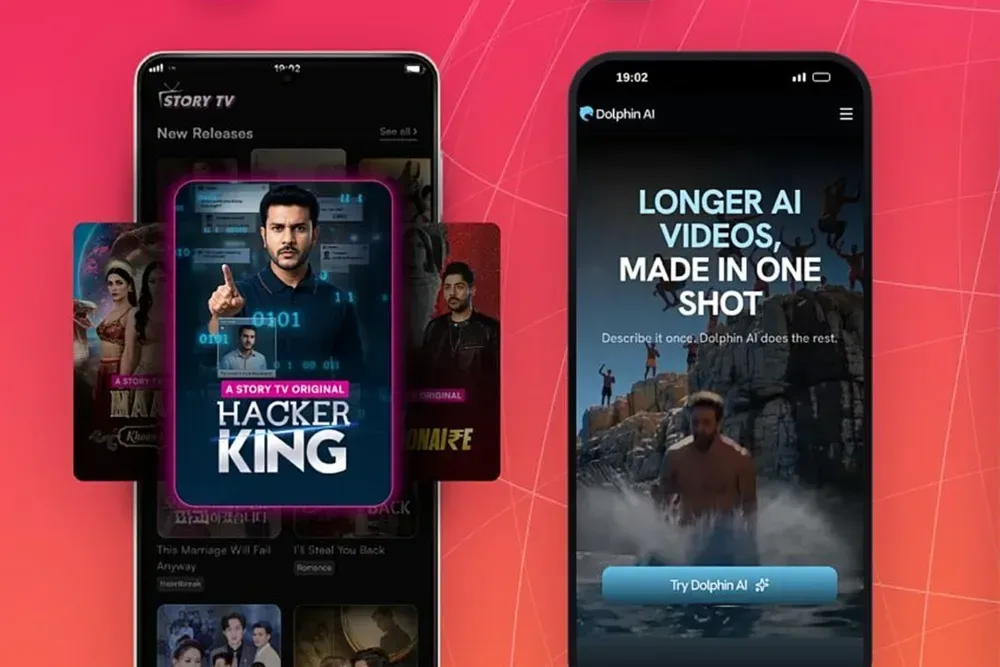
Vertical video is content composed to fill a phone held upright. It changes the frame available to creators: characters, faces, props, entrances and exits all have to work within a tall, narrow image. That is a production and storytelling choice, not just a technical export setting.
A microdrama is the term being used for June’s model. In this case, it describes dramatic serial storytelling intended for mobile viewing, rather than a feature film or a traditionally formatted TV episode. The supplied plans do not specify episode lengths, release schedules, apps, distribution partners or monetization. Those details should not be assumed simply because June is working in vertical video.
What is clear is that June intends to create original material for the format. That is potentially meaningful for the creative process. A show developed for vertical viewing can establish its visual language, dramatic beats and scene construction around a phone audience at the beginning, rather than treating mobile framing as a final-stage adaptation problem.
For viewers, the practical promise is a story form designed around the device already in their hands. Anyone considering a compact tablet for video consumption can also see why screen shape and portability become part of the conversation; recent iPad mini coverage offers an adjacent look at the hardware side of mobile media. June, however, has not announced a preferred device, platform or viewing requirement.
An audience-first mandate, not a generic format play
June’s focus on Black audiences, particularly Black women, is integral to the studio’s stated purpose. The partners are presenting this as a home for stories grounded in the experiences and perspectives of that audience, not merely as a vertical-content experiment with broad demographic targeting added afterward.
Related coverage includes Will Packer and Dom Packer Launch June, a Vertical Drama Studio for Black Audiences.
Will Packer said the name June is meant to evoke summer warmth and romance while also recognizing Juneteenth and Black Music Month. He described joy, connection and pride as ideas at the center of what the studio hopes to create. That gives the brand a cultural frame, while the programming description points toward a specific dramatic engine: romantic stakes, escalation and the kind of episode-ending turn that invites an immediate next tap.
Cliffhanger is worth defining in this context. It is an unresolved revelation, danger, decision or reversal at the end of a narrative unit. It does not require literal physical peril. A romance can use a cliffhanger when a confession is interrupted; a family drama can use one when new information changes a relationship; a thriller can use one when an apparent answer creates another question. June has not announced individual series, so those are explanations of the device rather than descriptions of upcoming projects.
The emphasis on cliffhangers signals an understanding that the break between installments is not dead space. In mobile-native serial storytelling, the end of one segment is an active moment of choice for the viewer. June’s approach appears aimed at making that choice easy: give the audience a strong enough unanswered question that continuing feels like part of the experience.
What each partner brings to June
NBCUniversal is continuing its creative and financial support of Will Packer’s work. Packer already has first-look agreements with Universal Television and Universal Pictures. A first-look deal generally means a company gets an initial opportunity to consider projects from a producer or creative partner before they are taken elsewhere. The announcement does not say that June projects will automatically fall under those arrangements, so the existing deals should not be read as a distribution announcement for June.
HarbourView Equity Partners will put particular attention on securing brand partnerships for the studio. That role suggests that commercial relationships are being considered alongside the studio’s development and production ambitions. Still, no partners, campaign structures, advertisers or branded projects have been named.
HarbourView founder and CEO Sherrese Clarke framed the opportunity around vertical entertainment’s intimacy and immediacy, especially when storytelling is culturally resonant. Her comments place the potential audience relationship at the center of the venture: stories are meant to connect with an audience whose cultural influence has long extended across music, entertainment and media, while providing brands a way to reach that audience.
Liz Jenkins, NBCUniversal Entertainment’s chief business officer, said the company’s strategy begins with the story, storyteller and audience rather than pursuing a format for its own sake. That is a useful distinction. A vertical frame can be a delivery mechanism, but a studio’s long-term identity will depend on whether its stories feel intentional within that frame and meaningful to the people it wants to serve.
Why original vertical work is the key detail
The clearest creative commitment in June’s launch is the decision to prioritize original vertical dramas rather than convert traditional productions. A landscape series or film can technically be placed on a phone, but that does not make it native to the upright screen. Cropping can reduce environmental context, separate characters who were staged together, or make visual information difficult to follow. Reformatting may also change the balance of a shot in ways the original production never intended.
By starting with vertical composition, June can theoretically make different choices about what each shot needs to communicate. Close emotional exchanges, expressions and individual reactions may carry particular weight in a narrow frame. That aligns with the announced focus on romance and heightened drama, genres where a reaction can be as consequential as a major event.
That is analysis of the format’s possibilities, not a claim about June’s finished shows. No cast, creators, titles, production slate or release window have been revealed. Nor has the company described its technical specifications or how it will balance close-up intimacy with larger dramatic scenes. Those questions will be answered only when projects are announced or released.
What has been announced—and what has not
- Announced: June is a microdrama studio launched by Will Packer and Dom Packer.
- Announced: NBCUniversal and HarbourView Equity Partners are backing it.
- Announced: It will develop, produce, finance and acquire mobile-focused projects for Black audiences, especially Black women.
- Announced: Its creative focus includes original vertical dramas, romance, heightened drama and cliffhangers.
- Announced: Will Packer is CEO and Dom Packer is president overseeing strategy, operations and growth.
- Announced: HarbourView will especially pursue brand partnerships, while NBCUniversal supplies creative and financial support.
- Not announced: Specific shows, talent, release dates, platforms, territories, prices or viewing plans.
June therefore arrives with a defined mission but an intentionally early slate of public details. Its significance is less about a single show today than about the construction of a studio dedicated to a particular combination of audience, format and genre. The company has named who it wants to reach, the kind of stories it wants to tell and the screen it is building for. The next important step will be seeing how that premise translates into actual original series.