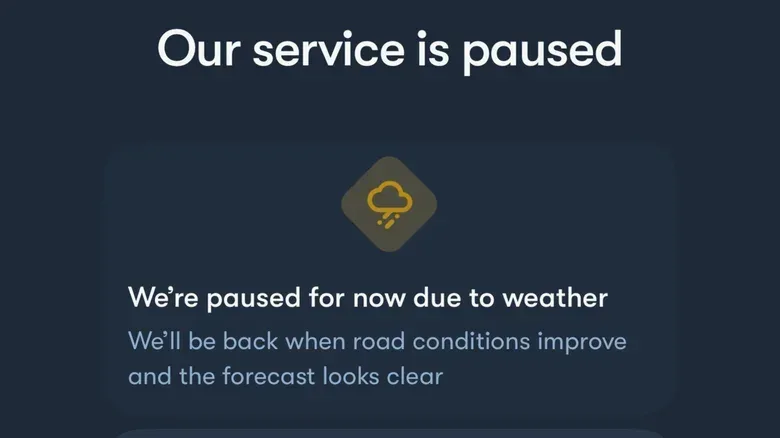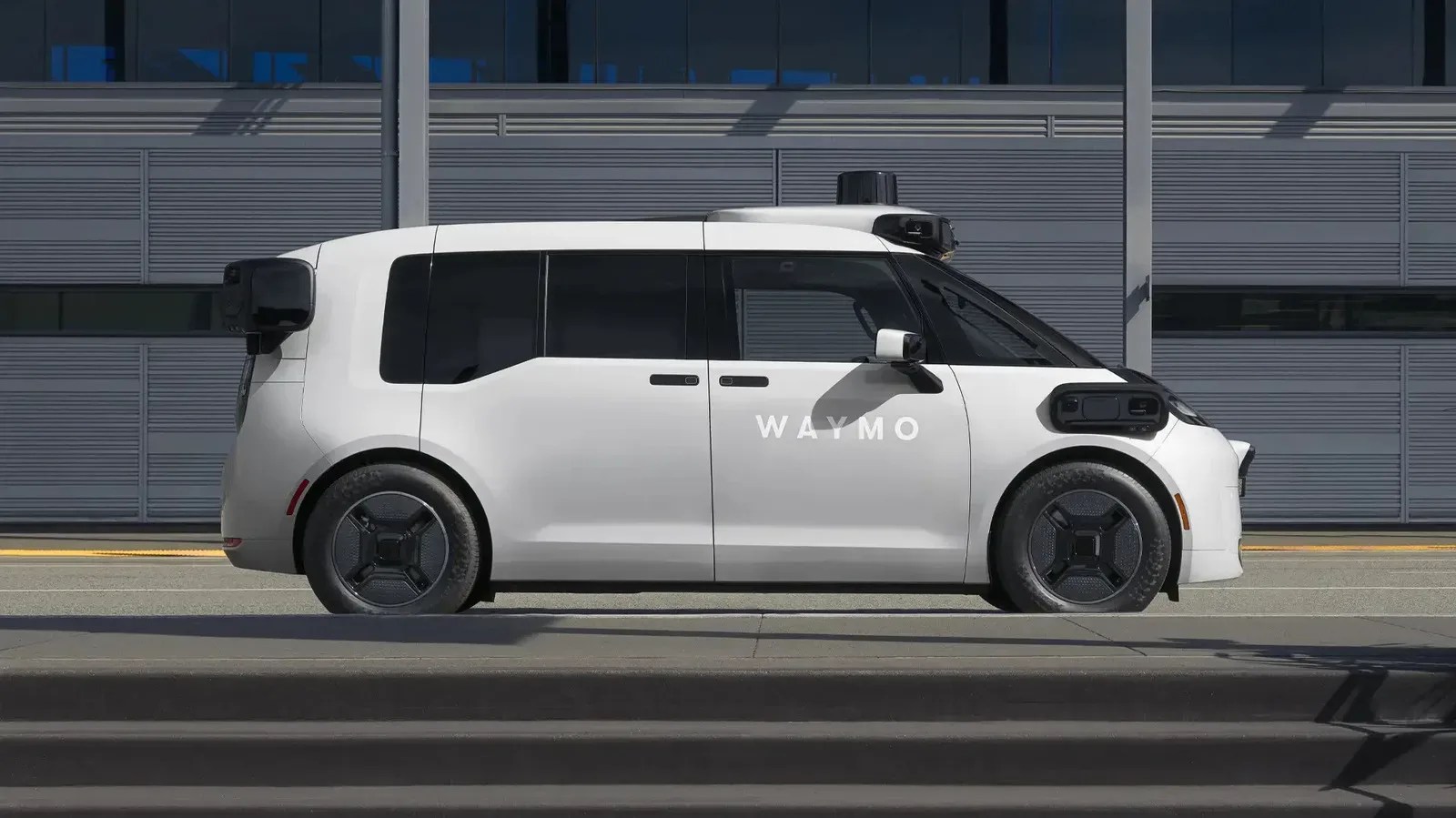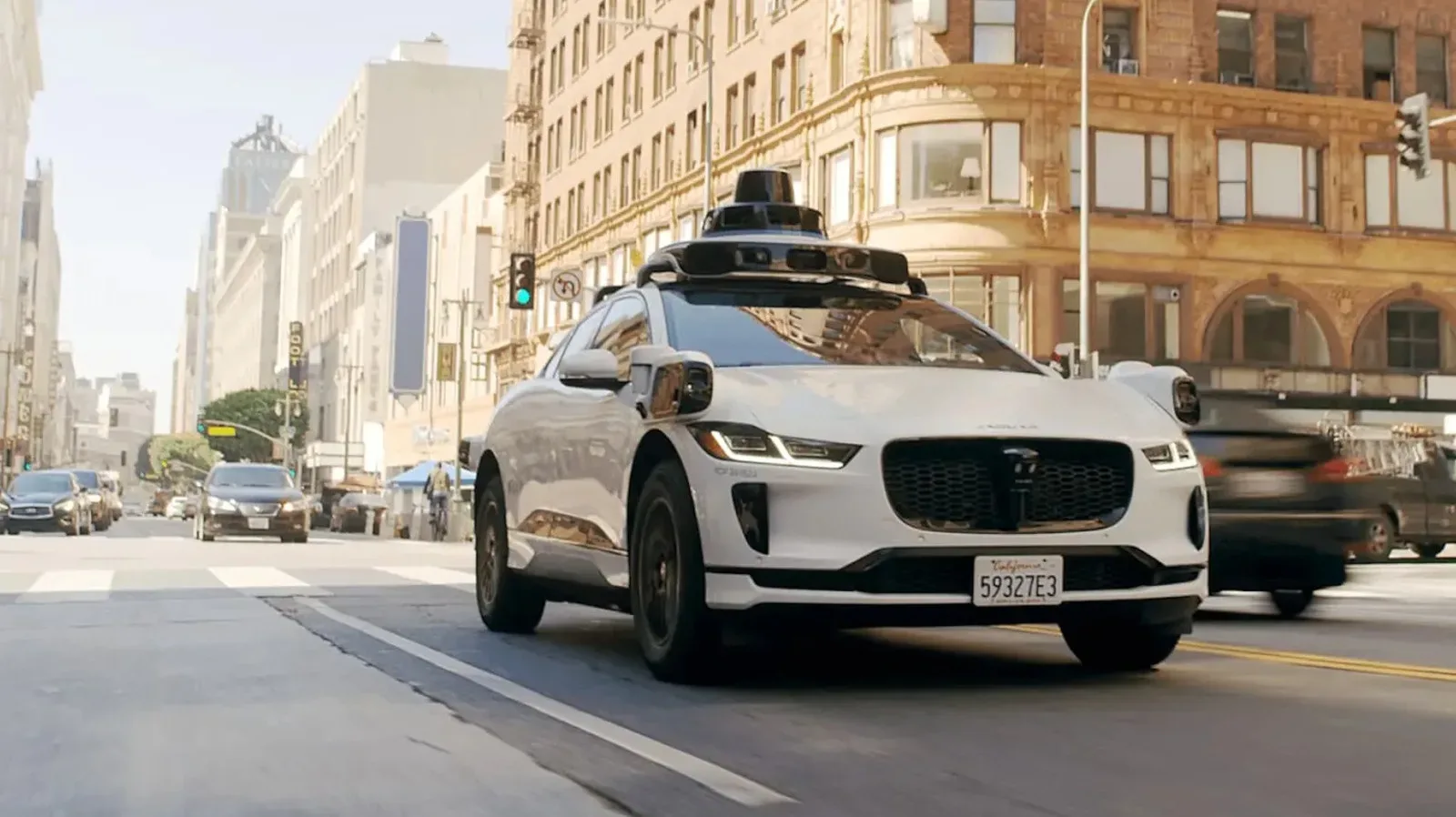
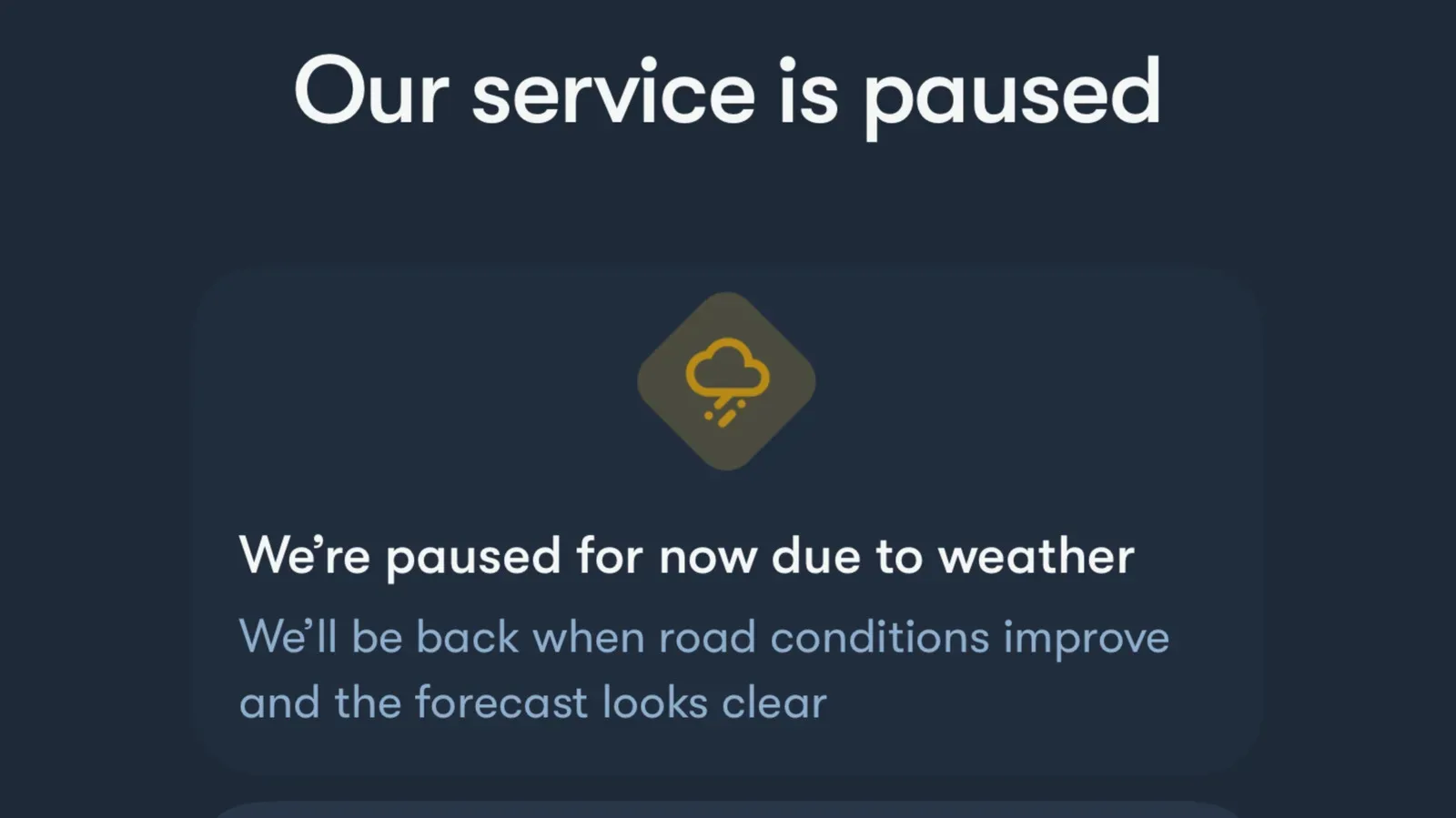
Waymo has temporarily paused its San Francisco robotaxi service as heavy rain and flooded streets create conditions its vehicles are not reliably handling. Riders opening the Waymo app are being told that service is paused because of weather, with rides set to return when road conditions improve and the forecast clears.
The halt follows reports and videos showing Waymo vehicles stopped around flooded parts of the city. In one instance, a vehicle was positioned in a flooded crosswalk, requiring other traffic to navigate around it. Another vehicle reportedly idled in a roadway and told its passenger to remain inside. District 5 Supervisor Bilal Mahmood also flagged the service interruption publicly.
For riders, the immediate effect is simple: no San Francisco pickups while the pause is active. For the wider robotaxi conversation, though, the episode highlights a much tougher problem than merely identifying rain on a windshield. A paid autonomous ride service has to decide when conditions have moved beyond what it can safely and predictably manage—and it has to avoid creating a hazard or obstruction while making that decision.
What Waymo’s weather pause means
The app message frames this as a temporary, weather-driven shutdown rather than a permanent exit from San Francisco. Waymo says service will return when road conditions are better and the forecast looks clear. The pause is limited to San Francisco, not a stated system-wide suspension.
For more context, explore JAY-Z’s Fade to Black Documentary Is Now Available Free on YouTube.
That distinction matters. A robotaxi service can suspend trips in one city because road conditions, local drainage, street layouts and the scale of a storm are local operational factors. Still, a city-specific pause does not make the underlying challenge insignificant. Flooded roads are especially difficult because a vehicle must assess not just whether water is present, but whether it can safely continue without knowing the depth, the condition of the surface beneath it or whether water conceals debris and other hazards.
In plain terms, refusing to drive through water can be a sensible safety choice. The difficult part comes when that safe refusal leaves a vehicle stopped in an intersection, crosswalk or travel lane. In that situation, the system must have a reliable way to reach a safe stopping place, reroute, obtain assistance or otherwise avoid making the street less safe for everyone around it.
Why flooding is not simply “bad weather” for an autonomous vehicle
Weather is often discussed as one broad category, but rain, standing water and flooding can introduce different complications. Rain may affect visibility. Flooding changes the road itself. It can erase lane markings, obscure curbs, cover potholes, alter where a car can travel and make a familiar route effectively unknown.
Related coverage includes Waymo Pauses San Francisco Robotaxi Service as Flooded Streets Stall Vehicles.
For autonomous driving, that distinction is important. A vehicle’s automated system uses information about its surroundings to plan a path. If a roadway is visibly submerged, the system faces a conservative choice: proceed into an uncertain hazard or stop. The videos described from San Francisco suggest that, at least in these cases, Waymo vehicles were stopping rather than attempting to cross flooded sections.
That choice is not necessarily evidence that a vehicle has made the wrong safety judgment. The concern is the operational outcome. A vehicle that halts where traffic still needs to pass can force human drivers, cyclists or emergency responders to react around it. A passenger instructed to stay in the vehicle may also be left waiting in a situation they cannot resolve themselves.
There is a useful technical phrase for this boundary: an operational design domain, often shortened to ODD. It means the set of conditions in which an automated driving system is intended to operate, such as particular roads, weather and traffic environments. Severe street flooding can push a route outside that intended envelope even if a city is normally within a service area. The practical question is not whether a robotaxi can identify a flooded patch; it is whether its response remains safe and workable once the route is no longer usable.
A repeat problem, not an isolated San Francisco interruption
This is not Waymo’s first weather-related service disruption in the city. The company paused San Francisco operations in December 2025 after a power outage led to similar instances of robotaxis blocking streets.
Flooding has also caused problems in other markets. In May, Waymo recalled nearly 4,000 vehicles and paused service after a robotaxi drove into a flooded road in San Antonio. The company issued a software update intended to address that issue. Later, however, Waymo paused service in Atlanta after another vehicle drove into a flooded street.
Those events provide important context for the new San Francisco pause. They show that the problem is not limited to one blocked road, one individual vehicle or one city’s storm system. The latest incident does not establish why each vehicle stopped, and it does not prove that the earlier software update failed in every respect. But it does indicate that flooded-road handling remains an unresolved operational challenge across multiple locations.
That is especially significant for a service built around scaling from one metro area to another. A system may improve at detecting a hazard, but safe service depends on several linked steps: recognizing the condition, selecting a route, communicating with riders, behaving predictably around other road users and recovering safely when the planned route is blocked. Floodwater tests the full chain at once.
San Francisco’s timing makes the interruption more consequential
San Francisco is dealing with heavy rain and flooding as the region approaches what forecasters expect could be a record El Niño winter. If such conditions continue, the issue is not merely whether Waymo can resume rides after one storm. It is whether the service can operate consistently through repeated periods in which localized flooding appears and disappears across a dense city.
Dense urban streets leave little margin for a vehicle to stop without affecting others. A stalled car on a wide road can be inconvenient; a stalled car at a narrow intersection or crosswalk can quickly disrupt traffic flow and create unexpected decisions for nearby road users. The incidents reported before the pause are therefore about more than a missed pickup. They go to the predictability expected of a transportation service sharing public roads.
There is also an unavoidable rider-experience issue. A person who uses a robotaxi expects the vehicle to either complete the trip or offer a clear, safe alternative when it cannot. The reported instruction for a rider to remain inside a stopped vehicle underscores how unusual weather can turn an automated journey into a live service-management problem. Clear app messaging, support processes and safe recovery procedures become just as important as the vehicle’s route planning.
Freeway restrictions add pressure to Waymo’s California operations
The San Francisco weather pause arrived one day after the California Department of Motor Vehicles restricted Waymo from using the state’s freeways. Waymo subsequently removed its robotaxis from freeways in all of its markets.
The two developments are separate: the current San Francisco stop is tied to flooded local streets, while the DMV action concerns freeway operation. Together, however, they show how quickly the usable map for an autonomous service can narrow. A service area is not just a city boundary on an app. It is the combination of routes, weather conditions and regulatory permissions in which rides can actually be offered.
That broader operating map is central to the business promise of robotaxis. A service can be technically available in a market while still being constrained by specific roads or conditions. Freeway restrictions can remove one kind of route; flooding can take away another. Customers may chiefly notice longer waits, unavailable pickups or a paused app, but those outcomes stem from the complexity behind maintaining a dependable autonomous fleet.
The key issue is recovery, not bravado
It would be easy to frame this as a robotaxi being too cautious about water. That misses the more meaningful test. A vehicle should not be rewarded for driving into uncertain floodwater merely to avoid inconvenience. Waymo’s earlier San Antonio incident, in which a vehicle drove into a flooded road, illustrates why caution is necessary.
The better benchmark is whether a robotaxi can turn that caution into a safe, minimally disruptive response. Can it identify an alternative route before reaching the water? Can it pull over without blocking a crosswalk or intersection? Can it get help promptly if it cannot proceed? Can it give passengers actionable information rather than leaving them stranded in an unclear situation?
Waymo has not provided a public explanation in the supplied information for the specific San Francisco stalls or for what changes will be made before service resumes. The company’s app says operations will return once roads improve and the forecast clears. Until then, the pause removes robotaxis from conditions that have already produced street-level disruptions.
For now, the episode is a reminder that autonomy is not only about a vehicle moving under normal conditions. It is also about knowing when not to move—and having a robust plan for everything that happens next. Flooded streets may be temporary, but how robotaxi fleets respond to them will matter for public confidence long after the water recedes.