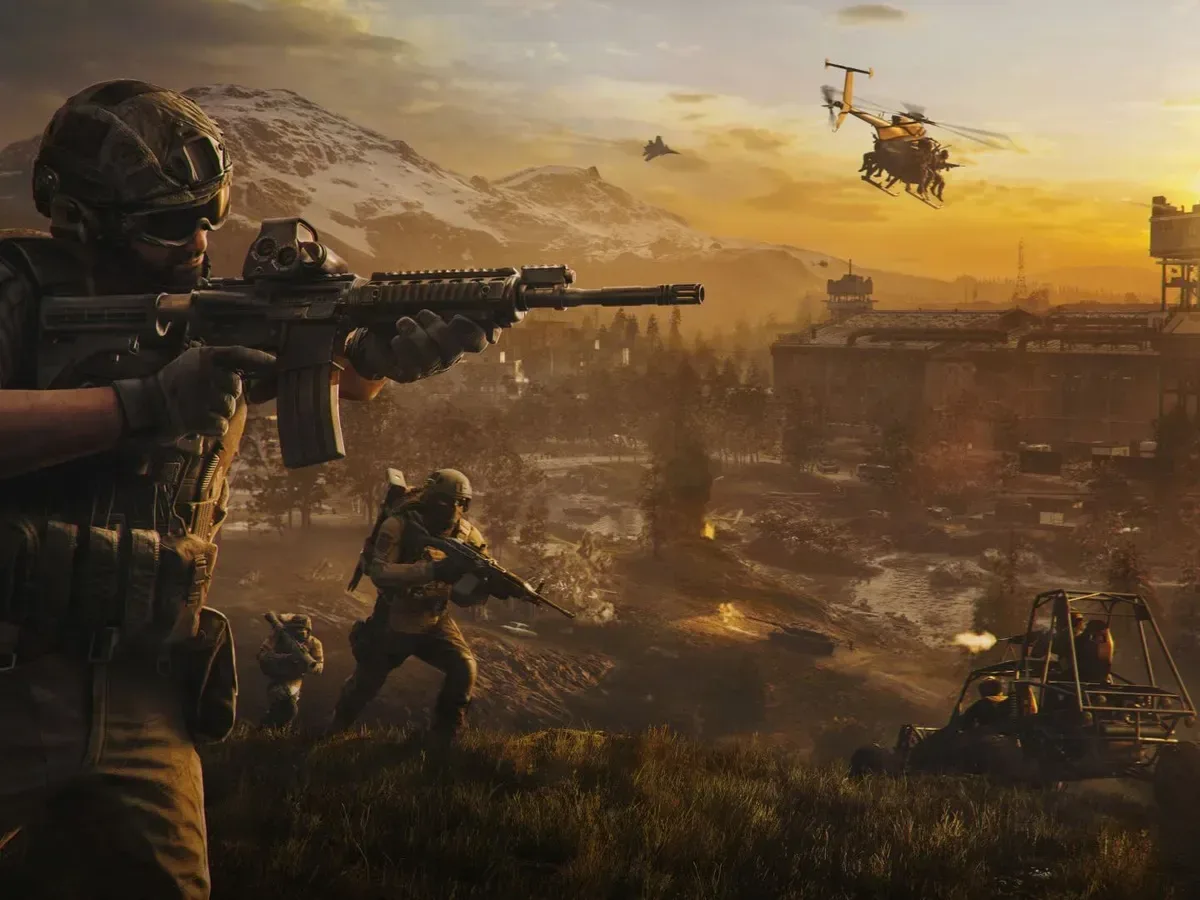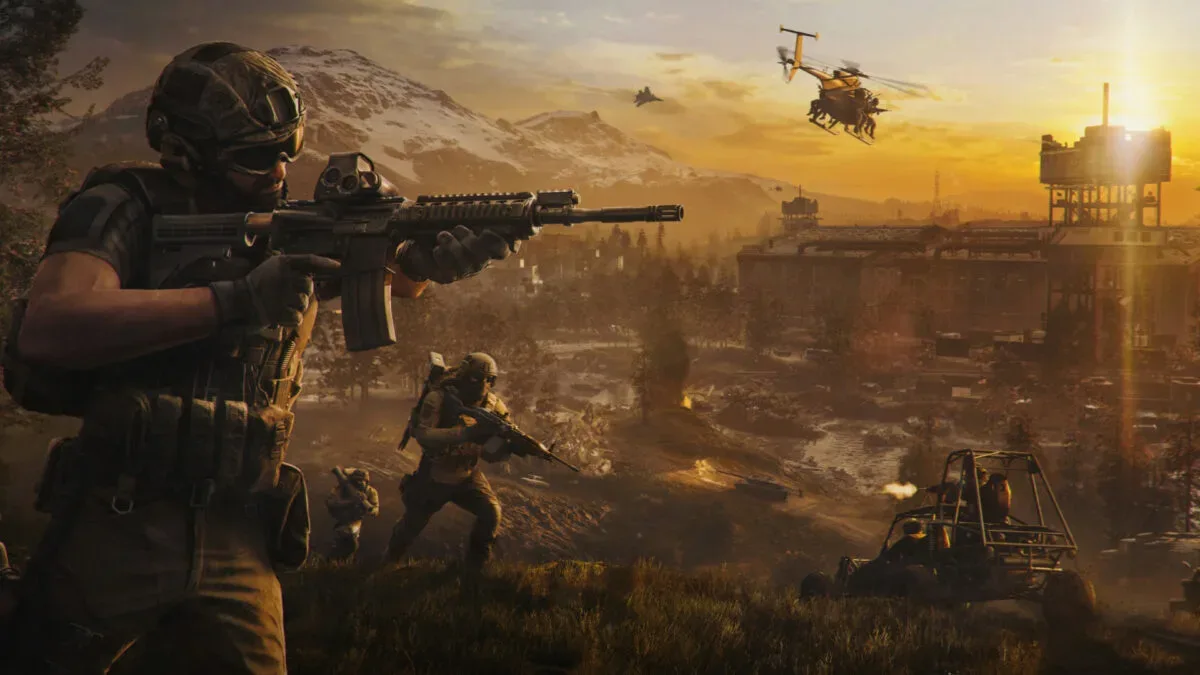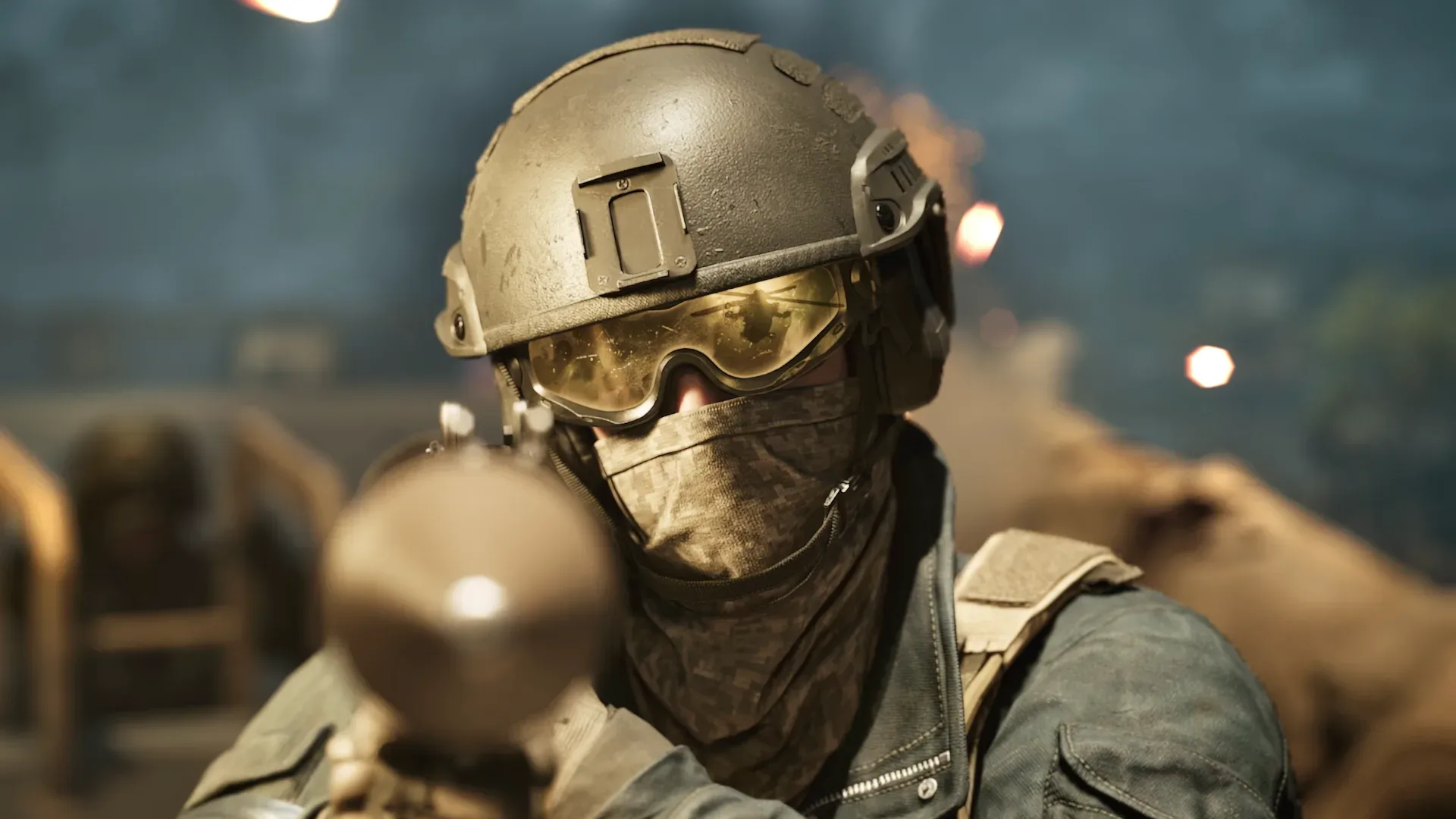
Wardogs CEO Joe Brammer has offered an unusually blunt defense of crunch at Bulkhead, saying the team worked late during the run-up to the first-person shooter’s early-access release and arguing that, at certain moments, the work required to ship a game must take priority.
Brammer’s comments put a familiar and difficult industry argument back in the foreground: whether intense overtime can be justified by a release deadline, especially when a studio sees that launch as central to keeping its staff employed. His answer is clear. He says the Wardogs team does not enjoy late work, but that it did work late and did crunch during the early-access push.
“Sometimes, yes, life is more important. But sometimes, when you’re on the eve of releasing a game that keeps you all employed, work’s more important.”
He framed that stance in forceful terms, dismissing complaints from developers who do not want overtime on a $100,000 salary as “Californian bullshit.” The remark will predictably draw attention not only because of its wording, but because it presents compensation as part of the case for expecting extra hours.
What “crunch” means in this case
Crunch is the common games-industry term for a sustained period of unusually long working hours, generally tied to a major deadline such as a launch, update, or milestone. Brammer’s description specifically concerns work leading into Wardogs’ early-access release, rather than a claim that every stage of development should involve overtime.
That distinction matters. A short deadline push and a culture where extended hours are normal may both be called crunch, but they raise different practical questions. The supplied comments establish that Bulkhead used late work for its release push and that Brammer regards it as sometimes necessary. They do not establish the exact hours worked, the duration of the period, how individual staff were compensated, or whether the overtime was voluntary.
Early access is also relevant context. It is a release model in which a game is made available before its full development is complete, allowing the studio to continue building it after players arrive. A strong early-access debut can be commercially meaningful, but it can also make the final pre-release stretch especially consequential: a game needs to be ready enough for a public audience while the team is still preparing for continued development.
Brammer’s argument rests on that high-stakes framing. He characterizes the point immediately before a release as an exceptional moment, one where the consequences of not delivering can affect everyone at the studio. That is an explanation of his philosophy, not a technical measurement of Wardogs’ working conditions. Still, it makes the leadership position unambiguous: Bulkhead’s CEO believes occasional crunch can be warranted by the need to get a game out.
Related coverage includes Wardogs CEO Defends Crunch During Early Access Push, Sparking Debate Over Studio Culture.
A recruitment philosophy built around FPS enthusiasm
The crunch comments sit alongside Brammer’s broader view of hiring. He says Bulkhead has high recruitment standards and has checked applicants’ Steam accounts to gauge whether candidates are genuinely invested in first-person shooters.
Steam accounts can indicate what games someone owns or plays, so the stated aim appears to be finding people with a demonstrated personal interest in the genre. Brammer says he prefers what he describes as a more talent-driven approach to games hiring and does not share the idea that everyone should be able to get a job in the industry.
He believes the hiring “floodgates” opened and are now closing, and argues that prospective developers should need to show that they are good enough and can prove their value. Taken together, the recruitment and overtime comments describe a studio culture that places a premium on specialization, commitment, and performance under pressure.
There is a practical tension in that worldview. Deep interest in FPS games may be useful when a studio is creating an FPS, and a team with shared genre knowledge can potentially communicate more easily about weapons, pacing, or player expectations. But enthusiasm for a genre is not the same thing as agreement to limitless availability. Brammer’s comments do not say that it is. Instead, his position is that extraordinary moments close to a release can demand an extraordinary effort.
That nuance will be central to how players and developers interpret the remarks. A leadership team can argue that a launch push is exceptional; employees may still judge the fairness of that push by factors not addressed here, including its length, predictability, and effect on their lives. None of those details have been provided for Wardogs, so they should not be assumed.
A hard line, followed by a planned reset
There is another side to the immediate Wardogs schedule. Brammer has told players not to expect much from the team over the coming weeks because Bulkhead is taking a month-long break in December following the game’s early-access success.
In his typically direct style, he told players to “go play GTA 6” and said the team needs to “detox.” He also said he wants players to understand they can effectively leave the studio alone for that month. The messaging is deliberately abrasive, but the operational point is straightforward: the team plans to step away after the release period.
That planned pause does not erase the debate around crunch, and Brammer does not present it that way. Rather, it shows how Bulkhead appears to be handling the aftermath of a demanding release window: a concentrated push, then a clearly signaled period with reduced expectations from the community.
For players, that clarity is useful. Live and early-access games can create an expectation of rapid fixes, patches, and frequent communication, particularly immediately after release. Bulkhead is setting a boundary in advance rather than allowing fans to infer that the team will remain continuously available after the launch effort.
The GTA 6 reference also lands in a crowded release conversation. For more on how the game’s release window can shape the space around other games, see this look at GTA 6’s potential scheduling shadow.
Wardogs loadouts are coming, but weapon variety remains the goal
Beyond the studio-culture discussion, Brammer has confirmed that Wardogs will receive loadouts. In an FPS, a loadout generally means a player-selected collection of equipment or weapon choices used when entering a match. The exact format of Wardogs’ system has not been detailed in the supplied information.
Bulkhead’s stated design goal is not simply to let players lock into one dominant setup. Brammer says the team wants players to keep trying different weapons rather than settle permanently on a single arrangement.
That leaves a few important questions unanswered: which gear will be part of a loadout, how players will access the system, and what balance rules will encourage experimentation. The core intention, however, is explicit. Loadouts are planned as a convenience or customization feature without abandoning the desire for players to explore Wardogs’ arsenal.
It is a fitting detail beside Brammer’s wider comments. Bulkhead is asking for commitment from its developers during a release-critical period, while asking players to remain flexible in how they approach the shooter rather than treating one preferred weapon setup as the entire experience. The team will get its December reset; players can expect loadouts later, but should not read that confirmation as an invitation to stop experimenting.