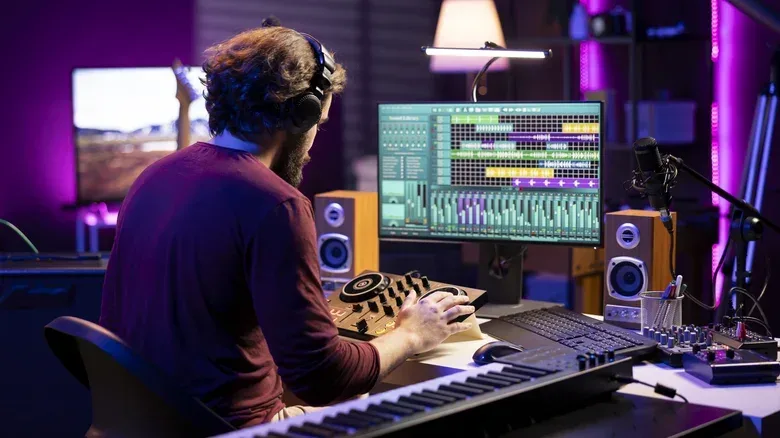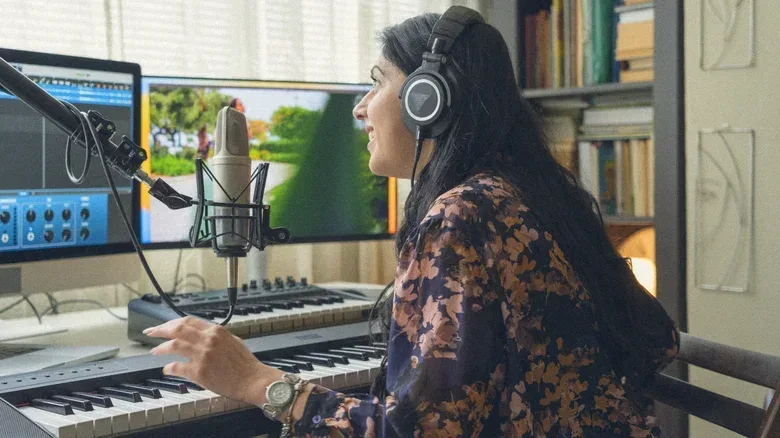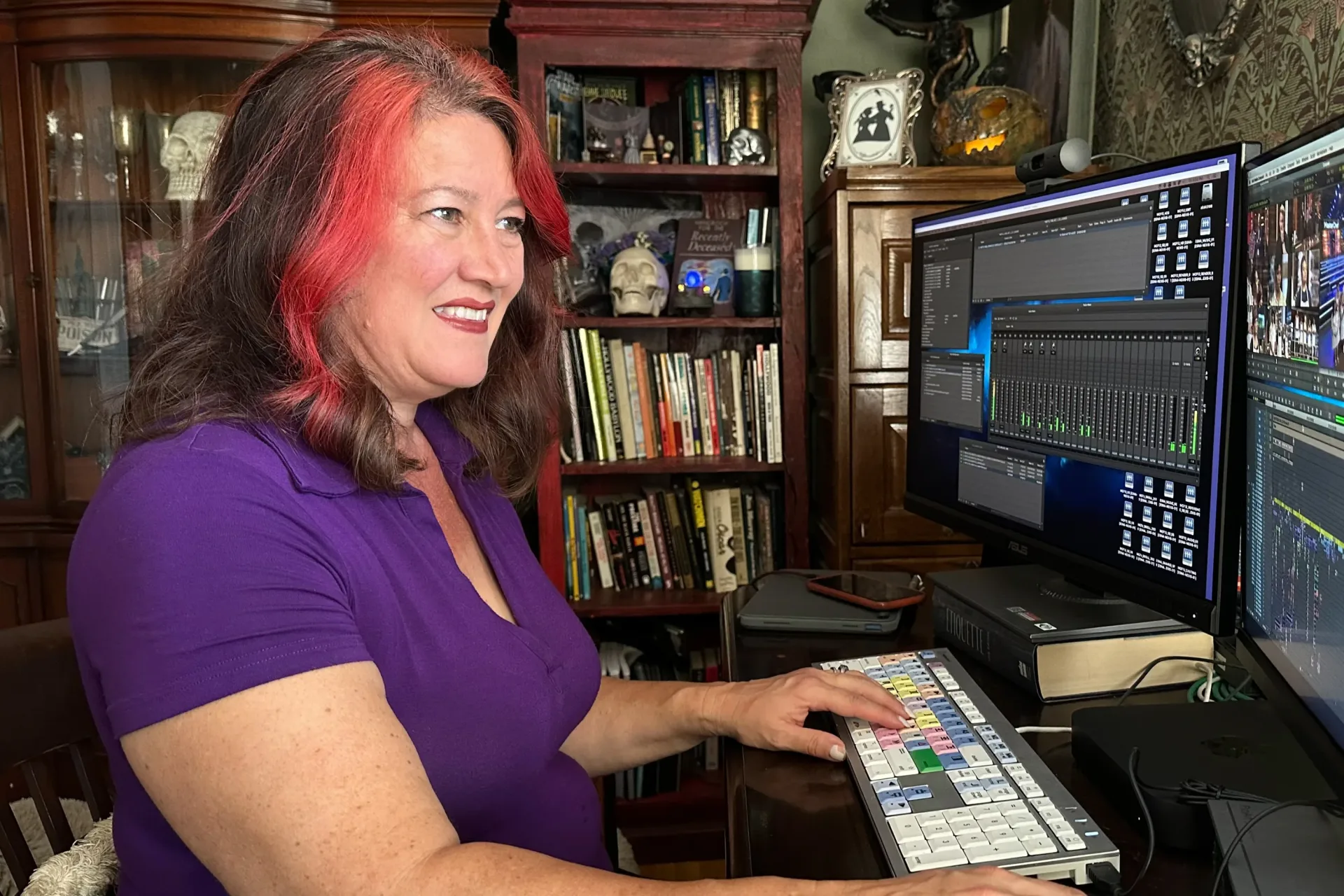
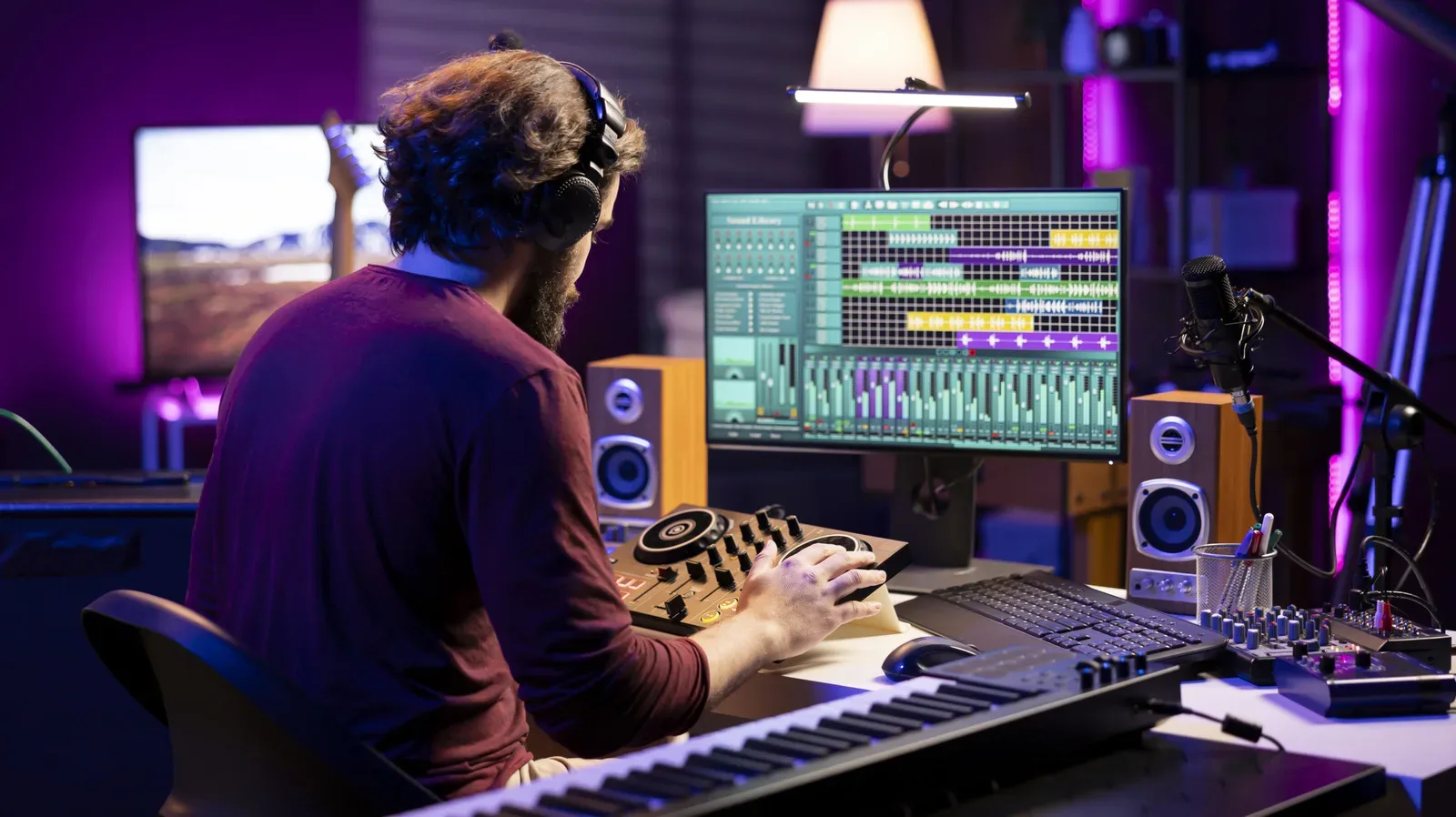
Artificial intelligence is already a noisy subject in music, especially when the conversation turns to systems that generate songs. But another application may prove more consequential for the people making, recording and manipulating sound: AI-assisted software development for music gear.
The term vibe coding describes using everyday-language prompts with an AI chatbot to produce or revise computer code. For musicians, that can mean asking for a feature, a user-interface change or a new approach to an effect rather than starting by mastering every language and programming framework involved. The appeal is obvious. A producer with an unusual sound-design idea may be able to get a working prototype without hiring an entire development team or putting music on hold while learning advanced software engineering.
That possibility is beginning to reshape the world of plugins, firmware and other tools used with synthesizers, samplers, grooveboxes and digital audio workstations. It also comes with a loud disclaimer: producing code is not the same as producing dependable audio software. The growing number of AI-assisted releases has created more opportunities to experiment, but it has also brought worries about badly copied products, unreliable performance and security problems that less technical makers may not know how to identify.
For anyone whose idea of a perfect creative rig includes a controller, a DAW and an ever-growing folder of effects, the practical question is not whether AI can write some code. It plainly can. The question is whether a particular tool is stable, compatible, safe and musically useful enough to survive after the first burst of novelty.
What musicians mean by a plugin
A plugin is software that adds an instrument, an effect or another function to a digital audio workstation, commonly shortened to DAW. A DAW is the software environment used to record, arrange, edit and mix music. Plugins can emulate familiar categories of gear, such as synthesizers and effects, or propose entirely different ways to create and process sound.
In principle, that makes plugins a wonderfully flexible part of a modern music setup. In practice, building one is unusually demanding. A developer may need to understand programming, audio engineering and interface design at once. The tool may also need to work across different operating systems and inside more than one DAW. A patch that feels wonderful in a narrow test setup is not automatically a finished product that behaves correctly on another computer or in another host application.
Those requirements have historically made custom audio software difficult for musicians who do not already code. A promising concept often required either the money to employ specialists or the time to become one. Earlier tools such as SynthEdit and FlowStone, as well as visual programming environments, made software creation more accessible by letting users build synthesizers and modules without beginning from raw code. Yet the barrier remained substantial: even comparatively small synth changes could demand weeks of work.
Vibe coding changes the starting point. Rather than painstakingly writing every operation, a musician can describe a desired behavior, inspect the result and ask for another pass. That can compress the route from an idea to a prototype. It can be especially attractive when the real goal is not becoming a full-time developer, but making a specific modification that helps a musician get back to composing.
That is a meaningful distinction. Faster prototyping can widen the range of ideas that are practical to try. It does not eliminate the work of deciding what an instrument should do, recognizing when it fails and refining it into something usable.
AI is an assistant, not a one-prompt instrument designer
The phrase “vibe coding” can make the process sound effortless, as though a short prompt turns a half-formed request into polished software. The available examples point to something more involved. Evan Mezeske, a former Google software engineer behind the Anukari plugin, has described a process built around a lengthy design document and roughly a thousand rounds of feedback and direction.
That account matters because it identifies where human judgment remains central. An AI system may generate a section of code quickly, but a person still has to establish the creative target, determine whether the output meets it, explain what is wrong and choose the next trade-off. In audio work, tiny decisions can matter disproportionately: how a parameter responds, how a control is presented, whether an effect behaves predictably and whether the sound supports a musical intention rather than merely demonstrating a technical trick.
John von Seggern, chief executive of online music school Futureproof, has framed the shift as moving development away from typing code and toward taste and decision-making. That is an optimistic but useful way to view the technology. It can give more people a means to express an idea in software. It cannot supply taste automatically, and it cannot exempt creators from evaluating the result.
Anukari illustrates the sort of creative territory this can open. The synthesizer uses fully interactive 3D physics simulation to make sounds and effects, with descriptions that range from alien-like communication to a spiderweb-meets-gong mood. Whether those sounds suit a particular track is subjective, but the concept is not simply another generic recreation of familiar hardware.
Other examples include Nova from Lunacy Audio, which uses AI tools in its development and is presented as a collaborative-audio-style platform for accessing unconventional instruments from Grammy-winning composers and producers. Vald Labs’ Tresse is another AI-assisted soft synth that has drawn favorable reactions. These projects show why the trend has attracted attention: lowering the implementation barrier can make room for odd, personal or specialized design ideas that might otherwise never leave a notebook.
Firmware and the expanding customization urge
The effect is not limited to plugins inside a computer. Creators are also producing firmware and software for grooveboxes, synthesizers and samplers, with paid and open-source projects appearing on services such as GitHub. Firmware is the software that helps a hardware device operate; in this context, it can change or extend what a piece of music gear can do.
For players and producers, this can be empowering. A favorite piece of gear may inspire a custom workflow, a particular modulation idea or a feature that the original maker did not prioritize. AI assistance can make it easier for a capable enthusiast to pursue such changes. For the broader gear scene, more creators participating could mean a larger supply of niche utilities and experiments than a conventional commercial pipeline would support.
But the phrase more software should not be confused with more good software. Choice imposes its own burden. When releases arrive quickly, musicians must spend more time separating a thoughtful tool from an unfinished one. That is the same sort of caveat facing many supposedly frictionless technologies, a theme worth keeping in mind when considering technologies moving from demonstrations into everyday use.
A market prediction that the plugin business could double by 2033 captures the commercial optimism around this area, but it does not verify the quality of any individual release. Nor does it establish that every musician will benefit evenly. Some critics argue that paywalls can blunt the democratizing promise of AI tools, even when the pitch is broader access.
The “AI slop” backlash is about trust
The skeptical response is not merely resistance to a new workflow. Rapper, producer and plugin reviewer SumnSumnSumn HTK has been outspoken about what they call “AI slop plugins,” criticizing a growing number of poorly constructed replicas of established audio software. Similar frustration has surfaced among people dealing with a heavy influx of questionable submissions and promotional messages.
The underlying issue is trust. Music software can sit directly inside a working project, and a malfunctioning plugin can be more than a minor annoyance. If a tool behaves unpredictably, does not function in the expected DAW or proves difficult to understand, it costs time that could have gone toward recording and arranging. A product that resembles a respected instrument on the surface does not necessarily match its sound, stability or design discipline.
AI-generated code can make volume easy. It does not necessarily provide the rigorous testing, cross-platform support, documentation and sustained maintenance that turn a project into reliable music gear. This distinction is especially important for newcomers, who may be less able to inspect code or diagnose why a plugin is behaving badly.
There is a broader economic tension as well. If an influx of low-effort imitations dominates attention, it may make it harder for non-AI developers to compete. Conversely, AI-assisted workflows may help small teams pursue ideas that used to be financially out of reach. Both dynamics can be true at once; the consequences will depend on whether audiences, platforms and creators reward lasting quality rather than sheer output.
Security is part of the creative decision
Audio software deserves the same caution users would give any downloaded application. Security researchers at Apiiro have reported that AI-assisted teams produced code with ten times the security risks of teams not using AI assistance. That finding does not mean every AI-assisted plugin is unsafe, nor does it make conventional development risk-free. It does mean that the use of AI is not a substitute for review.
The concern is sharper when creators are new to programming. Someone may be able to prompt a chatbot into generating a functional feature while lacking the expertise to assess what else came along with it. Bugs, weak security practices and problematic dependencies can be difficult to see from a polished interface.
For musicians evaluating a new tool, a sensible approach is to keep the excitement focused on the actual creative payoff:
- Define the problem first. Identify the sound, workflow change or device behavior the tool is supposed to provide. A clear need makes it easier to tell a useful instrument from a novelty.
- Check compatibility carefully. Plugins may need to work with a particular operating system and DAW. Firmware has its own device-specific requirements. Do not treat a broad claim of support as proof that it fits a specific setup.
- Favor signs of ongoing care. Clear information about function, support and updates is more meaningful than a flashy claim that a product was created with AI.
- Be cautious with unknown downloads. The security concerns surrounding AI-assisted apps are a reason to evaluate unfamiliar software thoughtfully, not a reason to assume that all new plugin makers are untrustworthy.
- Judge by the musical result. A distinctive underlying technique matters only if it provides sounds or control that hold up in a real creative process.
The lasting question is still musical
Vibe coding may make custom music tools far more attainable. It can shorten the path from an idea to an experiment, invite more musicians into software design and encourage unusual approaches to synthesis and effects. It may also accelerate a flood of weak copies and unfinished apps, forcing users to become better curators of their own software collections.
Neither extreme answers the essential question. The value of a plugin is not settled by whether AI helped create it, how quickly it appeared or how unusual its pitch sounds. It is settled by whether it works reliably and gives a musician something worth making. Code can be generated at speed; a useful instrument still has to earn its place in the session.