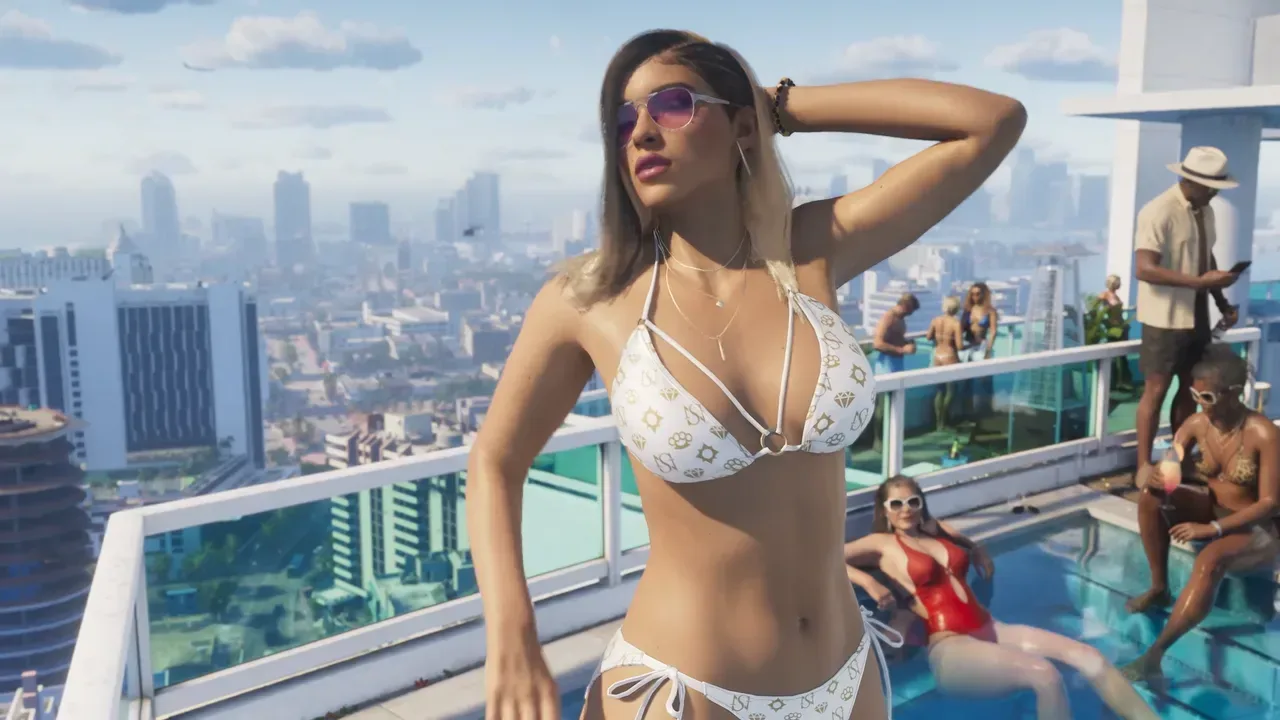
Grand Theft Auto 6 is already the kind of release that makes the rest of the calendar glance nervously at the exits. Twitch CEO Dan Clancy believes game publishers are sensible to avoid launching directly into its path this November—and he expects the eventual multiplayer release connected to GTA 6 to create an even larger online-attention spike in 2027.
That is a consequential prediction, but it is important to separate what has been said from what remains unknown. Rockstar Games has GTA 6 set for a November launch on PlayStation 5 and Xbox Series X|S. It has not publicly confirmed the name, release date, structure, or even formal existence of a successor called GTA Online 2. Clancy referred to multiplayer launching next year; that is meaningful industry commentary, not an official product announcement from Rockstar.
The distinction matters because the shorthand “GTA Online 2” implies a particular kind of clean break: a new standalone online service replacing the existing one. The actual plan could be framed differently, arrive on a different timetable, or make different connections with GTA 6 than fans expect. At present, the safe description is simply GTA 6’s reported or anticipated multiplayer component.
A launch event—and potentially a second one
Clancy said Twitch has spent substantial time discussing Rockstar’s plans and ways to help creators engage with the game. His expectation is that GTA 6’s initial release will produce a major rise in interest, followed by an even bigger jump when multiplayer arrives next year.
That forecast reflects two different kinds of attention cycle. A single-player launch concentrates discussion around story progress, discoveries, clips, character debates and spoiler-sensitive coverage. It can be enormous, but much of the audience eventually completes the campaign or waits for a sale, patches, or a convenient time to play.
Multiplayer, by contrast, has the potential to repeatedly generate occasions to watch and participate. Streamers can return for sessions with friends, social communities can form around shared activities, and unscripted player interactions can become short clips that circulate far beyond a game’s immediate audience. That does not guarantee a larger peak—Rockstar has not detailed the mode—but it explains why Clancy sees multiplayer as the bigger streaming proposition.
In this context, “engaging creators” does not necessarily mean paid sponsorships or special access. It can describe the wider practical challenge of ensuring a game is legible and compelling on live video: audiences need reasons to tune in, creators need activities that support repeat broadcasts, and viewers need to be able to follow the action. GTA has long been an obvious fit for unpredictable player-driven moments, but the format and tools of a future multiplayer offering have not been announced.
Why other publishers may keep their distance
Clancy’s warning about competing with GTA 6 is ultimately about attention, not just unit sales. Big games do not merely compete for someone’s purchase on launch day. They compete for time, bandwidth, social feeds, streams, group chats and the willingness to begin a lengthy new experience.
Related coverage includes Twitch Chief Expects GTA 6 Multiplayer to Drive an Even Bigger Surge in 2027.
For another publisher, releasing near GTA 6 could mean fighting a difficult visibility battle. A game may be good enough to deserve an audience yet still receive less conversation than it would during a quieter period. Marketing has to work harder when nearly every gaming discussion is pulled toward one title, while creators may reasonably concentrate their limited streaming hours on the game their communities most want to see.
That is why a schedule shift can be a rational defensive decision rather than an admission that a game cannot stand on its own. Moving away creates room for coverage and gives an audience time to form habits around another release. The trade-off, of course, is that a less crowded date can come with its own risks: a publisher may sacrifice a holiday window, delay revenue, or collide with a different major game later.
There is also a practical complication in the two-stage theory. If GTA 6’s multiplayer element follows in 2027, publishers may face a second period in which Rockstar dominates online gaming conversation. The initial November release and a later online rollout would not necessarily be identical events, reaching exactly the same audiences in the same way. That possibility is why Clancy’s prediction matters beyond the first week of GTA 6 sales.
“GTA Online 2” remains a fan label, not a confirmed title
The phrase GTA Online 2 is useful for conversation but should not be allowed to turn speculation into fact. Rockstar has yet to say when a multiplayer portion of GTA 6 will arrive. It has not announced whether that mode will carry the GTA Online name, whether it will launch separately from the main game, or what players should expect from progression and long-term support.
Questions that remain unanswered include:
- Whether GTA 6 multiplayer will arrive in 2027 at all.
- How long after the November release Rockstar may wait before launching it.
- What the mode will be called and how it will be positioned.
- Whether existing GTA Online players, characters, progress or purchases will have any relationship to the new experience.
- What support would look like for the current GTA Online once a new multiplayer product exists.
Those details are not small print. They determine how players plan their time, how creators organize communities, and how much continuity existing GTA Online fans can expect. Until Rockstar speaks directly, a confident name and a confident launch window are still just a confident guess wearing a nice jacket.
Take-Two’s legacy-support example is encouraging, but not a promise
There is one notable reason not to assume a future GTA multiplayer service would automatically shut down or render the current GTA Online irrelevant. Take-Two CEO Strauss Zelnick has previously pointed to the company’s handling of NBA 2K Online in China. NBA 2K Online launched in 2012, followed by NBA 2K Online 2 in 2017, and both were kept active rather than immediately sunsetting the first service.
Sunsetting is industry language for ending a product’s active operation or support, often through closure, withdrawal of service, or a move away from ongoing updates. Zelnick’s broader point was that Take-Two has shown a willingness to keep legacy titles supported when players remain engaged.
Take-Two has shown a willingness to support legacy titles when the community continues to use them.
That is a useful indication of corporate thinking, but it is not confirmation of a GTA-specific policy. NBA 2K Online’s circumstances, audience and market positioning do not establish what Rockstar will do with GTA Online. Nor does a general willingness to support active communities answer practical questions about updates, transfers, matchmaking, spending, or content cadence.
Still, it offers a more nuanced possibility than the usual sequel panic. A new GTA multiplayer product and an older GTA Online could potentially coexist if there is sustained demand for both. Players should treat that as a plausible interpretation of Take-Two’s stated approach—not a guarantee to base purchasing decisions on.
PC players are part of the equation
GTA 6’s announced platforms are PlayStation 5 and Xbox Series X|S. No PC release has been announced. That leaves PC players with a straightforward choice at launch: move to console to play GTA 6, or remain with GTA 5 and GTA Online on PC.
The platform split could matter especially if multiplayer follows later. A giant online game relies on communities having a place to gather, and the lack of an announced PC version means part of the established GTA audience may continue with the current game rather than join a new console-only ecosystem. Whether that affects Rockstar’s multiplayer strategy is unknown; it is simply an important limitation on what can be assumed about the audience transition.
It also reinforces why continued support for an older service would have value. Even if a future multiplayer offering becomes the center of attention on consoles, the current GTA Online could remain relevant for players who do not own the announced launch hardware. Rockstar has not said how it intends to handle that divide.
What is known about GTA 6 right now
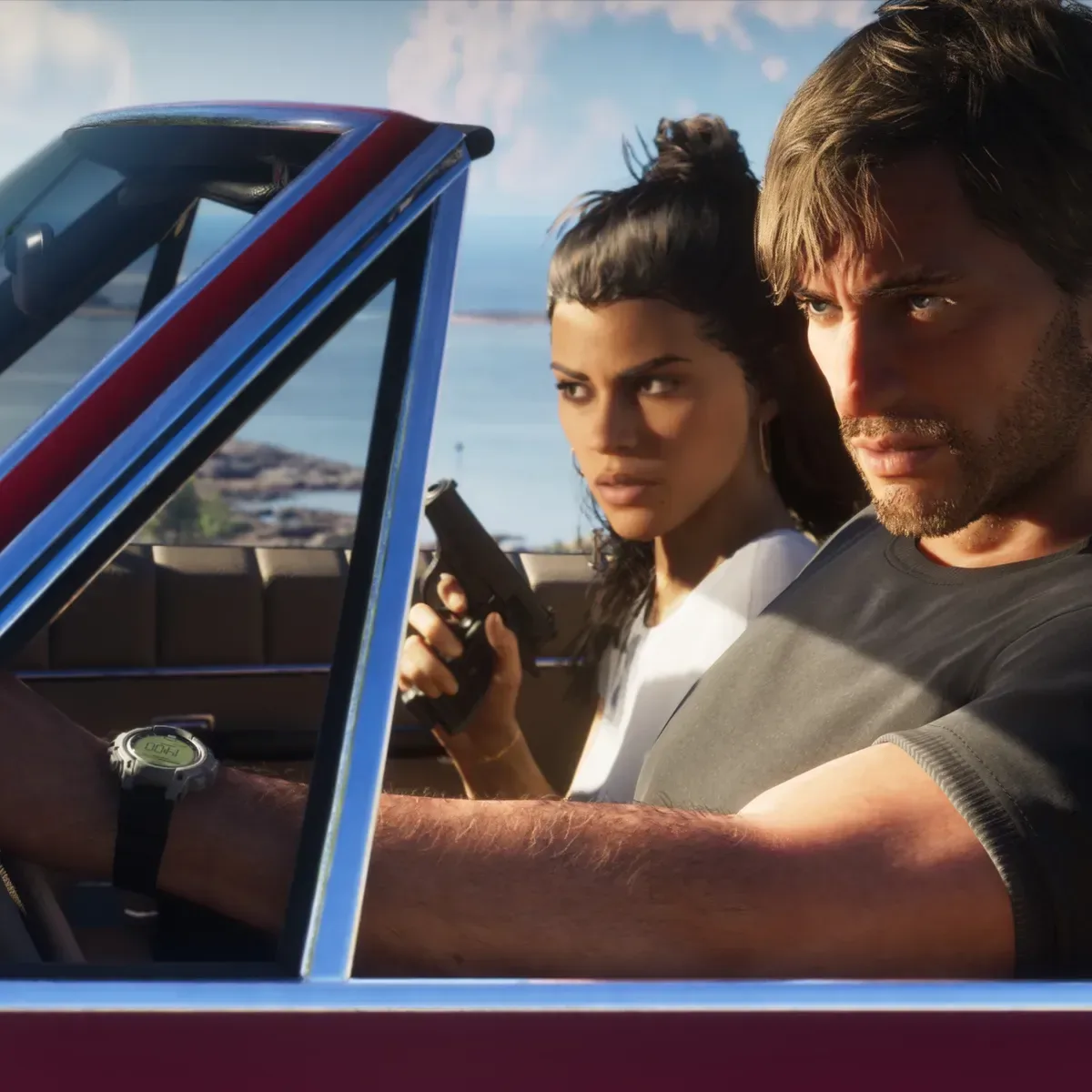
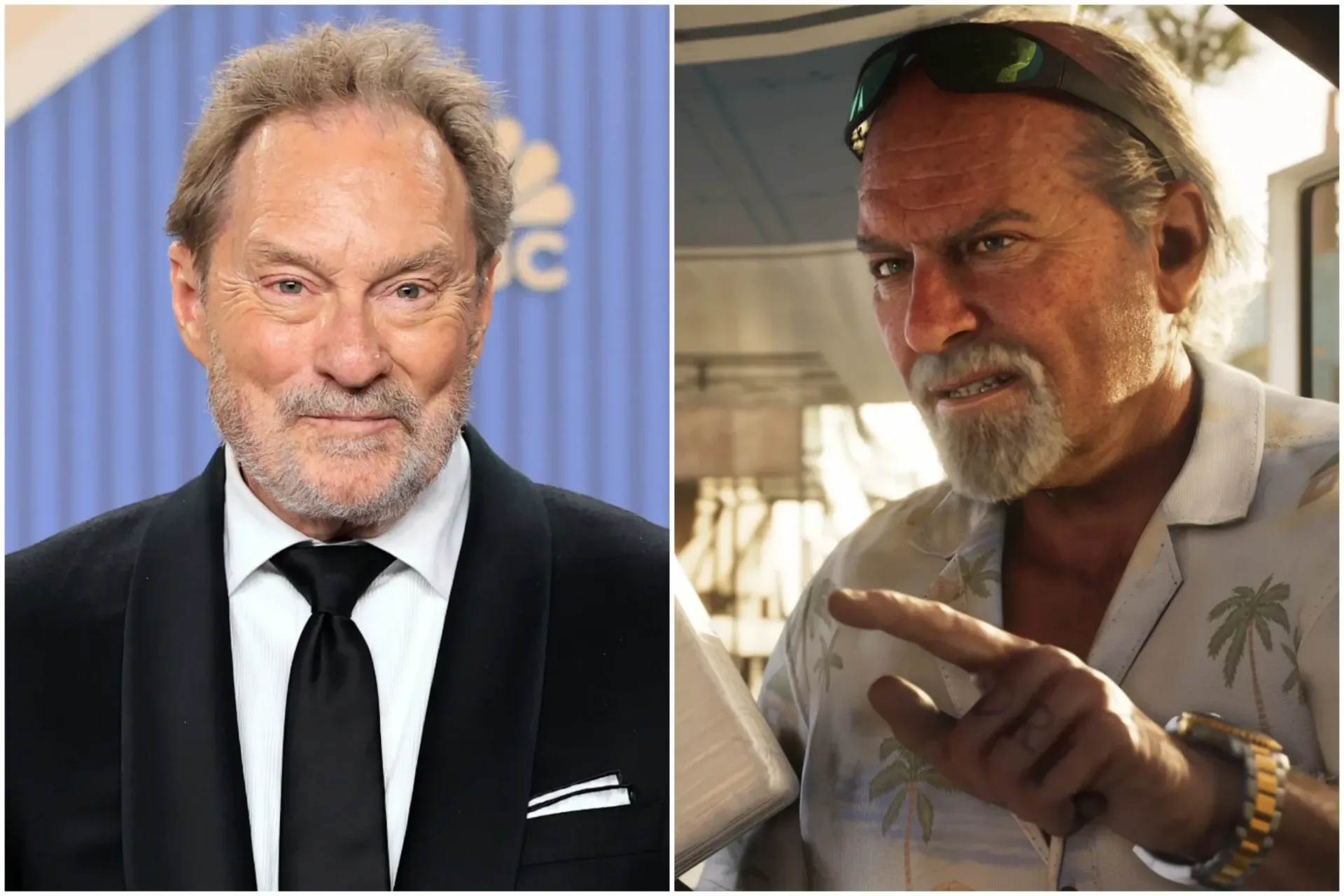
Alongside the mounting anticipation around November, some artists have recently teased that they are involved with GTA 6’s soundtrack. Stephen Root has also confirmed a role in the game’s cast. Rockstar itself has not yet publicly identified the actors playing dual protagonists Jason and Lucia, leaving fans to continue their credit-roll detective work from a safe, respectful distance.
For physical-media-minded fans following the music angle, a separate report details the announced GTA 6 soundtrack CD and vinyl editions. Those products are distinct from the unanswered questions surrounding the game’s online future, but they underline the scale of interest building around the release.
What players and creators should take from Clancy’s comments
Clancy’s comments are strongest as a forecast about the shape of attention around GTA 6 rather than a road map of confirmed features. The November launch is positioned to be a huge cultural moment in games. If Rockstar then launches a major multiplayer component in 2027, the audience could be renewed and potentially expanded by the social, repeatable nature of live online play.
For players, the practical takeaway is restraint: do not assume a named GTA Online sequel, a precise 2027 date, or an immediate end to the current GTA Online. For competing publishers, the implication is more immediate: a major Rockstar release can alter the conditions under which every nearby game is marketed, discussed and streamed.
For Twitch and other video platforms, the opportunity is obvious but not automatic. A massive launch generates viewers; an enduring multiplayer community requires reasons for those viewers to return. Rockstar has yet to reveal the details that would show how it plans to meet that challenge. Until it does, GTA 6’s online future is best understood as a highly anticipated second act, not a confirmed script.