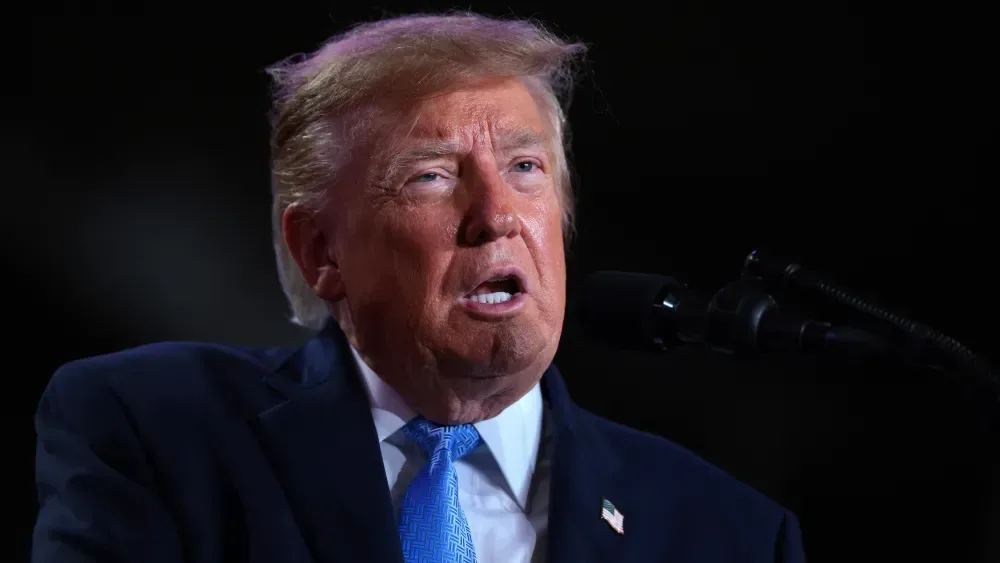
President Donald Trump is pressing a terminology change with unusually broad ambitions: replacing “artificial intelligence” and the familiar abbreviation “AI” with “super intelligence,” or “SI.” The proposal is not merely a preference for a catchier label. A late-September executive order directs the executive branch to use the new terminology in government materials to the maximum extent the law permits, and Trump has now said he wants “AI” and “artificial intelligence” officially banned in relevant documents and beyond.
That puts a political branding campaign on a collision course with decades of technical language. “Artificial intelligence” was coined more than 70 years ago and remains the standard umbrella term used by computer scientists, companies, journalists and the public. The words appear everywhere: product descriptions, research papers, software documentation, policy discussions, school materials and the menus inside consumer apps.
For players, developers and anyone who follows technology in games, the immediate question is less whether a new abbreviation sounds grander and more what a naming directive can actually change. Government wording can be standardized by government policy. The vocabulary used by independent companies, game studios, researchers and ordinary users is another matter entirely.
What the executive order says
Trump issued the executive order in late September following a Washington, D.C., summit with technology leaders. Its position is that “Super Intelligence” better reflects the promise, potential and rapidly advancing capabilities of the relevant technologies. It says executive-branch agencies should use “Super Intelligence” and “SI” instead of “Artificial Intelligence” and “AI,” and should not acknowledge the older terms in applicable settings.
The wording “to the maximum extent permitted by law” matters. It signals that the directive is aimed at language under executive-branch control, rather than functioning as a magical find-and-replace command for every book, website, game, company and conversation. It also leaves room for legal limits and for situations where established wording may exist in material that agencies cannot simply rewrite.
Trump reinforced the point in a Tuesday post on Truth Social, criticizing the continued use of “AI” and describing the existing term as inaccurate. He specifically called for “SI” to take its place.
The distinction here is important: this is a move about labels, not a disclosed change to the underlying technology. Nothing in the available details describes a new software system, a new hardware standard, a new game-development tool or a new capability that becomes available because the terminology changes. The proposal is about what institutions call a set of technologies already widely discussed under the AI label.
AI and “superintelligence” are not interchangeable in ordinary technical usage
“Artificial intelligence” is broad. In everyday product language, it can cover systems that generate text or images, recognize patterns, make recommendations, translate language, assist with coding or automate pieces of a workflow. It does not, by itself, specify how capable a system is. A modest automated feature and a far more advanced model can both be marketed or discussed as AI.
“Super intelligence,” by contrast, is a much stronger phrase. Even without importing a formal definition not included in the order, the plain-language effect is clear: it frames the technology around exceptional capability rather than around its artificial or computational nature. That can change expectations before users encounter a product at all.
That expectation gap is relevant in gaming. Players are accustomed to “AI” describing non-player-character behavior, enemy routines, racing opponents, procedural systems, accessibility features and newer creative or support tools. Those systems vary enormously in sophistication. Calling all of them “super intelligence” could suggest a consistent level of understanding, autonomy or quality that the label alone cannot establish.
For developers, precise language is especially useful when teams need to explain what a feature does and what it does not do. Is a tool generating a draft asset? Helping sort feedback? Controlling a bot? Responding dynamically to player inputs? A sweeping new brand does not answer those practical questions. Clear descriptions of a system’s actual role still do the work.
Technology companies have not moved in lockstep
The federal directive has not produced an industry-wide vocabulary switch. Anthropic and OpenAI, among other companies, continue to describe themselves using “artificial intelligence” and “AI.” That continuity is unsurprising: the terms remain deeply embedded in corporate identities, user-facing products and the broader technology conversation.
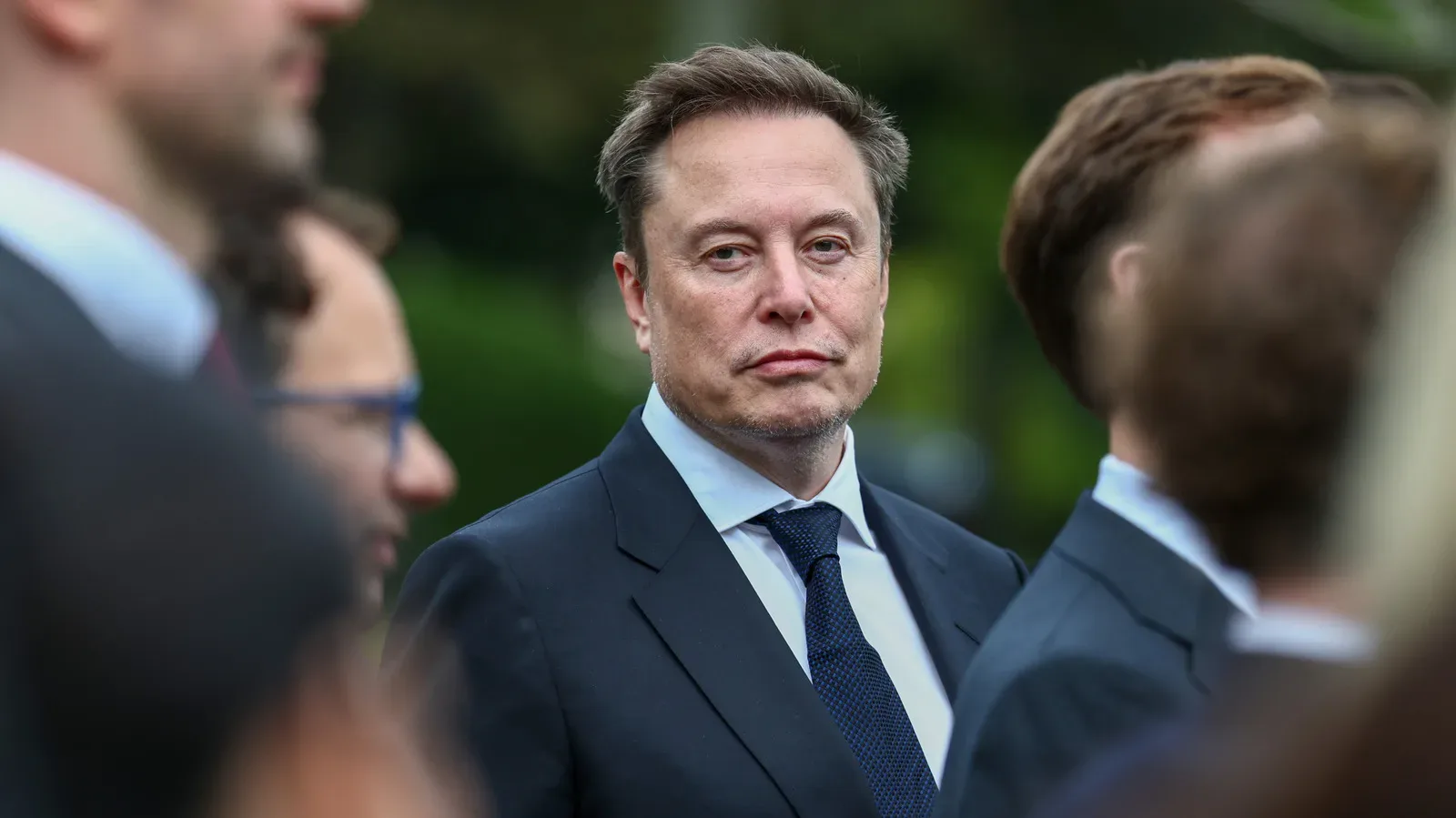
Elon Musk has taken a different route. Musk endorsed the new phrasing in a post on X, writing that “SI” was preferable. When asked whether his AI business would be renamed “SpaceXSI,” he said it would. The division is now called SpaceX Super Intelligence and SpaceXSI, although its website remains x.ai.
That split illustrates the practical difficulty of a universal rebrand. A name can change quickly in a company profile or press statement, while web addresses, product terminology, documentation and public habits move on different schedules—or do not move at all. A domain name is not merely a sign on a door; it can be part of how customers find a service and how existing references remain usable.
Microsoft CEO Satya Nadella has also used “super intelligence,” but Microsoft has not announced corresponding product-name changes. That is a notable middle position: an executive can adopt preferred language in conversation without committing every product, service and support page to a new identity.
For the wider software ecosystem, this uneven response is likely to be more consequential than the order’s rhetorical force. If agencies use SI while companies, customers and technical documentation retain AI, readers may encounter both terms for the same general field. Acronyms are useful only when their audience knows what they mean. A vocabulary transition can therefore add friction, particularly in materials intended for people outside a specialized policy debate.
Why terminology has practical consequences
Words shape how the public interprets policy and products. “AI” is already a familiar, if extremely broad, term. It can be imprecise, but its widespread use makes it easy to recognize. “SI” is shorter, yet it lacks the same established association for many readers. It could also require constant explanation in documents, product pages and educational material.
There is another issue: labels can influence the perceived stakes of a technology. “Super intelligence” foregrounds possibility and advancement, echoing the order’s language about promise and rapidly advancing capabilities. That may be the desired political message. But it can make it harder to distinguish between current, limited applications and more ambitious claims about what future systems might do.
For consumers, a useful rule remains unchanged regardless of branding: look past the acronym. Ask what information a tool uses, what task it performs, whether a person reviews its output, where its limitations are explained and whether its role is optional. In a game context, that might mean asking whether a feature affects matchmaking, creates dialogue, changes accessibility options, powers a support chatbot or merely labels conventional NPC behavior in a new way.
For game teams and other software makers, transparency matters more than fashionable terminology. Product pages and patch notes are strongest when they identify the affected feature and its purpose rather than relying on a broad label that might mean different things to different users. The language chosen by federal documents may affect procurement and policy-facing communication, but it does not remove the need for accurate, feature-level explanations.
A federal style change is not a universal speech rule
Trump’s latest comments use the language of a ban, but the available policy details concern executive-branch usage. That is different from proving that the term can be erased from private speech, academic work, corporate naming or the internet. The continued use of “AI” by major companies is already a concrete indication that the rebrand has not become a universal industry convention.
That distinction is worth keeping clear as the story spreads. A government can establish preferred terminology for its own documents. Companies can voluntarily follow it, partially follow it or keep the vocabulary their customers already understand. In the present case, Musk has embraced the shift, Nadella has used the phrasing without an announced Microsoft product rebrand, and companies including Anthropic and OpenAI still use AI terminology.
The result is a terminology dispute with real administrative implications but an unsettled public outcome. “AI” has enormous linguistic momentum after more than seven decades of use. “SI” now has formal backing within the executive branch and high-profile support from some technology figures. Whether it becomes normal language beyond those settings will depend less on a directive than on adoption by the people who build, sell, explain and use the technology.
It is also a reminder that the technology world changes through both engineering and framing. Hardware and software developments have concrete effects—such as the connectivity options discussed in this look at optional 2.5 Gigabit Ethernet on the M6 iMac—while naming debates influence how those changes are presented and understood. In the fight over AI versus SI, the technology itself has not been redefined simply because the preferred label has changed.