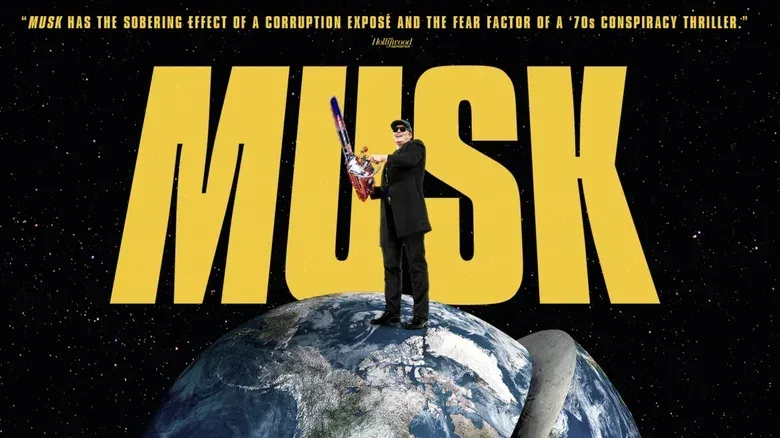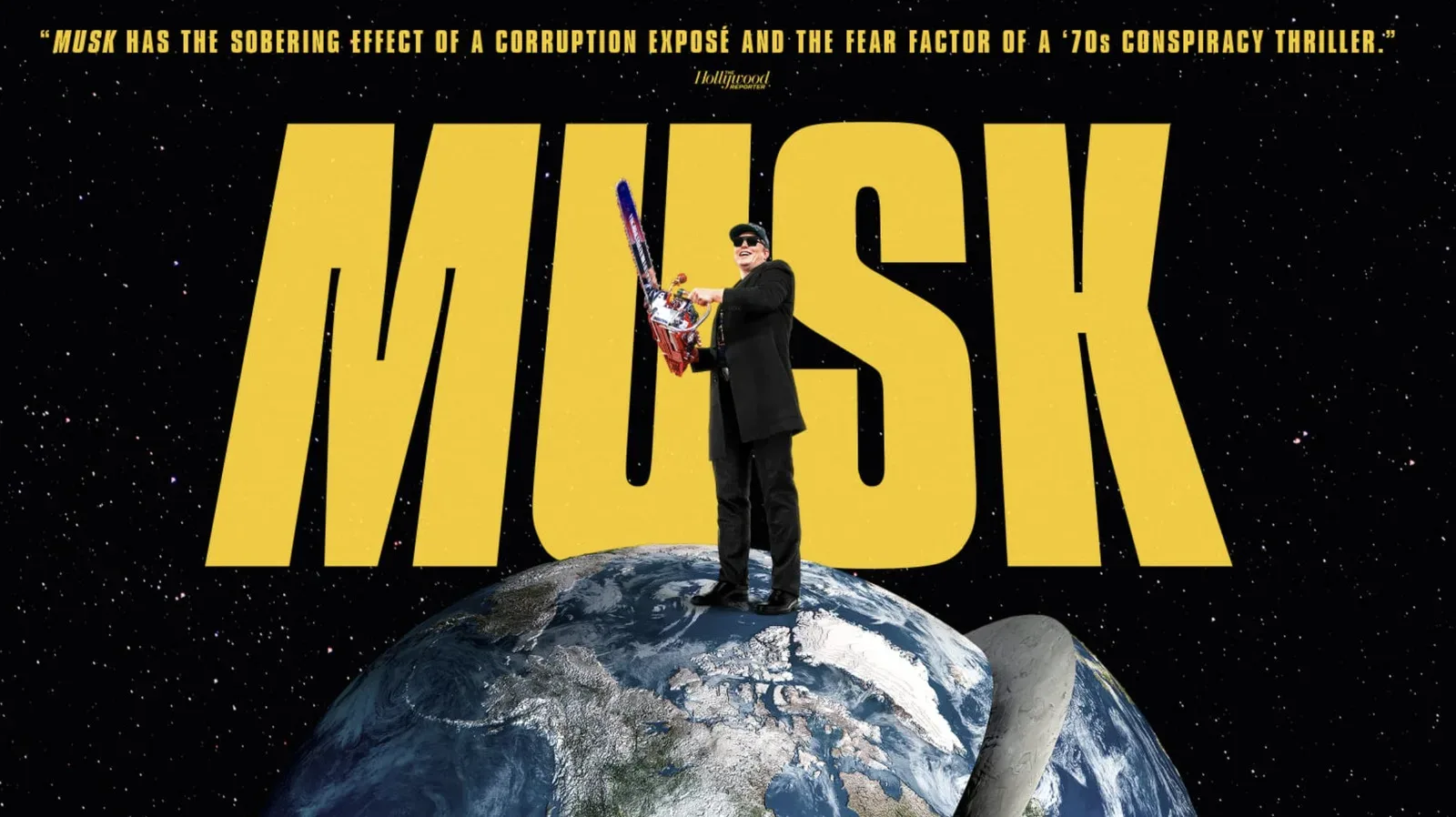
TikTok has reportedly permanently suspended the advertising account promoting Musk, Alex Gibney’s nearly four-hour documentary about Elon Musk, just as the film moves beyond its initial limited U.S. theatrical opening.
The platform attributed the action to what it described as a repeated pattern of political content that violated its policies. Distributor Bleecker Street plans to appeal and seek a reversal. The decision concerns the film’s promotional ad account, not a stated ban on discussion of the documentary or an indication that the movie itself cannot be viewed on TikTok.
That distinction matters. Social platforms can apply separate rules to paid advertising, ordinary user posts, and accounts run by studios or distributors. In this case, the reported enforcement action affects a key part of a release campaign: the paid placements intended to put trailers and messaging in front of prospective viewers. For a documentary arriving in theaters, those ads can be a direct route to building awareness beyond viewers already following its director, distributor, or subject.
The timing overlaps with the film’s wider theatrical expansion
Musk began a limited opening on October 9 in four theaters across New York and Los Angeles. It grossed roughly $70,000 during that opening weekend, then expanded to substantially more U.S. theaters on October 16.
For more context, explore Should You Cap FPS in PC Games? When a Frame-Rate Limit Makes Sense.
The reported TikTok suspension arrived as that larger rollout was getting underway. That sequence does not establish how much the ad restriction will affect ticket sales, but it makes the promotional stakes clearer. A limited debut and a later expansion are different phases of a theatrical campaign: the first establishes an early commercial and audience response, while the second attempts to reach people outside the earliest markets. Losing an advertising channel during the expansion potentially narrows the distributor’s options for reaching new audiences.
Reporting on the suspension characterized the TikTok measure as permanent. Bleecker Street’s planned appeal means the outcome is not necessarily settled, but the account was reportedly removed under TikTok’s political-content rules rather than through a temporary campaign-level rejection.
What a permanent advertising-account suspension means
An advertising account is the account a marketer uses to create, manage, and pay for paid campaigns. Suspending it is more consequential than rejecting a single trailer creative or pausing one ad. A single-ad rejection generally tells an advertiser that a particular asset cannot run as submitted. An account suspension can instead block the advertiser from placing ads through that account altogether.
“Permanent” also signals a more serious enforcement posture than a short-lived review or a routine automated hold. Still, an appeal is a formal path to challenge the decision. Bleecker Street has said it intends to use that path, but there is no reported resolution yet.
TikTok’s stated rationale, as reported, was a “repeated pattern” of policy-violating political content. The available information does not identify the individual ads or materials that led to that assessment. It also does not provide a detailed explanation of where TikTok drew the policy line. That leaves an important uncertainty: the public record described here establishes the platform’s cited reason and the distributor’s response, but not the specific creative decisions or review history behind the suspension.
A promotion campaign already facing platform friction
TikTok is not the only major platform where the documentary’s trailer campaign has encountered restrictions. Meta and YouTube also initially presented promotional-ad problems for the release, though both ultimately allowed trailer advertising to proceed.
Meta described its initial decision as an error. YouTube said the campaign had been cleared to run. Those outcomes are important because they show that a platform moderation or advertising decision can change after additional review. They do not, however, predict TikTok’s appeal process or require TikTok to reach the same result. Each company operates its own advertising systems, internal reviews, and policy enforcement processes.
X, the platform owned by Musk, had previously declined to run the documentary’s trailer, according to earlier reporting. Taken together, the incidents place the film in an unusual promotional situation: its distributor has encountered ad-distribution barriers across several of the largest social platforms, even as two of those platforms later cleared the trailer.
It would be inaccurate to treat all those decisions as one unified industry policy. The stated explanations differ, and the eventual outcomes differ as well. Meta and YouTube permitted ads after their initial issues; X had refused the trailer; TikTok reportedly applied a permanent account-level suspension that Bleecker Street is appealing. The common element is practical rather than procedural: a theatrical documentary’s marketing campaign has had to contend with changing or conflicting platform decisions.
Why political-content rules can be difficult for film marketing
Political-content policies are rules governing advertisements that a platform considers political, issue-based, electoral, or otherwise connected to public affairs. The precise boundaries are not always intuitive from the perspective of a filmmaker or distributor, particularly when a work is biographical or investigative rather than an overt campaign advertisement.
A documentary about a major public figure can involve material that a platform regards as political even when the immediate ad is simply a trailer. The report does not establish what material TikTok judged to be in violation, so it would be speculation to assign a particular scene, claim, or message as the cause. What can be said is that the platform viewed the advertising activity as falling afoul of its political-content policy repeatedly enough to suspend the account.
For audiences, it is worth separating a moderation ruling from a verdict on the film’s factual claims, artistic value, or politics. An ad-policy decision determines whether paid promotional content can be run through a particular platform under that platform’s rules. It is not, on its own, a public adjudication of the documentary’s arguments.
For distributors, the case illustrates the operational risk of relying too heavily on a single paid-social channel. A campaign can have approved materials on one platform and rejected materials on another, or a decision can be revised after escalation. The practical work is not just cutting a trailer; it also includes navigating platform-specific review systems, maintaining compliant account access, and having other ways to notify potential viewers when an ad route closes.
The appeal is now the key unresolved piece
Bleecker Street has said it will appeal TikTok’s decision. Until that process produces a result, several questions remain unanswered: whether the account will be restored, whether TikTok will provide more specificity about the policy finding, and whether revised or differently structured advertising could be accepted.
The distributor can still point to the fact that Meta and YouTube eventually permitted trailer ads, but those reversals do not automatically carry over to TikTok. The platforms’ decisions are independent, and TikTok’s reported rationale centers on a claimed pattern rather than a one-off mistake.
For now, the central development is straightforward: the paid TikTok account behind the Musk campaign has reportedly been permanently suspended during the film’s wider U.S. theater expansion, and its distributor is contesting the decision. The appeal will determine whether the film regains that particular promotional route—or whether its campaign proceeds without it.