
The Blood of Dawnwalker may have left the Golden Joystick awards without a win, but Rebel Wolves is framing the result as a milestone for its first game rather than a defeat. Tomasz Tinc, the studio’s chief publishing officer and co-owner, praised the team, fellow nominees and winners after the ceremony, calling the experience an honor.
That response comes after a substantial showing for the historical action RPG. Tinc identified the game as finishing fifth in Ultimate Game of the Year, while taking second place in both PC Game of the Year and Best Storytelling. Those results did not produce a trophy, but they put a debut project from a new studio in contention across some of the event’s largest categories.
“It’s such a remarkable experience and an incredible honor to witness my fellow Rebel Wolves making this magic happen,” Tinc wrote. “A privilege beyond words.”
He also congratulated nominees, winners and the developers who released games over the preceding 12 months. It is a notably communal message at a moment when awards coverage can easily reduce a crowded field to a simple list of winners and losers.
Where The Blood of Dawnwalker placed
The reported category placements offer a clearer picture than the headline result alone:
- Ultimate Game of the Year: fifth place
- PC Game of the Year: second place
- Best Storytelling: second place
In Best Storytelling, The Blood of Dawnwalker was competing in a field that included Dispatch, Resident Evil Requiem and Crimson Desert. Resident Evil Requiem, in particular, belongs to an established long-running series, while the other contenders represent high-profile work from experienced developers. That context does not make a second-place finish equivalent to a victory, but it does help explain why Rebel Wolves is emphasizing recognition and proximity to the top rather than disappointment.
Awards rankings also measure a particular voting result, not a complete accounting of a game’s value or future. A first-place finish is the headline; a high finish in multiple broad categories is still evidence that a project registered with voters across more than one dimension. PC Game of the Year speaks to the game’s standing among PC releases, while Best Storytelling centers its narrative ambitions. Ultimate Game of the Year is a much wider overall comparison.
A large debut-game swing
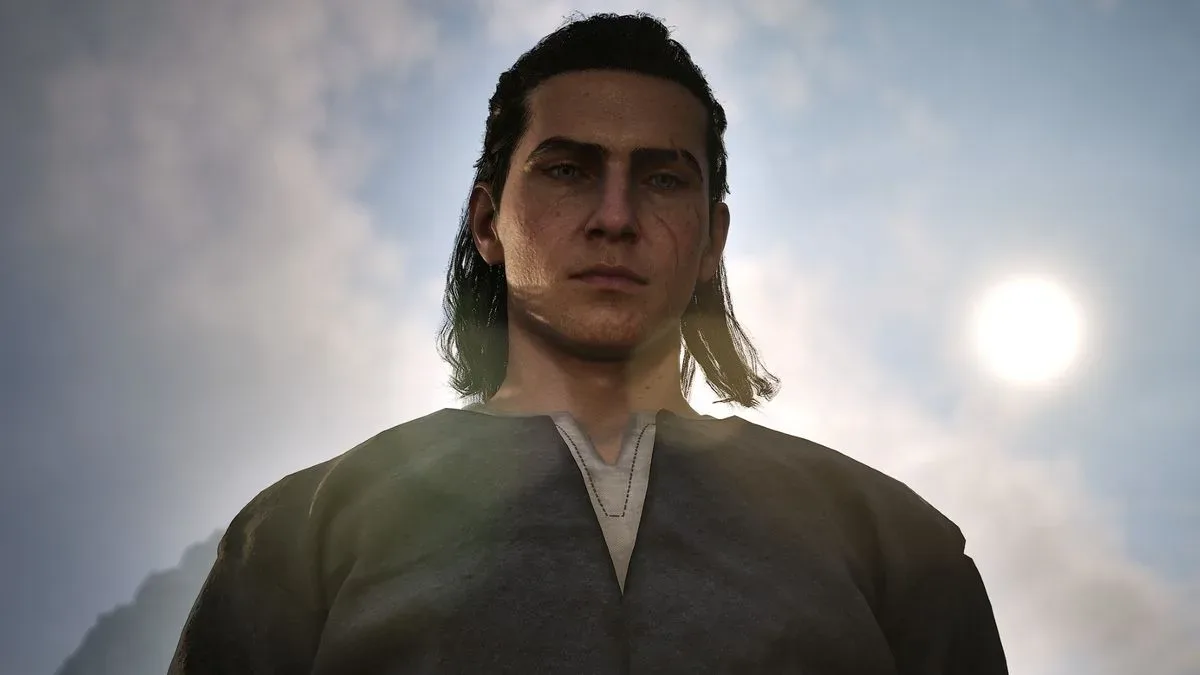
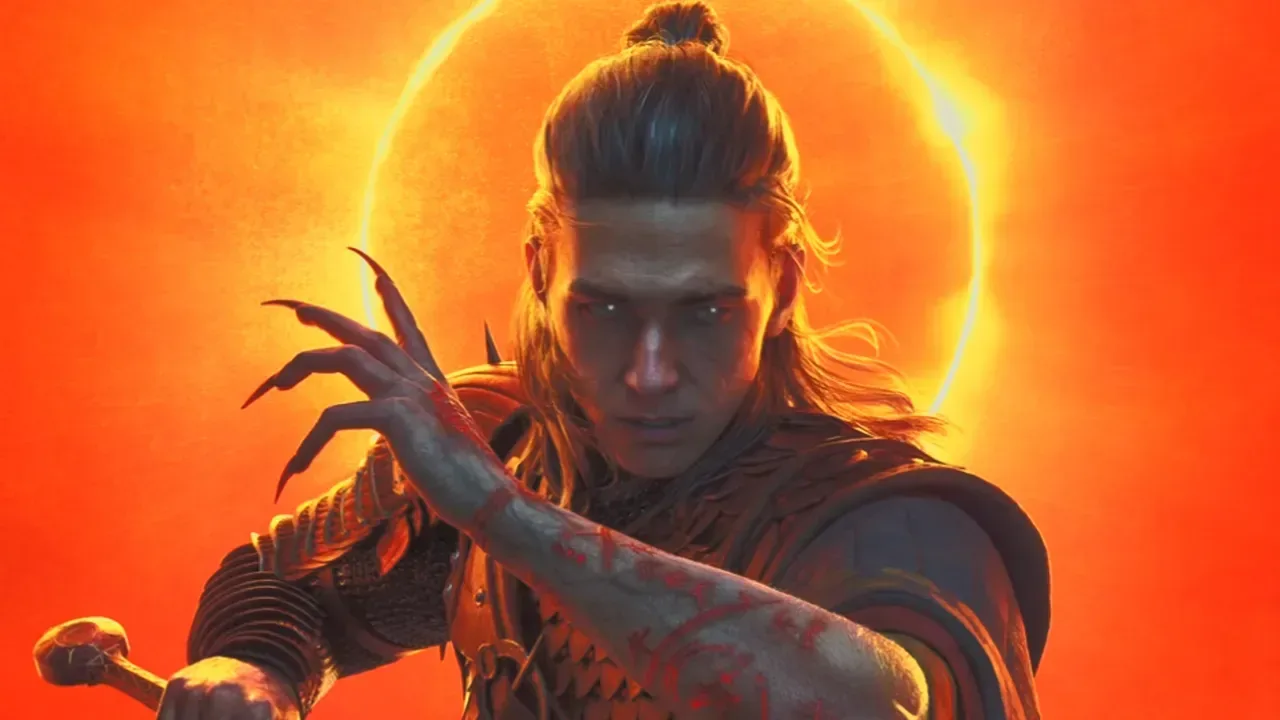
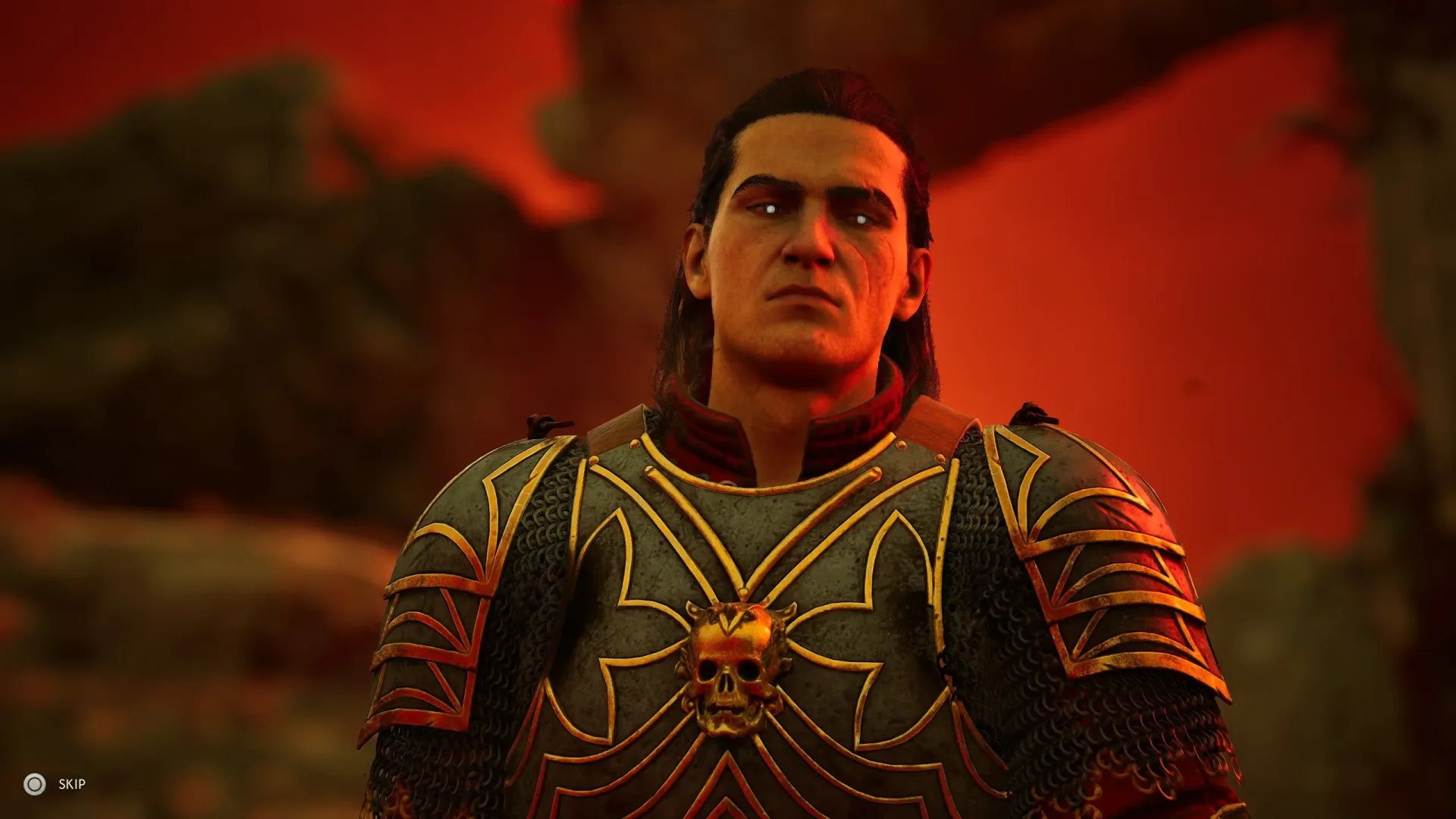
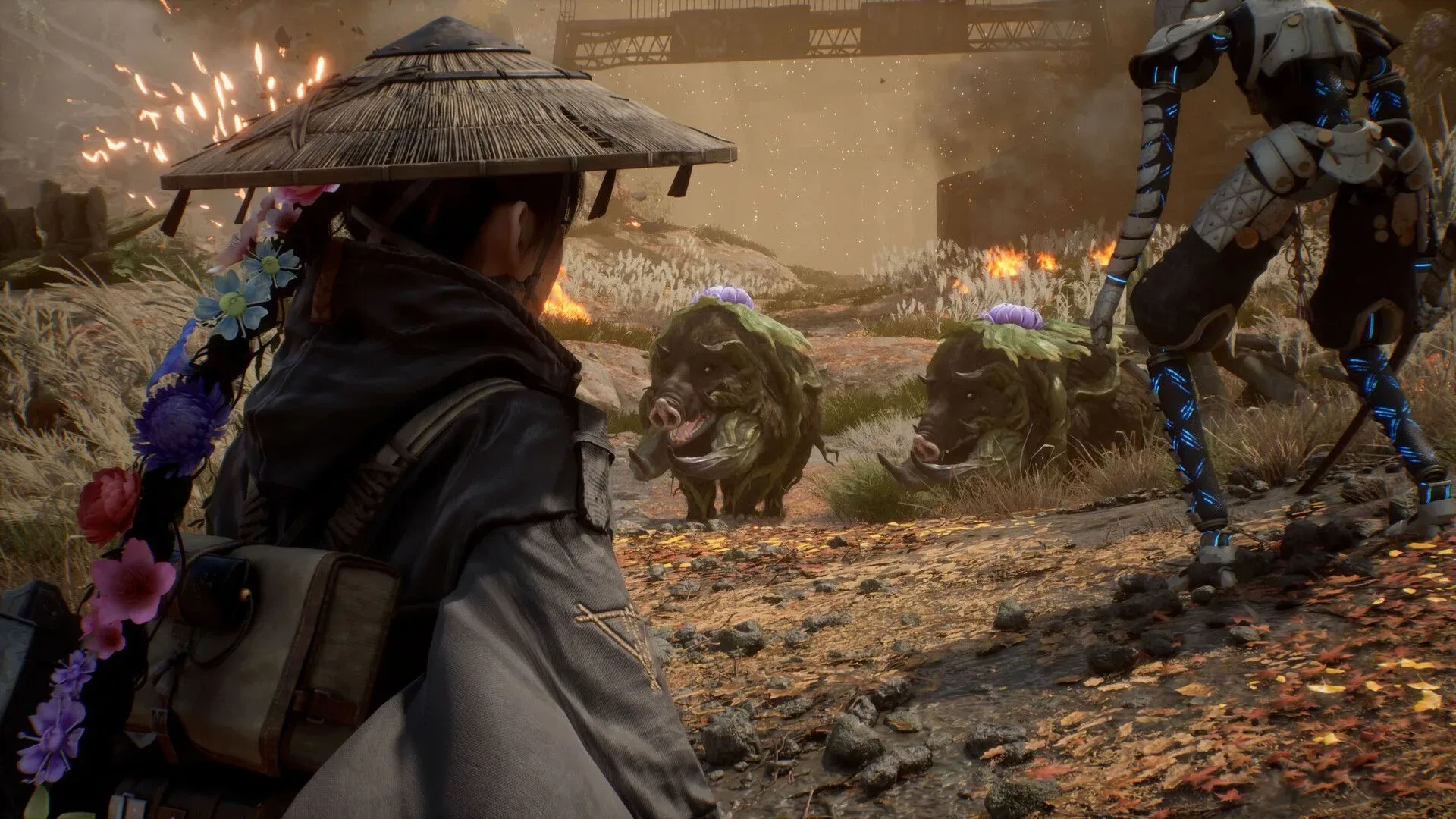
Rebel Wolves’ position is especially notable because The Blood of Dawnwalker is described as the studio’s debut release. The game is a high-concept action RPG set in the 14th-century Carpathian Mountains, where the player faces a limited window to save their family from vampires.
Related coverage includes The Blood of Dawnwalker Team Celebrates Golden Joystick Recognition Despite Missing Top Prize.
That premise combines several demanding ideas. An action RPG, or action role-playing game, generally blends real-time combat with character-driven progression and narrative choices or objectives. “Historical” in this case refers to the 14th-century Carpathian setting, while the vampire threat deliberately pushes the game into supernatural territory. The family-rescue objective provides a personal stake, and the time limit gives that objective urgency.
A limited-time structure is more than a decorative plot detail. It establishes pressure: the premise tells players that delay has consequences. It can also become a major design challenge, because a game built around urgency needs to make its stakes understandable while still supporting the depth players often expect from a blockbuster-scale RPG. The available information does not establish exactly how the timer works in play, so it would be premature to draw conclusions about its rules or effects. What is clear is that the concept asks the game to balance a broad genre format with an unusually immediate central goal.
Calling the project a “big swing” is therefore less about scale for scale’s sake than about the number of difficult ambitions held together by its premise: a new studio, a historical setting, a supernatural conflict, action-RPG expectations and a countdown-driven attempt to save a family. Earning recognition in storytelling alongside PC Game of the Year suggests that this pitch was visible to awards voters, even though it did not finish first.
Experience behind a new studio
Rebel Wolves is new, but its founders are not starting from zero. The studio’s founders previously contributed to The Witcher 3. That background is relevant because it signals experience with a major role-playing game, but it should not be mistaken for a guarantee that a new team’s first release will be received in the same way. A debut studio still has to establish its own identity, deliver its own game and compete against projects with their own histories and audiences.
The Golden Joystick placements are one early indication that The Blood of Dawnwalker has made that independent impression. They also show the realities of competition in games: new properties do not enter a vacuum. They face sequels and established franchises, as well as other prominent original releases. In that environment, a near-win can carry practical significance because it gives a project visibility beside games with greater built-in recognition.
That matters beyond a single night of awards. Attention around a debut game can shape how widely its premise is discussed, how the studio is perceived and how much confidence audiences have in its ability to pursue ambitious work. None of that automatically follows from a ranking, and an award result is not a substitute for the game itself. But category placement can provide a useful public signal that a new name belongs in a wider conversation.
The industry context makes Tinc’s emphasis on mutual recognition more pointed. He described the current moment as challenging for the games business and argued that it is encouraging to see developers applauding one another’s work. That is a message focused on the people making games rather than treating awards solely as a contest between brands.
“These are challenging times for our industry, and there’s nothing more encouraging than seeing developers applauding one another and celebrating each other’s work,” Tinc wrote.
What the result does—and does not—say
There is an understandable temptation to read any non-win as a shortfall, especially in an Ultimate Game of the Year category. But that misses the difference between a binary trophy outcome and the more detailed picture supplied by multiple category rankings. Fifth overall and second in two major categories means the game was not merely present; it was competitive in specific areas that include platform-wide standing and storytelling.
It does not establish that the game is universally preferred to every title below it, nor does it predict its long-term reputation. Awards rankings reflect the outcome of a particular event and its voters. They are useful evidence of recognition, not an absolute quality measurement. Likewise, a second-place placement does not reveal the margin between games or the full reasoning behind the result.
Still, the distinction matters for a studio in Rebel Wolves’ position. The most meaningful story is not that The Blood of Dawnwalker narrowly missed a single prize; it is that a debut historical RPG was in contention across three prominent categories while up against well-known competitors. Tinc’s statement treats that exposure as a collective achievement for the team, not as a consolation prize.
For players watching the studio, the immediate takeaway is straightforward: Rebel Wolves has received high-profile awards recognition for a game built around a 14th-century Carpathian vampire crisis and a race to save one’s family. The ceremony did not award it a Golden Joystick, but its second-place finishes in PC Game of the Year and Best Storytelling provide more substance than a simple “lost” label.
The reaction also offers a useful counterpoint to the winner-focused rhythm of awards season. Celebration of a field can coexist with competitive stakes. Tinc’s comments do not deny the disappointment of missing out; instead, they place it beside gratitude for the nomination, the team’s work and the chance to stand among major releases. For a first release, that may be the more durable achievement.
As games increasingly sit at the intersection of major franchise expectations, new-studio ambition and shifting industry pressures, public recognition can have value even when it stops just short of first place. For related perspective on the wider business conversation around games, see how leadership claims can quickly ripple through gaming.