A fresh Star Wars Battlefront 3 rumor is doing exactly what an effective Battlefront rumor should do: summoning hopes of huge multiplayer clashes, followed immediately by a cloud of uncertainty thick enough to hide a Star Destroyer.
The core claim is that Lucasfilm may be looking for a development partner to make another Battlefront game. EA DICE and Bungie have both been named in the rumor as studios that could be interested. That is still a long way from a confirmed project, however. There is no announced Battlefront 3, no confirmed development agreement, no stated platforms, and no release window.
For players who have waited nearly a decade since Star Wars Battlefront 2, the distinction matters. A rights holder exploring a game is not the same thing as a publisher funding it, and a studio being discussed is not the same thing as that studio being chosen. At this stage, the sensible reading is simple: a new Battlefront is reportedly being considered, but the details remain unsettled.
What the rumor actually suggests
The report traces back to a newly circulated gossip item that said Lucasfilm was searching for a development partner for a Battlefront follow-up. It described EA DICE as the most obvious candidate and raised Bungie as another possibility. Separate chatter has echoed the broader idea that Disney wants another Battlefront game, though that does not independently establish which studio, if any, would lead it.
That makes this a layered rumor rather than a conventional announcement. Each step introduces room for error: a reported discussion could be preliminary, multiple studios could be approached without a deal being signed, or the eventual project could change form entirely. Licensing conversations can involve pitches and contingency plans that never become games.
In other words, fans should not treat “Lucasfilm is looking” as “Battlefront 3 is in production,” or treat “Bungie is in the running” as “Bungie is making it.” The difference is not nitpicking. It is the whole story right now.
Why EA DICE is the straightforward fit
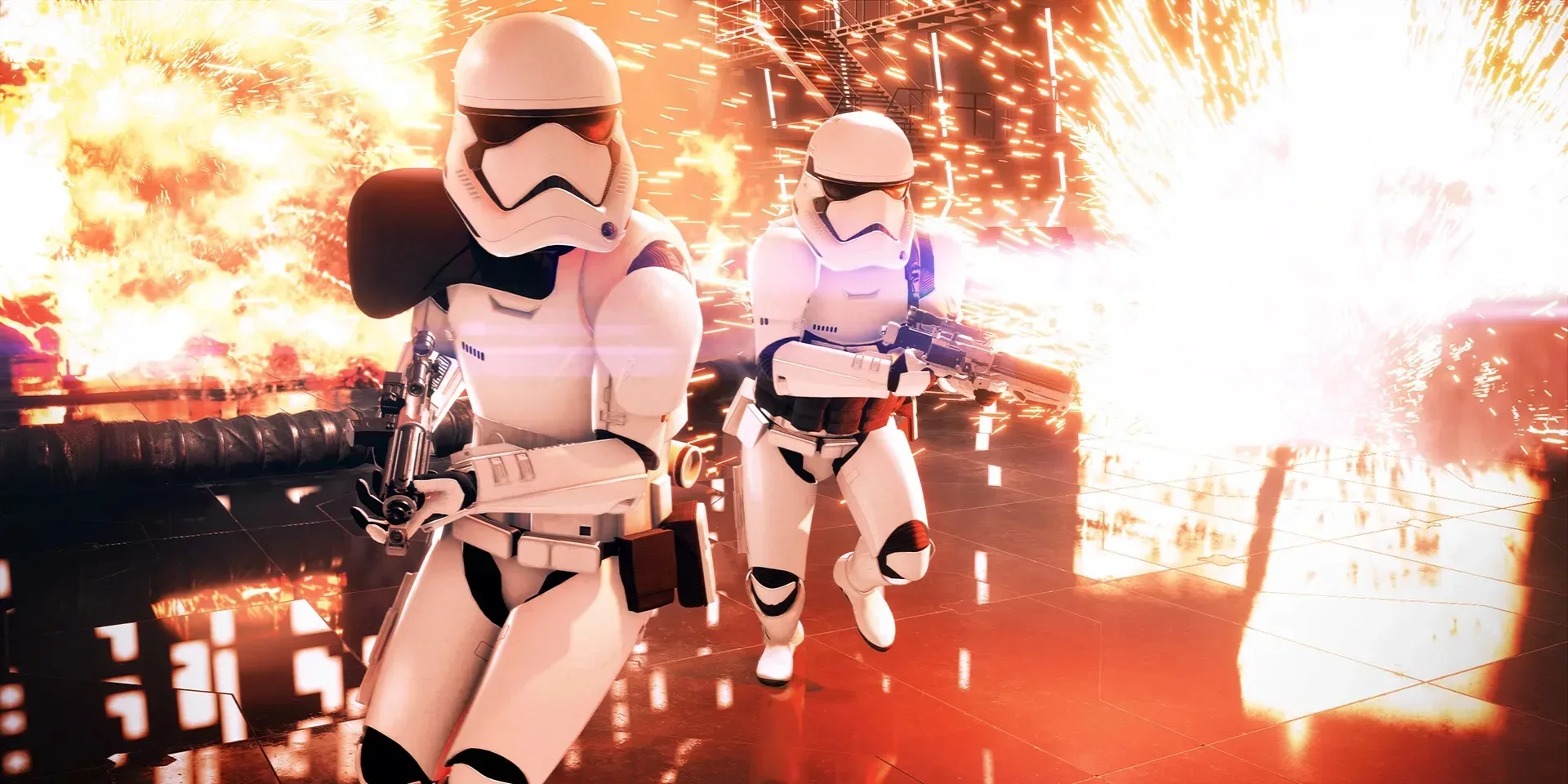
EA DICE is the clearest name in this conversation because it has already made two modern Battlefront games. Returning to a team with series experience would, at least in theory, avoid some of the costly and time-consuming work of starting from zero: interpreting the fantasy of large-scale Star Wars combat, establishing the tone of its multiplayer modes, and building production pipelines around a licensed universe.
That does not mean a return would automatically be simple. A sequel would still need a new creative direction, a development plan, and an approach to post-launch support. But DICE understands the basic assignment. Battlefront is not merely a game where familiar characters hold blasters; its appeal rests on the sensation of being part of a larger conflict, whether players are infantry, heroes, pilots, or vehicle crews.
That scope also explains why the franchise carries baggage. The previous Battlefront 2 became associated with a major loot box controversy. Loot boxes are randomized digital reward purchases or rewards whose contents are not known beforehand. Their use can become especially contentious when they appear connected to progression or competitive advantage. Any new Battlefront would face pressure to show, early and clearly, how player progression, cosmetics, and optional spending are meant to work.
A DICE-led sequel would therefore have both an advantage and a responsibility: familiarity with the franchise, paired with an expectation that it has learned from the series’ most visible past problem.
Why Bungie makes sense on paper
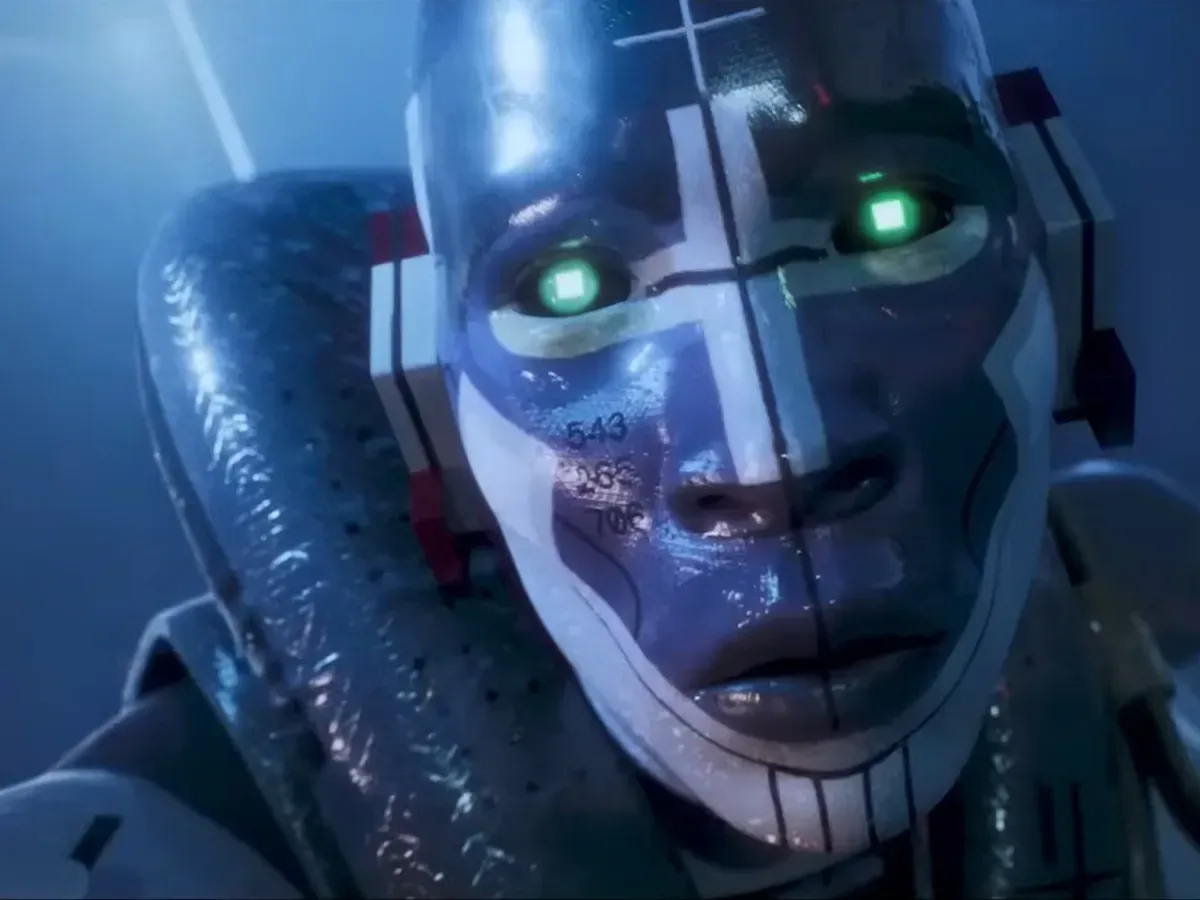
Bungie is a more surprising fit, but not an absurd one. The studio is associated with Halo, Destiny, and Marathon, franchises that put combat feel, science-fiction presentation, and long-term player engagement at the center of their identities. Those strengths are easy to connect to Battlefront’s needs.
There is a meaningful difference between being suited to a game and being the best use of a studio, though. Battlefront would be a licensed world with established imagery, characters, eras, and expectations. Bungie’s biggest science-fiction work has also been valued for its own settings and lore. A Star Wars project could benefit from Bungie’s shooter background, but it could also consume years that might otherwise be spent creating a wholly new universe.
That tension is at the heart of the Bungie angle. A licensed multiplayer shooter can offer immediate recognition and a clearer commercial pitch than a new intellectual property. Intellectual property, often shortened to IP, refers to a creative property and the rights attached to it: its setting, characters, stories, and brand identity. Building a new IP is harder to sell because players do not already know it, but it also gives a studio more room to define its own world.
Battlefront would offer the opposite proposition: one of entertainment’s most recognizable fictional settings, alongside the constraints that recognition brings. Fans would not simply be evaluating shooting mechanics. They would be evaluating whether the game feels like Star Wars, whether its battles have the right scale, and whether its version of the galaxy respects the possibilities they already imagine.
A licensed win could be appealing for Bungie
The rumor arrives while Bungie’s existing projects are in an uncertain-looking period. Marathon appears set to wind down, while Destiny 2 is described as being on pause apart from the return of older content. In that context, an established licensed project could look attractive: it is easier to explain to audiences and stakeholders than a years-long phase of experiments around an unknown concept.
That would not make a Battlefront deal a guaranteed “safe bet.” Big licensed games are still expensive, complicated, and vulnerable to changing plans. Yet the Star Wars name could give a prospective multiplayer project a strong starting point in a way an unproven new setting cannot.
Sony’s willingness to work with licensed Marvel projects through Insomniac Games also provides a useful business comparison at a very high level. A platform holder can see value in pairing an experienced studio with a widely known entertainment brand. The existence of that model does not confirm a Sony-backed Bungie Battlefront, but it helps explain why the idea is plausible enough to attract attention.
It also raises a practical question about priorities. If Bungie were to take on Battlefront, would it be building a traditional sequel focused on massive modes and a broad Star Wars sandbox? Or would its experience encourage a different kind of multiplayer structure? The rumor provides no answer, and that is precisely why it is too early to project features onto the game.
What a Battlefront sequel would need to communicate
Even without confirmed development, the reaction to the rumor identifies the problems a real announcement would need to solve. First, players would want clarity about who is making the game. A developer name sets expectations for multiplayer design, support plans, and the sort of technical scale a team might aim for.
Second, a publisher would need to explain the business model plainly. Confusion around progression and paid content can overwhelm a multiplayer game before its strongest qualities have time to land. A sequel would benefit from separating gameplay power from purchases and making the role of cosmetic items, if any, easy to understand.
Third, Battlefront needs a compelling reason to exist beyond the title on the box. The Star Wars setting is enormous, but recognizable planets and heroes are not a substitute for a clear multiplayer identity. Players would need to know what makes its matches special: large-scale objectives, class teamwork, vehicles, hero play, aerial combat, or some combination of them.
Finally, expectations will be shaped by the long gap since the last game. Waiting can intensify demand, but it can also cause every imagined feature to become an assumed promise. A careful reveal would need to set boundaries around what the project is actually trying to do rather than invite fans to fill in every blank with their personal ideal Battlefront.
Do not expect a quick reveal
The rumor’s most believable implication may be the least exciting one: if a new Battlefront is only at the partner-search stage, it could be a very long time before players see anything official. Modern AAA development involves years of planning, asset creation, technical work, testing, and coordination. AAA generally describes large-budget games made by major publishers or major development teams, often with ambitious production values and correspondingly long schedules.
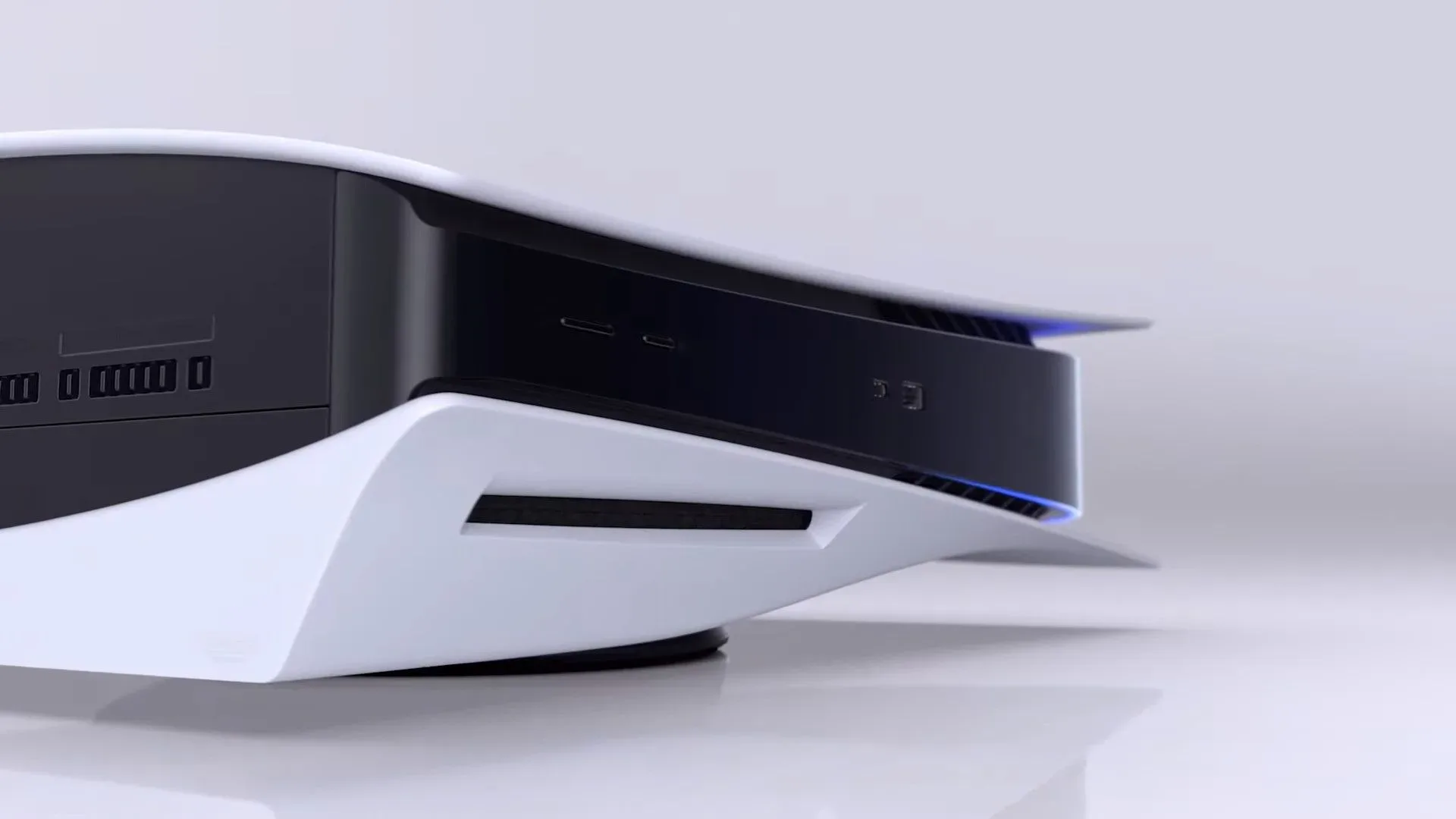
That prolonged timeline is one reason platform speculation should be resisted. There is no confirmed game, much less a confirmed console target. The broader question of how older and newer games coexist on PlayStation hardware is already evolving, as shown by the continuing backwards-compatibility debate around modern PlayStation systems, but it tells us nothing definite about an unannounced Battlefront.
For now, the most grounded takeaway is also the least dramatic. There appears to be renewed interest in bringing Battlefront back. DICE is the natural incumbent, Bungie is an intriguing but unconfirmed alternative, and neither should be mistaken for a signed deal. Until Lucasfilm, Disney, EA, Sony, DICE, or Bungie makes a direct statement, Battlefront 3 remains a rumor with a very large audience waiting for it to become more than that.