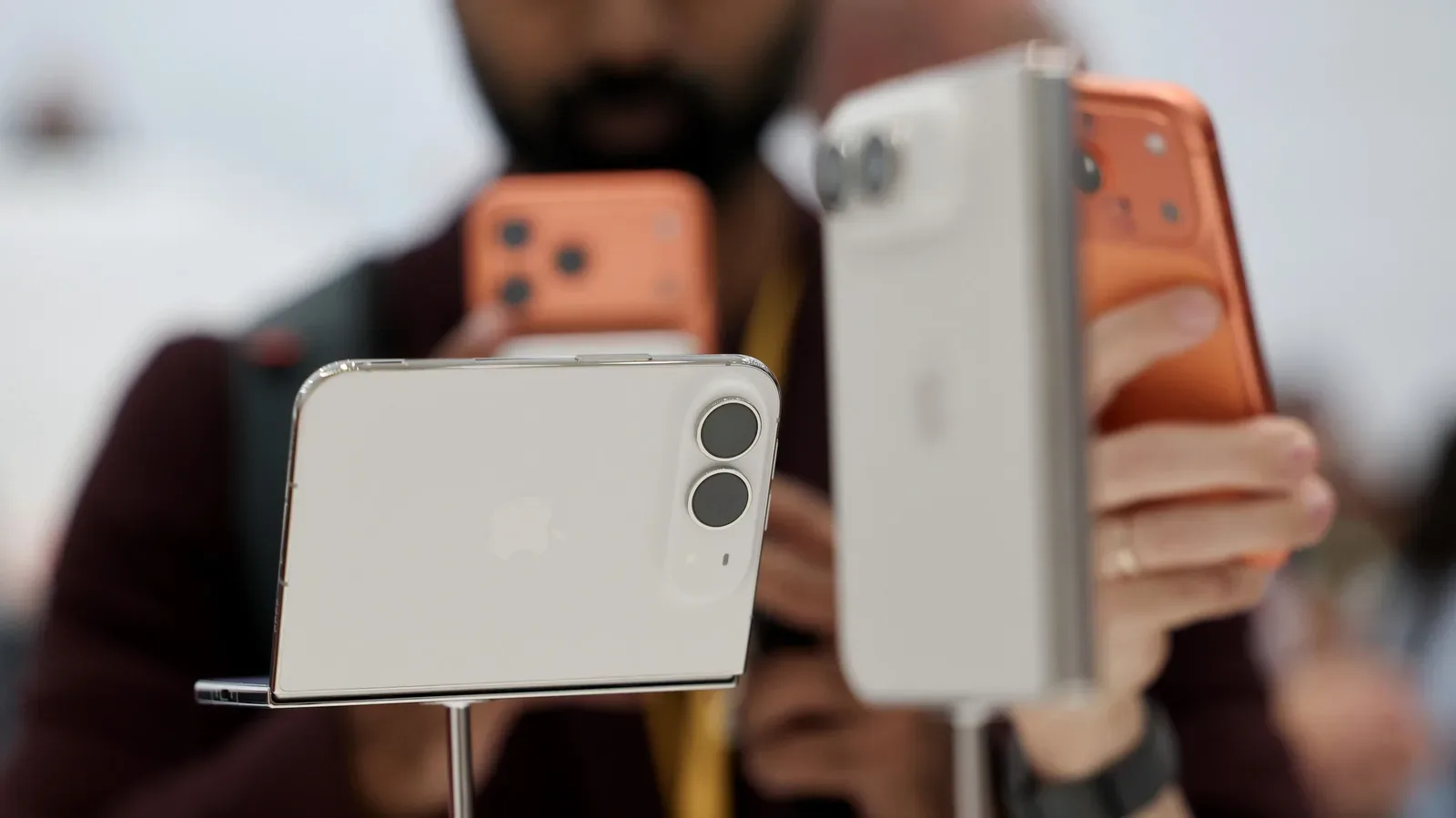
Some owners of the U.S. iPhone 18 Pro Max are reporting a serious AT&T connectivity problem: their phones cannot connect to the carrier for calls, text messages, or mobile data. Reports also describe trouble with eSIM provisioning, the process that establishes a digital carrier plan on a device.
The reports point to a subset of users rather than a confirmed, universal failure affecting every iPhone 18 Pro Max or every AT&T customer. That distinction matters. The information available establishes that people are having trouble, but it does not yet establish the scope of the issue, its technical cause, or whether one fix will address every reported case.
For anyone caught in the problem, the practical impact is straightforward and severe. A phone that cannot reach its mobile network loses the functions that make it a phone outside Wi-Fi coverage: voice calls, SMS messaging, and cellular data. That can also complicate the initial setup of a new handset when the eSIM itself is not being provisioned successfully.
What users are reporting
The reported failure affects AT&T connectivity on the U.S. iPhone 18 Pro Max. Affected customers say they cannot connect to the network for the three core cellular services: calling, texting, and data.
Those symptoms should not be reduced to a single diagnosis. Cellular service depends on several layers working together: the phone hardware, its operating system, the carrier configuration, and the customer’s digital subscription credentials. A failure to provision an eSIM and a phone that has an activated eSIM but cannot connect to a network may look similar to a customer—both leave the device without service—while still occurring at different points in that chain.
eSIM is short for embedded SIM. Rather than inserting a removable physical SIM card, a customer’s carrier plan is configured digitally on the phone. Provisioning is the setup and authorization step that enables that plan for use on the carrier’s network. When that process breaks down, a user may not be able to get cellular service established at all.
Until Apple or AT&T identifies the fault, it would be premature to declare that all reports share the same root cause. It would also be premature to treat the issue as proof of a hardware defect in the iPhone 18 Pro Max.
The modem difference is notable, not a verdict
One detail has attracted attention because the U.S. iPhone 18 Pro Max has a different cellular-modem arrangement from the other newly released iPhones mentioned in the reports.
The U.S. model is the only new iPhone released this month that uses a Qualcomm cellular modem. The smaller iPhone 18 Pro and iPhone Duo use Apple’s C2 modem worldwide. Outside the United States, the iPhone 18 Pro Max also uses Apple’s C2 modem.
A cellular modem is the component responsible for communicating with mobile networks. Its role makes the difference technically relevant: a modem is central to the very connection users say is failing. But relevance is not evidence of causation. The currently available information explicitly leaves it unclear whether the Qualcomm modem is contributing to the AT&T and eSIM reports.
That uncertainty is important for owners, prospective buyers, and anyone comparing the new models. There is not enough here to conclude that one modem supplier is better or worse, that the affected phone has a design-wide flaw, or that iPhone 18 Pro Max units in other countries face the same situation. The reported issue is specifically tied to a subset of U.S. users on AT&T, while the modem comparison identifies a configuration difference that may merit investigation.
Why a carrier update could matter
Apple is testing iOS 27.0.1, which is expected next week. The update could include a carrier update intended to resolve the AT&T problems.
That possibility is encouraging, but it remains conditional: there is no confirmation yet that iOS 27.0.1 will fix every affected device, or that the reported issue will be resolved through software alone. Still, the prospect of a carrier update is meaningful because network connectivity is not solely a matter of the phone’s headline operating-system features. Carrier-specific settings and support can be part of the software relationship between a handset and a mobile network.
For affected owners, the upcoming release is therefore a development worth watching rather than a guaranteed remedy. The sensible expectation is limited: a fix may be on the way, but the exact contents and effectiveness of iOS 27.0.1 have not been established.
What this means for people using phones as entertainment devices
Even for people who chiefly think of their phone as a gaming and media device, a cellular outage reaches beyond missed calls. Mobile data is the connection that matters when Wi-Fi is unavailable, whether someone is traveling, waiting somewhere, or trying to use online services away from home. The current reports do not specify the impact on individual apps or games, so it would be speculation to list particular services affected. The broader implication is simply that loss of cellular data removes that mobile connection.
Modern controllers and portable-device accessories also make phones part of a wider entertainment setup. Hardware such as the Tomb Raider-themed 8BitDo controller collection illustrates how consumer tech and gaming gear increasingly overlap. But an accessory cannot substitute for the network layer when a phone needs carrier service. The present issue is fundamentally about the device’s ability to join AT&T, not about its entertainment features.
What is confirmed and what remains open
- Reported: A subset of U.S. iPhone 18 Pro Max users are experiencing AT&T cellular connectivity and/or eSIM provisioning difficulties.
- Reported: Affected users are unable to connect for calls, text messages, or data.
- Confirmed hardware distinction: The U.S. iPhone 18 Pro Max uses a Qualcomm cellular modem, while the iPhone 18 Pro and iPhone Duo use Apple’s C2 modem worldwide, as does the iPhone 18 Pro Max outside the U.S.
- Not established: Whether the Qualcomm modem is related to the AT&T issue.
- In progress: Apple is testing iOS 27.0.1, expected next week, and the release may include a carrier update intended to address the problem.
The key takeaway is not that the iPhone 18 Pro Max has been definitively tied to a modem flaw, nor that an update has already solved the reports. It is that some U.S. customers are currently describing a basic but disruptive service failure on AT&T, and Apple is testing a near-term software release that could contain relevant carrier changes.