
Apple could push Siri toward a more autonomous, goal-oriented form of AI as early as next year, though the rumor comes with a significant caveat: there is no clear picture yet of what the feature would actually do, how much control it would have, or when it might reach users.
The reported direction is for Siri to become more like an agent. That wording matters. A conventional voice assistant generally responds to a discrete request: set a timer, send a message, answer a question, or start music. An AI agent, in the sense used here, is intended to retain an objective, infer the next needed step, and continue working toward that objective without requiring the user to spell out every action one by one.
That is an ambitious distinction—and it is also why “more agent-like” should not be read as confirmation of an always-running, fully independent Siri. The implementation remains unknown. The report describes a possible direction and an early timeline, not a detailed feature list, public commitment, or launch date.
What an “agentic” Siri would mean
Agentic AI is a term for systems designed to do more than generate a single answer or perform one isolated task. The core idea is continuity: the system keeps track of a goal, works out intermediate actions, and proceeds through them as needed.
The reported comparison points are OpenAI’s Dots, Meta’s Muse, and Grok, which were described as systems that can track goals, decide what should happen next, and pursue an objective without the person restarting the process at every stage. The meaningful contrast is not simply “smarter chatbot” versus “older chatbot.” It is the difference between a tool that waits for a command and one that can handle a chain of decisions around a stated aim.
In practical terms, the change being discussed would be less about Siri delivering a flashier response and more about Siri handling follow-through. A person would state a desired outcome, while the assistant would potentially be responsible for recognizing the next actions required to move toward it. Exactly which apps, services, permissions, or device functions might be involved has not been described.
That missing detail is important. An assistant can only act as an agent to the extent that it has reliable access, clear boundaries, and enough context to complete an objective safely. The report does not establish that Siri would be always-on, would take action without approvals, or would match any specific competing product’s approach.
A move beyond individual commands
Classic voice-assistant interactions are usually transactional. The user makes a request, receives a result, then makes another request if a further step is necessary. This can be useful and predictable, but it puts most of the burden of planning on the person using the device.
An agent-style system shifts more of that burden to the software. Rather than requiring every individual instruction, it attempts to identify the sequence behind the instruction. The potential appeal is obvious: fewer repetitive prompts, less switching between tasks, and a more natural way to express what the user wants to accomplish.
But autonomy is not automatically the same as usefulness. The stronger an assistant’s ability to infer and act, the more important it becomes that the user understands what it is doing and can correct it. For an assistant embedded in personal devices, the most consequential questions are likely to be about control and expectations: what counts as a goal, when Siri should ask for confirmation, when it should stop, and how a user can inspect or revise its plan.
None of those design choices have been disclosed here. For now, “agentic” is best treated as a description of the intended direction, rather than a promise of a particular Siri behavior.
The timeline is a rumor, not a product roadmap
The report says Apple could make Siri more like an agent as early as next year. That conditional language deserves to stay front and center. “As early as” leaves room for a later arrival, a limited implementation, or a plan that changes before a consumer release. The precise implementation is also said to be unclear.
That uncertainty is especially relevant in AI software. A company may have a broad objective—such as enabling an assistant to carry work across multiple steps—while still deciding what features are dependable enough to expose, what conditions should trigger a confirmation, and what areas should remain outside the system’s reach.
So this is not evidence that Siri will imminently become a hands-off digital operator. It is evidence of a reported ambition to close the gap between a personalized assistant and the more proactive AI-agent model represented by the named services.
Reported pressure to move faster
The same report indicates that Apple’s plans may extend beyond making Siri more agent-like. At a closed-door meeting held in recent weeks, Apple CEO John Ternus reportedly told software engineering chief Craig Federighi that the company needs to accelerate its software roadmap and move beyond simply making necessary Siri improvements.
If accurately characterized, that message frames Siri as one part of a broader software push rather than an isolated voice-assistant refresh. It also suggests that incremental refinement alone may not be viewed internally as sufficient. The reported priority is faster progress and a bigger software ambition.
There is still a wide gulf between an internal directive and a shipping capability. Company leadership can set urgency and product goals, but turning those goals into dependable software requires decisions that are not covered by the report. The account does not identify a specific operating-system version, device requirement, supported region, developer interface, or rollout strategy.
Readers should therefore separate the two levels of information:
- Reported strategic direction: Apple wants Siri to become more agent-like and may pursue a broader acceleration of its software plans.
- Unconfirmed product specifics: what Siri will do, how independent it will be, which devices it will support, and whether next year is a final release window.
Why the distinction matters for Apple users
Siri is already a familiar part of Apple’s device ecosystem, so a shift from command-response behavior to goal-based assistance could change how people think about interacting with their phones and other hardware. Rather than being a feature reserved for an occasional voice command, the assistant could be positioned as a more persistent layer of software help.
That possibility also raises the bar for clarity. With simple commands, the intended action is generally obvious. With a multi-step objective, an assistant may have to interpret what the user meant, identify dependencies, and decide whether it has enough information to continue. A good agent must not only be capable of moving forward; it must know when not to guess.
Personalization is relevant here as well. The report characterizes Siri AI as more intelligent and personalized than classic Siri, but still not at the level of the proactive, always-on agents used as comparisons. Personalization can help an assistant understand context, yet it can also make the system’s decisions feel less transparent if users do not know which context influenced an action. That makes understandable controls, explicit permissions, and meaningful user oversight central practical concerns—even though no specific controls have been described.
The story sits within a wider consumer-tech question: how much initiative people actually want from the software on their devices. An assistant that needs a prompt for every tiny action can feel limited. One that proceeds too readily can feel intrusive or unpredictable. The most successful version of an agent-style Siri would need to balance convenience with the user remaining firmly in charge.
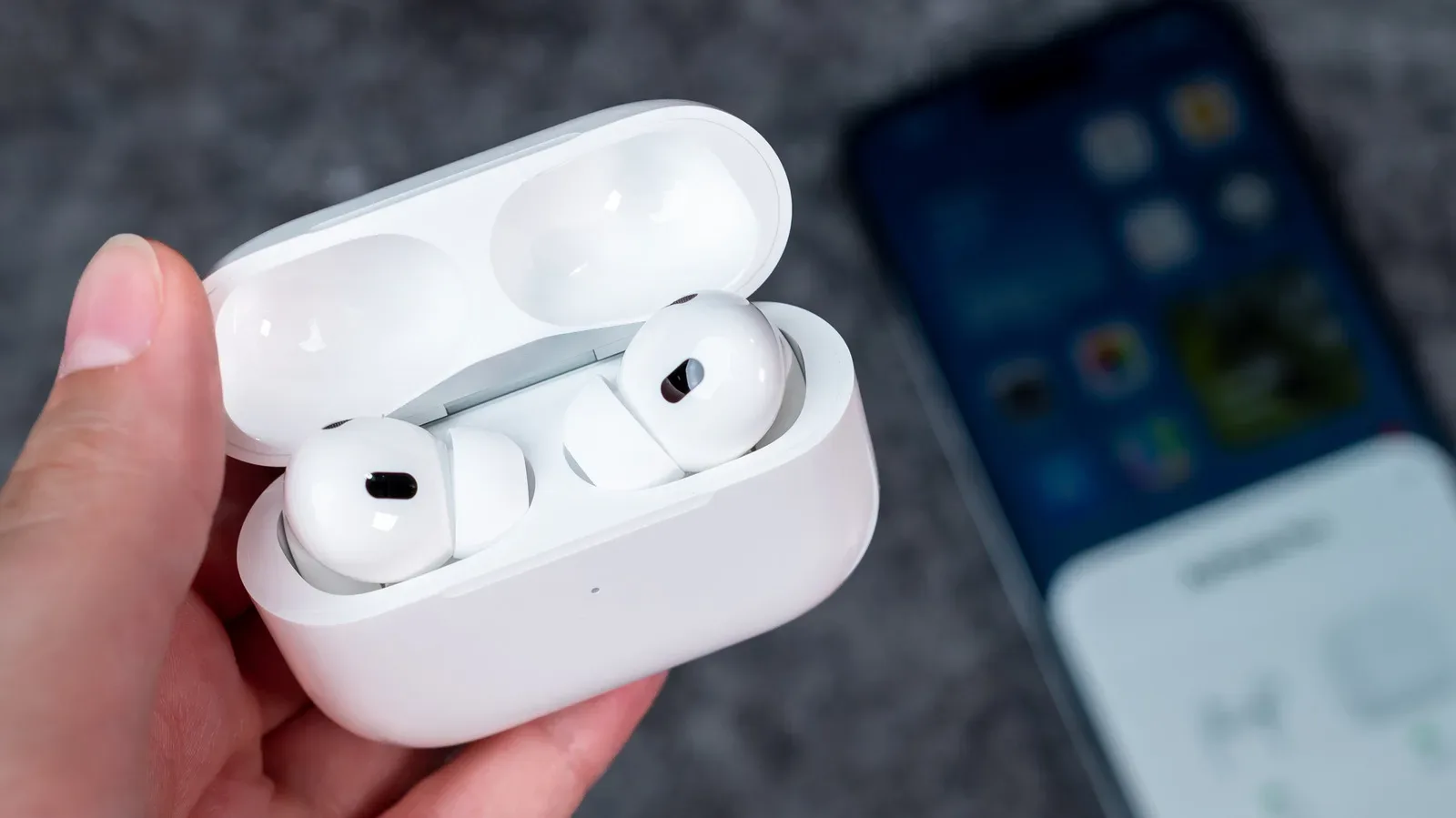
For now, Apple users have no new Siri behavior to rely on from this report alone. Anyone considering an Apple device should continue to evaluate the features that are presently available rather than buy around a rumored capability. For more practical advice on keeping Apple audio hardware healthy today, see how long AirPods last, including battery and heat considerations.
What to watch next
The next meaningful developments would be concrete ones: a definition of the tasks Siri can pursue, an explanation of when it acts automatically versus requesting approval, and a clearer timeline than “as early as next year.” It would also be useful to know whether the agent concept is intended as a broad system behavior or a limited set of tightly defined workflows.
Until then, the report points to an intriguing but unfinished possibility. Apple may be aiming for Siri to do more than respond intelligently in the moment. The larger goal appears to be an assistant that can maintain an objective and help carry it forward. Whether that arrives next year, and what form it takes if it does, remains unresolved.