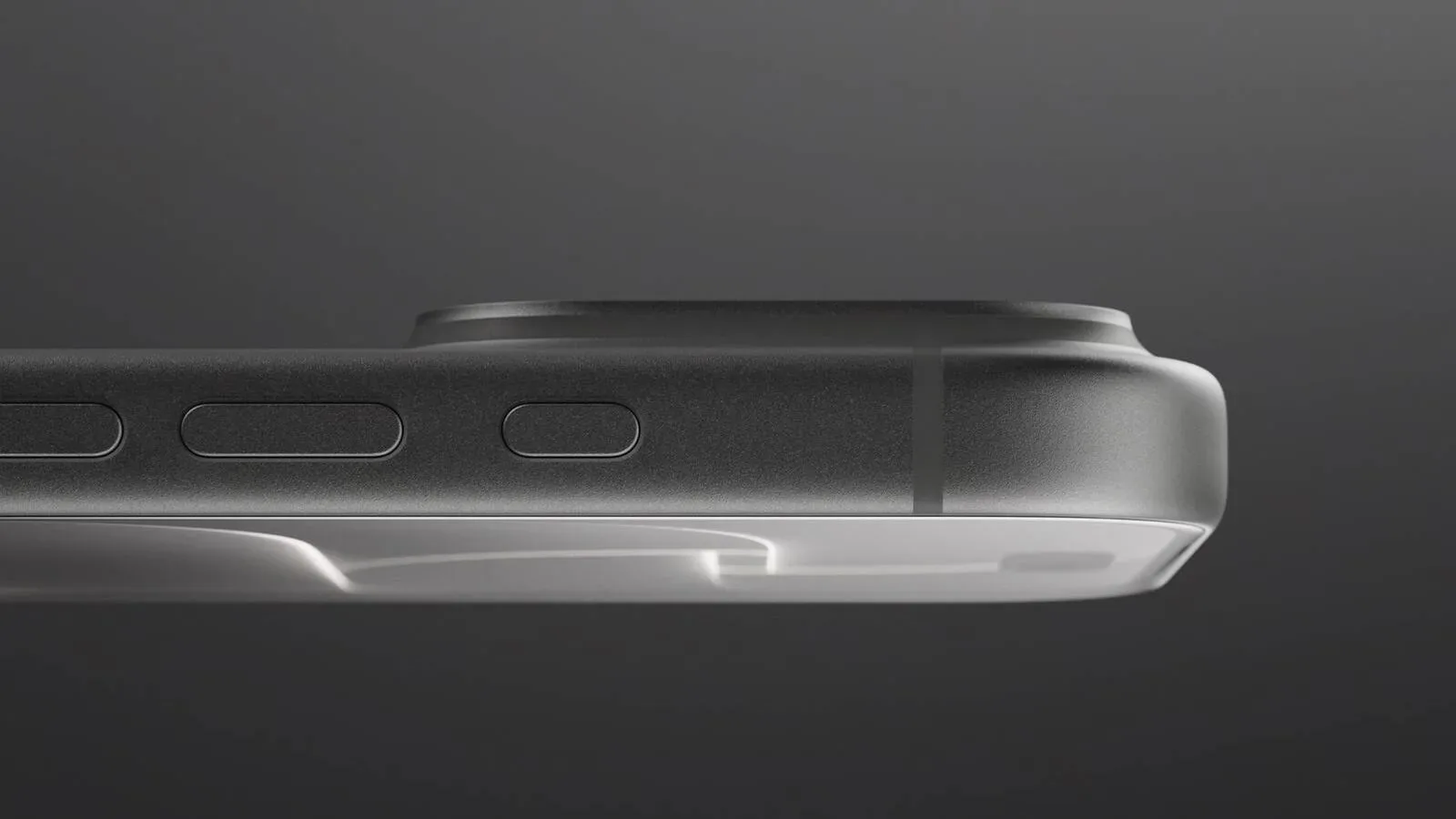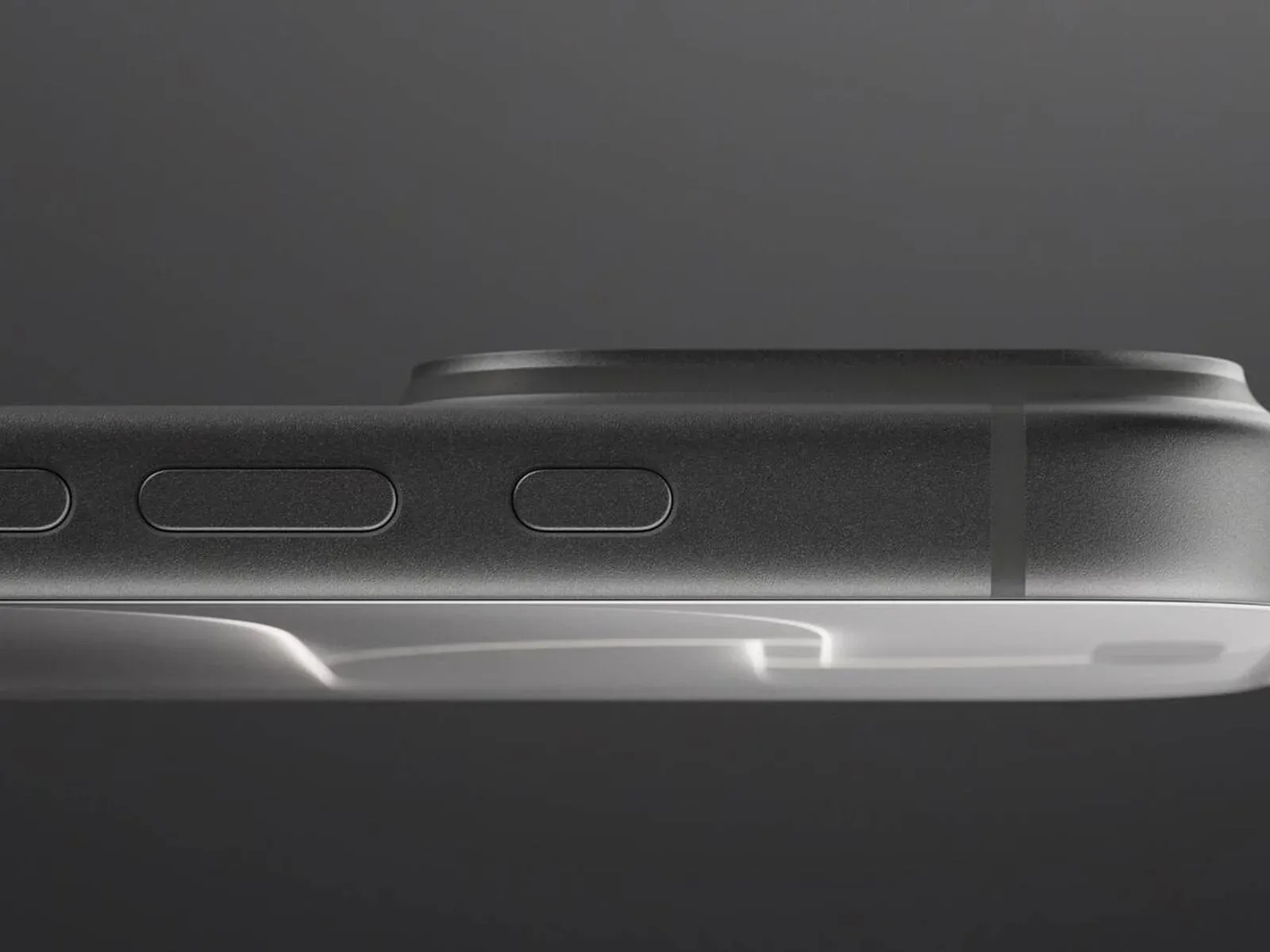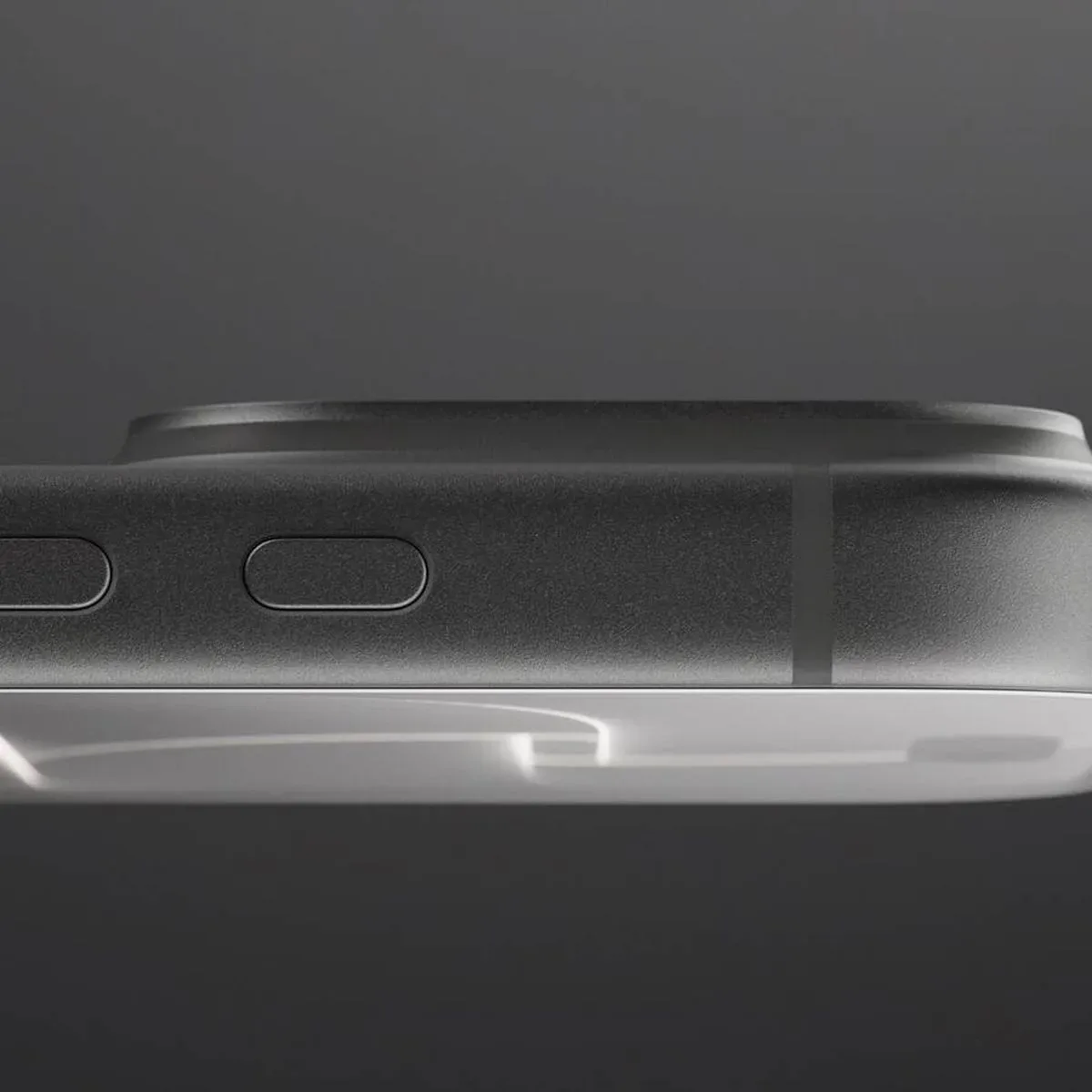
Apple could reduce the number of physical controls on future iPhones by merging the Action button’s role into Camera Control, if a new rumor proves accurate. The claim comes from the leaker known as Instant Digital and points to new iPhone models arriving in the second half of 2027—not any current model or a confirmed Apple roadmap.
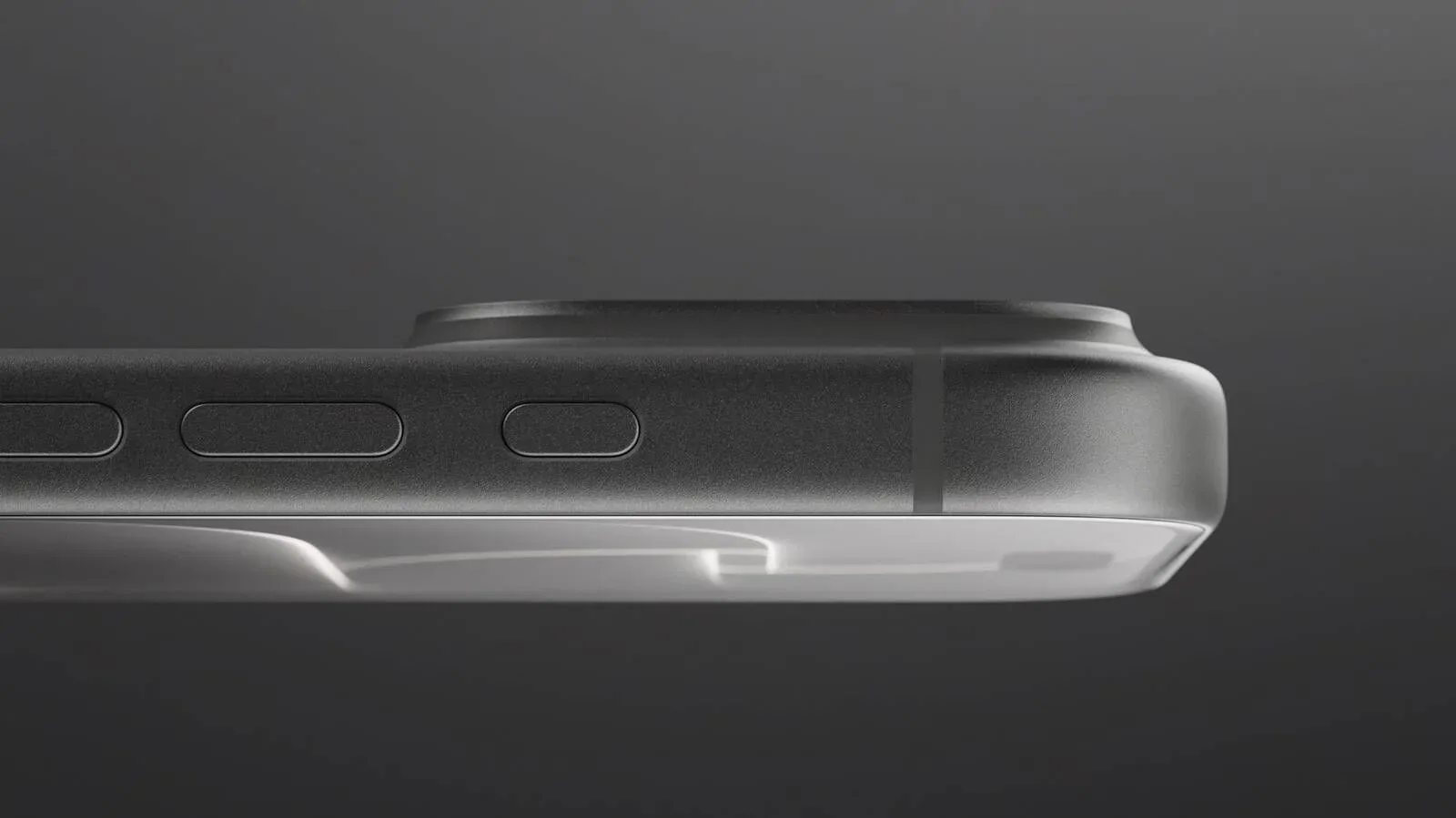
The proposed setup is straightforward on paper: one press of Camera Control would launch the camera, while a long press would activate whichever shortcut a person has assigned to the Action button. In this version of the design, the separate Action button would be removed altogether, but Camera Control would remain.
It is an interesting rumor because it does not describe Apple deleting a familiar function. Instead, it suggests the company could move that function to another control and ask one button to do more work. For players who use an iPhone as a companion device for screenshots, clips, chat, guides, streaming apps, or game-related shortcuts, that distinction matters. A hardware shortcut can be useful precisely because it works without hunting through the Home Screen or Control Center—but its usefulness depends on whether the gesture remains quick, memorable, and comfortable to use.
What the alleged combined control would do
The rumored division of duties follows the existing behavior of the two controls. The Action button, introduced on the iPhone 15 Pro in 2023 as the replacement for the long-running Ring/Silent switch, uses a press-and-hold gesture to run its selected action. Camera Control, which arrived later on the iPhone 16, opens the camera with a single press.
Under the claimed redesign, those interactions would be consolidated rather than reinvented:
- Single press: Open the Camera app.
- Long press: Trigger the shortcut previously assigned to the Action button.
The Action button can currently be configured for options including Silent mode, Focus, the flashlight, and Shortcuts. “Shortcuts” is important here: it refers to Apple’s automation system, which can be used to launch or chain actions rather than limiting the button to a single built-in toggle. The rumor does not specify whether every current Action button assignment would carry over unchanged, whether the configuration menu would be altered, or whether all future iPhones would receive the same control.
That uncertainty is significant. A gesture design can sound clean in a description yet feel less clean in ordinary use. A single-press camera launch is easy to explain. A long press for a personal shortcut is also familiar to existing Action button users. But the success of a combined button would depend on how reliably the phone distinguishes an intentional hold from an ordinary camera press, and on whether the button remains easy to reach without accidental activation.
Why the idea is plausible, but far from settled
The report’s logic rests on a real overlap in today’s button behavior. Both controls are shortcuts, and both already use distinct press lengths. Combining them could preserve learned habits: press for the camera, hold for the assigned action. There is no need, at least in the outline of the claim, to teach people an entirely new vocabulary of double presses or multi-button combinations.
There is also an apparent opening created by changes to Visual Intelligence. A long press of Camera Control currently opens Visual Intelligence, but that capability has been integrated into the Camera app as Siri mode in iOS 27. If Visual Intelligence remains available through the app, the long-press gesture on Camera Control could potentially be reassigned without eliminating access to the feature.
That is an explanation for how the rumored change could work, not confirmation that it will. The report does not establish Apple’s final software behavior, the exact role of Siri mode, or whether Visual Intelligence would be handled identically on every affected device. Product rumors can also describe internal experiments rather than a shipping plan.
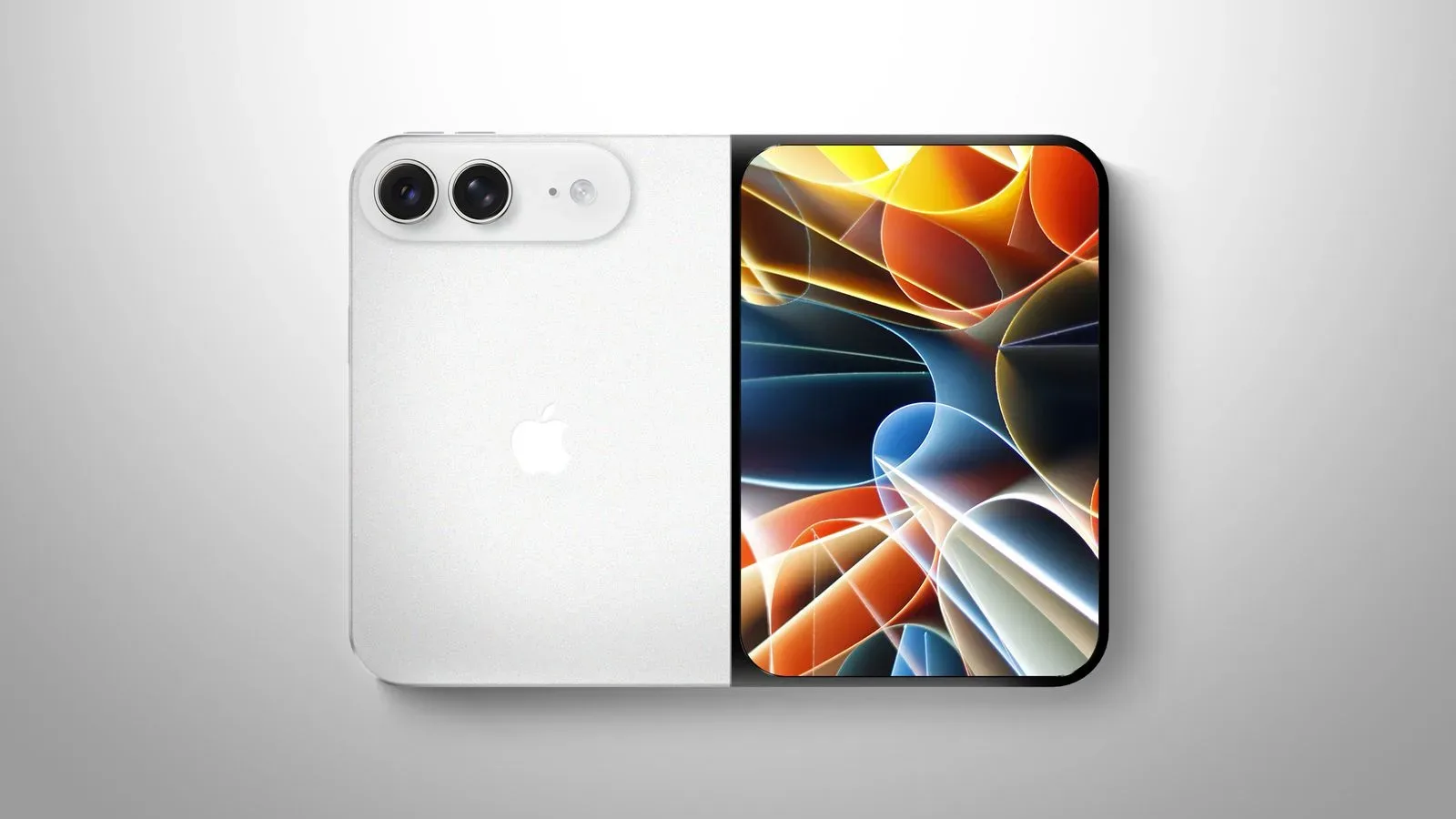
A further piece of context is the iPhone Duo, which reportedly retains Camera Control while lacking a standalone Action button. Its existence makes an iPhone without the separate button easier to imagine, but it does not prove that the same choice will spread across the line. Companies often make different hardware decisions across models, and the naming, tiering, and exact lineup expected in 2027 remain unclear.
Camera Control’s reception gives Apple a reason to rethink it
Camera Control has not had a universally warm welcome. Its debut on the iPhone 16 brought criticism centered on usefulness, complexity, and ergonomics—the practical question of how a control feels to locate and operate in a hand. That mixed response is the strongest reason to treat this rumor as more than a random exercise in removing a button. If Apple believes the control needs a clearer job, adding an everyday customizable shortcut could make its purpose easier to articulate.
At the same time, adding another responsibility could make Camera Control more complicated rather than less. The button would need to serve people who want to snap into the camera immediately and people who want a dependable hardware trigger for Silent mode, Focus, a flashlight, or an automation. It would also need to avoid becoming an awkward compromise for either group.
There is a practical difference between a control being multifunctional and a control being intuitive. Multifunctional means a single piece of hardware performs several tasks. Intuitive means users can predict the result without stopping to think about timing, grip, or modes. The rumored press-versus-hold split is relatively simple, but real acceptance would likely turn on execution: placement, feedback, responsiveness, and how easily someone can use it one-handed.
For gaming-focused phone users, the trade-off could be particularly visible. A long press set to a Shortcut might be useful for launching a recurring routine or quickly reaching an app-related function. Conversely, anyone who primarily uses Camera Control for photography may see an added hold gesture as irrelevant. The rumor offers no detail on game-specific integrations, so it would be a mistake to assume this is a gaming feature. Its potential relevance is broader: it is about how a phone handles fast, physical access to software tasks.
Possible manufacturing and design motivations
Removing a distinct physical button could simplify the device’s external layout and manufacturing. The report also suggests it might reduce confusion between the Action button and the adjacent volume buttons. Anyone who has adjusted volume by feel understands the basic argument: similar controls placed close together can be less obvious than they look in product diagrams.
There is a separate, earlier rumor that Apple was exploring a simplified Camera Control for the iPhone 18 family. That expected change did not materialize. Instant Digital had claimed Apple could remove the control’s capacitive sensing layer and use pressure sensing instead, as a way to reduce costs while keeping its capabilities.
Those two rumor threads may be related, but there is no firm evidence that they describe the same final project. It is possible they are parts of one broader redesign; it is also possible they are separate ideas, different prototypes, or plans that changed. The safe reading is that Camera Control may still be under reconsideration, not that a technical redesign has been locked in.
The technical terms deserve a little clarity. Capacitive sensing detects touch through changes in electrical capacitance, enabling a surface to recognize contact. Pressure sensing responds to physical force. The previous claim described a move away from the former layer toward the latter, but did not provide a full engineering breakdown or state exactly how all interactions would be preserved. Without that detail, claims about cost, sensitivity, or feature parity should remain tentative.
What to watch between now and 2027
The reported timetable starts with iPhones released in the second half of 2027, a window that would align with Apple’s 20th-anniversary iPhone cycle in the fall. Even the prospective product name is unknown: it could be called iPhone 19 Pro, iPhone 20 Pro, or something else. Nothing in the report confirms a name, a model list, or a final launch configuration.
That long lead time is another reason to keep expectations measured. A claim about 2027 hardware is inherently subject to revisions in design, software, manufacturing, and product strategy. The most useful takeaway today is not that the Action button is definitely disappearing. It is that Apple may be considering a more concentrated approach to physical controls, with Camera Control acting as both a camera shortcut and a configurable system shortcut.
Apple’s hardware plans have already been a topic of interest beyond the iPhone, including its broader home-device and media hardware direction. For more on that side of the company’s reported pipeline, see Apple’s HomeView Hub and fourth-generation Apple TV 4K hardware stretch.
For now, the rumored merged button remains an unverified design claim. Its appeal is easy to understand: fewer separate buttons, familiar press patterns, and a possible new reason to keep Camera Control around. Its risk is equally clear: a single physical control could become a more crowded interface if Apple cannot make its behavior feel effortless. Until there is direct confirmation, the right stance is curiosity, not certainty.