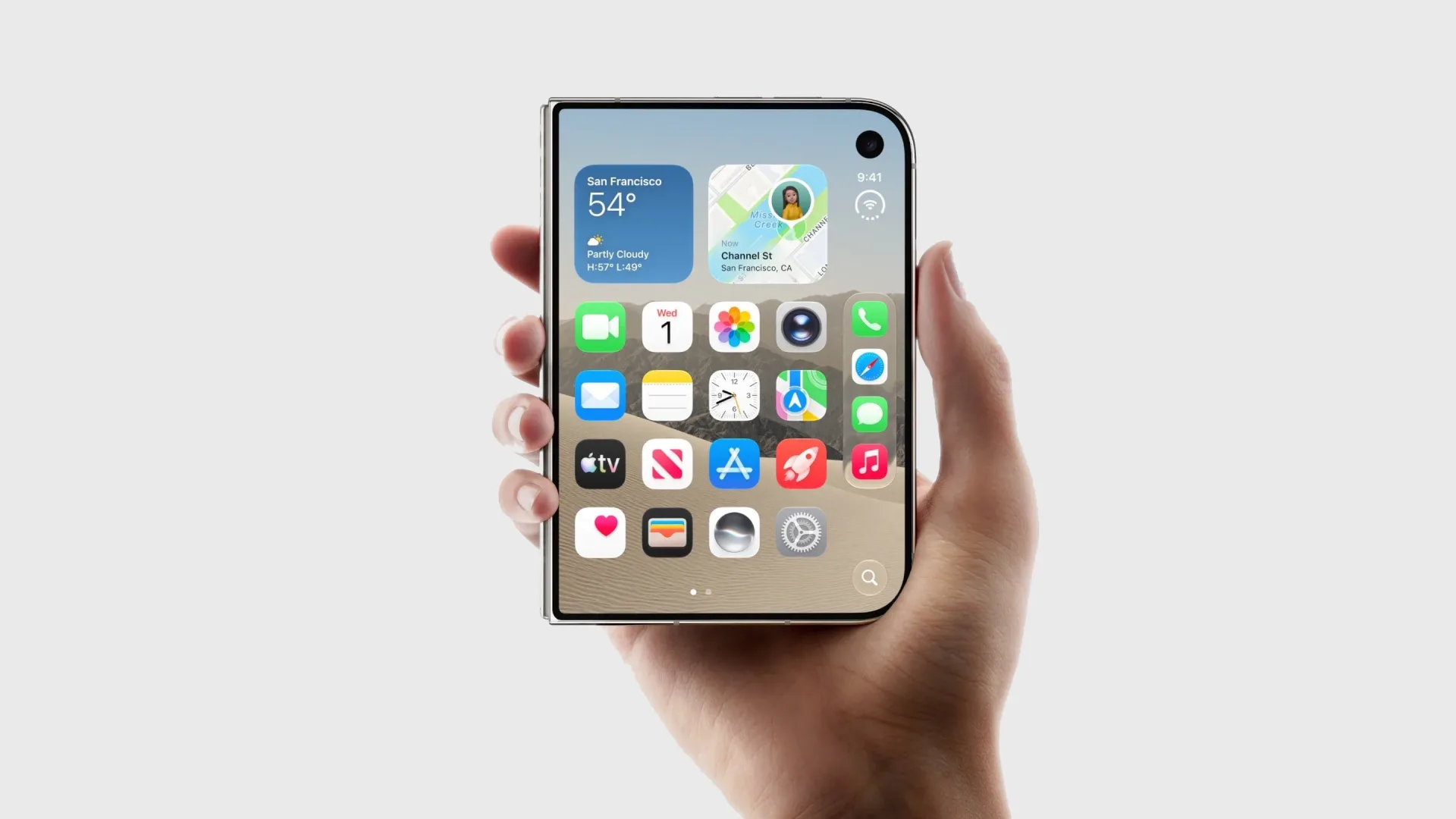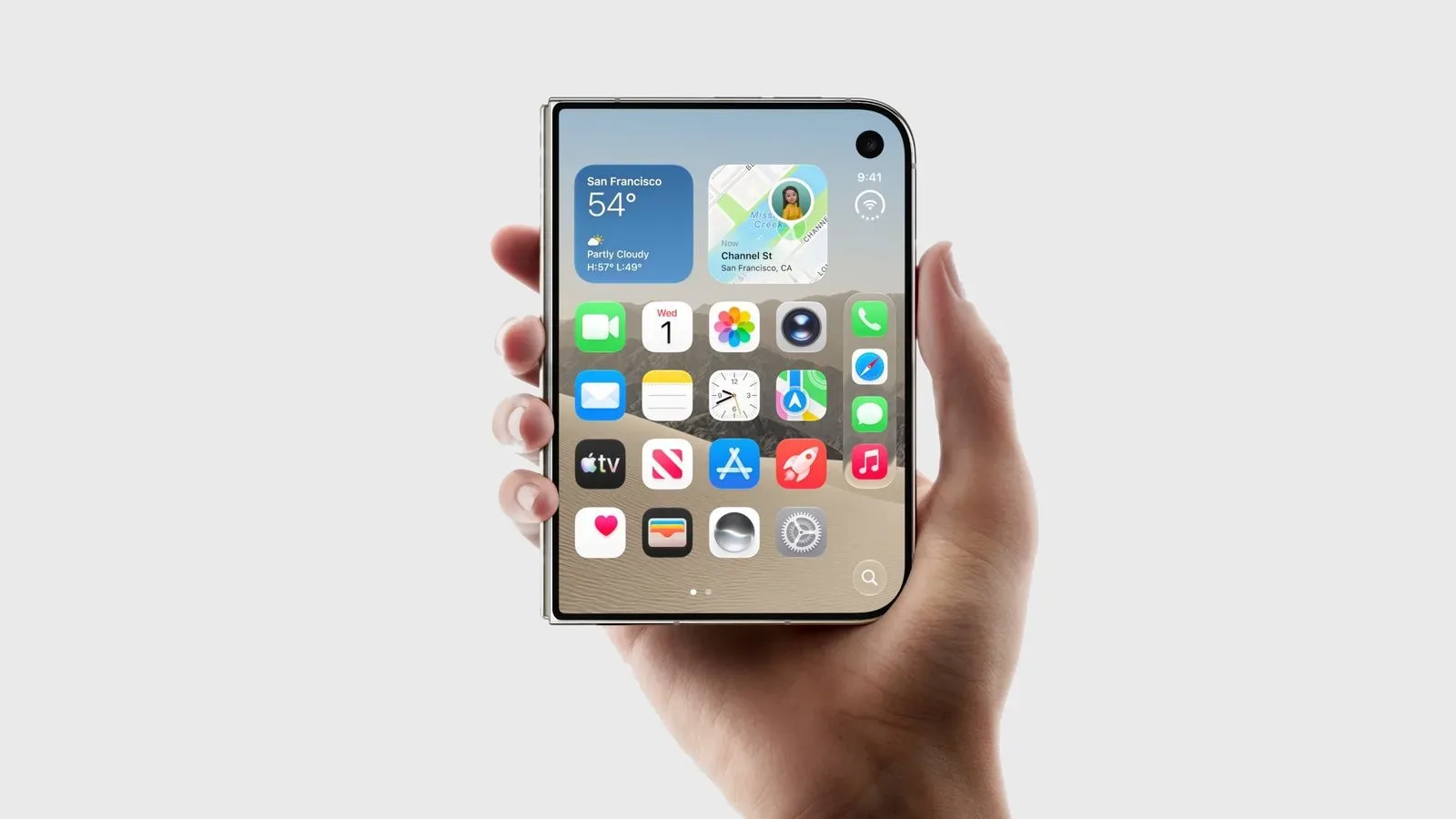
Apple reportedly considered a far narrower and later debut for the iPhone Duo before putting the device on sale in more than 70 countries on Friday, October 23. The earlier plan was to wait until November and limit the launch to the United States and China.
That account, reported by Mark Gurman, points to a major change in rollout scope as well as timing. Instead of testing demand through two markets, Apple expanded the release across dozens of countries. The apparent trade-off is availability: the iPhone Duo is said to be difficult to find at retail, while current delivery estimates have stretched to January 25.
A broad launch, but limited immediate supply
The key distinction is between a product being launched and being readily obtainable. A launch date establishes when orders and sales begin. Inventory availability describes how many units are actually positioned for online fulfillment and stores. A device can therefore reach more than 70 countries on paper while still being scarce for buyers in practice.
The reported January 25 delivery estimate is especially significant because it suggests the shortage is not merely a matter of a few stores selling through their opening allocation. A delivery window that far beyond the October 23 launch indicates that online orders may be joining a longer fulfillment queue, at least at the time of the report.
Retail scarcity can take several forms. A store may have no stock at all, may receive a very small allocation, or may have units only in particular configurations. None of those particulars have been established here, so shoppers should not infer a specific model, color, capacity, or regional pattern from the broader claim that the Duo is hard to locate.
Why the original two-market plan matters
Launching first in the U.S. and China would have concentrated available inventory into two major markets. Expanding to more than 70 countries distributes the same initial production pool across a vastly wider retail footprint. That can improve access geographically, but it can also mean fewer units per market if supply is not sufficient for the breadth of the rollout.
The report characterizes the situation as Apple rushing the Duo to market without enough inventory to satisfy demand. That is an assessment of the launch decision, not confirmation of a single manufacturing or logistics cause. The available information does not identify whether the constraint lies in production capacity, component supply, final assembly, shipping, regional allocation, demand forecasting, or another part of the supply chain.
That uncertainty matters. “Low inventory” is often used as a catch-all phrase, but it does not by itself explain why stock is limited. It only describes the mismatch between the number of devices available for sale and the number buyers want to purchase at launch.
Practical implications for prospective buyers
For customers who want an iPhone Duo soon, the report supports a simple expectation: availability may vary sharply between online ordering and local retail. A January 25 shipping estimate is a snapshot rather than a permanent promise, and in-store supply can change as replenishment arrives. Still, buyers should expect a less predictable purchasing experience than a launch with plentiful stock.
- Online delivery dates: These represent the current estimated fulfillment timeline for an order, not necessarily the date a store will have stock.
- Store availability: A nearby location may receive units independently of the online delivery queue, but the report says stores have been difficult places to find the device.
- Country-to-country variation: A 70-plus-country release does not mean every country has equal supply. No allocation breakdown has been provided.
- Changing estimates: Delivery windows and store inventory can move as orders are placed, canceled, or fulfilled.
Buyers should also be wary of treating launch scarcity as proof of a device’s long-term availability or popularity. The known facts are narrower: Apple released the iPhone Duo on October 23 in more than 70 countries, there was reportedly insufficient initial inventory for demand, the device has been hard to find in stores, and the cited delivery estimate is January 25. Those points do not establish future production levels, sales totals, or when supply will normalize.
Analysis: a rollout decision with competing priorities
Viewed as a launch-management decision, the reported shift creates two competing goals. A narrower November release would have prioritized concentration: fewer markets, potentially more units available within each. The October 23 expansion prioritized reach: more countries participating at the outset, even if stock was stretched thin.
Neither approach is automatically better for every buyer. A restricted initial release can leave whole regions waiting, while a broad release can allow more regions to join the first wave but make immediate purchase difficult nearly everywhere. The report suggests Apple ultimately chose the latter path.
It also demonstrates why headline launch coverage needs careful reading. The number of launch countries measures geographic scale; it does not measure inventory depth. Likewise, a delayed estimated delivery date signals pressure on available supply, but it does not reveal the exact number of orders or units. Separating those ideas helps avoid turning a supply constraint into claims that the evidence does not support.
For the broader consumer-tech and games business, launches are often judged by a mix of reach, demand, and fulfillment rather than any one signal. Similar care is useful when reading early sales headlines, including reports such as Phantom Blade Zero’s reported opening sales and Steam peak: sales, simultaneous users, product availability, and geographic rollout each describe different parts of a launch.
What remains unknown
There is no stated reason for the earlier November target, no explanation for why Apple broadened the release before that target, and no inventory figure attached to the reported shortage. The information also does not specify which iPhone Duo variants are most constrained, whether all launch territories are seeing the same delays, or whether the January 25 estimate applies universally.
As a result, the most defensible reading is limited but meaningful. Apple appears to have moved from a contemplated U.S.-and-China November release to an October 23 launch spanning more than 70 countries. That wider rollout arrived with stock too limited to comfortably meet demand, leaving many customers facing scarce retail availability and a much later delivery estimate.