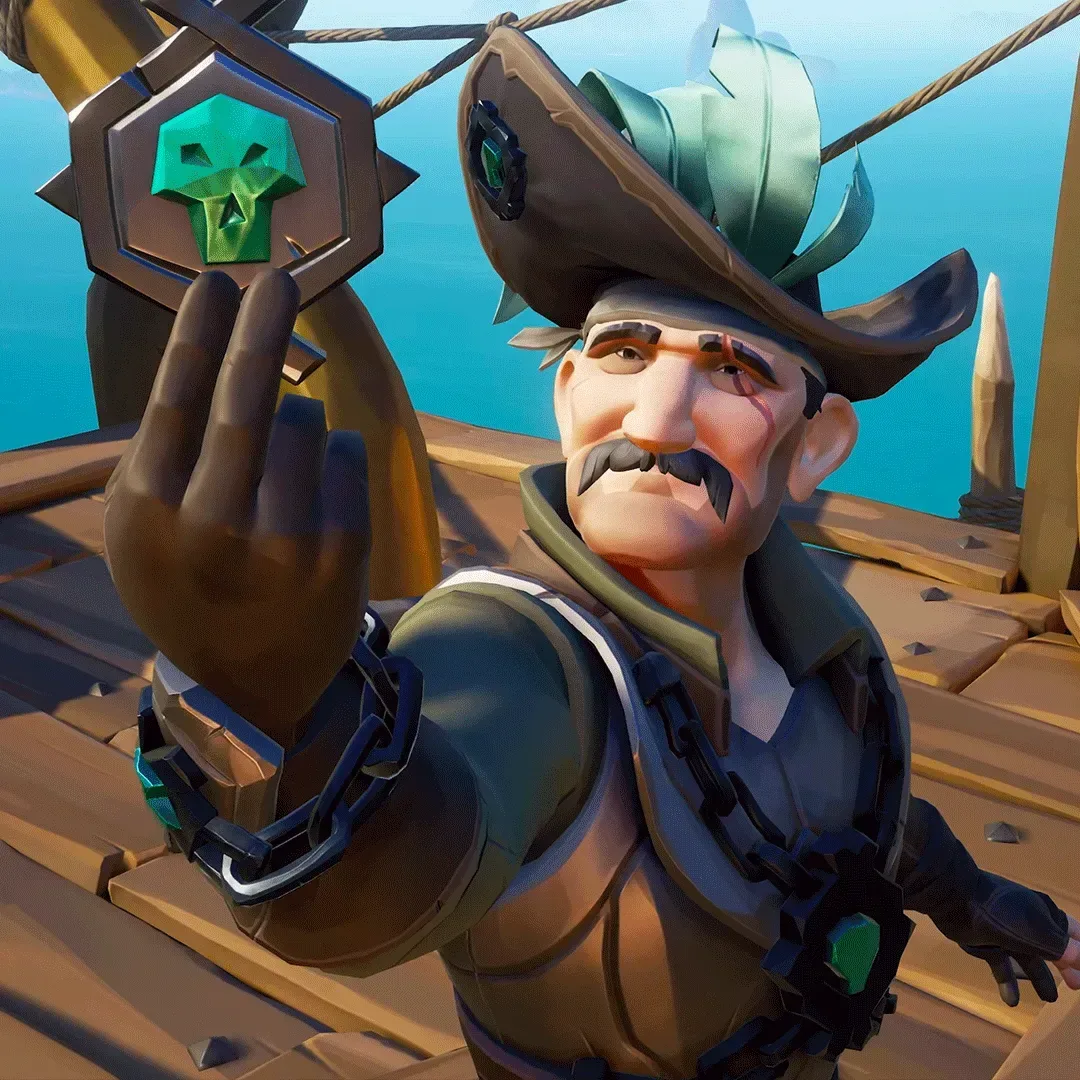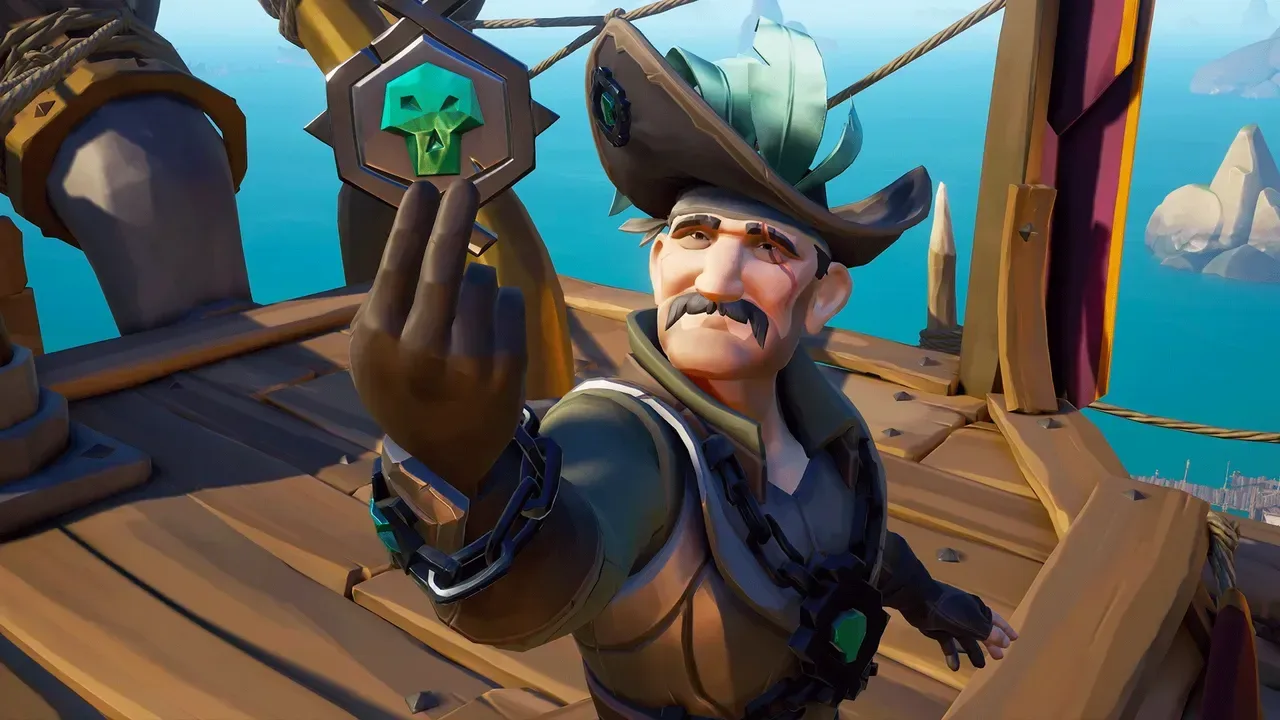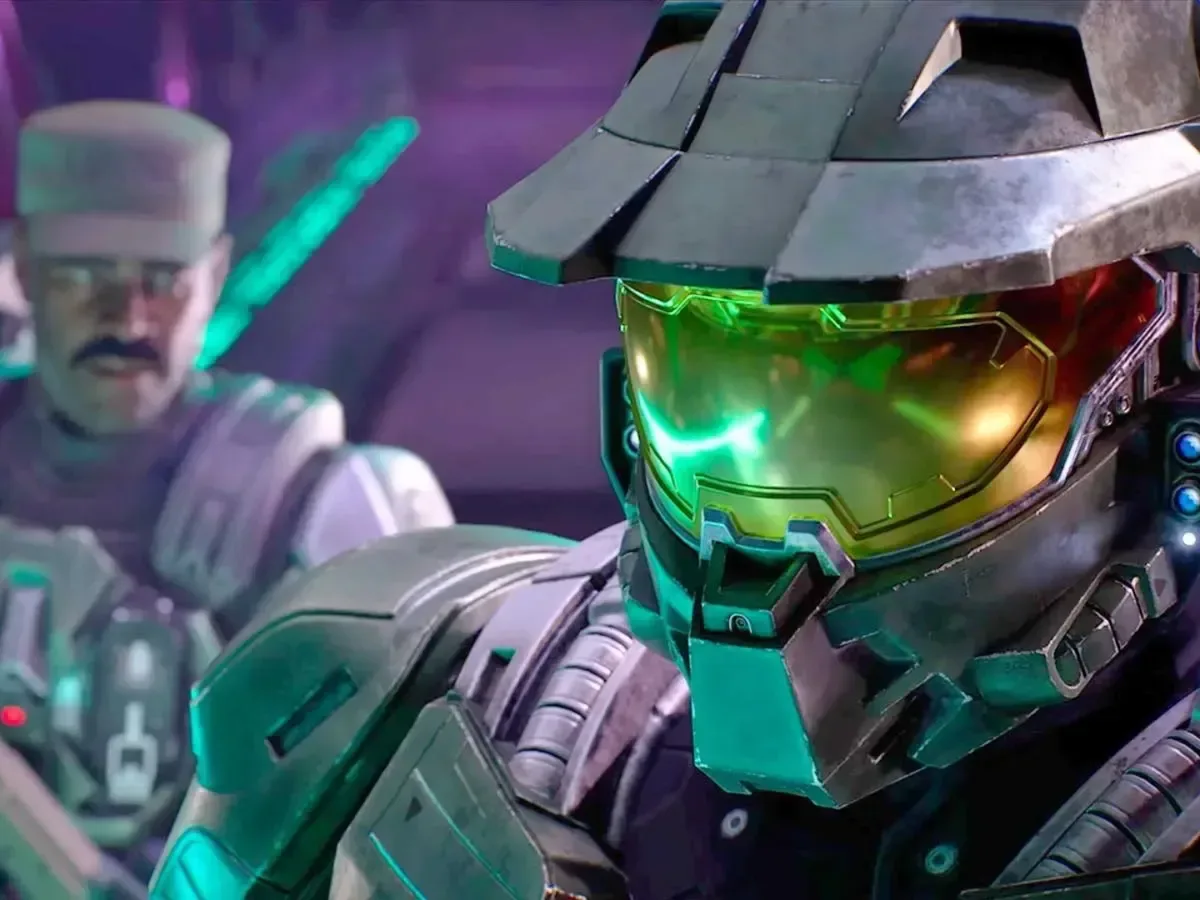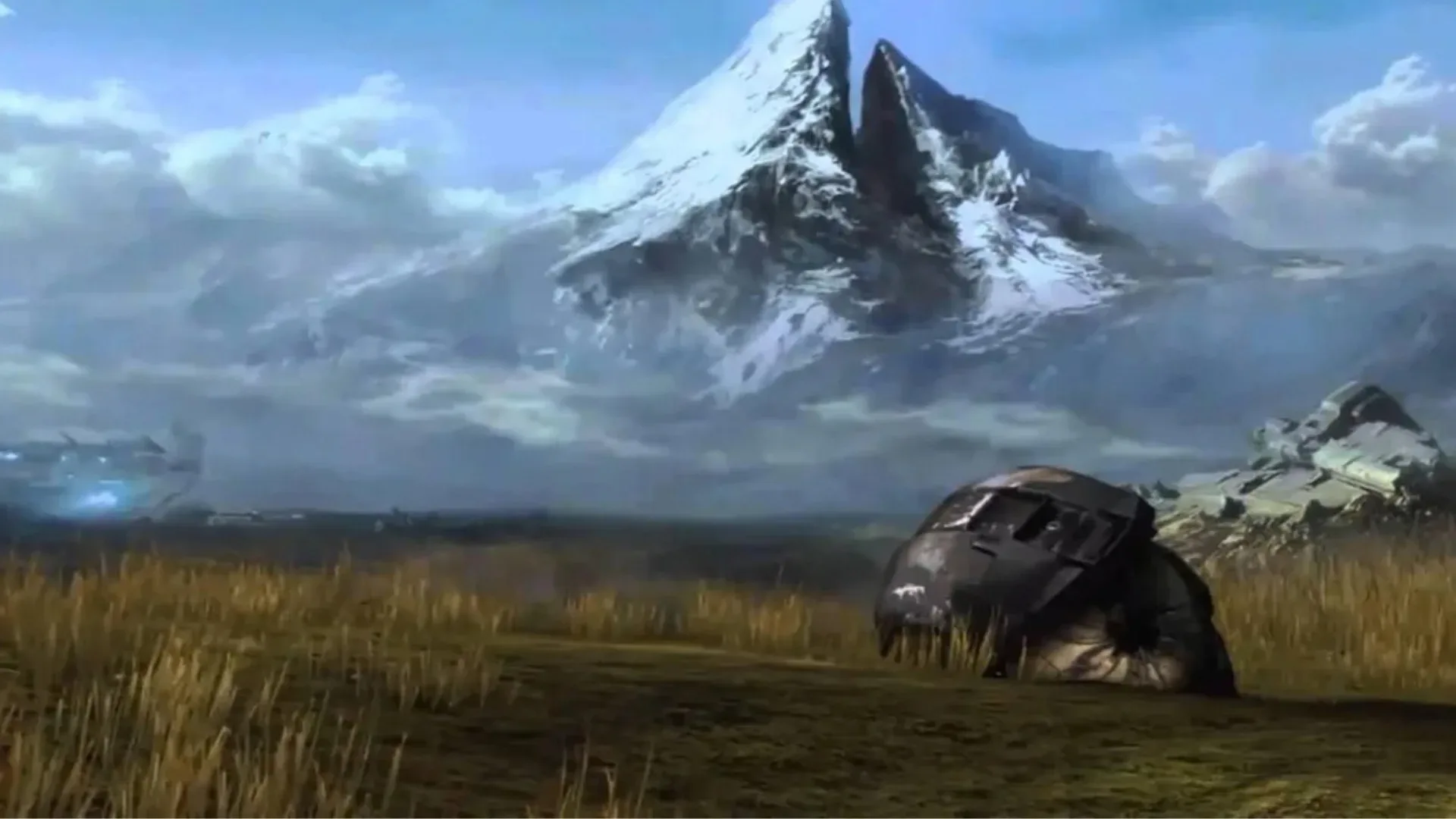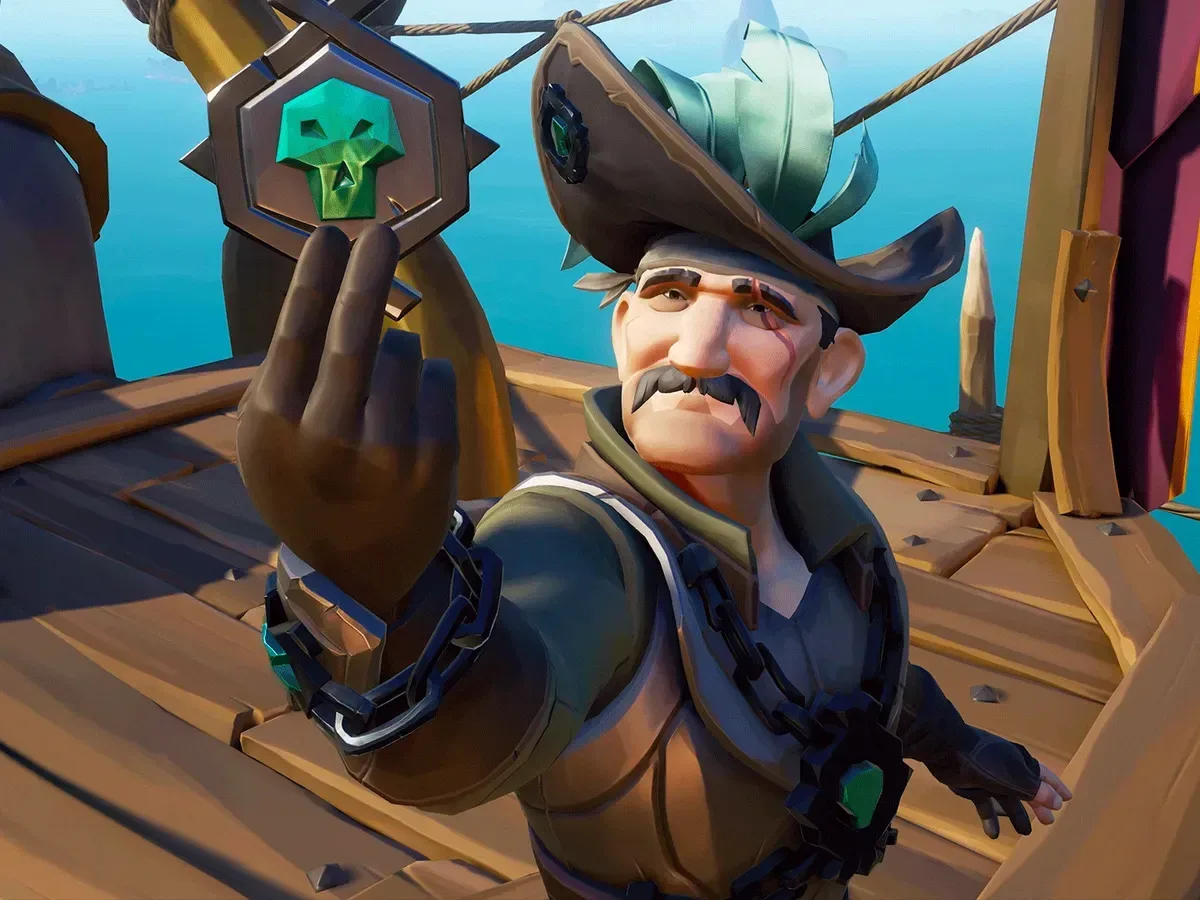
Rare is now operating under Activision as part of Microsoft’s broader Xbox reorganization, a shift that has immediately put Sea of Thieves players on watch. The change arrives alongside layoffs and wider consolidation among Xbox’s first-party operations, while Activision is also taking on major responsibilities including leadership of the next Halo game.
There is no stated plan yet for Rare’s next assignment, its creative remit, or any immediate change to Sea of Thieves. That absence of specifics is the central reason for the uneasy reaction. Rare has not been closed or sold, which matters in an era of painful studio cuts, but remaining open does not automatically answer the more important question for players: what will the team actually be allowed to make?
For some, the reorganization suggests a possible route to a larger support role on established Xbox and Activision franchises. For others, it raises a more hopeful possibility that Rare could be put to work on a project closer to its platforming heritage, such as Banjo-Kazooie or Crash Bandicoot. At present, both are speculation. No new Rare game, franchise assignment, or support mandate has been outlined.
What “under Activision” means—and what it does not yet prove
In corporate terms, consolidation generally means teams and reporting structures are brought together under a different operational umbrella. It can change who sets priorities, approves projects, allocates staff, and coordinates production. It does not, by itself, establish that a studio has been cancelled, converted into a support team, or removed from its existing game.
That distinction is particularly important here. Rare’s placement under Activision is a confirmed organizational change; claims about it being sent to work exclusively on Call of Duty or Halo are not confirmed plans. Fans are extrapolating from Activision’s past treatment of studios, not reacting to a published roadmap for Rare.
Still, that history is why the concern has sharpened so quickly. Players point to Neversoft as an example of a well-known studio that was absorbed into work supporting Call of Duty, including map work and broader first-person-shooter development. The fear is not simply that Rare will change management lines. It is that the studio’s own projects could become secondary to the needs of annual or continuing blockbuster franchises.
One fan summarized the anxious view in blunt terms: Rare could end up working in the “CoD mines” like other teams folded into Activision’s machine. The phrasing is hyperbolic, but the underlying concern is clear. Rare is valued not merely as a pool of developers, but as a studio with a distinct history and creative identity.
Microsoft placing Activision in a leading role on the next Halo project has also made the stakes of the restructuring feel broader than a single studio. The newly reported Halo arrangement has already generated its own debate, as covered in the reaction to Activision’s reported Halo takeover. Rare’s move now gives players another tangible example of Xbox’s revised operating structure.
Related coverage includes Sea of Thieves Players Question Rare's Future After Activision Reorganization.
Why Sea of Thieves players are worried about the live-service side
Sea of Thieves is Rare’s most substantial modern success and the game most directly affected by any change in the studio’s priorities. A live-service game is a game designed to receive continuing support after launch: updates, events, fixes, balance changes, and ongoing content can all depend on a developer’s long-term staffing and planning. That makes players understandably sensitive to any organizational move that might alter resourcing or creative direction.
The present information does not say that Sea of Thieves will receive fewer updates, adopt a new monetization model, or change its content plans. None of those outcomes should be treated as settled. But concern has focused on Activision’s reputation among critics for aggressive monetization, the use of generative AI, and pushing major franchises—especially Call of Duty—so heavily that some fans feel fatigued by the volume of releases and promotion.
Monetization refers to the systems through which a game generates revenue beyond, or alongside, its initial purchase. Players use the term broadly for cosmetic storefronts, paid bundles, premium currencies, and other optional spending systems. It is not synonymous with every paid item, but it becomes contentious when audiences believe a game’s design is being steered more by sales opportunities than by the player experience.
Generative AI is another term featuring in the backlash. It describes software systems that produce content—such as text, images, audio, or other materials—from patterns in data. The source material identifies it as an area for which Activision has drawn criticism. However, there is no information establishing any particular use of generative AI at Rare or in Sea of Thieves following the reorganization.
That is the line worth holding. Players’ fears are understandable in light of the concerns they associate with Activision’s approach, but fears are not a product plan. The meaningful evidence will be what Rare and Microsoft do next: the teams retained, the projects approved, and the support Sea of Thieves actually receives over time.
Rare’s recent history explains the intensity of the reaction
Rare’s fans have spent years watching the studio move through sharply different roles. After a highly successful period in the 1990s and 2000s, the team was assigned to Kinect work under Microsoft in the early 2010s. Some players viewed that period as an unfortunate use of a developer best known for characterful platformers and inventive console games.
Then came Sea of Thieves, the popular pirate adventure that gave Rare a major contemporary hit and established a long-running reason for the studio to remain focused on a single game. It also changed the nature of the question around Rare. The conversation was no longer only, “When will the next classic-style Rare game arrive?” It became, “How can Rare continue supporting a successful service game while still having the space to create something new?”
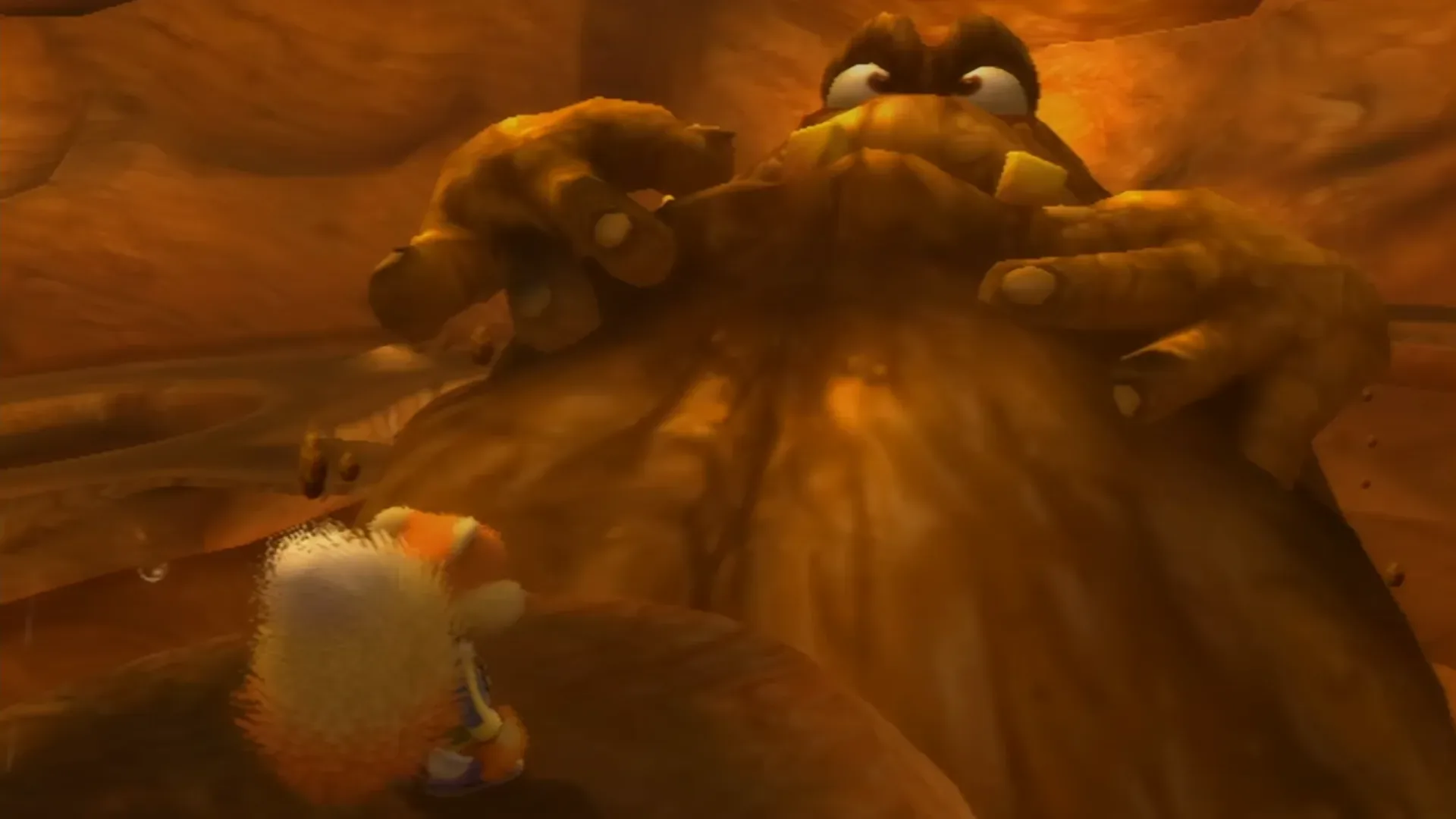
That tension was amplified by Everwild. Rare spent roughly a decade working on the project before it was cancelled last year. The game struggled to progress, and little was publicly shown or explained as its development continued. Its cancellation left the studio with less evidence of a second major internal production moving toward release beyond Sea of Thieves.
From a management perspective, a cancelled project can influence how much freedom a team is given for future original work. That is analysis, not a declared explanation for this reorganization. But it helps explain why some observers think Everwild could weigh on Rare’s chances of receiving another wholly independent project, while others hope the studio’s proven track record and history make it a candidate for a recognizable platforming revival.
The support-studio fear versus the revival hope
The community response has split along two imagined paths. The pessimistic one is that Rare becomes a support developer for franchises such as Call of Duty and Halo. Support development can cover many kinds of work: asset production, multiplayer maps, technical help, content creation, quality support, and contributions to a larger shared production. It is skilled, necessary work, but fans worry about it when it appears to replace a studio’s ability to lead its own games.
The optimistic path is based on fit. Rare’s past makes players associate the team with platformers, and that has led to hopes for a new Banjo-Kazooie or Crash Bandicoot. These suggestions reflect what fans believe Rare could excel at; they are not an indication that either game is in development.
Both views share the same premise: Rare’s future is unusually unclear. The difference is whether players interpret Activision’s wider resources and franchise portfolio as an opportunity or as a constraint. A reorganization can theoretically give a studio access to more production infrastructure and larger collaborations. It can also prioritize a company’s biggest existing properties over the risk of launching unusual new ideas. Nothing announced so far resolves which impulse will guide Rare.
What players can reasonably watch for next
The immediate news is about structure, not a new game announcement, so the most useful signals will be concrete rather than speculative. Players looking to judge the impact should watch for:
- Sea of Thieves support: Whether the game continues to receive a clear flow of updates and care from a stable team.
- Rare’s next stated project: An original game, a revival, or a disclosed role assisting another franchise would each reveal very different priorities.
- Team identity: Future leadership and staffing information may show whether Rare remains equipped to lead work of its own.
- Actual monetization or technology changes: These should be judged from announced and implemented policies, rather than presumed from the reporting-line shift alone.
- Clarity from Microsoft and Activision: Fans are asking for an explanation of Rare’s remit, because the current lack of detail leaves the loudest assumptions filling the gap.
For now, Rare’s survival is the limited piece of reassurance in a difficult Xbox reset. The studio was not shuttered or sold off, and Sea of Thieves remains its major active success. Yet players who have watched Rare shift from beloved platformer maker to Kinect developer, then to the long-term steward of a pirate game, have reason to be protective of what comes next.
Putting the studio beneath Activision has created an understandable waiting game. The corporate chart has changed. Rare’s creative future has not been defined. Until there is a named project or a clearer mandate, the most accurate verdict is neither doom nor triumph—it is uncertainty, with a very vocal pirate crew keeping one eye on the horizon and the other on the microtransaction shop.