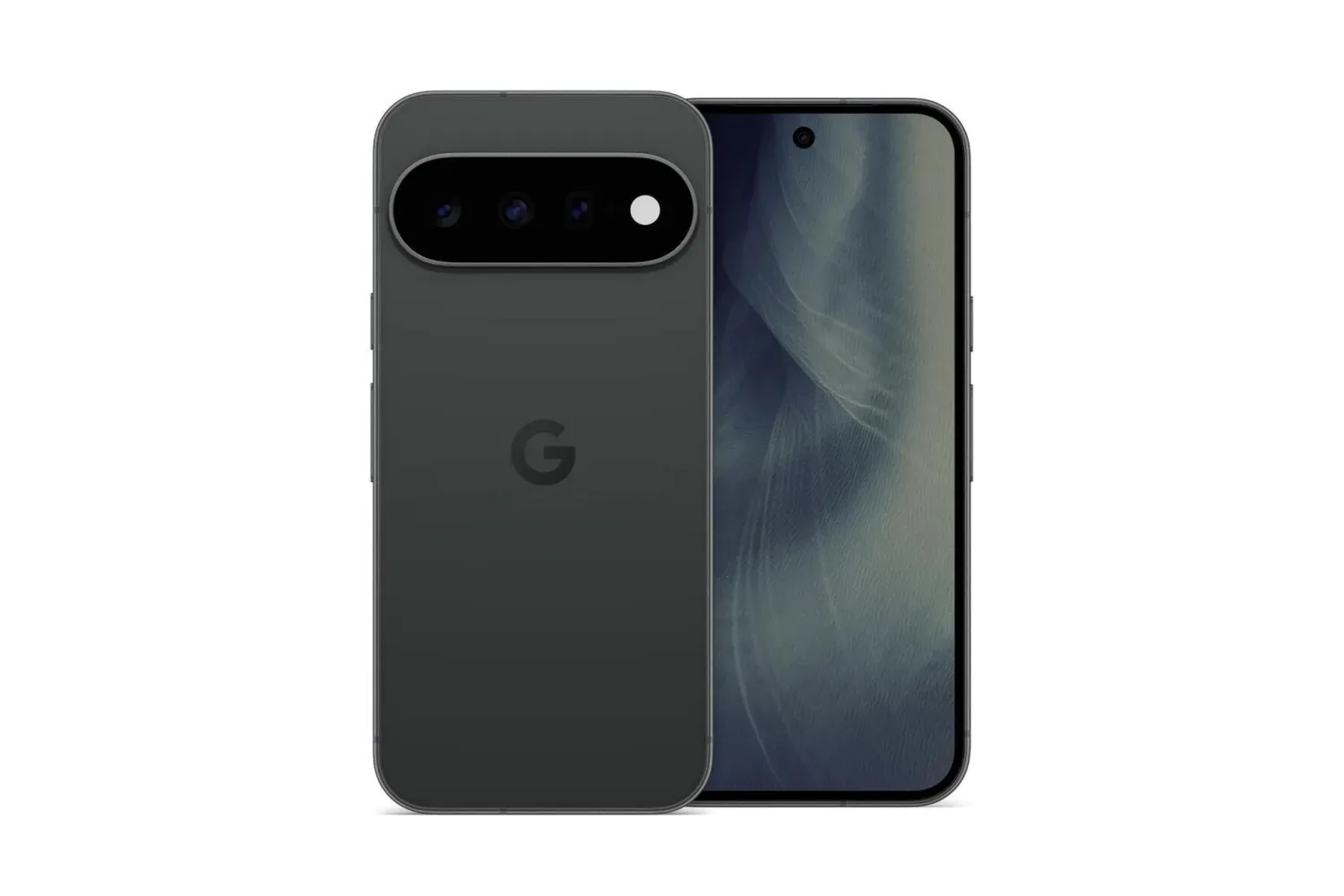
The Google Pixel 11 is currently listed at a notably lower price: the unlocked 256GB model has fallen from a stated $899 to $699, while the 512GB version is listed at $819 rather than $1,019. Both configurations carry a $200 reduction, making the higher-storage option just $120 more than the discounted 256GB handset.
That pricing naturally makes the Pixel 11 a more interesting consideration for anyone comparing Google phones by immediate out-of-pocket cost. However, a direct verdict against the Pixel 10a would require specifications, pricing and support details for that model that are not established here. A lower-priced handset can still be a sensible purchase if it meets a buyer’s storage, performance and budget needs. What can be said from the available deal details is narrower: the Pixel 11’s current price substantially changes its position within a shopping shortlist.
Pixel 11 sale: the confirmed prices
- Pixel 11, 256GB: $699, down $200 from a stated $899.
- Pixel 11, 512GB: $819, down $200 from a stated $1,019.
- Colors included: Obsidian, Frost, Hibiscus and Pistachio.
- Carrier status: The phones are sold unlocked.
- Shipping: Free shipping is included with the order.
The 512GB option is worth isolating because storage is one of the few practical trade-offs shoppers can quantify immediately. At the discounted prices, moving from 256GB to 512GB costs $120. Someone who records frequent video, keeps a sizable local music library, downloads large games, or simply wants more headroom over the life of a phone may find that difference easier to justify than it would be at the regular prices.
Conversely, 256GB remains a substantial amount of storage for a buyer whose photos, media and documents are routinely managed elsewhere. Capacity is not automatically a performance upgrade; it is room for more files and apps. The more useful question is whether a person’s existing phone is already constrained by storage. If it is not, the $699 model may be the clearer value.
What the hardware details mean in day-to-day use
The Pixel 11 pairs 12GB of RAM with Google’s Tensor G6 chip. RAM, or random-access memory, is the fast working memory a phone uses while apps and processes are active. More RAM can help a device keep multiple apps available in the background rather than reloading them as a user moves between messaging, a browser, social feeds, camera tools and other tasks.
A processor chip, meanwhile, handles the computing work behind those apps, photography functions and system activity. The Tensor G6 is presented as the chip responsible for the Pixel 11’s everyday performance alongside its 12GB of RAM. That means prospective buyers should read the configuration as a claim of broad multitasking capability, not as a promise tied only to one narrow task.
For players, that distinction is useful. A phone can be a secondary screen for community chats, guides, game clips and streaming as much as it is a machine for running software locally. More capacity and memory may make that mix of activities less restrictive, but the information available here does not establish game-specific frame rates, thermal behavior, controller support or results in particular titles. Those are separate questions that should not be assumed from RAM and chipset names alone.
The wider games business also continues to intersect with the devices and digital platforms people use every day; for a recent example of that broader platform-side landscape, see this report on Fox naming Paul Cheesbrough CEO of Digital Platforms after its Roku purchase. The Pixel deal itself, though, is about an unlocked handset and its current listed pricing, rather than a game-specific promotion.
Camera, build and durability claims
The Pixel 11 is described as having a slim camera bar and a satin-finish back. Those are design considerations, but the sturdier practical detail is its IP68 rating for water and dust protection. “IP” refers to an ingress-protection rating: it is used to describe resistance to dust and water entering a device. The “6” indicates a high degree of dust protection, while the “8” is the water-resistance classification cited for the handset.
That does not mean a phone becomes indestructible, nor does it remove the need to follow the manufacturer’s care guidance. It does, however, make the rating a relevant feature for people who want extra reassurance around spills, dust and routine outdoor use. The device is also described as using durable glass, while retaining its more premium-looking design elements.
On imaging, the supplied details characterize the Pixel 11 as delivering crisp photos across lighting conditions and stabilized video. Stabilization matters most visibly in video: it is intended to reduce the appearance of shake while recording. A buyer who often captures short clips, travel video or social content may therefore see the camera as part of the value proposition rather than an incidental feature.
Still, camera preferences are personal. Some people care most about the convenience of a phone that can handle spontaneous photos and steady video; others put storage, carrier flexibility or price first. The current reduction does not make those priorities disappear. It gives shoppers more room to weigh them without paying the stated launch-level price.
Battery expectations should be treated as usage-dependent
Google says the Pixel 11 can provide more than 30 hours of battery life on a charge. That is a manufacturer figure, and the actual result will vary with what the phone is doing. Video recording, extensive camera use, cellular data, navigation, high screen brightness and demanding apps can all change how quickly a battery drains. Lighter everyday activity may look very different.
The meaningful takeaway is not that every owner should expect precisely the same number. It is that the phone is positioned for all-day operation under standard use, with an advertised maximum beyond 30 hours in Google’s estimate. The phone is also described as supporting fast recharging, although no charging speeds or time-to-charge figures are included in the available information.
For a purchase decision, it is sensible to separate two claims: battery capacity across a normal day, and the convenience of recovering power when the handset runs low. Both matter, but neither is fully captured by a single advertised-hour number. People who rely heavily on their phones away from a charger should particularly account for their own usage pattern rather than treating the stated figure as a guaranteed outcome.
Unlocked status and the trade-in calculation
The Pixel 11 being sold unlocked is a material point. An unlocked phone is not tied to one specific carrier at the point of purchase. The listing states compatibility with Google Fi, Verizon, T-Mobile, AT&T and other major carriers, allowing a buyer to choose a service provider rather than beginning with a carrier-restricted device.
That flexibility may be especially important for shoppers who already have a plan they want to keep, are considering switching providers, or want to avoid making their handset purchase and mobile-service choice at the same time. Compatibility and plan details can vary by carrier and account, so it remains wise to verify the relevant network and service terms before completing an order.
There is also a trade-in offer of up to $815 in Amazon credits for an existing phone. “Up to” is crucial: it is a ceiling, not a universal value. The eventual credit depends on the model and condition of the device submitted, and the retailer provides a calculator for checking an estimate. Once deposited, the credit can be used for other purchases.
That structure means a buyer should treat the trade-in as a separate calculation from the sale price. First, consider the known handset cost: $699 for 256GB or $819 for 512GB. Then check the estimated value of the device being traded. Finally, recognize that the stated return is in retailer credit, rather than necessarily an instant cash reduction. For someone who already shops regularly through that retailer, credit may be straightforwardly useful. For someone seeking cash or a direct carrier bill credit, it is not the same kind of offer.
Who the discounted Pixel 11 appears to suit
At $699, the 256GB Pixel 11 is positioned as the more accessible entry to the lineup described here. Its combination of 12GB of RAM, Tensor G6 processing, unlocked status, IP68 protection, camera features and an advertised all-day battery profile gives it a broad feature set at a reduced listed price.
The 512GB model makes the strongest case for buyers with known storage pressure. With only $120 separating the two discounted versions, the decision is less about abstract “future-proofing” and more about a concrete estimate of photos, videos, downloads and apps likely to remain on the device.
For anyone arriving with a Pixel 10a in mind, the responsible comparison is therefore price-led rather than assumption-led. The Pixel 11 discount is real in the figures provided, but the better buy depends on the final price offered for the alternative phone, the storage required, trade-in eligibility, and whether its feature set is enough for the buyer’s actual needs. A deal can narrow a gap dramatically without making every cheaper option automatically obsolete.
Shop the products
Check current price, model and availability at the retailer.