Netflix and the NFL are adding a new square to the increasingly crowded holiday-football calendar: a Thanksgiving Eve game. On Nov. 25, the Los Angeles Rams will host the Green Bay Packers at SoFi Stadium, with U2 set to headline halftime and David Chang joining the pregame programming around food, tailgating and game-day rituals.
The event is more than an extra midweek fixture. It is a deliberate attempt to turn the Wednesday before Thanksgiving into a destination for live sports and spectacle, following the NFL’s success in making Black Friday and Christmas more consequential viewing windows. For Netflix, which does not carry the volume of weekly NFL games associated with long-established broadcasters, the appeal lies in making a comparatively small set of dates feel unusually large.
That approach gives the Rams-Packers matchup two kinds of stakes. Both clubs enter at 6-4 and are pursuing playoff places, so the result matters on the field. Off it, the game is the first test of whether Thanksgiving Eve can become a repeatable event rather than merely a one-night novelty.
A holiday window built around an event, not a full schedule
The NFL has been part of Thanksgiving Day since the league began in 1920. That history gives the broader week an obvious football audience, particularly when families and friends are already gathering. The league has also built a Black Friday game with Amazon Prime Video in recent years, establishing that the appetite for NFL viewing can stretch beyond the traditional Thursday slate.
Netflix’s Thanksgiving Eve plan extends that logic by taking the night before the holiday and treating it as its own occasion. The platform and league have previously found strong holiday reach with Christmas Day games, which have exceeded 30 million global viewers per game over the past two years. A Kansas City-Dallas Thanksgiving game last year reached 57 million viewers, illustrating the scale the NFL can command when its schedule intersects with an entrenched family occasion.
What “inventory” means here: in sports-media terms, inventory is the collection of games or programming windows a league can sell or license. A new Thanksgiving Eve slot creates another scarce, potentially valuable place on the calendar. It is not simply one more game; it is a chance for the NFL and a streaming partner to establish a recurring appointment around a period when viewers are already primed to watch football.
Netflix’s wider NFL agreement runs through the 2029 season and is structured around selected moments across the season rather than a weekly package. It includes Christmas Day games, a Week 18 matchup, NFL Honors, the league’s first regular-season contest in Australia, and now Thanksgiving Eve. The strategy is intentionally event-led: focus attention on windows with clear cultural hooks and make each one feel like a special broadcast.
That positioning is materially different from being the place fans go for hundreds of games. Instead, Netflix is trying to become associated with the games that break routine: an opening-week appearance, an international fixture, holiday matchups and a final-week game with potential playoff ramifications. The service is betting that rarity can help its NFL dates stand out.
Rams-Packers arrives with playoff pressure
The on-field selection supports that strategy. The Rams and Packers are both 6-4, putting each team in a competitive fight for a postseason berth. A game with direct season consequences gives the presentation a foundation that goes beyond celebrity booking. The halftime show may draw viewers who would not otherwise choose a regular-season NFL game, but the matchup gives football fans a reason to remain invested through all four quarters.
This is also Netflix’s second Rams-related NFL presentation of the season. Earlier this year, the service carried the first NFL game played in Australia, a Sept. 10 meeting between San Francisco and Los Angeles. The league’s international activity this year additionally included games in London, Madrid, Munich, Rio de Janeiro, Paris and Mexico City, part of its continuing effort to extend football’s reach beyond the United States.
Netflix operates in 190 countries, making that international footprint especially relevant. A Rams-Packers game from Inglewood can function as domestic holiday programming while also serving an audience that may be encountering NFL traditions from afar. In that context, entertainment segments are not incidental decoration. They offer familiar cultural entry points for viewers who do not necessarily follow the standings, playoff tiebreakers or every roster move.
The NFL’s reach remains formidable even without the holiday lift. Through the Nov. 22 game, its U.S. broadcasts averaged 18.2 million viewers, the strongest midseason figure since 2010. For a platform building its live-sports identity, attaching itself to that audience offers an immediate awareness boost—provided the stream and surrounding production meet the expectations that come with such a visible game.
Why U2 is central to the plan
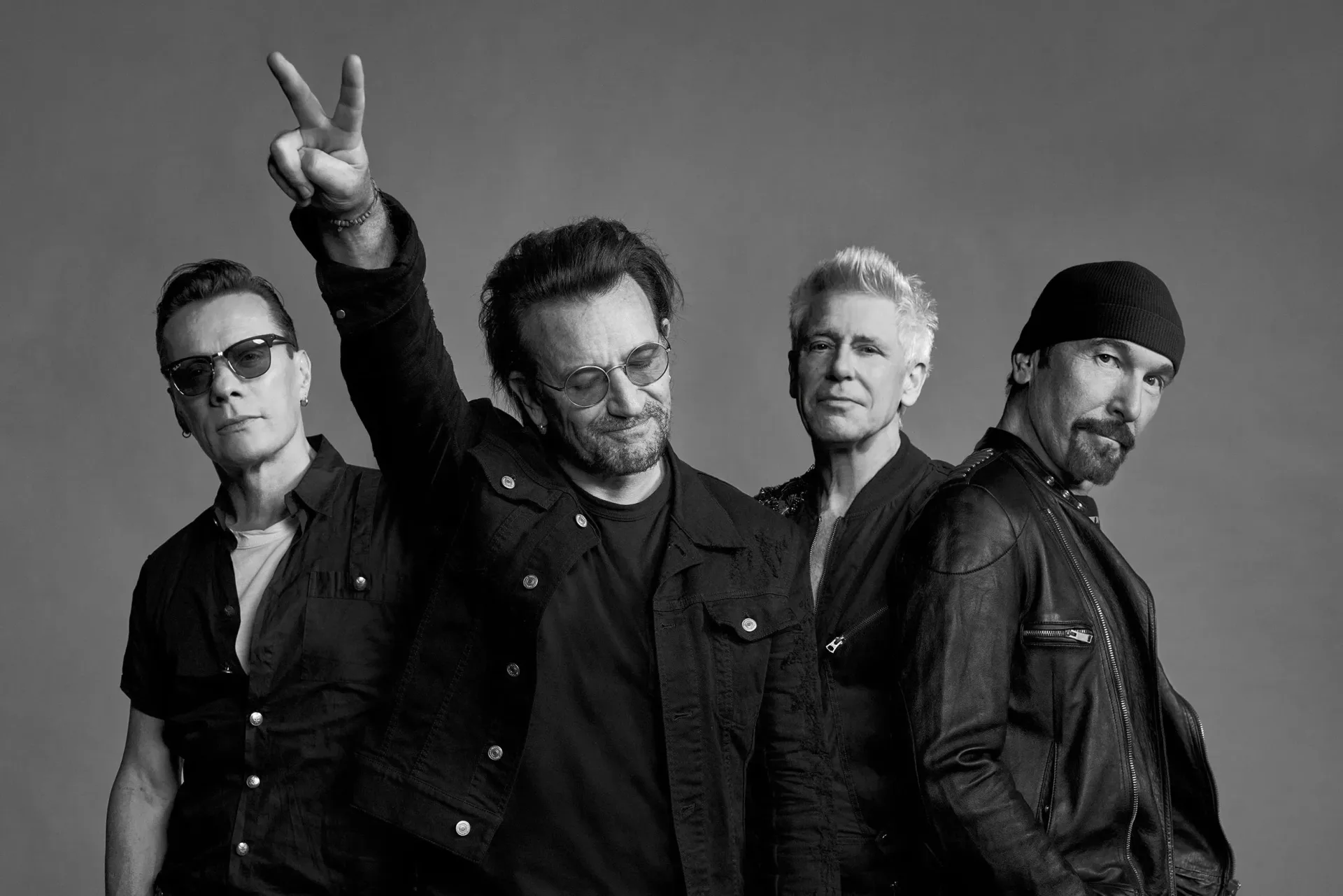
U2 is being presented as the halftime anchor for the debut Thanksgiving Eve game. It is an unusually high-profile booking for a regular-season contest, but it fits Netflix’s effort to make its football coverage feel closer to a pop-culture occasion than a conventional telecast.
The band has appeared in connection with NFL games only twice before. U2 performed in 2002 in a set that paid tribute to victims of the Sept. 11 attacks. It later served as an opening act for a 2006 Monday Night Football broadcast tied to the reopening of the Louisiana Superdome after Hurricane Katrina. Those appearances make the Thanksgiving Eve performance notable not because it launches a new U2-NFL routine, but because it is comparatively rare.
Jesse Collins Entertainment is producing the halftime performance. NBC Sports is producing the game broadcast, while EverWonder Studio is executive producer for Netflix. The division of responsibilities matters: a live sports event is not one production but several interlocking ones, from the football telecast to the halftime production and the transitions that need to make them feel like one coherent program.
Halftime as audience strategy: a performance can broaden the audience for a game, but its deeper value is often attention outside the game itself. A major musical set has the potential to create clips, conversation and headlines that circulate beyond committed NFL viewers. That is especially useful for a streamer whose selected games are meant to be memorable markers in a crowded media calendar.
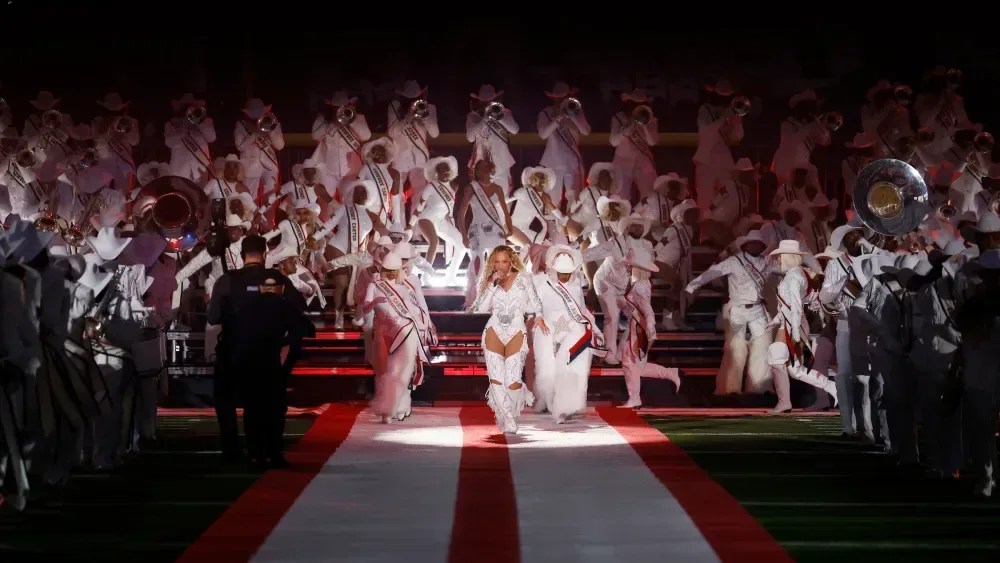
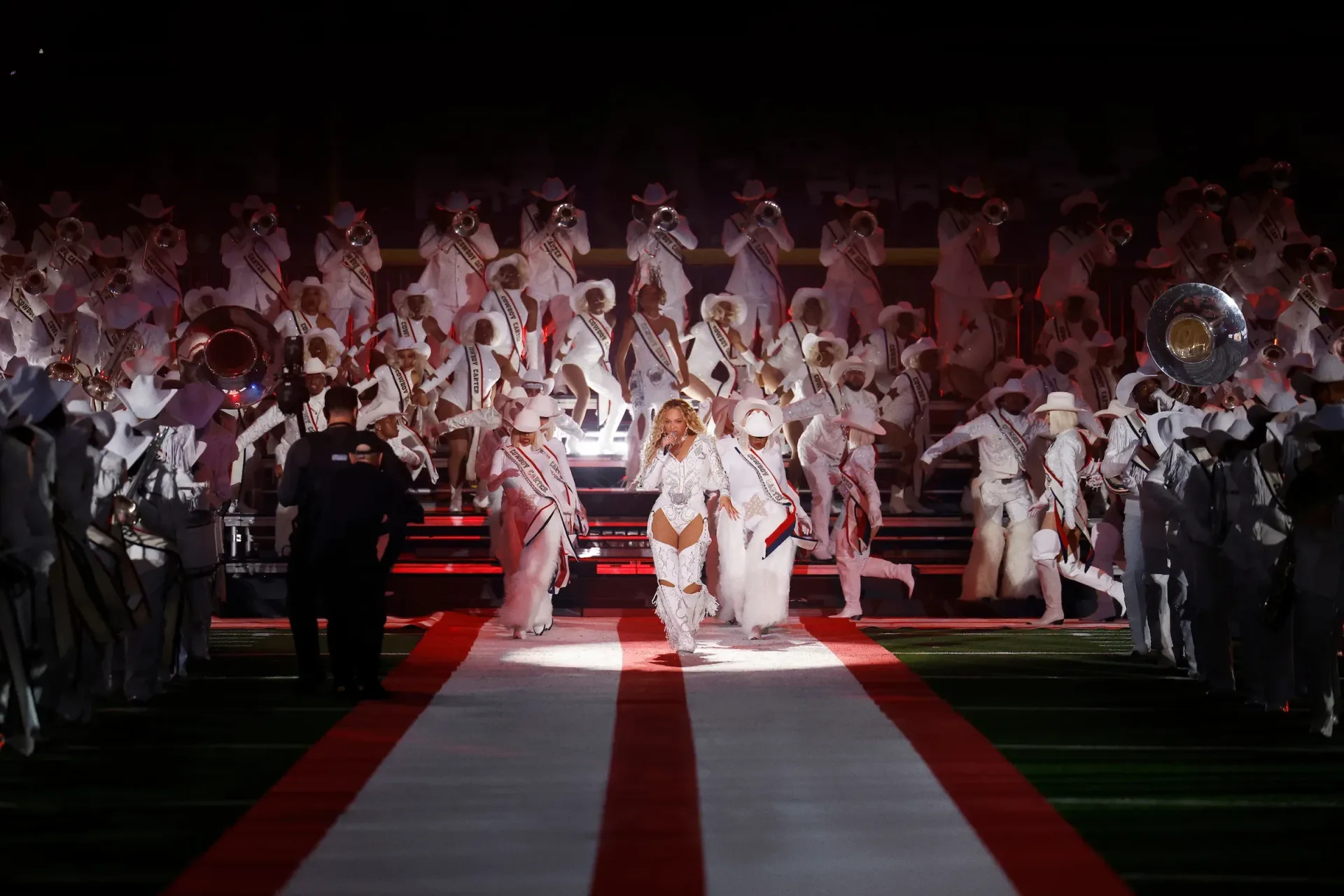
Netflix has already tested that formula on Christmas. Beyoncé’s 2024 performance during the Houston Texans-Baltimore Ravens game drew about 27 million U.S. viewers. The production included Shaboozey, Texas Southern University’s Ocean of Soul Marching Band, and performers reflecting Southern Black and Latin history and music. In 2025, Snoop Dogg’s Christmas halftime show drew 29 million viewers and featured Lainey Wilson as well as EJAE, Audrey Nuna and Rei Ami of K-pop Demon Hunters.
Those figures do not guarantee a result for U2, and the circumstances are different: Christmas Day and Thanksgiving Eve are distinct viewing environments. But the past presentations establish the kind of programming Netflix wants this game to represent. The objective is not merely to fill halftime. It is to give viewers a separate reason to tune in, share the moment and associate the platform with live entertainment on a larger scale.
David Chang and the effort to make the broadcast feel social
The pregame component reinforces the same idea. David Chang’s involvement is designed to put food, tailgating and game-day customs in the foreground. Thanksgiving Eve is not Thanksgiving Day, but it sits next to a holiday defined by cooking and gathering. That makes food an especially natural bridge between sports coverage and the atmosphere around it.
In practical terms, this means Netflix is treating the broadcast as an evening with several entry points: viewers can come for the football, U2, the food-focused material, or the broader sense of participating in a shared live event. That is a useful model for streaming, where a service must persuade people to open a specific app at a specific time rather than simply leave on a familiar channel.
The move also recognizes that NFL games carry culture beyond the scoreboard. The game is the central product, but rituals around meals, watch parties and halftime performances help turn a broadcast into an occasion. The league’s holiday schedule has long benefited from that dynamic; Netflix is trying to package it in a way suited to its own brand.
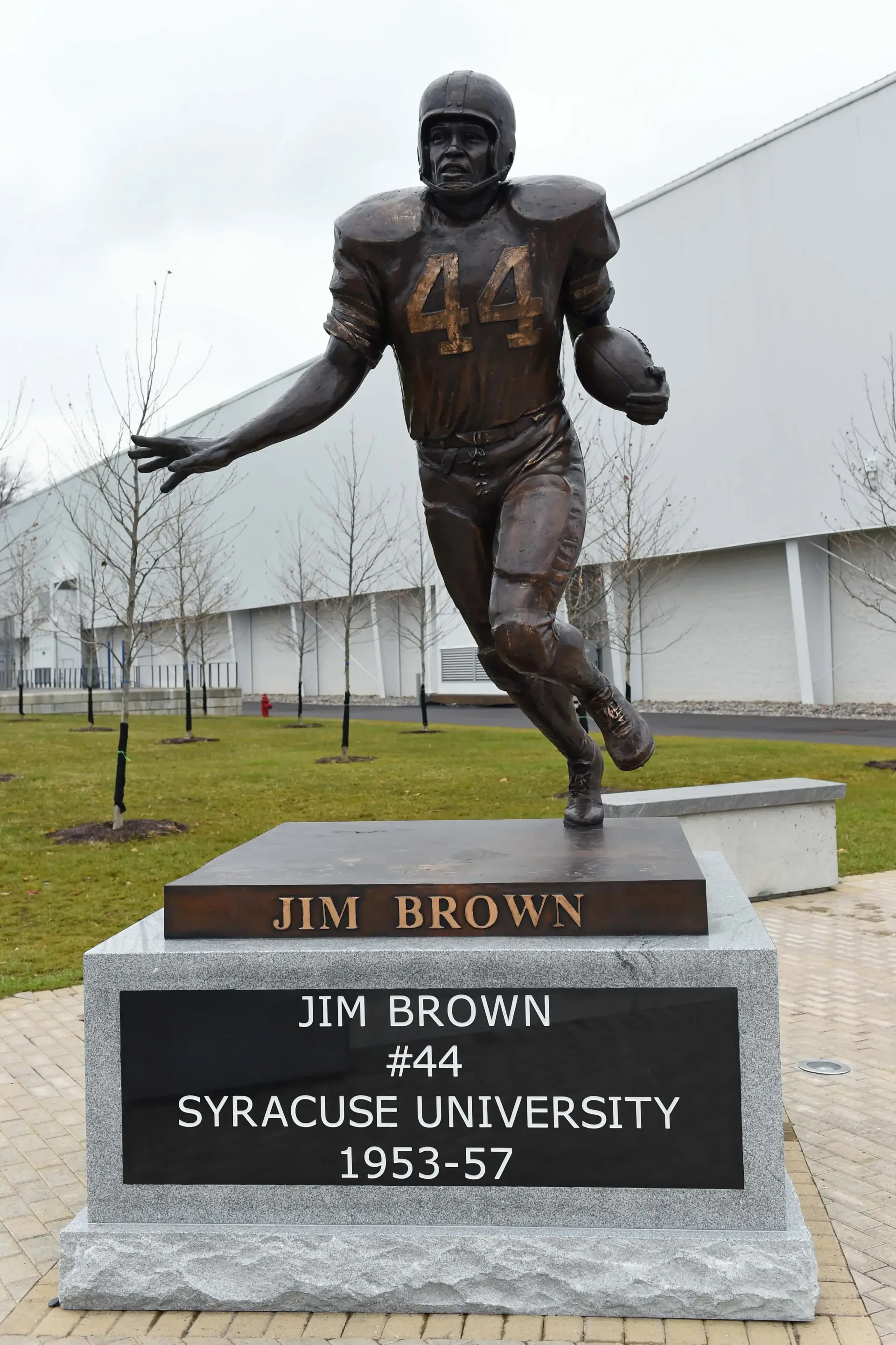
Football’s cultural footprint also extends into physical fandom, including cards and memorabilia. For a look at the collecting side of the sport’s legacy, see what major Jim Brown card sales reveal about football-card value.
What the game says about Netflix’s live ambitions
The Thanksgiving Eve experiment sits within a larger live-programming strategy. Netflix has positioned big live moments—from boxing to NFL games and other special broadcasts—as “water-cooler” events: programming intended to generate simultaneous viewing and immediate conversation. The phrase is shorthand for shared cultural attention, the thing on-demand libraries can struggle to produce because audiences watch different titles at different times.
Live sports offers a direct answer to that problem. A playoff chase does not wait for a viewer’s personal schedule, and neither does a halftime performance designed to be watched in the moment. That urgency can make live programming valuable to a subscription service even when it only hosts a limited number of events.
The stakes grow further with the FIFA Women’s World Cup. Netflix holds rights to the 2027 and 2031 tournaments, and has described the 2027 competition in Brazil as its most ambitious live project: 30 straight days, 64 matches and up to eight hours of daily programming in the United States and Canada. The company has been planning for two years.
There is a clear operational lesson in the NFL work. A standalone game is not the same thing as a month-long tournament, but both require reliable live production, a programming identity, and a way to make viewers feel an event is bigger than a single match. Holiday NFL windows give Netflix chances to develop that event-making muscle before a far more sustained global sports commitment.
For now, the immediate question is simpler. Can Rams-Packers, U2 and a holiday-adjacent food-and-football presentation persuade viewers that Wednesday night belongs on the NFL calendar? The league has historical strength on Thanksgiving, growing proof of concept on Black Friday and Christmas, and a competitive game to lead the way. Netflix has the global distribution, a finite but increasingly prominent slate of NFL dates, and a recognizable band intended to turn the interval between halves into its own headline.
If the audience embraces the format, Thanksgiving Eve will have done what a new sports-media window needs to do: become more than a scheduling experiment and start to feel like a tradition.