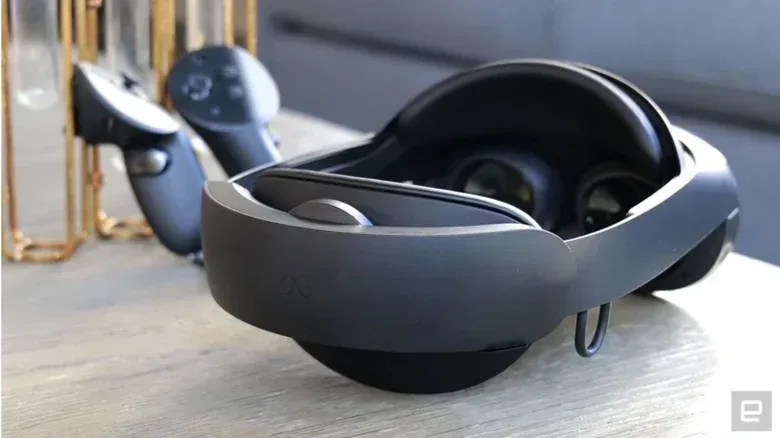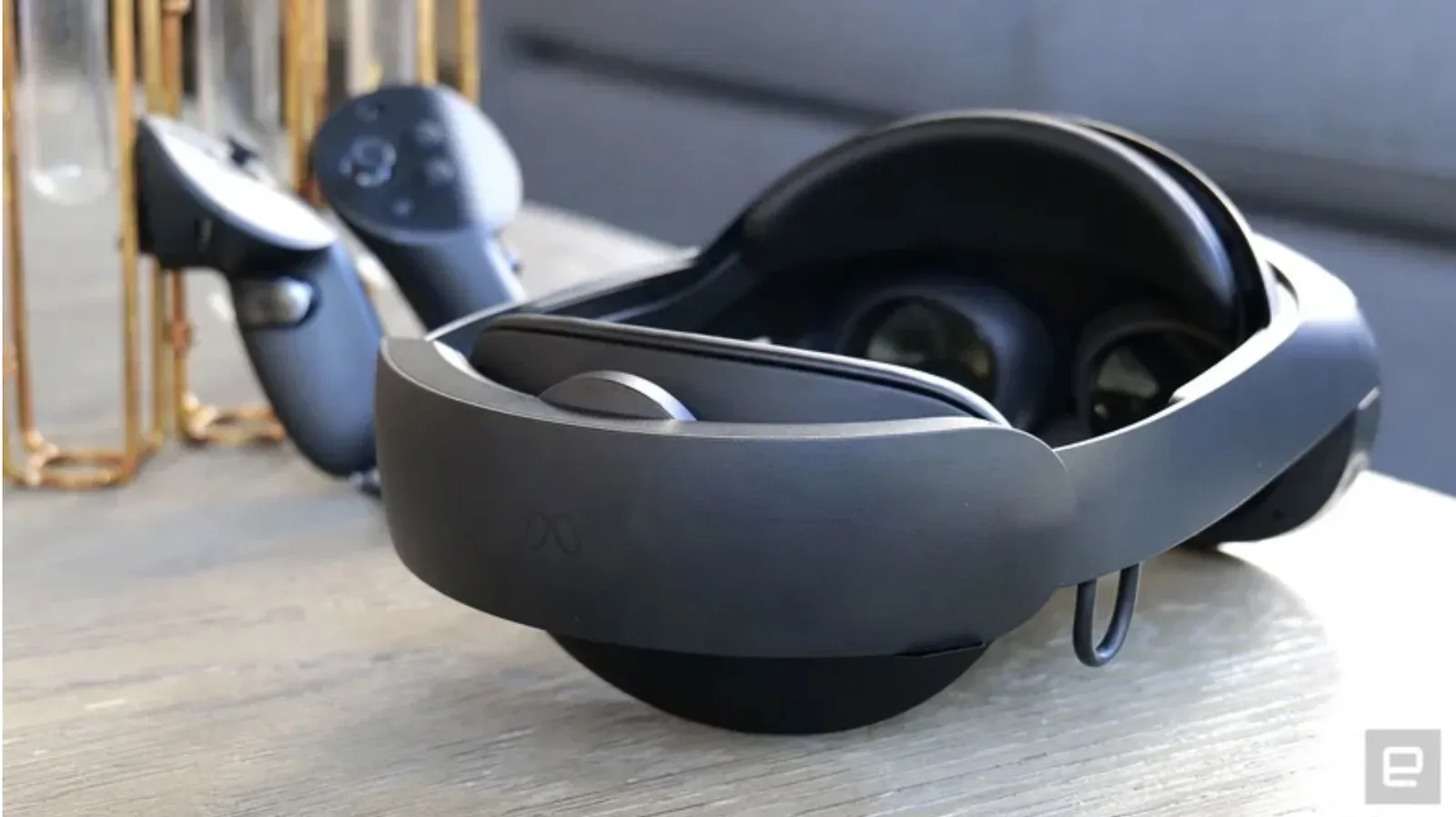
Meta is drawing a clearer line around the next stage of its VR hardware transition. The company says the Quest 2 and Quest Pro will receive their last operating-system feature updates in March 2027, placing both headsets at what it calls the end of feature development.
That wording matters because it does not mean the devices will abruptly stop working, lose their app libraries, or become isolated from newer Quest hardware on that date. Meta says it will continue delivering security patches and bug fixes through the end of 2027. The app stores will remain open, users will still be able to purchase apps, and cross-play with Quest 3 and Quest 3S will continue after feature development ends.
There is, however, a firm deadline on new software submissions. December 2027 will be the final opportunity for developers to submit new apps for Quest 2 and Quest Pro. Existing apps may still be updated after Meta ends support for the hardware.
For the millions of people still using the two headsets, the roadmap is more measured than a sudden cutoff—but it is also an unmistakable notice that the platform holder’s active development focus has moved elsewhere.
What “end of feature development” actually means
Feature development is the part of operating-system support that brings new capabilities, interface changes, platform additions, and other improvements beyond basic maintenance. Once Quest 2 and Quest Pro reach their final OS update in March 2027, owners should not expect the headsets to keep receiving those kinds of additions.
Security patches and bug fixes are different. A security patch addresses flaws that could affect the safety or integrity of a device, its software, or user data. A bug fix targets a defect that causes a feature to malfunction or behave unexpectedly. Meta’s commitment to provide both through the end of 2027 gives the headsets a maintenance period after their final feature update.
That distinction is especially useful for owners planning what to do next. March 2027 is the cutoff for new operating-system features. It is not, based on the stated plan, the date at which the hardware becomes unusable. The end of 2027 is the more consequential support boundary for fixes and security maintenance, while December 2027 is separately important to developers because it ends new-app submissions for the two devices.
The dates Quest 2 and Quest Pro owners should know
- March 2027: Final OS updates are scheduled for Quest 2 and Quest Pro. This marks the end of feature development.
- Through the end of 2027: Meta plans to provide security patches and bug fixes.
- December 2027: Last chance for developers to submit new apps for the Quest 2 and Quest Pro.
- After support ends: Existing apps can still receive updates, apps remain available for purchase, and cross-play with Quest 3 and Quest 3S continues.
Those are related timelines, but they are not identical. A headset can be past feature development while still receiving maintenance updates. Similarly, the deadline for entirely new app submissions does not mean an app already available on the platform is frozen in place. Meta’s plan explicitly allows existing apps to continue receiving updates.
The practical picture for players
For a current Quest 2 or Quest Pro owner, the immediate implication is continuity rather than an urgent change. Purchased software remains purchasable, and shared multiplayer access with Quest 3 and Quest 3S users is set to continue. Cross-play refers to people on different hardware generations being able to play together in the same supported game or service. Keeping that bridge intact helps prevent older-headset owners from being automatically separated from friends who have moved to newer Quest devices.
The longer-term implication is more cautious. New OS-level features will stop arriving after March 2027, and the planned maintenance period ends at the close of that year. Players who depend on future platform capabilities, or who want access to new apps that arrive after the submission cutoff, will need to watch how individual developers handle compatibility and where Meta places future platform investment.
It is also worth separating what has been confirmed from what has not. Meta has confirmed continuing app purchases, updates for existing apps, cross-play with Quest 3 and Quest 3S, and the listed support windows. It has not, in the information available here, set out a title-by-title compatibility forecast for every future release. Whether a particular new game or app supports an older headset remains a decision that can depend on that software’s developer and technical requirements.
Why the developer deadline is significant
The December 2027 cutoff is the clearest sign that Quest 2 and Quest Pro are moving out of the active launch target for brand-new software. A developer submission is the process of sending an app to the platform for release. Ending new submissions eventually limits the flow of freshly launched apps that can arrive natively on these devices.
But Meta’s allowance for updates to existing apps creates a meaningful distinction. Developers maintaining an established Quest 2 or Quest Pro app can continue supporting it after the end-of-support milestone. In practical terms, that leaves room for ongoing maintenance, fixes, and updates to software already on the store, even though newly submitted apps will no longer be accepted for the headsets after December 2027.
That policy avoids treating legacy support as a simple on-or-off switch. The hardware is being retired from feature development and new-app intake, yet its existing catalog is not being erased. For players, that helps preserve the value of the software they already own. For developers, it leaves a path to look after installed users rather than forcing every existing project to end at the same date as new submissions.
Quest 2 and Quest Pro are on different paths, but share this support change
The Quest 2 launched in 2020, while Quest Pro arrived in 2022. They are distinct devices with different places in the Quest lineup, but Meta is applying the same end-of-feature-development schedule to both. That shared timing makes the announcement a platform-policy shift, not merely a change tied to one isolated headset.
Meta says millions of people are still using Quest 2 and Quest Pro. The continuing store access and cross-play commitment acknowledge that installed audience. At the same time, the company’s future-facing direction is apparent in its ongoing Quest 3 and Quest 3S support and the addition of Meta VR Glasses to its wearables lineup.
For buyers and players, product-support announcements like this are a useful reminder that a headset is both a physical device and an evolving software platform. The headset may remain operational long after the feature roadmap ends, but the experience is shaped by OS support, store policies, developer compatibility decisions, and multiplayer connectivity. Here, Meta has specified favorable continuity on several of those points: access to the store, existing-app updates, and play across Quest generations.
What owners should do before the transition
There is no stated need for Quest 2 or Quest Pro owners to take immediate action. Still, a few common-sense steps can make the eventual transition easier.
- Keep the headset updated. Install the available OS updates, especially while security patches and bug fixes are still scheduled to arrive through 2027.
- Track the apps you rely on. If particular games, social spaces, fitness tools, or media apps are important to you, check their developer communications as the deadlines get closer. Meta’s policy permits updates to existing apps, but future compatibility is not guaranteed on a universal, app-by-app basis.
- Understand the dates rather than assuming a shutdown. March 2027 ends feature updates; it does not end store access or cross-play. December 2027 ends submissions of new apps for these headsets and marks the end of the stated security-and-bug-fix window.
- Plan any hardware decision around your own library and needs. The announcement does not require an immediate replacement. The relevant question is whether the software and platform features available after the transition still suit the way you use VR.
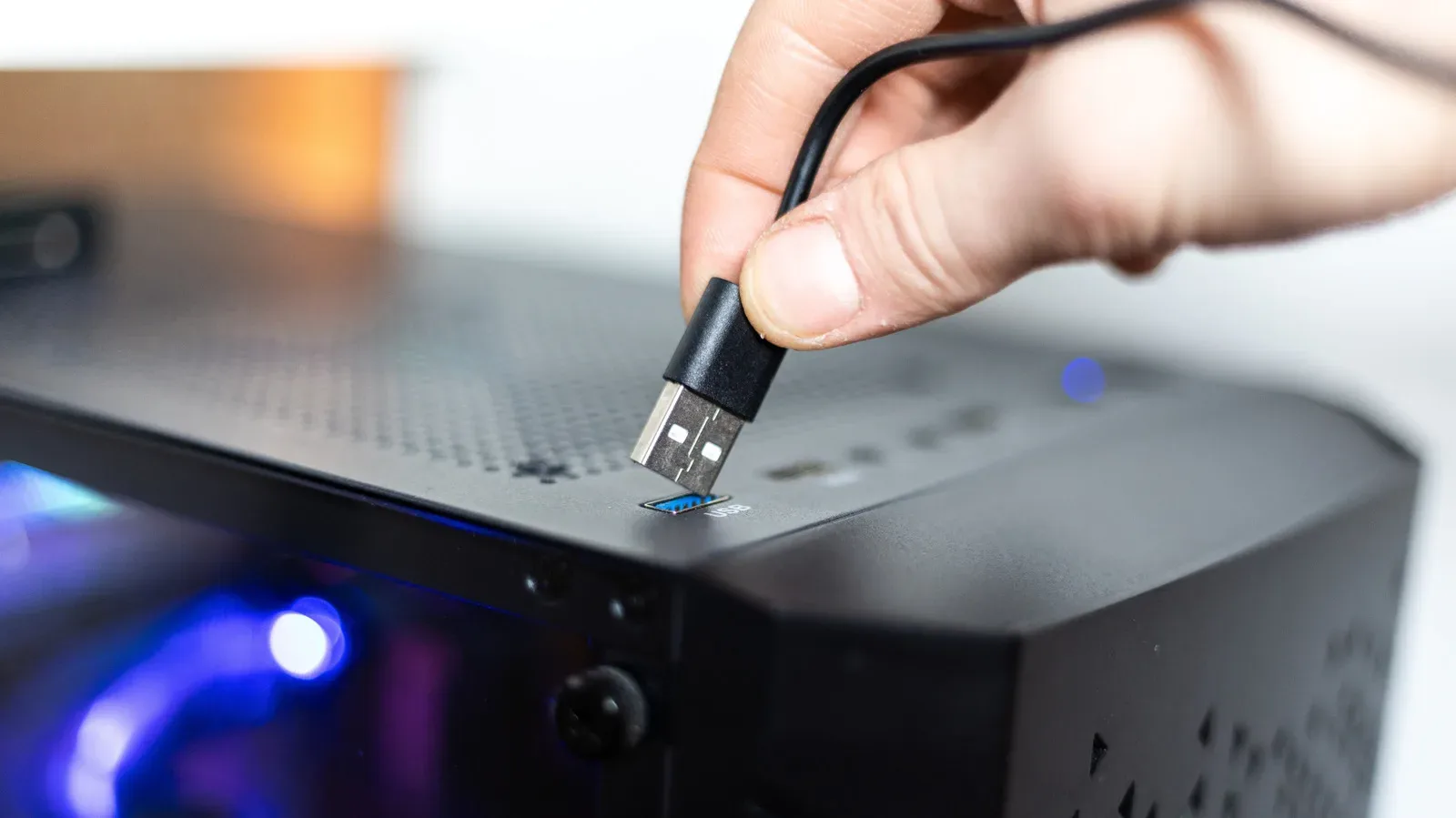
Anyone using VR alongside other hardware should also pay attention to the practical side of connections and accessories. Our guide to why desktop front USB ports may be the wrong choice for VR and other demanding gear covers the broader issue.
A sunset with meaningful continuity
Meta’s Quest 2 and Quest Pro timeline is a sunset plan, but not an instant lights-out event. The company has separated the end of new features from the end of security maintenance, kept the stores open, retained cross-play with Quest 3 and Quest 3S, and allowed existing apps to continue receiving updates. Those commitments give existing owners time and preserve much of the practical usefulness of their libraries.
The limits are just as important: final OS feature updates arrive in March 2027, security and bug-fix support runs only through the end of that year, and developers lose the ability to submit brand-new Quest 2 and Quest Pro apps in December 2027. Meta is maintaining a bridge for the current audience while directing the platform’s future toward newer hardware and its broader wearable plans.