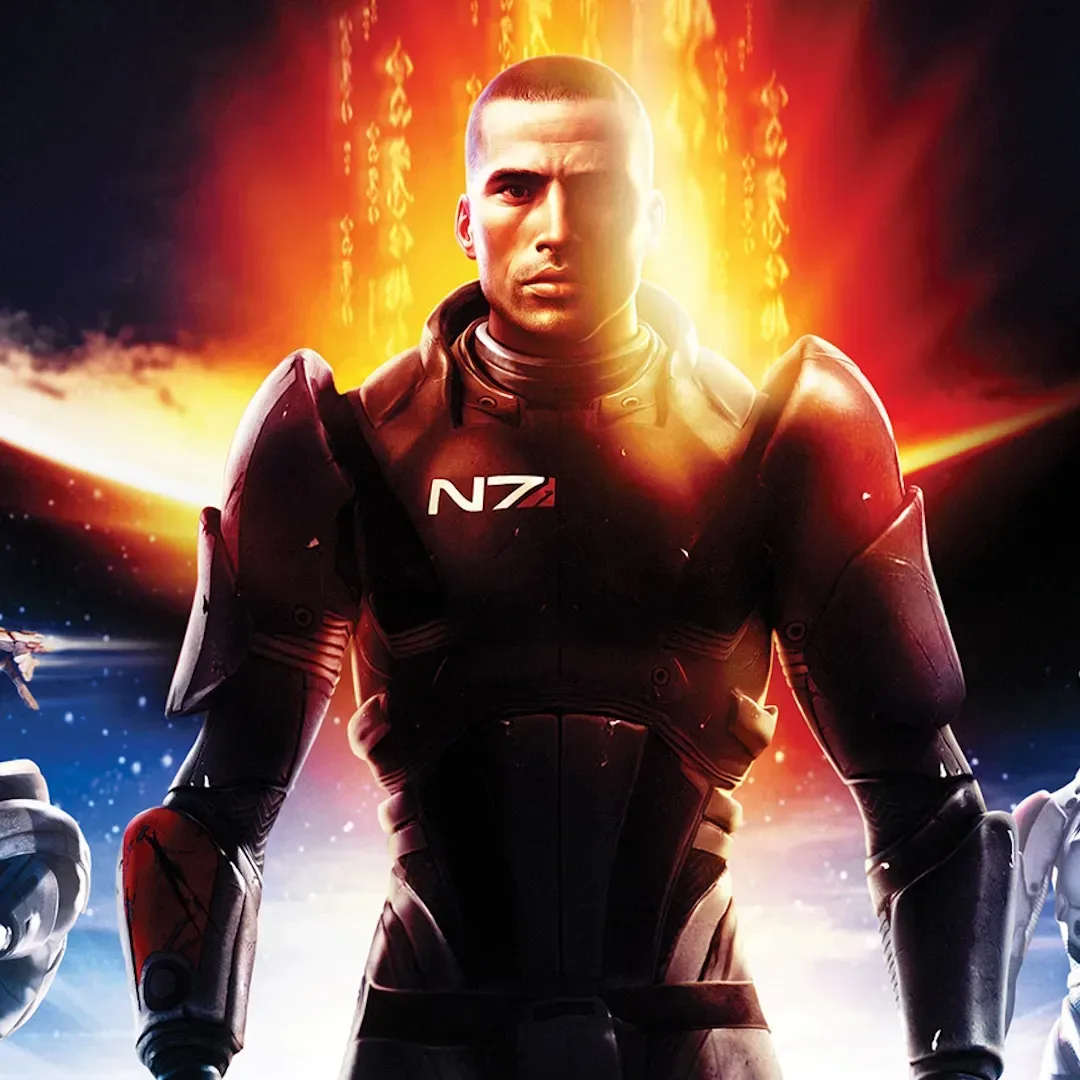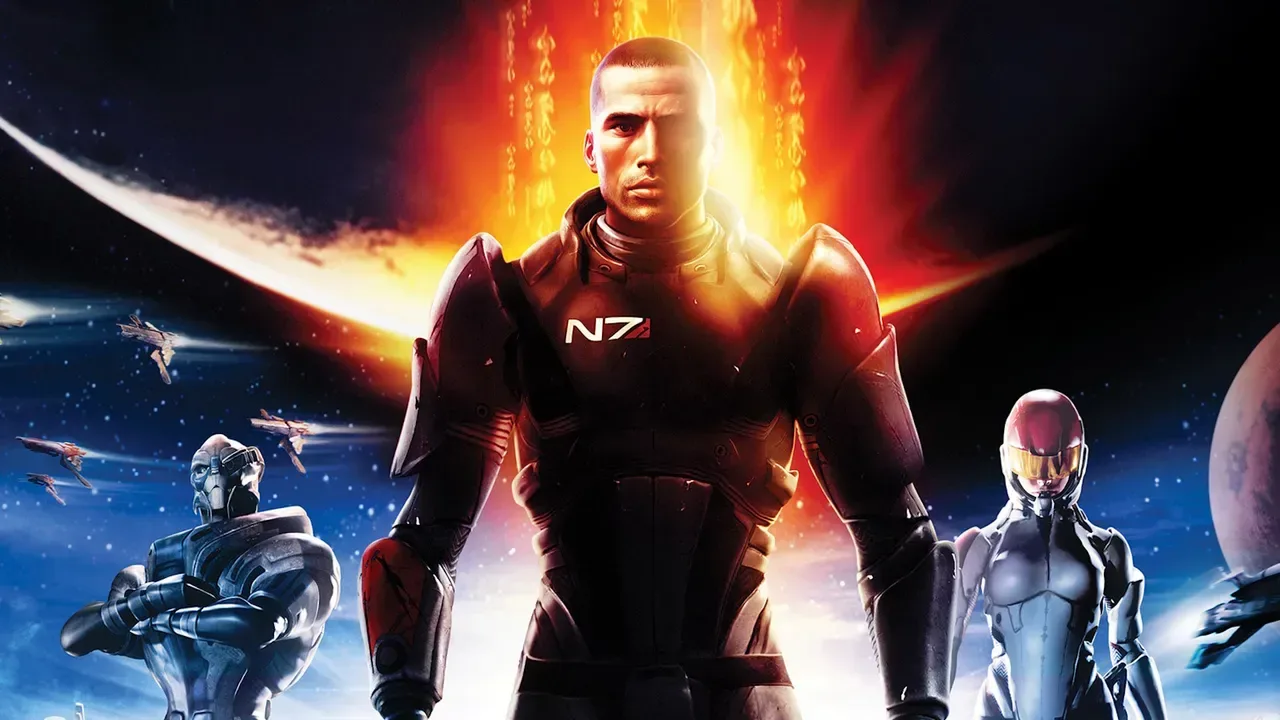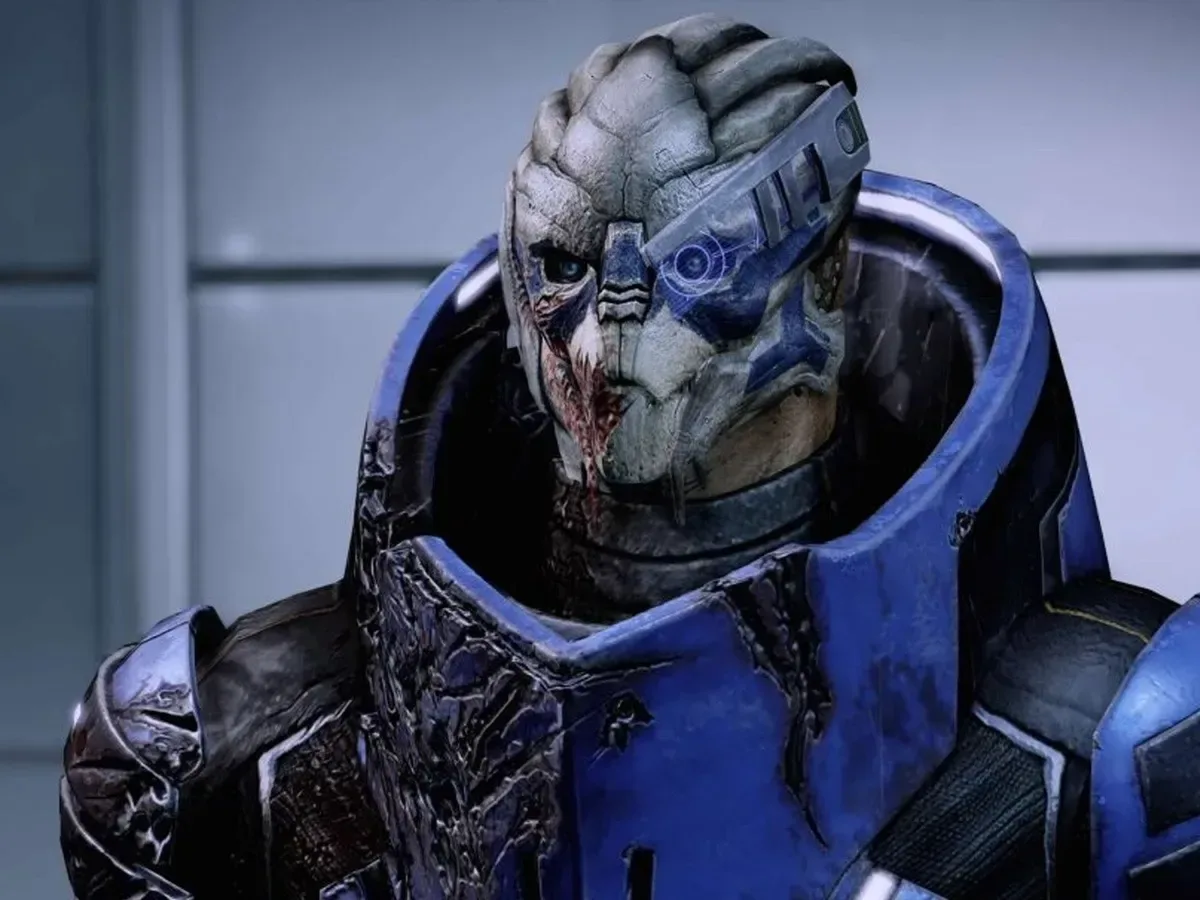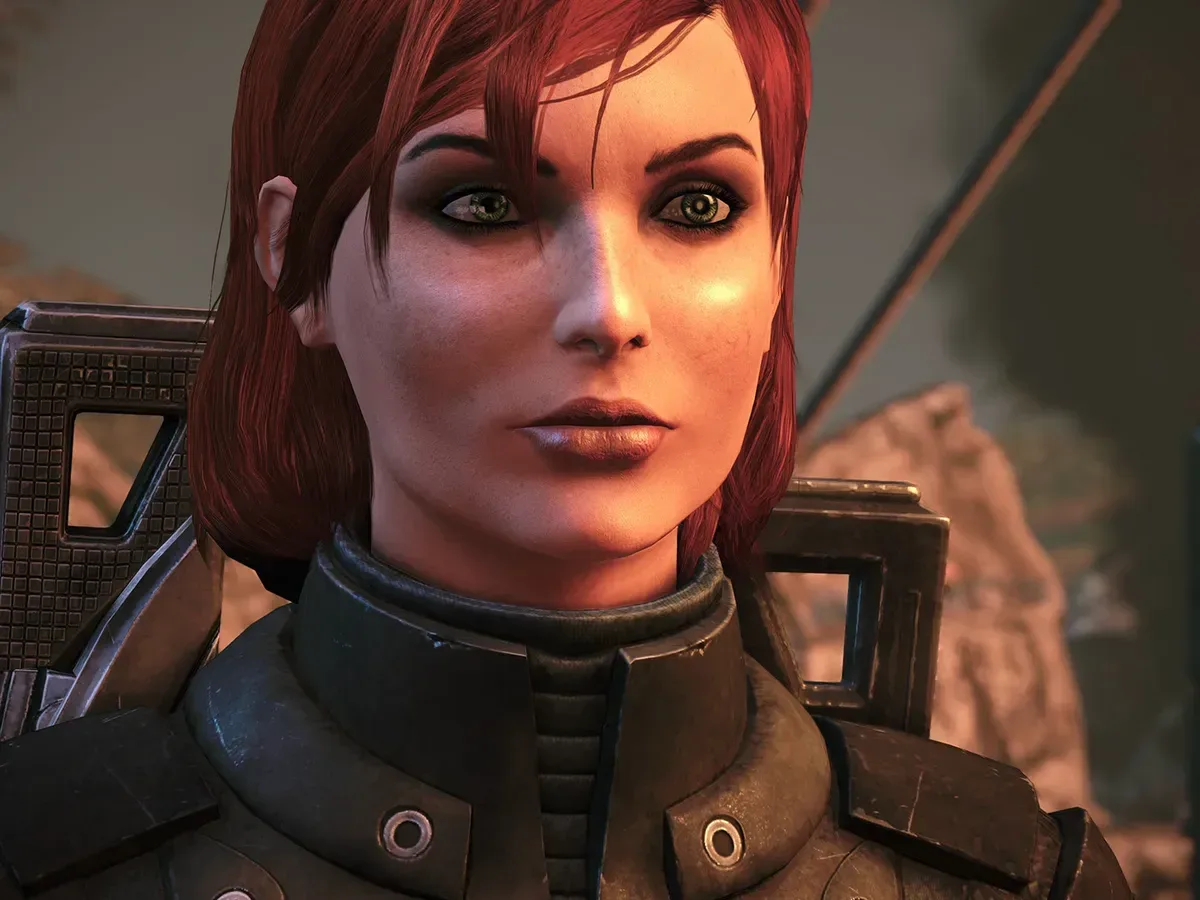
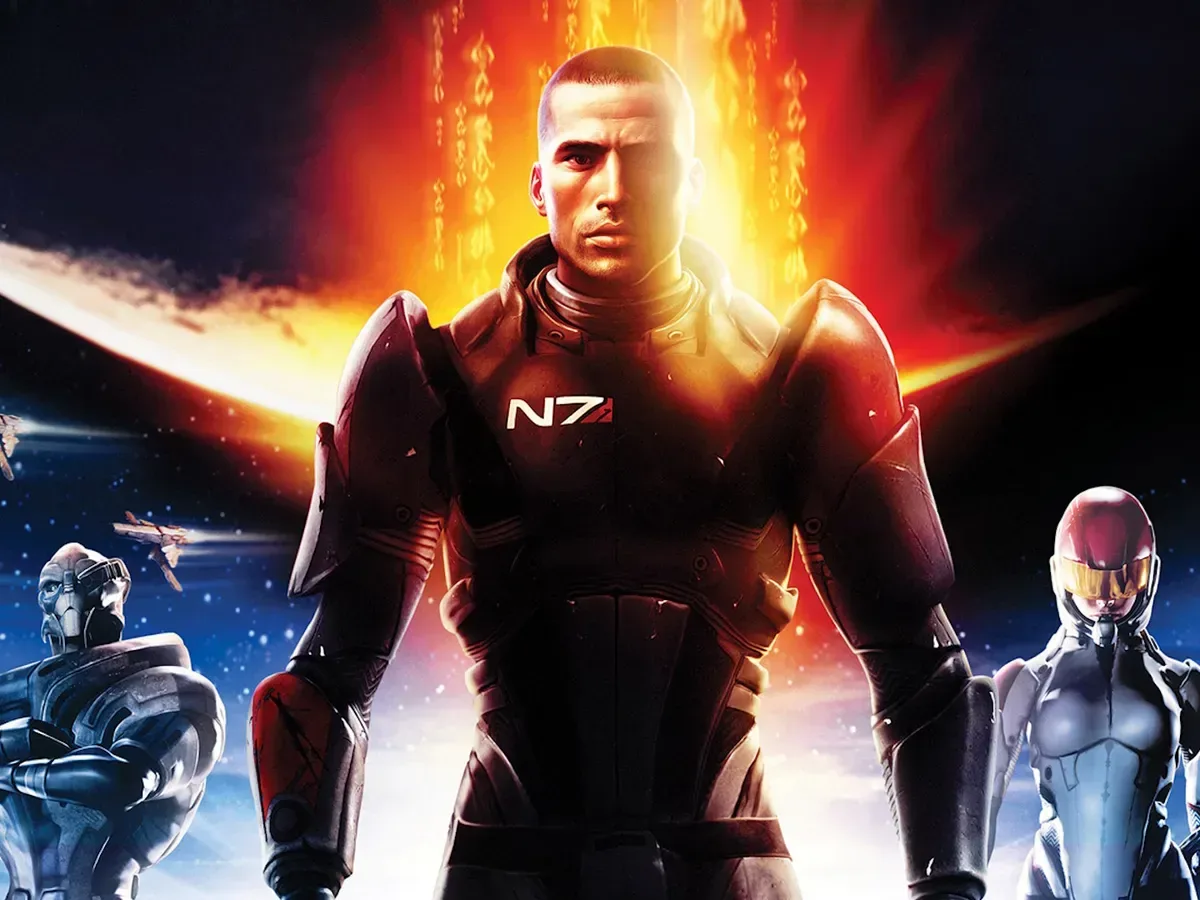
N7 Day has become an unusually somber date for Mass Effect fans. With BioWare shuttered, Mass Effect 5 canceled, and the game side of the series placed on an indefinite hold, the franchise’s annual November 7 celebration has no official program to rally around this year. In its place, performers, creators and community organizers have assembled a clear, public message: Save Mass Effect.
An unofficial fan group called We are Mass Effect coordinated a two-minute video featuring people closely associated with the series. Composer Sam Hulick appears alongside Jennifer Hale, who played Commander Shepard/FemShep; Mark Meer, the voice of Commander Shepard/MaleShep; Ash Sroka (Tali’Zorah); Keythe Farley (Thane); Kimberly Brooks (Ashley); Steve Blum (Urdnot Grunt); and Brandon Keener (Garrus), among others. The participants each add their voice to the campaign’s central call in the wake of the studio closure.
It is an emotional response, but it is also a deliberate piece of fan organizing. The video puts the people who gave the series much of its sound and personality at the center of an effort to keep attention on a franchise that no longer has an active game project. That distinction matters: the campaign is not a promise of a revival, nor evidence of a new owner or a new development plan. It is a highly visible demonstration that there remains an invested audience—and that the people who helped make the games continue to care about the universe.
A squad reunion built around a simple message
We are Mass Effect organizer Mer described the process of bringing performers into the video as resembling Shepard’s squad recruitment in Mass Effect 2. In practical terms, that means the campaign came together participant by participant, with Mark Meer helping the organizers connect with others. Mer also said the contributors repeatedly thanked the organizers for creating the initiative, even as the organizers viewed the performers’ time and participation as the generous act.
The comparison to gathering “War Assets” is another knowingly fitting reference for the community. In the games, War Assets are resources assembled toward a larger shared objective. Here, the phrase is metaphorical: individual messages, signatures and public displays are being accumulated to make the franchise’s cultural footprint harder to ignore. None of those actions can independently restore a canceled project. Together, however, they can turn grief over a closure into an organized record of demand and appreciation.
“Everyone involved, from the people who made these games to the people who brought their characters to life, cares deeply about this universe,” Mer said while discussing the video’s production.
That is why this particular N7 Day message lands differently from a standard anniversary post. The performers are not promoting a newly released expansion, a remaster, or a confirmed sequel. They are participating in a fan-led campaign during a moment when the future of the games is explicitly uncertain. The appeal is therefore about preservation as much as continuation: preserving public interest in the setting, preserving recognition for the people who made it, and preserving the possibility that something connected to its creative legacy may emerge later.
Petitions and billboards take the campaign beyond social media
The video is one part of a wider #SaveMassEffect push. Footage and details relating to the canceled Mass Effect: Universe appeared online shortly after the franchise was halted, adding more fuel to community frustration. A petition connected to the effort has passed 310,000 signatures. Separately, a Canadian politician has initiated a government petition focused on saving BioWare.
Related coverage includes Mass Effect Cast Marks N7 Day With Campaign to Save the Series.
It is worth being precise about what a petition signifies. A large signature total is a useful expression of public sentiment and a way to give dispersed fans a collective focal point. It does not itself compel a company to reopen a studio, resume a canceled game, sell an intellectual property, or hire former staff. The same is true of a government petition: it can put an issue into a formal public channel, but it should not be mistaken for a guarantee of a business outcome. The campaign’s value lies in visibility and pressure, not in an automatic mechanism for a rescue.
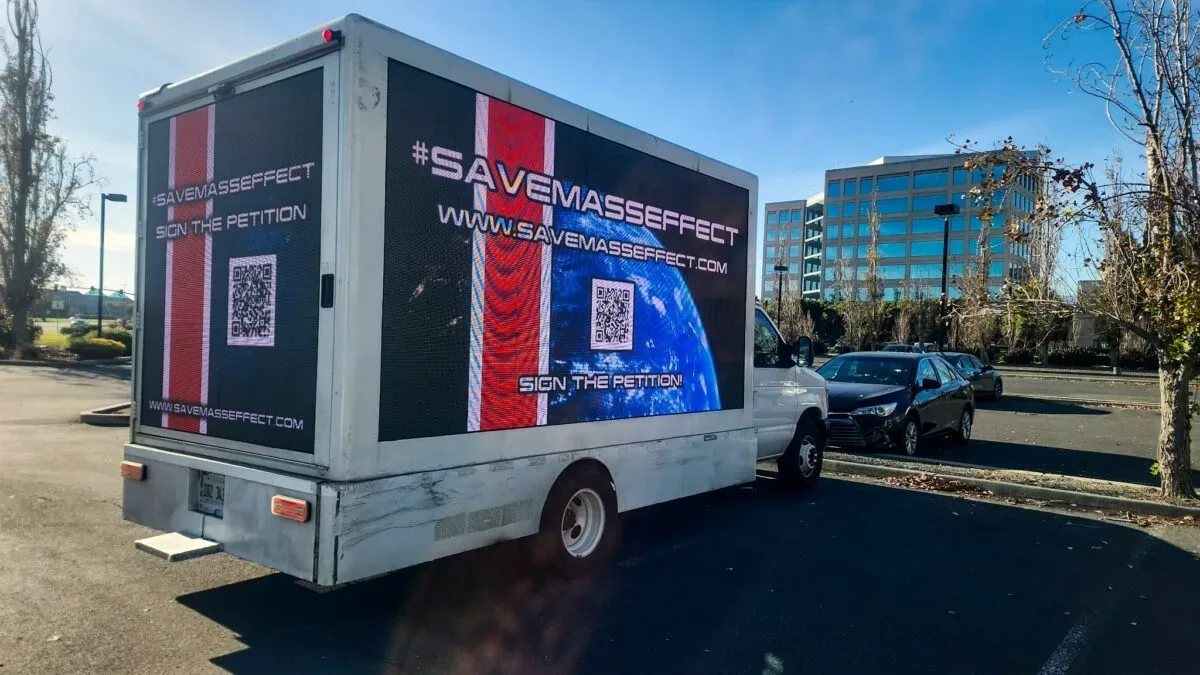
We are Mass Effect has also chosen physical advertising to make its case. The group previously funded a #SaveMassEffect billboard in Times Square. It then sent a mobile billboard around EA’s Redwood City headquarters. Additional billboards are now appearing near the former BioWare office in Edmonton, Alberta, and another is planned around The Game Awards next month.
These placements are strategically distinct from a hashtag. A social-media campaign can travel rapidly but is easy to scroll past; a billboard is location-based and conspicuously public. The Times Square screen signals scale to a broad audience, while a mobile display outside a publisher headquarters directs the message at the company associated with the decision. The Edmonton placement carries a different kind of weight, acknowledging the former studio space and the workers whose careers and work were tied to it. A placement near The Game Awards, meanwhile, seeks the attention of a major industry audience already gathered to talk about games.
Not every fan response has taken the same form. Some people have called for a boycott of EA, while others have focused their energy on petitions and the billboard campaign. Those are materially different approaches. A boycott is a consumer action intended to withdraw support; advocacy efforts seek to persuade through public attention. Neither should be conflated with a confirmed path to the series’ return. They do show, though, that the closure has produced a response extending beyond nostalgia posts and commemorative fan art.
What “indefinite hold” means—and what it does not
The phrase indefinite hold is important because it describes uncertainty rather than a timetable. There is no stated end date in that wording. For fans, that means there is no basis to infer a release window, a replacement developer, a new publisher strategy, or a guarantee that the canceled fifth game will be restarted in a revised form. Any of those outcomes would require developments not established by the campaign itself.
Yet an indefinite hold is also why a visibility drive can feel urgent to its supporters. Once a series is no longer actively being made, the community’s challenge becomes keeping interest legible over time rather than simply waiting for marketing to resume. Cast participation helps because it establishes that the campaign is more than an anonymous online trend. It connects the message to familiar voices and creative contributors without pretending they control the franchise’s rights or business decisions.
Former project director and executive producer Michael Gamble also shared an N7 Day message with fans. His involvement adds another sign of personal attachment from someone who held a senior role on the project, but it should likewise be read as a message of solidarity rather than a formal update on the series’ status.
Developers join the tribute
Support has also come from outside the immediate Mass Effect cast and community. Owlcat Games, which is developing the Mass Effect-inspired RPG The Expanse: Osiris Reborn, released a video reflecting on BioWare’s influence. Creative director Alexander Mishulin said people at the studio had dreamed of playing Mass Effect 5 and expressed hope that BioWare’s developers would find new homes where they could build further worlds and adventures.
That message makes an important distinction. Mishulin did not suggest that another studio could simply make Mass Effect in BioWare’s absence. Instead, he spoke about the people behind the work and the possibility that their skills and ideas could lead to something different. Intellectual property, studios, individual developers and creative influence are not interchangeable things. A closed studio can end a particular production structure, while the artists, designers, writers, performers and technical staff associated with it may still shape future games elsewhere.
For players who want to keep engaging with the series while following the campaign, the existing community has its own ongoing work, including modding. That activity comes with complications of its own, especially as AI tools enter the scene; our report on why AI-assisted changes can become a maintenance problem explores the issue in more detail in this look at the challenges facing Mass Effect modders.
The practical meaning of this N7 Day
This year’s N7 Day is not built around a product announcement. It is a memorial-like celebration of a living community: a cast video, petition signatures, digital advocacy, billboard placements and messages from peers across the industry. The campaign’s immediate accomplishment is not a confirmed rescue. Its accomplishment is coordination. It has translated a scattered sense of disappointment into a recognizable, sustained public message.
That message is aimed at more than the brand name. Mer’s comments repeatedly emphasize the people who built the games and brought their characters to life. Owlcat’s tribute similarly centers the hope that those developers can continue creating elsewhere. In a period when fans are understandably focused on what has been canceled, the campaign also insists on remembering who made the work matter in the first place.
For now, the established facts remain stark: BioWare has been shuttered, Mass Effect 5 has been canceled, and the game franchise is on hold without a specified endpoint. The #SaveMassEffect campaign cannot erase that reality. But the participation of recognizable cast members, the scale of the petition and the willingness to carry the message into physical spaces demonstrate that the series’ audience is not quietly accepting its disappearance from the active games landscape.