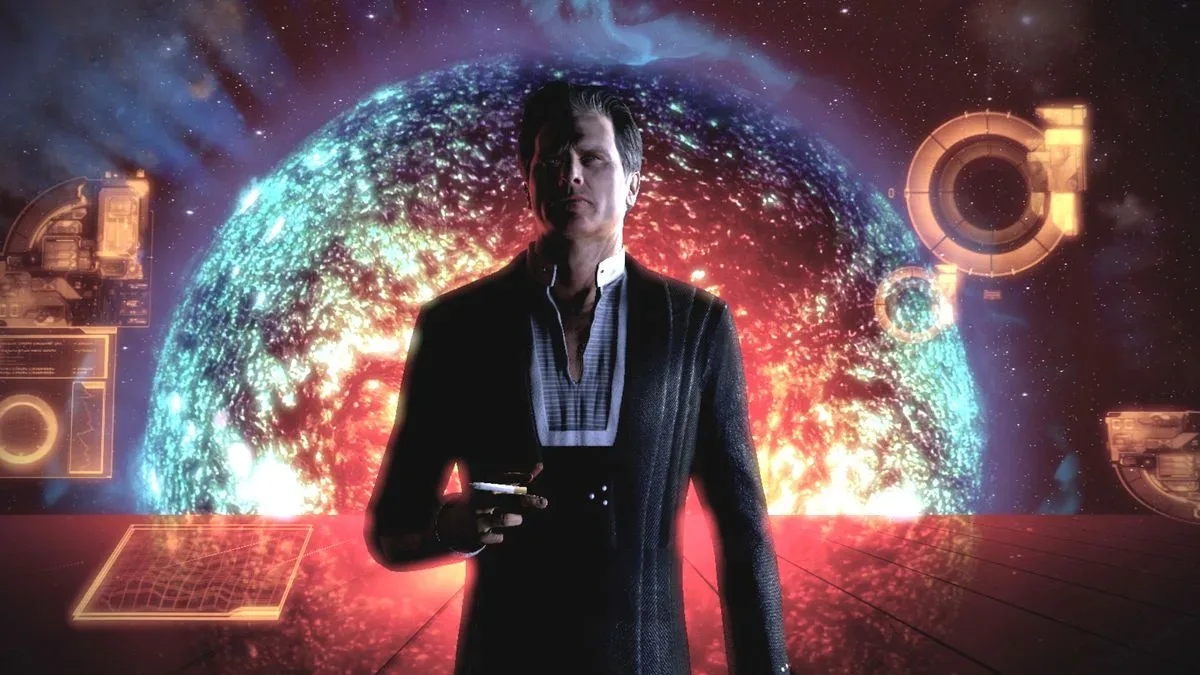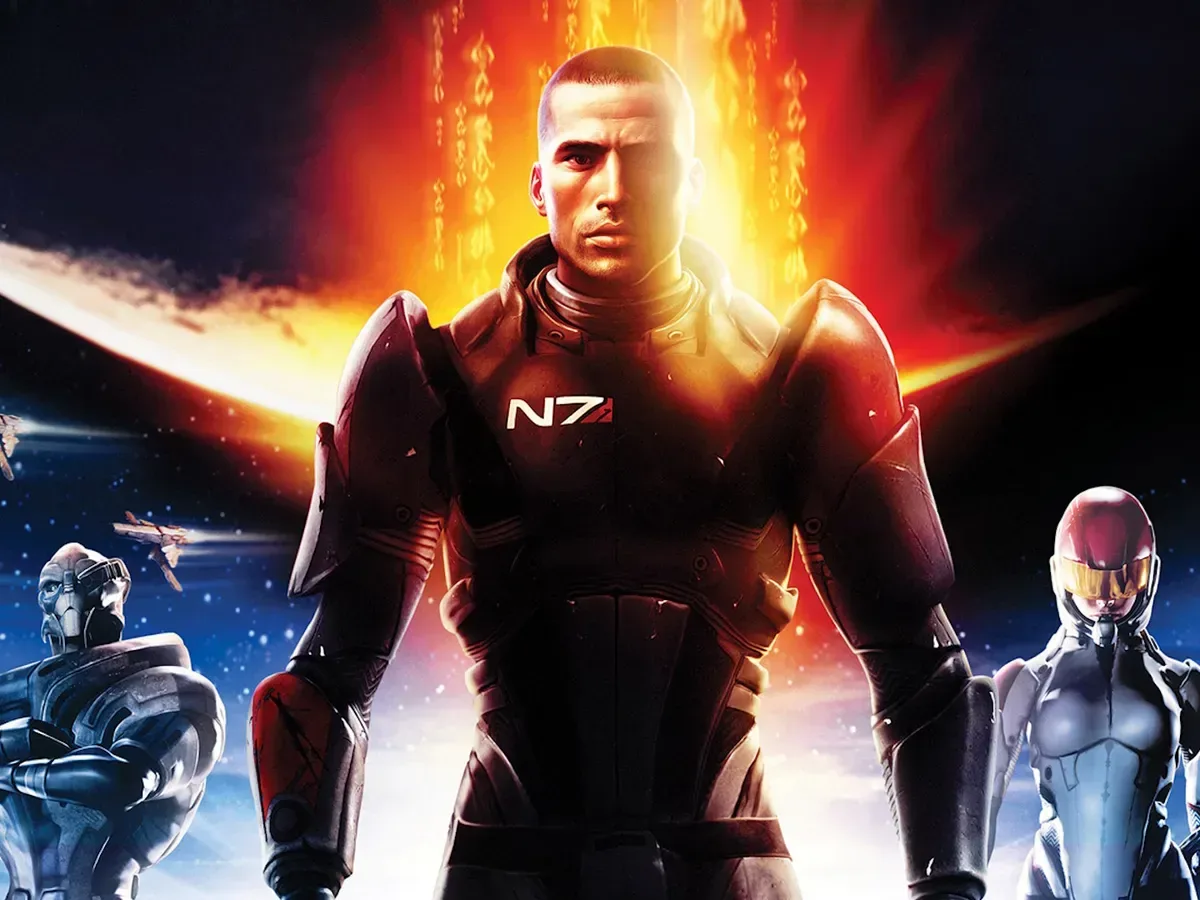
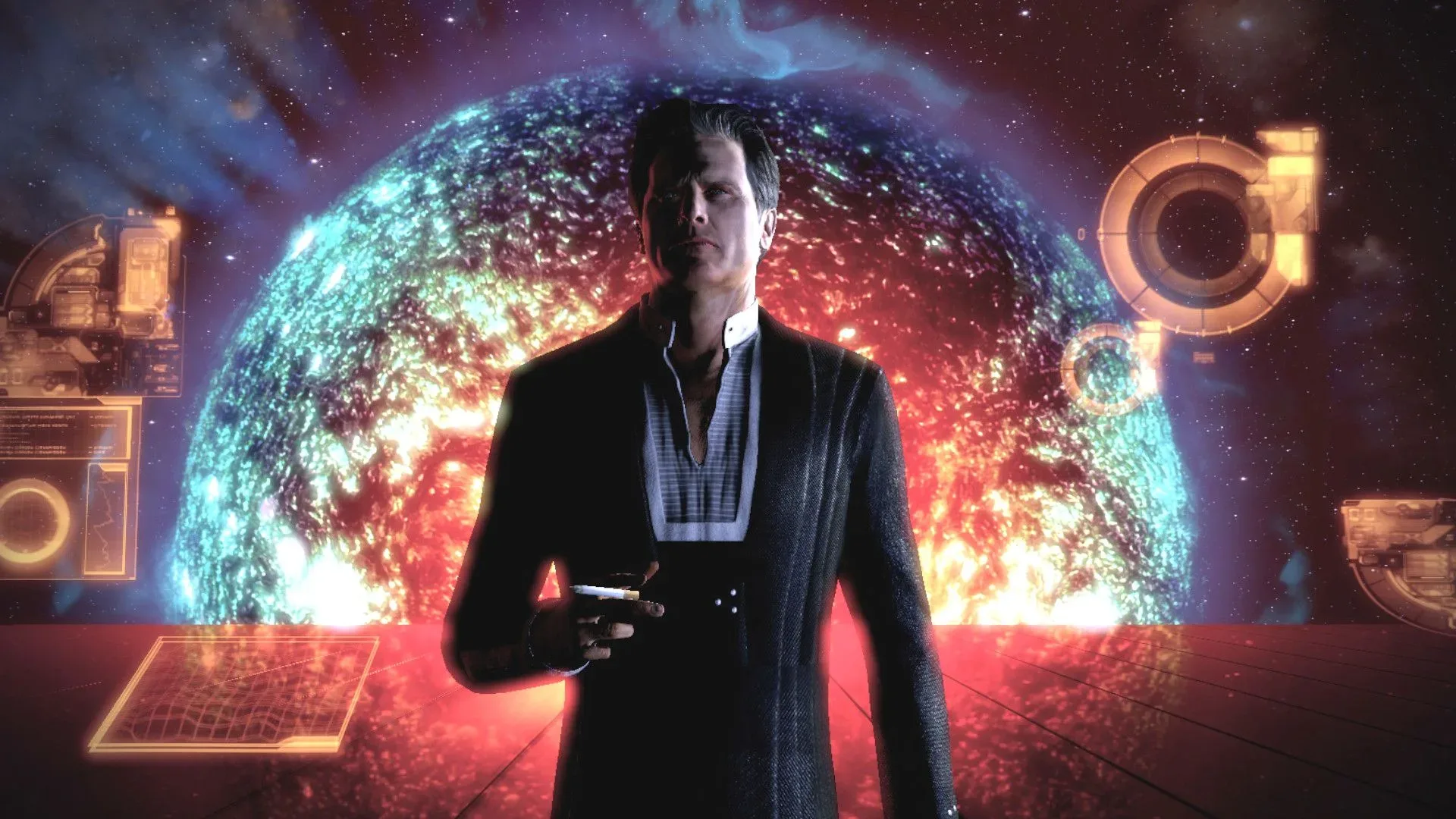
Mass Effect 2 arrived after an unusually short turnaround for a major role-playing game: 26 months separated the releases of Mass Effect and its sequel, while former lead designer Christina Norman characterizes the sequel itself as having come together successfully in 18 months. That contrast is striking beside an industry where headline franchises can now go many years between mainline entries.
Norman’s account is not a magic formula, nor evidence that every ambitious game ought to be made on an 18-month clock. It is, however, a valuable explanation of what made one compressed production more manageable: a stable core team, a known deadline, lessons already learned with the technology, aggressive control of what the game would attempt, and a willingness to use player feedback as a design filter.
The details matter because they push back against the easy explanation that speed is simply a matter of asking people to work faster. The account instead describes decisions that reduce uncertainty and prevent work from being built only to be discarded later. That distinction is central to understanding why a sequel can move swiftly without treating development as a race against a stopwatch.
A sequel built by people who already knew the first game
The first factor Norman highlighted was continuity. The core Mass Effect 2 team was the same team that had shipped Mass Effect. Teams can experience considerable turnover, but the developers making the sequel retained shared experience of the original project: what had been difficult, which decisions had already been tested, and where the series needed to change.
That is not the same thing as saying a studio merely “kept everyone” or that personnel continuity alone produces a good game. Norman’s point is narrower and more useful. A returning core team did not need to rediscover the project’s basic language from scratch. The group could start from a common understanding of the first game and direct more of its time toward improving the follow-up.
In practical development terms, continuity can reduce what might be called organizational ramp-up: the period spent transferring knowledge, aligning teams on processes, and rebuilding confidence around how a project is made. That is especially meaningful on a sequel. The first installment establishes a production history as well as a fictional universe. A returning team has firsthand knowledge of both.
It also gives a short schedule a clearer foundation. A fixed timeframe is much easier to plan around when the people responsible already know the tools, the pipeline and the kinds of problems that previously consumed time. Norman said the team knew the timeline in advance; that allows planning to begin with constraints rather than treating them as a late-stage emergency.
Experience with Unreal reduced a major unknown
Norman also pointed to technical learning from Mass Effect’s development in Unreal. She said the first game involved many mistakes while the team was learning to build in the engine, whereas the Mass Effect 2 team came in knowing how to work with it.
Related coverage includes Mass Effect 2's 18-Month Development Offers a Sharp Lesson for Modern AAA Games.
An engine is the shared technology used to build a game: the foundation that supports the game’s systems and content. Knowing an engine does not make the creative work automatic, but it can eliminate a substantial category of uncertainty. Teams no longer have to learn every production lesson during the project itself.
That background helps explain why the sequel’s schedule should not be read as a standalone number. The 18-month account sits on top of experience earned during the earlier game. The technical work, mistakes and difficult choices from Mass Effect did not disappear; they became knowledge the returning team could apply. A sequel can therefore be faster in part because it is benefiting from work and learning that happened before its own production window began.
This is an important correction to simplistic comparisons between projects. Two games may use the same engine yet face entirely different levels of technical risk. The relevant question is not only which technology a team uses, but how familiar the team is with building its particular kind of game in that technology.
Limiting scope early was about avoiding waste
The clearest production lesson in Norman’s comments is scope control. Scope is the total set of features, content and ambitions a project commits to making. It is not a measure of whether a game is good, large or important. It is the boundary around what the team has agreed it can finish.
Norman described Mass Effect as a higher-scope project in which roughly half the work had to be cut in order to ship. The team disliked that outcome, she said, because it meant a great deal of completed or partially completed work did not make it into the game. For Mass Effect 2, the response was to cut scope “to the bone” early so that work would not be wasted.
That phrase may sound like a call for smaller games, but the more precise lesson is about timing. A project can be ambitious while still drawing its boundaries early. Late cuts are expensive because the removed feature may have already pulled in design, art, engineering, writing, testing and production work. Early decisions prevent that cascade. They make it possible for each discipline to focus on a shared target instead of preparing material for systems that may later vanish.
There is also a creative benefit. If the team knows what will not be in the game, it can spend more attention on the things that will. A hard limit can turn from a restriction into a prioritization tool. Rather than trying to preserve every idea, the project can identify which ideas best serve the intended experience.
That does not mean cutting is painless or that every early decision will prove perfect. Norman herself said Mass Effect 2 was not perfect. But an achievable plan has a different purpose from an exhaustive wish list: it gives a team a realistic route to a finished game.
Player feedback became a filter, not an afterthought
The final piece was audience response. Norman said the team listened to feedback on Mass Effect and used it to decide what to retain, remove and improve for Mass Effect 2. This is a more disciplined use of feedback than trying to implement every request. Feedback identifies friction, preferences and recurring concerns; development still requires choices about which signals fit the game’s goals and available time.
For a sequel, that feedback has special value because players have already interacted with the foundation. The team is not working from theory alone. It can assess what audiences connected with in the first game and where they believed the experience needed refinement. Combined with a tightly limited scope, that information can help teams spend their finite time on changes most likely to matter.
In other words, feedback was part of prioritization. It was not a promise that every criticism would be addressed. Norman’s description presents the sequel as a project that chose its improvements, rather than expanding endlessly in response to every possible demand.
Why the 18-month story should not become a blunt benchmark
Mass Effect 2 is widely regarded by many players as a high point of the series, though there is no universal agreement on which entry is best. That reputation makes the development timeline understandably compelling. Still, it would be a mistake to turn it into a universal demand that other large games should match the same cadence.
The evidence here supports a more grounded reading: the team had continuity from the first game, meaningful technical familiarity, a timeline established upfront, a deliberate approach to avoiding late waste, and a concrete body of player feedback. Those conditions helped make the schedule workable. Remove any of them, and the calendar number alone tells far less.
That is particularly relevant as long development cycles become a focal point across major games. The scale of modern flagship-game expectations remains an enormous challenge, and bigger ambitions tend to create more decisions, dependencies and opportunities for rework. Norman’s account does not deny that reality. It suggests that a team can protect itself from some of that complexity by deciding earlier what it is truly building.
What this means for the Mass Effect legacy
The comments arrive in a difficult context for the series. EA has cancelled Mass Effect 5 and shut down BioWare. At the same time, the original Mass Effect director has said they are optimistic the franchise will return, as continuing affection for BioWare’s RPGs surfaced around N7 Day.
There is no firm production roadmap in that sentiment, and optimism should not be mistaken for confirmation of a new game. But the renewed attention on Mass Effect 2 illustrates why its creation story still resonates. Fans are not only revisiting a beloved sequel; they are looking at a case study in how a team translated the lessons of one game into a more focused next step.
Norman’s explanation ultimately makes Mass Effect 2’s schedule feel less mysterious. The achievement was not a special kind of coffee, and it was not an argument that quality comes from cramming work into less time. It was the result of accumulated knowledge, a team able to use it, goals constrained early enough to be achievable, and a clear sense of what players wanted improved. Those are difficult conditions to create, but they are more actionable than nostalgia.