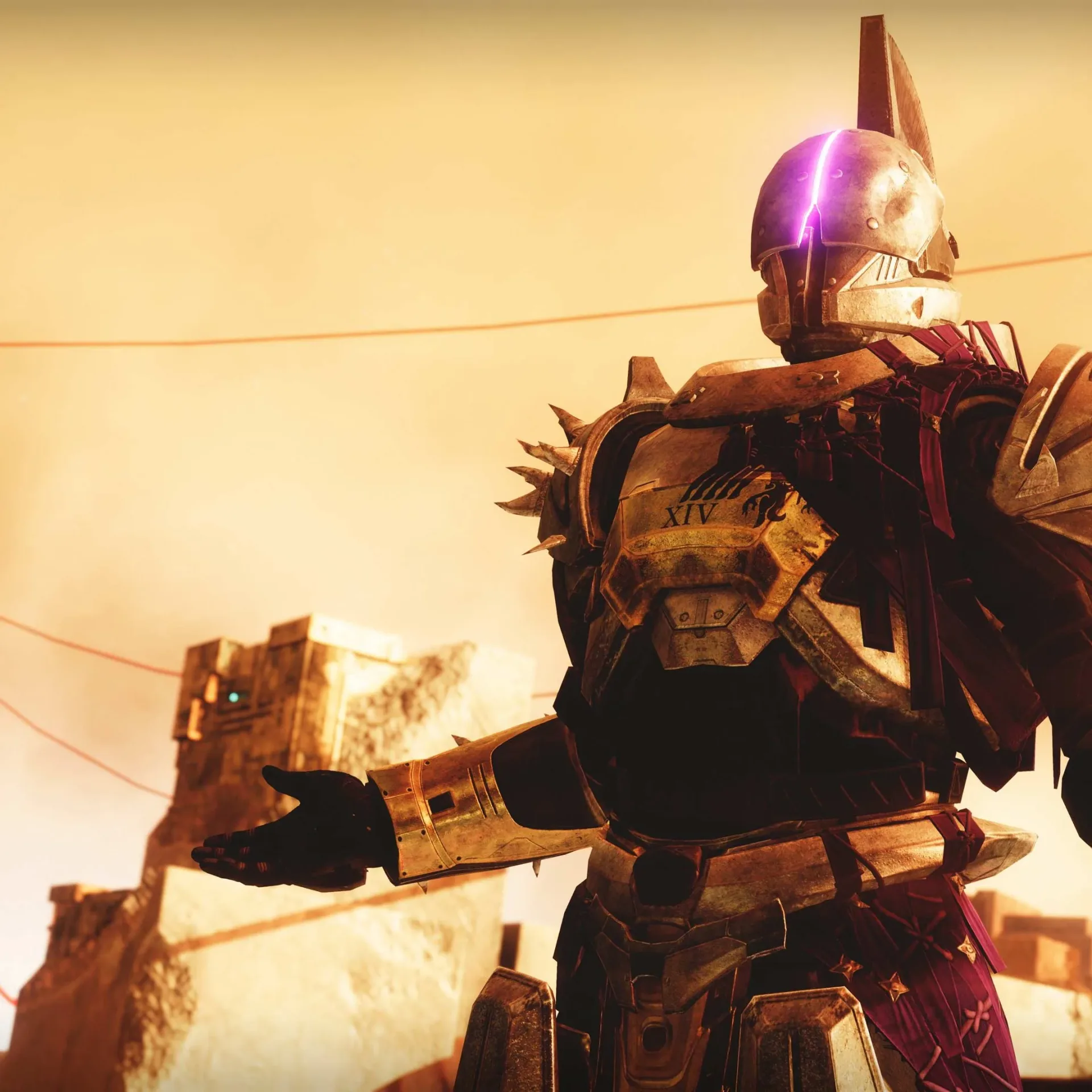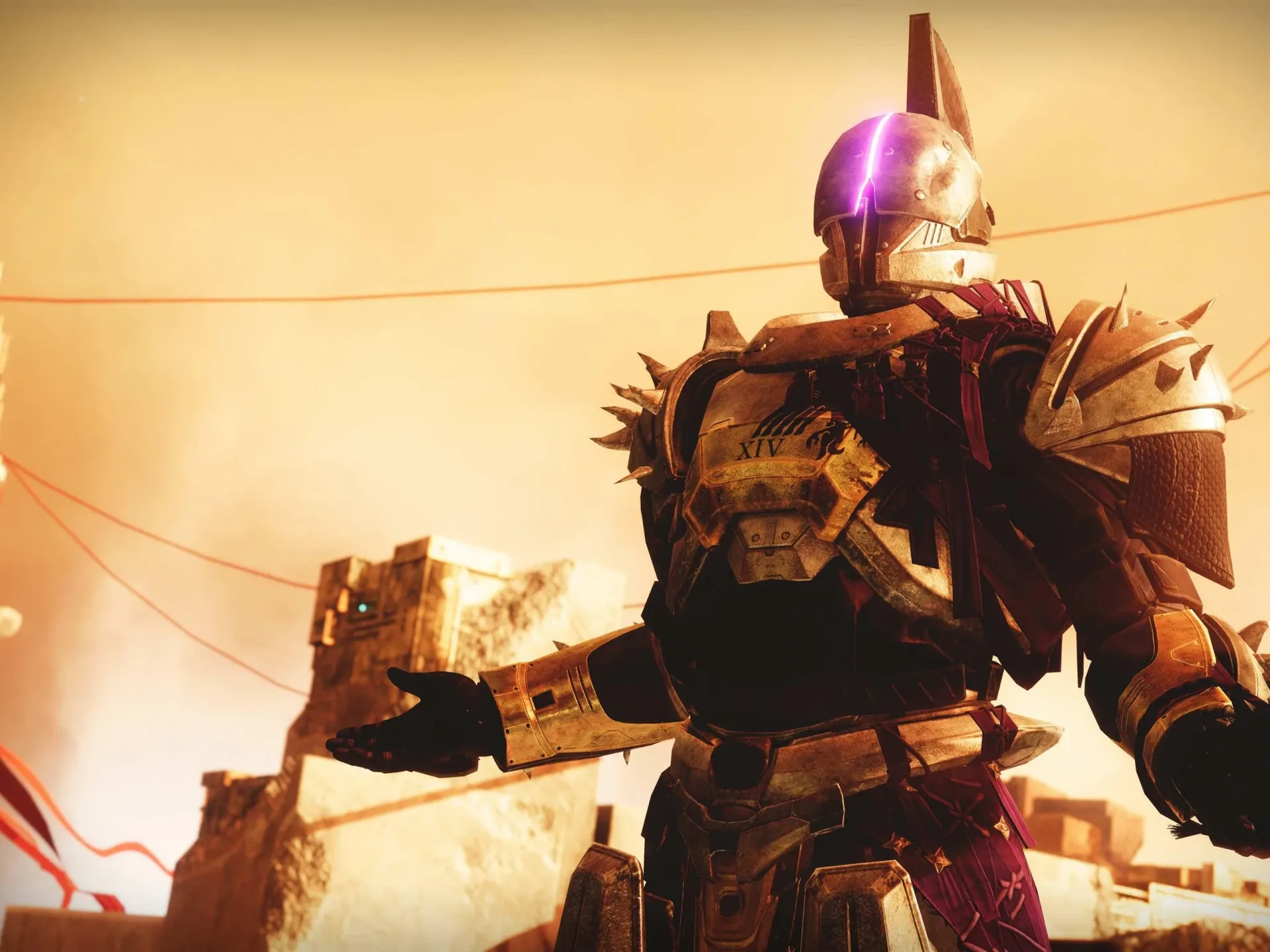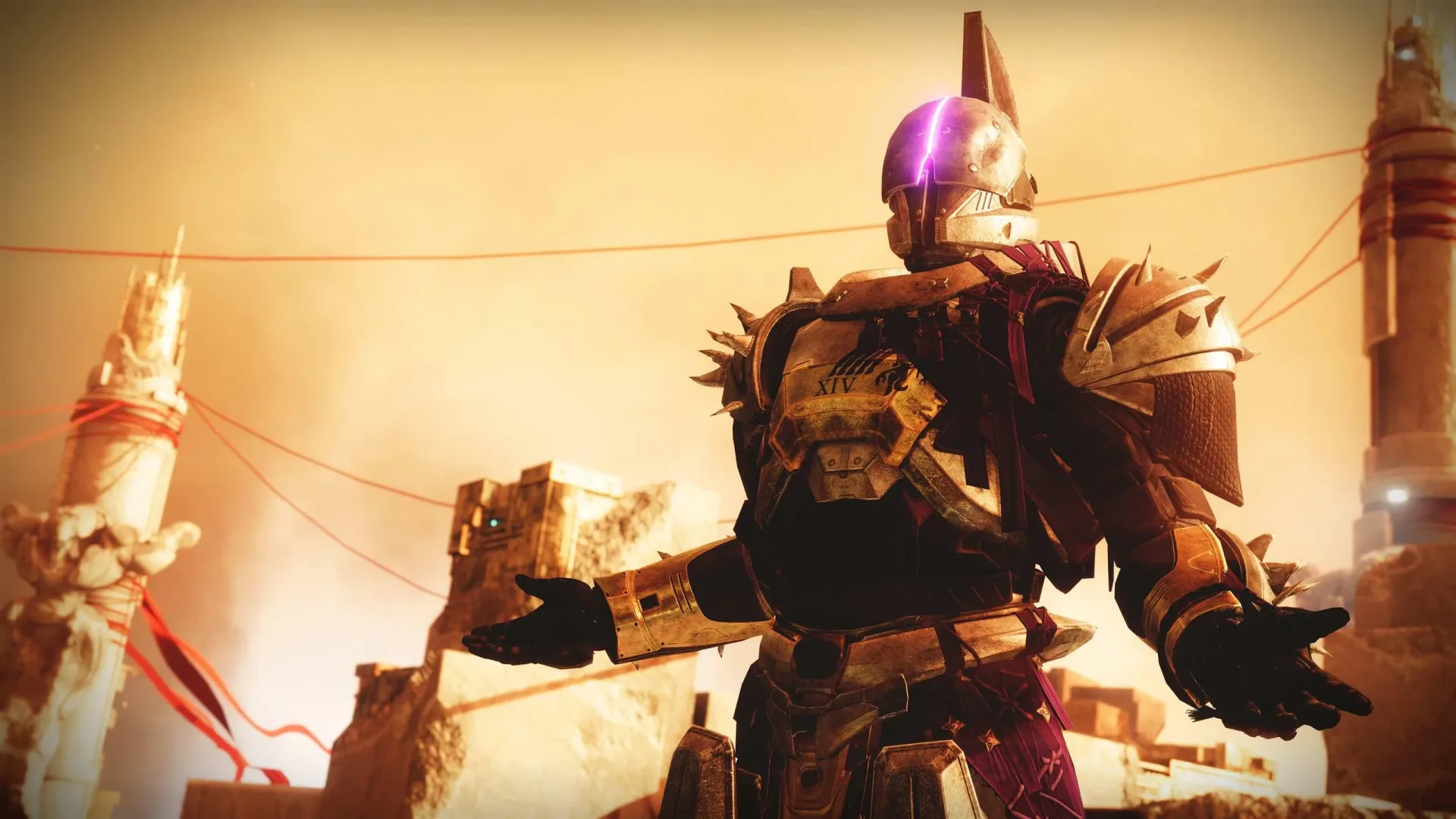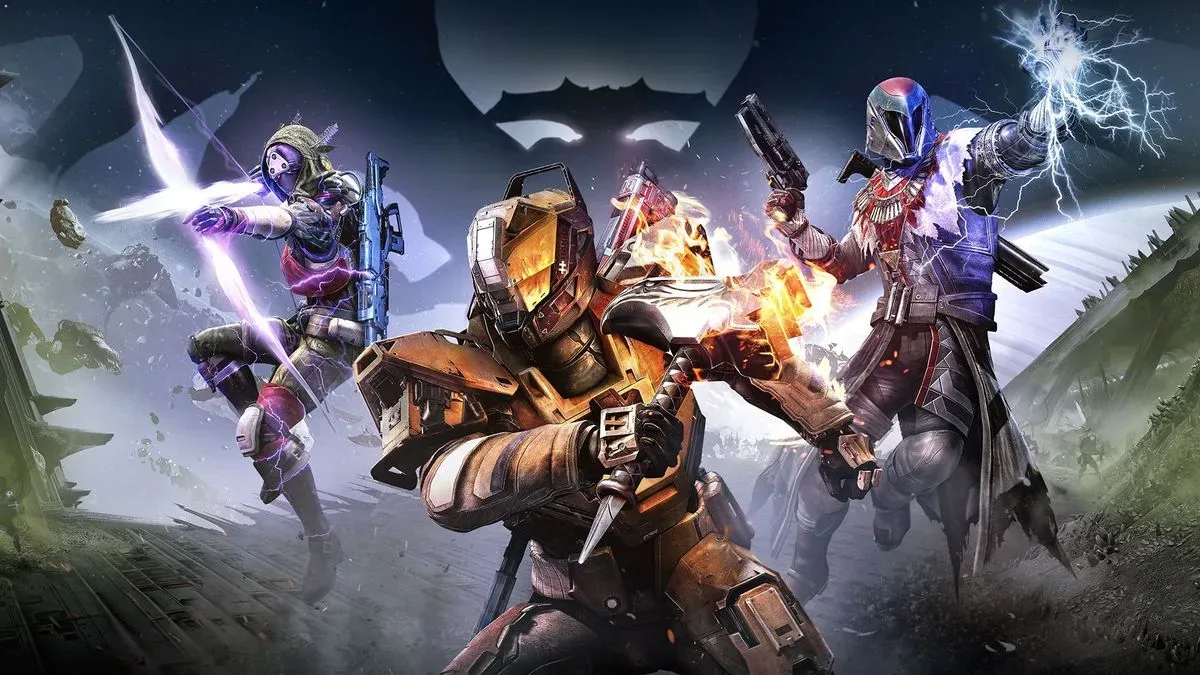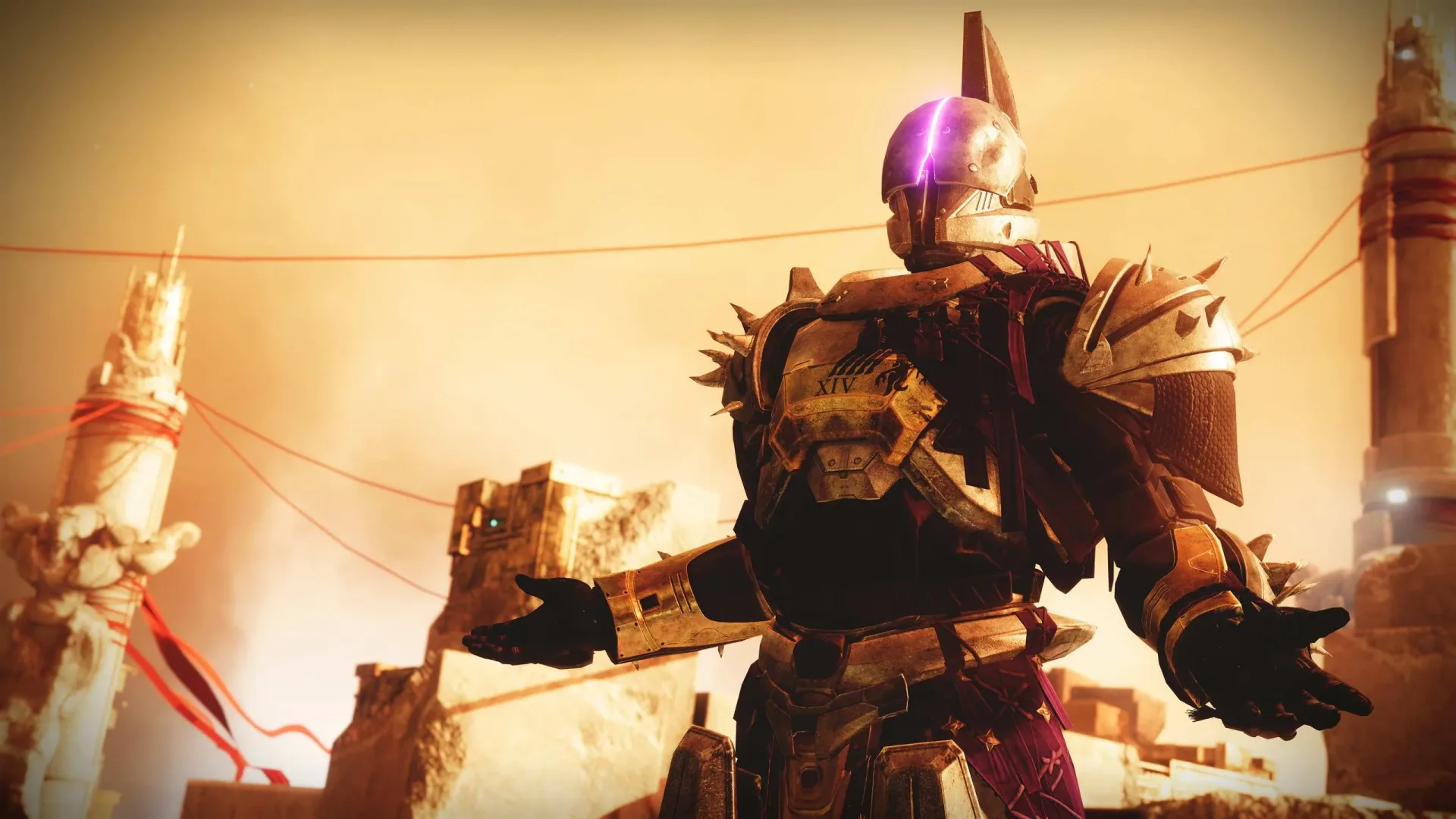
For a live-service game, there may be no more revealing compliment than: I love playing this, but I wish it were better. Former Bungie studio vice president Mark Noseworthy says that contradiction was not merely a community joke in Destiny’s early life. It was a working principle behind The Taken King, the Destiny 1 expansion now marking its 11th anniversary.
Noseworthy called The Taken King his personal high point among the Destiny projects he worked on, both as a player and as a developer. His recollection is unusually direct: the team believed the first Destiny was close to becoming great, but needed different ingredients and a different approach. The concise version of that attitude, he said, was: “I love playing Destiny. I hate that it’s not better.”
That line lands because it describes a familiar relationship between players and a game with a powerful foundation but uneven follow-through. Destiny’s shooting, cooperative activities and broader science-fiction premise gave it a distinct pull. Its formative period, however, was also marked by uncertainty around what the game should be and which systems should carry players from the opening hours into its most demanding content.
The Taken King matters not simply because it added more things to do. Its significance is that it appears to have given a clearer answer to the question of what Destiny was supposed to be.
A repair job, but also a definition of the game
In game-development conversation, an expansion can do two very different jobs. It can extend a healthy game—adding locations, activities, stories or gear to a formula players already understand. Or it can correct a game whose underlying systems, structure or rewards have not fully connected. The strongest expansions sometimes do both. The Taken King is often remembered in those terms because it was presented as a major burst of content while also improving the experience around that content.
The changes associated with The Taken King included a stronger story, more buildcrafting options, improved progression and more compelling endgame pursuits. Those phrases are worth unpacking, because they explain why systemic changes can matter at least as much as a new mission or enemy.
- Buildcrafting is the set of choices through which a player shapes a character’s capabilities and play style. More meaningful build options can turn loot and abilities from isolated rewards into parts of a larger plan.
- Progression is the path by which players improve, unlock opportunities and understand what to pursue next. If progression is unclear or unsatisfying, even excellent action can lose momentum.
- Endgame pursuits are repeatable or difficult goals aimed at invested players after the main campaign or initial leveling experience. They give a cooperative game a reason to remain social and active beyond its first completion.
Those pieces are interdependent. A player who earns an interesting item needs a reason to care about it; buildcrafting supplies that reason. A player who makes a stronger build needs goals where that strength is useful; endgame activities supply those goals. And both depend on progression that makes the next objective intelligible rather than arbitrary.
That is why a systems-focused expansion can change the feeling of a game more dramatically than its raw volume of new material suggests. A new activity is finite. A better loop for acquiring gear, making choices and tackling high-level challenges affects every return visit.
Related coverage includes Mark Noseworthy Looks Back on The Taken King’s Drive to Improve Destiny.
Vault of Glass and the shape of Destiny
The road to that fuller identity was not entirely paved by The Taken King alone. Destiny’s first raid, Vault of Glass, is described as an important moment in crystallizing the game’s vision and reviving player interest. A raid is a high-level cooperative activity built around coordinated group play, challenging encounters and shared problem-solving. In a game like Destiny, that format can show what the larger experience is capable of when abilities, weapons, mechanics and teamwork all matter at once.
Vault of Glass therefore helped establish the value of Destiny’s social, demanding side. The Taken King, by contrast, is remembered as the expansion that broadened and reinforced the surrounding game: a stronger narrative proposition, more choices in character construction, and improved reasons to keep playing. One helped clarify the destination; the other made more of the journey feel worthwhile.
This distinction also helps explain why nostalgic discussion of a long-running game is rarely only about a campaign, a villain or a favored weapon. Players tend to remember periods when multiple parts of the experience finally aligned. A compelling activity matters more when rewards feel meaningful. Story developments have more impact when the game’s broader rhythm does not fight the player. Endgame works better when the path into it makes sense.
The legacy of a familiar Destiny cycle
Noseworthy’s reflection also points toward the more complicated legacy of The Taken King. It became a benchmark—not only for quality, but for recovery. Once an expansion shows that a struggling or incomplete version of a live game can be reworked into something substantially stronger, players naturally expect future low points to receive a similarly transformative response.
That expectation can become exhausting. Destiny’s history has often been characterized by the feeling that another update might finally resolve the game’s biggest tensions. Some expansions delivered enough to earn lasting praise; others were judged partly through the question of whether they were actually celebrating a successful Destiny or spending their energy fixing a troubled one.
Forsaken, the Destiny 2 expansion, is cited as another example of the corrective pattern: it followed a difficult launch and addressed significant problems. The comparison does not mean the two expansions were identical. It highlights a repeating structural role. In both cases, a major release could be seen as an attempt to restore confidence by improving the systems that determine whether the game’s moment-to-moment excellence has somewhere satisfying to lead.
There is an important practical implication for players when a game enters that pattern. The value of an expansion is not measured solely by its new headline content. A player deciding whether to return may reasonably ask:
- Does this release add a self-contained adventure, or does it improve the activities I already play?
- Are the reward and progression systems clearer or more generous?
- Do new character options create decisions, rather than merely more inventory?
- Is the update solving a current frustration—or asking players to wait for a later fix?
Those questions apply beyond Destiny, but Destiny provides a sharp example because its best-regarded eras have been associated with broad improvements rather than isolated additions. A live game is not experienced as a checklist of features. It is experienced as a loop, and a loop is only as satisfying as its weak connection.
Why the blunt mantra still resonates
“I hate Destiny, it’s my favorite game” became a harsher player variation on the sentiment Noseworthy described. Both sayings express attachment, not indifference. Nobody needs a catchphrase for a game they have simply walked away from. The tension comes from seeing a game repeatedly demonstrate something special, while also seeing avoidable friction prevent it from consistently reaching that level.
In that light, the internal mantra was useful because it avoided a dangerous development assumption: that being close to great is the same as being great. It recognizes the value of what already works while refusing to treat potential as a finished achievement. The Taken King’s reputation suggests that this frustration was translated into concrete priorities rather than left as a vague aspiration.
It is also a reminder that “more content” is often an incomplete diagnosis. If player investment is weakened by unclear goals, thin build decisions or unpersuasive long-term rewards, adding another destination will not automatically fix the relationship. The more durable answer is to reconsider preparation: how the story, reward structure, activity design and character choices reinforce one another.
What changes when the horizon closes
Destiny 2’s final update is described as leaving the game in an arguably strong state, with fear of missing out reduced, loot updated and numerous events available. FOMO, short for “fear of missing out,” is a design and player-experience issue in which time-limited opportunities make people feel they must play immediately or permanently lose access to rewards or content. Removing or reducing it can make a game easier to approach on a player’s own schedule.
But the report that active Destiny 2 development has ended changes the emotional meaning of that stability. A game can be more accessible and better maintained in its final form while no longer moving toward a new defining expansion. The cycle of disappointment, repair, renewed optimism and reinvention may be over—not necessarily because every question has been answered, but because there may no longer be a future release designed to answer them.
That makes The Taken King’s anniversary feel less like a simple nostalgia beat and more like a case study in the value of decisive course correction. Its reputation rests on the idea that Destiny’s strengths were real, but required better structure and support to shine. Noseworthy’s mantra captures that unusually well: love for the game supplied the standard, while frustration supplied the urgency.
For a wider look at how studio leaders frame projects and player expectations, see Katsuhiro Harada’s comments on VS Studio’s first game.