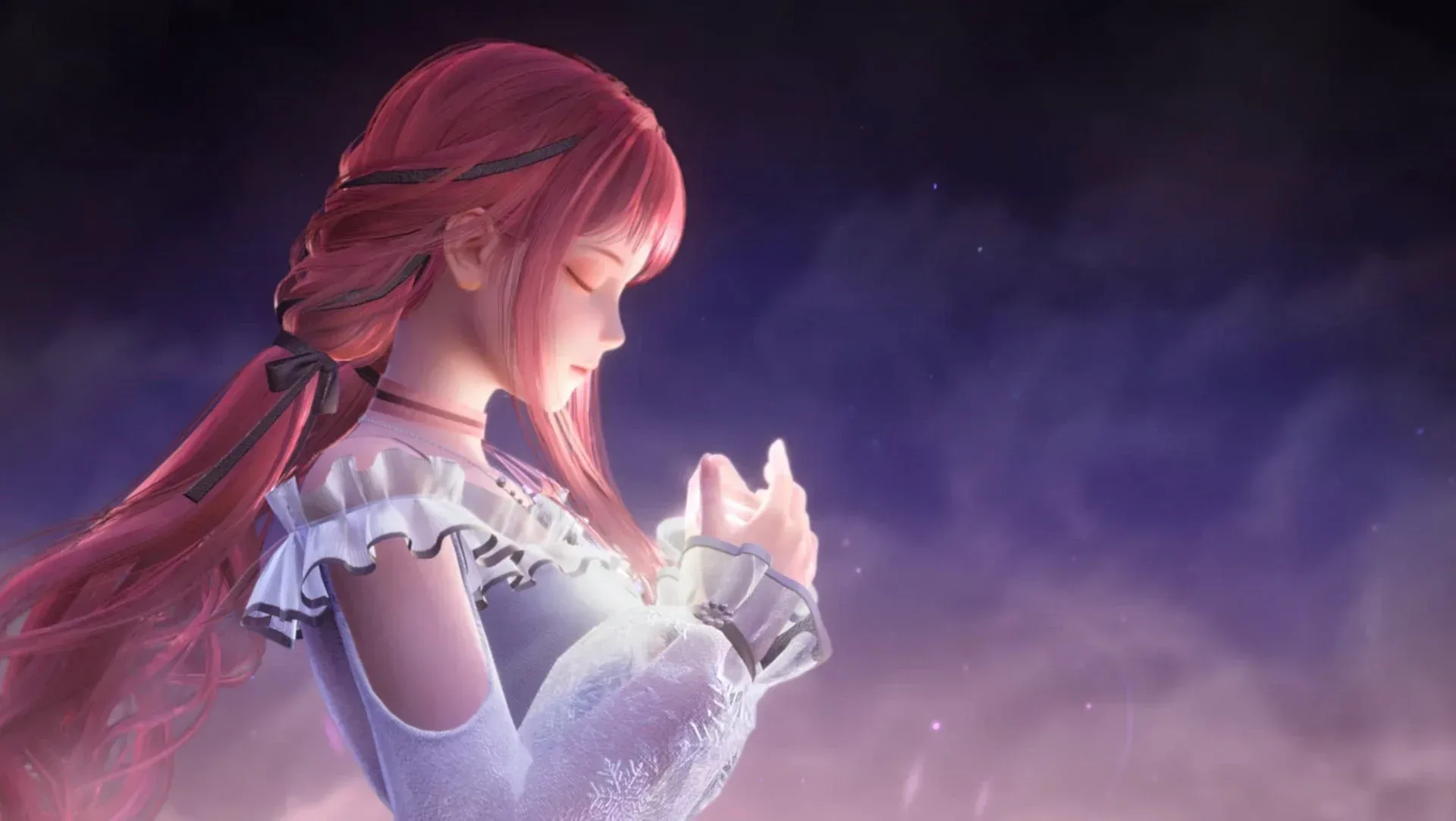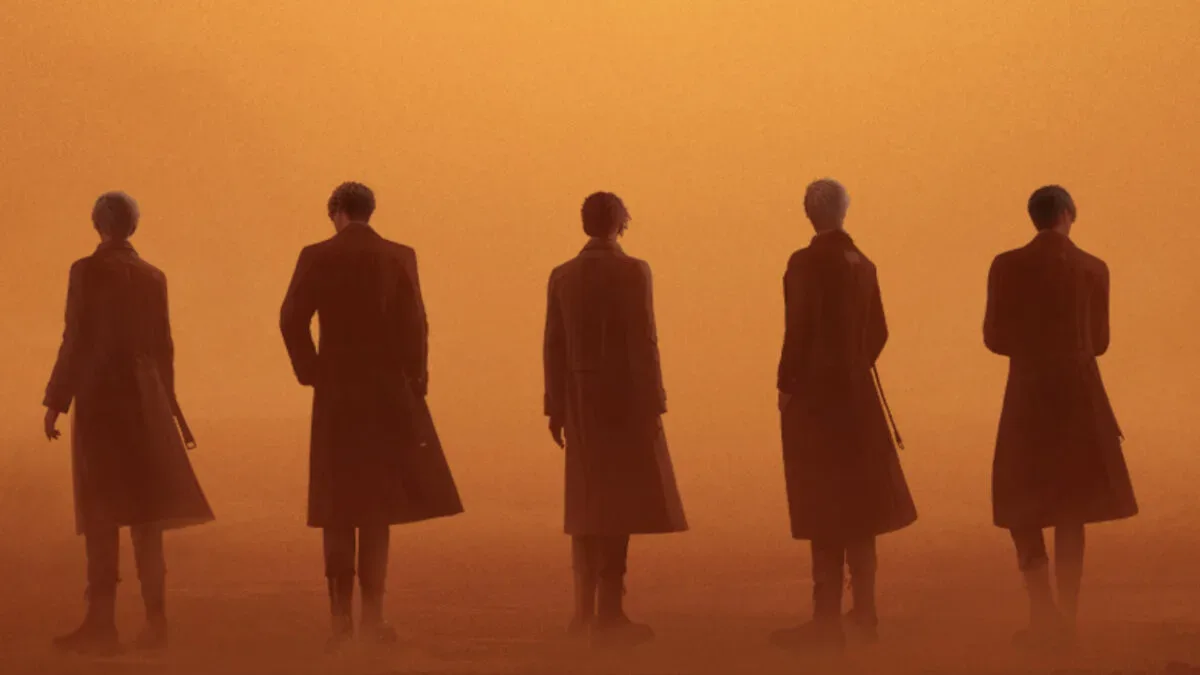
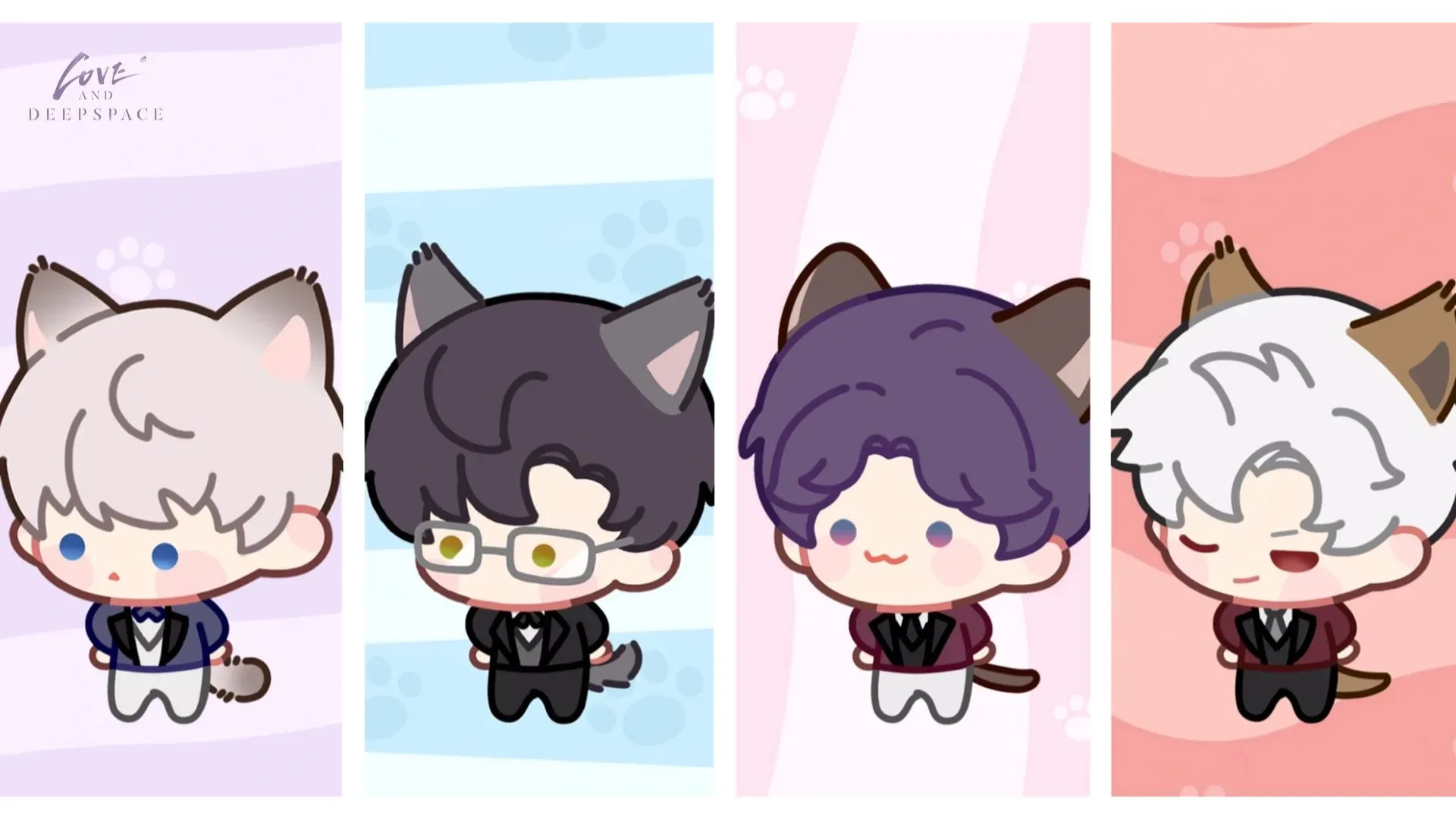
Love and Deepspace is revisiting one of its most celebrated event concepts: its five central love interests are being presented in cat form, complete with ears, tails, nuzzling and purring. The returning event is not simply a cosmetic novelty. It is built around the game’s gacha economy, giving players reasons to pursue character-focused story content while a significant update for Sylus, including a dragon-aspect reveal in the current timeline, is also on the horizon.
Together, the two beats make for a particularly direct appeal to the game’s character-driven audience. Catboys are back; a popular romantic lead is receiving a major lore moment; and both developments arrive amid a broader scramble for players’ finite time and spending across games. Love and Deepspace is hardly alone in trying to make an event feel unmissable, but it is leaning into the elements that distinguish it: intimacy, serialized fantasy drama and collectible narrative scenes.
A rerun with unusually broad appeal
The cat-themed event is a rerun rather than an entirely new campaign. Reruns are a familiar part of gacha games, where limited-time banners and previous rewards can return to give newer players another opportunity to obtain them and existing players another reason to engage. In this case, though, the return stands out because it brings back an event with a strong reputation among the game’s community and applies the theme across the core cast.
That scope matters. Previous reruns in Love and Deepspace have generally centered on a single character. A multi-character event can speak to more corners of a fandom at once, whether a player follows one preferred love interest or collects scenes across the roster. The cat transformation is also purpose-built for the game’s tone: it takes a familiar romance-game premise and adds physical affection, comedy and suggestive potential without abandoning the characters’ established appeal.
For players unfamiliar with the terminology, a gacha game uses a randomized acquisition system. Players make pulls—chances to receive particular digital items or characters. Here, the desirable items include memories, which are interactive story fragments involving the love interests. The format means an event can work at two levels at once: it offers a new or returning piece of romance storytelling, while also encouraging players to spend in-game resources, and potentially money, to chase the scenes they want.
That is why the catboy premise carries more weight than an amusing visual. It functions as a focused collectible hook. If a player has a favorite character, the relevant memory may be the priority. If the whole event has become a community favorite, completing a set can become part of the appeal as well. The event is designed around desire for specific fictional interactions rather than progression alone.
Sylus’ dragon aspect brings the lore forward
The rerun is paired with an important development for Sylus. Widely viewed as one of the game’s most popular love interests, he is set to receive a story update featuring his dragon aspect. The dragon identity has appeared to the female protagonist before, but in a different timeline. The forthcoming storyline is notable because it is positioned as the first acknowledgement of that side of Sylus in the current timeline.
That distinction is important in a story with timeline complications. Rather than merely repeating an already-known reveal, the update changes what the current version of the protagonist knows and what the current relationship can address. For fans invested in continuity, that makes the development more than a character costume or a detached alternate scenario. It potentially alters the emotional context around Sylus and the protagonist.
Related coverage includes Love and Deepspace Revisits Catboy Event as Sylus Dragon Story Nears.
Thematically, the update is also an extremely targeted piece of fantasy-romance material. A half-dragon love interest fits cleanly alongside the kind of dragon-shifter fantasy that has an established readership in romance fiction. Combined with the game’s emphasis on voiced performances and polished character imagery, it gives Love and Deepspace a conspicuous centerpiece at a time when players may have felt recent events were less exciting.
Why the timing is being scrutinized
It would be a mistake to treat a rerun and a story update as proof of any single business outcome. Live-service games regularly revisit popular content, and a character as prominent as Sylus is a natural candidate for a substantial narrative spotlight. Still, the selection and timing invite attention because the game has faced a Valko-related boycott that has continued into a fifth month, while the wider market is contending with extraordinary attention around Grand Theft Auto VI.
These are very different games, and their basic structures do not make them straightforward substitutes. Yet games compete for attention before they compete for genre labels. A player only has so much time for daily log-ins, story chapters, social discussion and purchases. A massive release or release-window conversation can affect what people play, watch and talk about—even when the games involved appear to serve radically different audiences.
There is also a more specific point of overlap in the discussion around GTA 6. Jason and Lucia’s relationship has been a prominent subject, with Jason described as fixing up their home, buying gifts, supporting Lucia’s criminal ambitions, responding naturally to her, calling her pretty, sharing intimacy and declaring his love. Players can also change Jason’s clothing and hairstyle and take him on dates. For an audience drawn to relationship-focused interaction, those details give the crime drama an unexpected boyfriend-simulator edge.
That does not mean a Love and Deepspace player will necessarily migrate to GTA 6, or that Rockstar’s game can replicate the ongoing, character-specific structure of a romance gacha. But the comparison illustrates a wider reality: romantic fantasy is not confined to one genre. When a major game highlights a relationship through customization, domestic gestures and reactive dialogue, it can enter conversations normally associated with dating games and visual-novel-style character fandoms.
Players following the larger GTA 6 conversation may also have seen speculation around customization and collectables, including reports on the possible role of its in-game Waink app. Our coverage explores the claim that GTA 6’s Waink app may hide magazine scans that unlock Lucia makeup and Jason hair. That type of system, if present as described, would be a different expression of the same broad pull: players enjoy making characters feel personal and pursuing content tied to them.
What the event strategy is actually selling
The key product in this moment is not just a cat ear or a dragon reveal. It is anticipation. Gacha events turn anticipation into a schedule: a banner arrives, players assess which memories they want, fandom discussion intensifies, and the limited-time nature of the opportunity adds pressure. A beloved rerun is valuable because players already understand what they are being asked to care about. A new, consequential Sylus storyline adds the promise of fresh information and a new emotional payoff.
This combination also covers two different kinds of player motivation:
- Nostalgia and completion: Returning players can revisit a popular event, while newer players may get an opportunity to pursue a memory they previously missed.
- Story investment: The Sylus update is positioned around a meaningful timeline-specific revelation, giving lore-focused fans something beyond a stand-alone novelty.
- Character preference: A broad cat-themed event can serve fans of multiple leads, while the dragon material gives Sylus followers an especially clear reason to pay attention.
- Community momentum: Distinctive character designs, lines and story turns create the kind of moments that are easily shared and discussed among fans.
For players, the practical question is simpler than the marketing machinery behind it: decide what content matters before committing resources. A fan who only wants a particular character’s memory has a different goal from someone pursuing every event item. Since pulls are chance-based, it is sensible to distinguish between enjoying promotional material and setting a personal spending limit for randomized rewards.
An appeal aimed straight at the fandom
The catboy rerun and Sylus’ dragon story are not subtle choices. They are overt expressions of what Love and Deepspace does best for its audience: highly tailored romantic fantasy, dramatic character lore and collectible scenes constructed around favorite fictional partners. The approach may be especially important while community dissatisfaction connected to the Valko situation remains unresolved and the industry’s attention is drawn toward GTA 6.
Whether the pair of updates restores the level of monetary success the game had before the Valko cancellation cannot be determined yet. What is clear is the intent behind the programming: bring back a proven community favorite, place a major popular-character development beside it, and make the case that the most memorable parts of this game’s romantic fantasy are happening now.