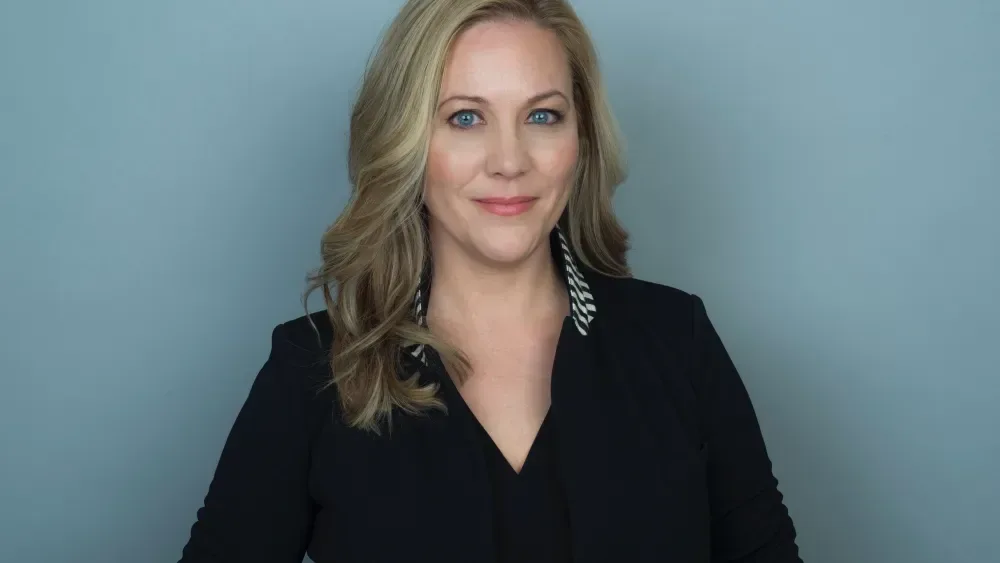
Jenn Kuzmyk is set to leave the Banff World Media Festival after nine years as executive director, ending a tenure that expanded the event’s international profile and added programming designed around the people who make, finance and distribute screen entertainment. Kuzmyk will also depart her position as senior vice-president and publisher of Canadian industry publication Playback.
Her exits from both roles are planned for next month. Kuzmyk will remain with Brunico Communications for a short consulting period to assist the transition, but a permanent successor has not been named.
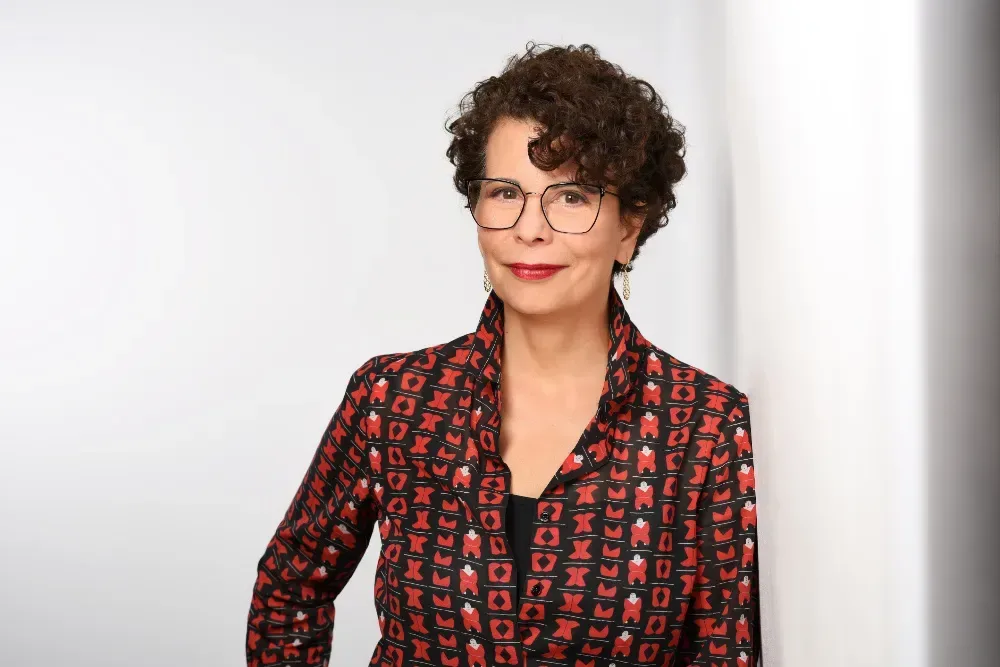
For the next edition of the festival, responsibilities will be divided at the top. Brunico president and CEO Russell Goldstein will oversee commercial matters for Banff 2027, while chief content officer Mary Maddever will lead programming. That arrangement separates two jobs that are tightly connected at a media festival but require different day-to-day focuses: commercial leadership covers the business framework around an event, while programming determines the speakers, sessions and editorial direction attendees see.
What changes, and what does not
The immediate news is a leadership transition rather than a change to the festival itself. Banff 2027 is being positioned for continued growth, with Goldstein and Maddever taking interim responsibility in their respective areas. Kuzmyk’s consulting role should provide short-term continuity while Brunico navigates the search for a permanent replacement.
That matters because an international industry gathering depends on both sides of the operation moving together. Programming has to be relevant enough to attract creators, executives and buyers; commercial planning has to sustain the event through partners, sponsors and the broader practicalities of staging it. Splitting those functions among established leaders may help maintain momentum during the handover, though Brunico has not identified who will ultimately replace Kuzmyk.
Goldstein praised Kuzmyk’s strategic leadership and innovation, saying her work had elevated both Banff and Playback. He also described the 2027 festival as poised for growth under the organization’s team. Bell Media president Sean Cohan, speaking for the Foundation Board of Directors, credited Kuzmyk with expanding Banff’s international reach and creating opportunities for people working across the screen industries.
A tenure built around international exchange
During Kuzmyk’s time leading Banff, the festival introduced the Showrunner Superpanel, Summit Series Keynotes and its Country of Honour program. Those initiatives illustrate the different roles an event like Banff can play for the television and wider screen business.
A showrunner is generally the senior creative and managerial figure guiding a television series, balancing story decisions with production responsibilities. A showrunner-focused panel brings the creative side of television into a setting also populated by executives, producers and other industry participants. Keynotes, meanwhile, are marquee presentations usually intended to frame major issues or perspectives for a wider conference audience.
Related coverage includes Jenn Kuzmyk to Leave Banff World Media Festival After Nine Years.
The Country of Honour program gives an individual national screen sector a prominent place within the festival. South Korea was recognized in 2025 and Spain in 2026. Such a spotlight can create a clearer entry point for international attendees looking to understand a country’s creative community and industry presence, while also making cross-border conversations more visible in the event’s overall agenda.
High-profile figures attending during Kuzmyk’s tenure included Jeffrey Katzenberg, Ted Sarandos, Pearlena Igbokwe, Jesse Armstrong, George Cheeks, Channing Dungey and Rob Wade. The names span creative, production and executive leadership, reflecting the kind of cross-industry audience Banff has sought to convene. Attendees from around the world also took part in the annual Rockie Awards.
That international orientation is particularly notable at a time when viewers encounter programming through a mix of traditional channels and streaming services. The audience-facing side of that landscape can be seen in shifting subscription offers such as Peacock’s Premium streaming offer; behind the scenes, industry events are a venue for the people deciding how programming is developed, presented and circulated.
Programs aimed at access and representation
Kuzmyk also helped create several initiatives with specific participation goals: the Netflix-Banff Diversity of Voices Initiative, the Banff Spark Accelerator for Women in the Business of Media with Paramount+, and the Indigenous Screen Summit.
An accelerator is a structured development program intended to help participants move projects, skills or businesses forward over a concentrated period. In this case, the Banff Spark Accelerator was centered on women working in the business of media. The other programs named during Kuzmyk’s tenure likewise placed emphasis on expanding the range of people and perspectives included in industry conversations.
These kinds of programs are more than standalone schedule items. At a festival that brings together professionals at different career stages, they can provide a formal route into rooms and conversations that might otherwise be harder to access. Cohan characterized Kuzmyk’s leadership as having created career-defining opportunities for participants across levels of the industry.
The available details do not establish what, if any, changes will be made to these programs after Kuzmyk’s departure. They do, however, form part of the foundation the interim leadership will inherit as it prepares Banff 2027.
Playback leadership is part of the same transition
Kuzmyk’s departure also affects Playback, where she served as senior vice-president and publisher. Under her leadership, the publication grew subscriber and advertising revenue. No successor for that role was identified in the transition details.
The pairing of the Banff and Playback roles put Kuzmyk at the intersection of two related but distinct media-industry functions. A festival creates a concentrated space for live programming, awards and professional networking. A trade publication serves an ongoing professional audience through coverage and advertising. Her departure from both positions means Brunico is managing a broader leadership change than the festival handover alone.
Kuzmyk said leading the two organizations had been the privilege of her career, thanked the Banff board, supporters, partners and sponsors, and praised the Banff and Playback teams. She said she expects to share more about her next step in the new year.
What to watch ahead of Banff 2027
The central unanswered question is permanent leadership. Brunico has a near-term operational plan, with Goldstein on commercial oversight and Maddever on programming, but has not announced a long-term executive director for the festival or a replacement for Kuzmyk at Playback.
Until then, the practical focus will be continuity: retaining the international scope developed over the past nine years, delivering programming that speaks to the screen business, and carrying forward the event’s established initiatives and annual awards. The interim division of duties makes clear where responsibility sits during that period, even if the eventual leadership structure remains open.
Kuzmyk leaves after helping establish visible features including the Country of Honour program, the Showrunner Superpanel and the Summit Series Keynotes, alongside initiatives focused on diversity, women in media and Indigenous screen professionals. The next phase for Banff will be defined by how its leadership team develops that existing platform for 2027 and beyond.