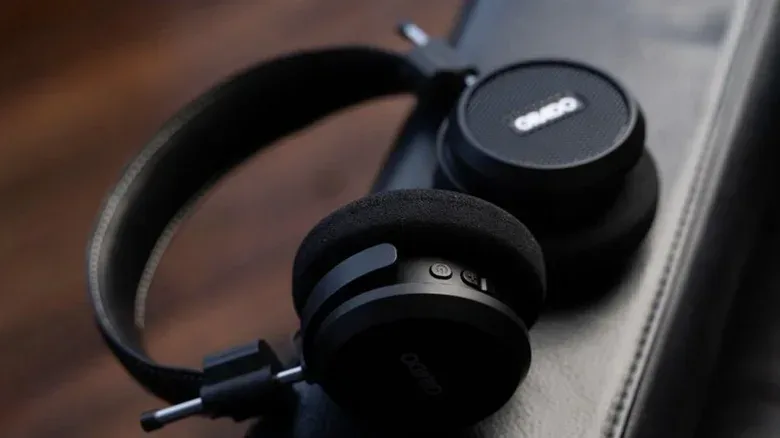
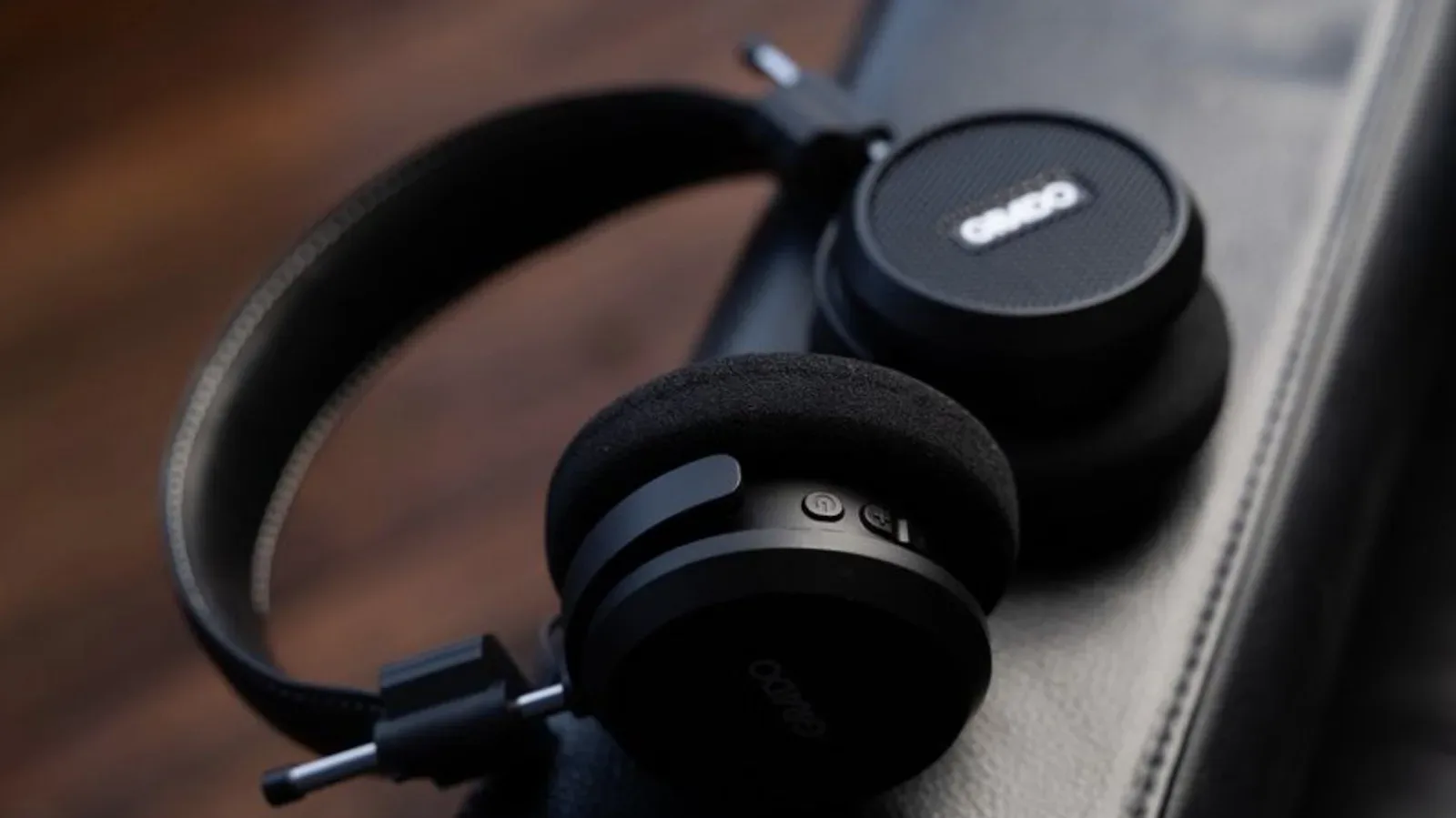
Grado is preparing the GW200, a new wireless open-back headphone that substantially updates the company’s earlier GW100 model. The headline change is battery longevity: the GW200 is rated for around 60 hours per charge, compared with 15 hours for the GW100. That is a fourfold increase on paper, and it addresses the most conspicuous practical limitation of the company’s 2018 wireless debut.
Preorders for the GW200 are open at $329, with shipments expected in December. The headset combines its wireless operation with a 3.5mm wired connection, Bluetooth 5.4, multipoint pairing for two Bluetooth devices, and a redesigned 44mm S driver. At 235 grams, Grado is also positioning the new model as a comparatively lightweight option in its category.
A familiar open-back idea, updated for wireless listening
The GW200 follows the path established by the GW100, which brought Grado’s open-back headphone approach to a Bluetooth model in 2018. “Open-back” describes earcups designed so that sound and air can move through the outside of the enclosure rather than being sealed in. In broad terms, that construction is intended to preserve a more open, natural presentation instead of isolating the listener from the surrounding room.
That design philosophy is central to the product, but it also defines where a headphone such as the GW200 makes the most sense. An open-back model is not built around noise isolation, and nearby people may hear some of what is playing. For a player sitting at a desktop, listening in a quieter room, or moving between music and game audio at home, the open presentation may be a deliberate draw. In a shared space or a loud environment, however, the same trait is a practical consideration rather than an automatic advantage.
Grado says its new driver is intended to offer clarity, detail and a fuller musical sound while retaining the openness and natural character associated with the brand’s headphones. Those are manufacturer targets, not independently established performance results. Still, the move to a fresh driver suggests that the GW200 is more than a battery revision of the original wireless model.
The new 44mm S driver is the core hardware change
The GW200 uses a newly designed 44mm S audio driver. A driver is the component inside a headphone that turns an electrical audio signal into the movement that produces sound. The 44mm measurement refers to the driver’s diameter. Grado says the design is based on the larger drivers used in some of its wired headphones, including the HP100 SE.
Driver size alone does not determine sound quality, and the available details do not establish how the GW200 will compare with either the GW100 or Grado’s wired range. What is clear is that the company has changed the acoustic hardware, rather than relying solely on a newer Bluetooth platform or a larger battery. For buyers who viewed the GW100 as an interesting first wireless effort but wanted a more complete generational update, that distinction matters.
For game players, the audio case here is principally about the kind of listening environment desired. Open-back headphones are commonly considered by people who prefer an airy sense of space in their audio, whether they are playing a soundtrack-heavy single-player title, listening to music between matches, or using a PC at a fixed setup. That does not make the GW200 a purpose-built gaming headset: the supplied specifications do not identify gaming-specific features, a microphone configuration, or console compatibility. It is best understood as a general wireless headphone whose feature set could fit some gaming routines.
From 15 hours to around 60: the most tangible upgrade
The stated battery improvement is likely the most immediately meaningful part of the GW200 package. The GW100 topped out at 15 hours, while the new model is said to reach roughly 60 hours per charge. Battery estimates can vary with listening volume, connection settings and use patterns, so “around 60 hours” should be treated as the provided claim rather than a guaranteed result in every situation.
Even with that caveat, the difference changes the product’s day-to-day proposition. A 15-hour wireless headphone can require relatively frequent attention from anyone who uses it across work, games and music. A 60-hour estimate reduces the likelihood that a listening session will be governed by the next charging window. It also puts the new model closer to the endurance expected of contemporary wireless headphones.
The 3.5mm connection provides a fallback that is especially useful in a product built around a battery. When the GW200 is connected by cable, Grado says it does not draw power. That means the headphones can continue operating in wired form without consuming their remaining charge. For a desk setup with an accessible headphone jack, it offers a straightforward way to preserve battery for times when wireless movement is actually useful.
The cable option may also simplify a mixed-device setup. A user could choose wired listening at a PC or other compatible source, then use Bluetooth away from that setup. The information available does not specify included cables, control layout, charging method, charging time, or device-specific behavior, so prospective buyers should avoid assuming details beyond the stated 3.5mm capability.
Bluetooth 5.4, codecs and multipoint: what the connectivity terms mean
The GW200 uses Bluetooth 5.4 and supports several common codecs, including Qualcomm aptX Lossless, aptX Adaptive and SBC. A codec is the method used to encode and transmit audio over Bluetooth. Codec support can matter because the headphone and the sending device need compatible options; a headphone listing a codec does not by itself mean every phone, handheld, computer or console will transmit using that codec.
SBC is a common baseline Bluetooth audio codec. aptX Adaptive is designed to adjust its behavior according to connection conditions, while aptX Lossless is presented as a lossless-capable Qualcomm option under supported conditions. The practical takeaway is not that one label guarantees a universal best result. Instead, the GW200 offers a broader codec set for users with compatible transmitting hardware.
That compatibility caveat is worth keeping in view for gaming. Different platforms manage Bluetooth audio in different ways, and the supplied specifications do not make platform-by-platform support claims. Anyone buying specifically for a particular console, PC configuration or handheld should confirm that device’s Bluetooth behavior separately. The GW200’s own codec list is useful information, but it is only one half of a wireless connection.
Multipoint connectivity is another potentially useful inclusion. The GW200 can maintain two simultaneous Bluetooth connections, allowing a user to switch between audio sources without repeatedly disconnecting and re-pairing. In practical terms, that could suit someone who alternates between a computer and a phone. A notification, call or music app on one device can be easier to reach while the other remains connected for desktop audio.
The exact switching behavior, priority rules and controls have not been detailed here, so it would be premature to promise seamless handling in every situation. But the feature is meaningful because it acknowledges how wireless headphones are often used: not as a one-device accessory, but as an audio tool moving between a phone and a primary screen.
Weight, fit and replaceable cushion options
Grado lists the GW200 at 235 grams and describes it as lighter than the GW100. The physical design includes a padded leather strap and an adjustable steel band. Weight is only one part of comfort, since clamp pressure, ear cushion shape and head size can all affect the experience, but a lower mass can matter over longer listening sessions.
The GW200 also works with Grado’s complete range of standalone headphone cushions. This is useful because ear cushions have an outsized role in both fit and the way a headphone sits around the ear. The supplied material identifies the compatibility, though it does not specify which cushions are included with the GW200 or how alternative cushions may change comfort or sound.
For prospective buyers, the key point is flexibility. Rather than making comfort a permanently fixed part of the purchase, compatibility with the company’s existing cushion range gives owners an option to alter fit later. That is particularly relevant to anyone who wears headphones for extended sessions, whether that time is spent with albums, streams, work calls or games.
What the GW200 does—and does not—promise
The GW200’s most concrete upgrades are easy to identify: a new 44mm S driver, a roughly 60-hour stated battery life, Bluetooth 5.4, a selection of codecs, dual-device multipoint support, lower weight relative to the GW100, and wired 3.5mm use that does not use battery power. The $329 price places it as a premium general-listening headphone rather than an impulse accessory.
There are also important unknowns. The provided specifications do not mention active noise cancellation, an onboard microphone, low-latency gaming modes, water resistance, a companion app, charging speed, or detailed platform compatibility. Their absence from the available information should not be read as confirmation that any feature is missing; it simply means buyers should not assume it is part of the package.
That makes the product’s appeal relatively focused. The GW200 is aimed at listeners who value Grado’s open-back identity but want modern wireless conveniences and considerably more endurance than the earlier GW100 supplied. Its wired mode adds resilience, its multipoint function suits a multi-device desk or home environment, and the replaceable cushion compatibility offers a route to personalizing comfort.
In the broader accessory picture, the GW200 is a reminder that wireless design does not need to mean abandoning every wired-use option. That distinction can matter for players and PC users building an audio setup around several devices. For more developments involving the hardware and services surrounding everyday digital play, see our coverage of a recent Apple services outage.
With preorders underway and December shipments expected, the remaining question is how Grado’s new driver and wireless implementation will land in real-world use. The company has laid out a clearer specification upgrade than a minor refresh: the GW200 retains the open-back direction of the GW100 while giving its battery, connectivity and comfort options a more current foundation.