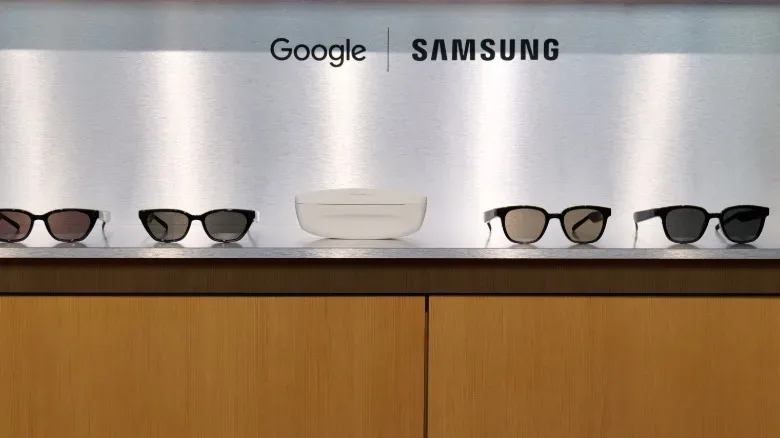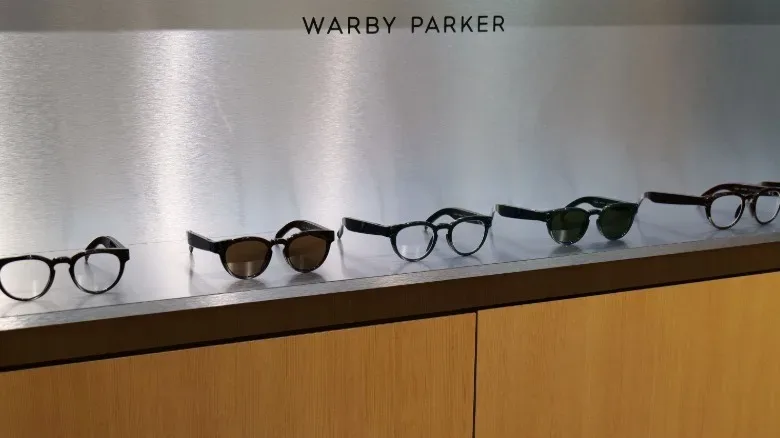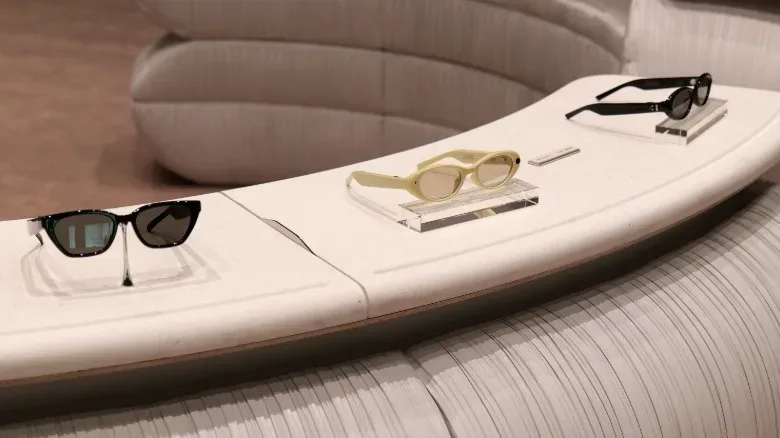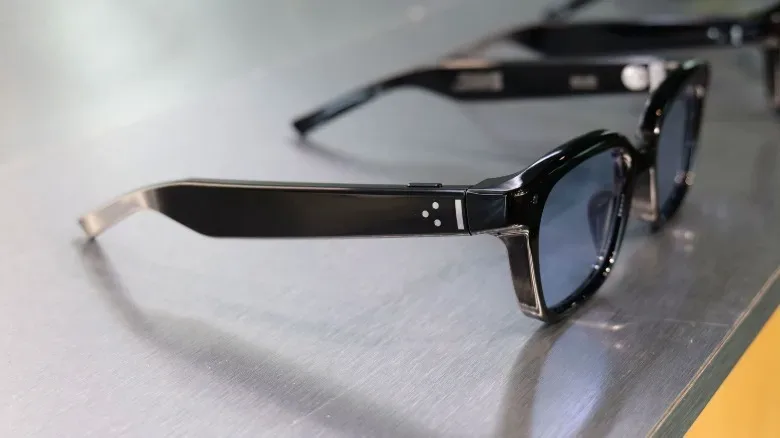

Google’s next Android XR move is not another face-strapped display machine. It is a pair of smartglasses that deliberately leaves the display out. The first models, made with Warby Parker and Gentle Monster, put cameras, speakers, microphones, touch controls and Gemini AI into conventional-looking frames—then ask users to trust that the most useful computer may be the one that does not insist on putting a tiny billboard directly in front of their eyeballs.
Pre-orders for both brands begin November 12, with sales scheduled to start December 10. Warby Parker’s version is priced at $395, while Gentle Monster’s costs $449. The price difference does not indicate a different technical tier: both lines are set to use the same core hardware and Android XR software. What customers are really choosing is the frame, lens offering, style and retail experience. That may sound obvious in a category obsessed with processors and pixels, but it is also the whole point. Glasses are worn on faces, not spec sheets.
A three-company division of labor, with one very busy temple arm
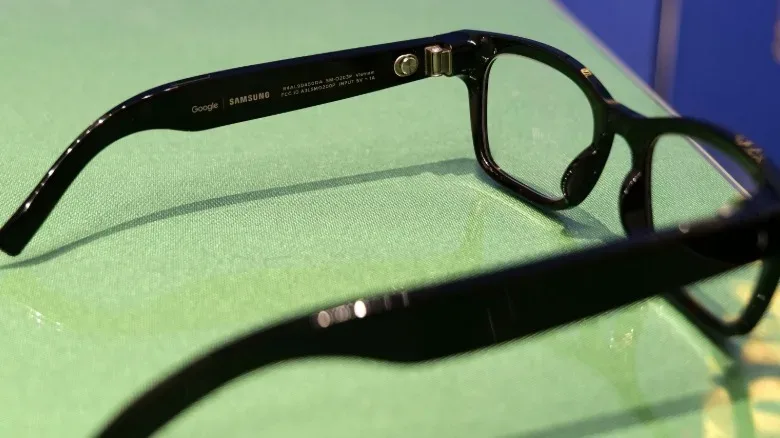
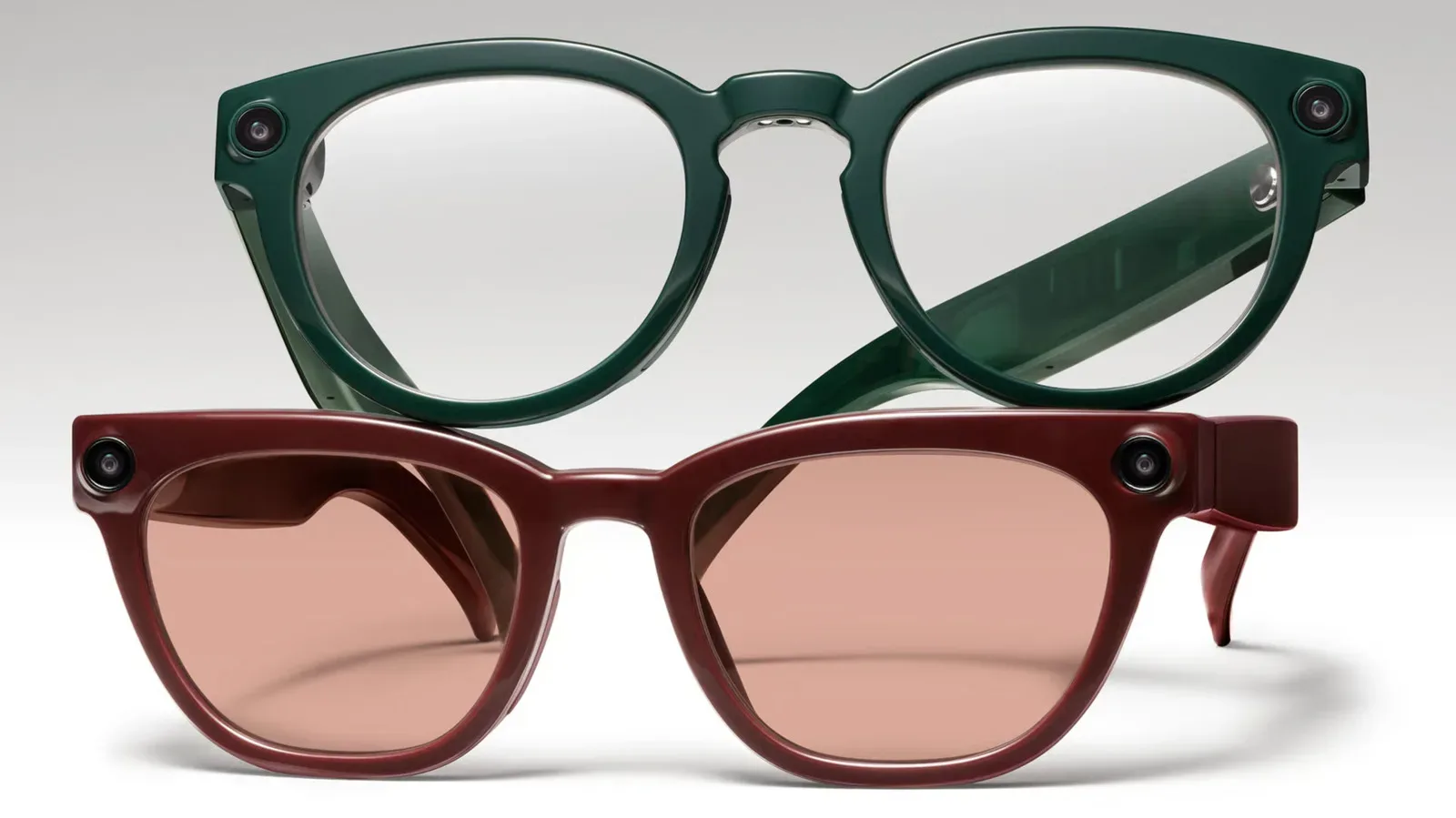
The arrangement splits the job into unusually clear lanes. Google provides Android XR and Gemini. Samsung supplies much of the underlying technology, including cameras, microphones and touch sensors. Warby Parker and Gentle Monster handle frame design, lenses, sales and support. Prescription and transition, or photochromic, lenses are expected options. Photochromic lenses darken in brighter conditions, which is a distinctly more practical trick than asking an assistant to describe sunlight while the wearer squints at it.
Each model is listed with 2GB of RAM, 64GB of storage, a 12MP camera capable of up to 3K video, stereo speakers, far-field microphones and a touch sensor. Far-field microphones are designed to capture speech from a distance rather than requiring the wearer to speak directly into a mic. In this case, the glasses also use a microphone arrangement intended to focus on a cone-shaped area in front of the wearer. The stated goal is better recognition of the speaker being faced in a noisy room.
Battery life is estimated at around nine hours per charge, and the included case is said to hold enough power for multiple full recharges. As ever, an estimated battery figure is a planning number, not a promise that every mix of camera use, audio playback, wireless connectivity and AI requests will behave identically. Still, it sketches the intended rhythm: wear the glasses for the day, then return them to a case rather than treating them like a headset that needs an early nap.
They will connect wirelessly to a phone using Bluetooth or Wi-Fi as appropriate, work with Android phones and iPhones, and are intended to offer feature parity across those operating systems. Google also says a paid Gemini plan will not be required to use the glasses’ features. That is notable for a device whose central premise is not merely “glasses, but speakers,” but “glasses, but an AI assistant is always one voice command away.”
No display is not the same thing as no interface
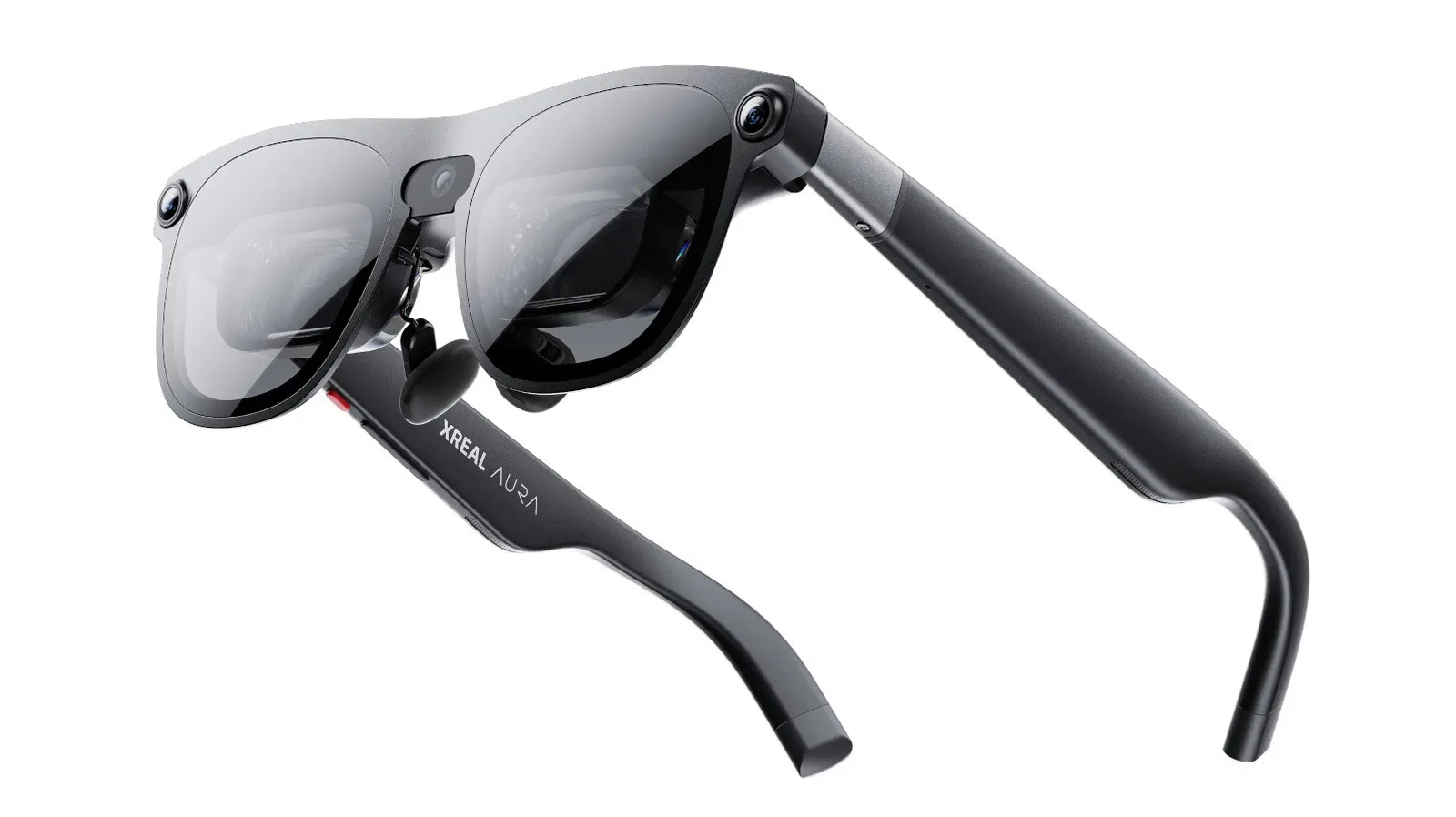
These are audio-first glasses. They do not include a built-in visual display, so they are not a direct answer to glasses that place information in the wearer’s field of view. There is no floating map arrow, caption panel or miniature cyberpunk spreadsheet hovering over the cereal aisle. The interface instead consists of sound, voice, a camera and physical controls.
A button near the right temple takes a photo with a short press and begins video recording with a long press. A touch-sensitive area on the right arm can adjust volume, pause audio or dismiss Gemini. Voice can also summon the assistant. The fundamentals are familiar: music, notifications, messages, supported apps and phone-connected tasks can be handled without digging a handset out of a pocket.
Related coverage includes Google’s Android XR Smart Glasses Put Gemini First, Displays Aside.
That limitation may be an advantage for people who want assistance without another screen competing for attention. A display-free design cannot visually interrupt a conversation, but it also cannot silently show a response when speaking would be awkward. The tradeoff is fundamental rather than cosmetic. Buyers should not treat these as discounted display glasses; they are built around a different interaction model.
For directional help, texting and music control, audio may be sufficient. For more complicated visual information, it necessarily is not. The practical question is whether a task can be completed faster by talking naturally than by unlocking a phone, opening an app and tapping through several menus. Smartglasses have a particularly credible argument when a user is walking, carrying something or otherwise needs to keep both hands free. They also create a social question: how often does someone actually want to talk to an assistant in public? The hardware cannot settle that one for them.
Gemini is the feature, not an accessory
Google’s pitch depends heavily on Gemini’s conversational context. The assistant is designed to retain context between exchanges for a duration selected by the user, allowing follow-up questions without repeatedly restating the entire situation. In simple terms, persistent memory means an assistant can connect a later request to an earlier one. Rather than beginning every interaction from zero, a wearer can continue an ongoing thread.
That matters more in glasses than on a laptop. When someone has a screen, keyboard and dedicated apps available, direct manipulation can be quicker, more precise and easier to review. In glasses, the friction changes. Pulling out a phone to transcribe a date, create a reminder or send a brief reply can be more disruptive than speaking a request. The strongest case for a voice assistant is not that speech replaces every interface; it is that it can remove a few annoying transitions during a normal day.
The camera expands that proposition into computer vision. Computer vision is software’s ability to interpret information from images or video. Google has shown the glasses being used to look at a physical invitation and add the event details to a calendar. Another example involves identifying visible ingredients and suggesting a smoothie, along with rough estimates of ingredient amounts. A user can also ask to add missing groceries to a list.
Those examples reveal both the appeal and the sensible boundary. Reading an invitation and turning its date, time and place into a calendar entry is a compact administrative chore well suited to camera-plus-assistant input. Estimating food amounts may be fine when someone is improvising breakfast, but it should not be confused with precision measurement. “Rough estimate” is doing honest work there. The glasses may be able to help a smoothie happen; they are not being positioned as a reason to abandon exact tools when exactness matters.
Live translation raises the ceiling—and the stakes
Live translation is among the most ambitious planned uses. The microphone design is intended to prioritize the person in front of the wearer, and a wearer can reportedly move attention between speakers simply by looking at a different person. Gemini can also render translated speech with output intended to resemble the original speaker’s sound.
The possibility is compelling because it aims to reduce the mechanical feel of translation: less passing a phone around, less staring at a screen and less wondering whether an app is listening to the right voice. But translation is an area where convenience and accuracy are inseparable. A system that helps people follow a casual exchange could be genuinely useful. Users should still understand the difference between following a conversation in real time and having a definitive interpretation of every nuance. The supplied information describes the feature’s design and intended behavior, not a guarantee of flawless translation in every setting, language or conversation.
Privacy is part hardware behavior, part data policy
Smartglasses create an immediate trust problem because a camera can look like ordinary eyewear. Google’s answer includes an LED indicator and a safeguard that prevents photos or video when that indicator is covered or disabled. There is also no direct livestreaming-video feature from the glasses. These are meaningful product choices because they limit how discreetly the camera can operate and rule out one especially fraught use case.
Google further says that images and information sent to Gemini remain on the device and will not be used for AI training or ad targeting. That claim is central to the product’s privacy position, particularly because the device is designed to observe parts of daily life that a phone camera might never see. The difference between a camera you deliberately hold up and one built into something you wear is not a tiny implementation detail; it changes the social expectations around the device.
Privacy in wearable cameras cannot be reduced to a single LED or policy statement. The indicator tells bystanders that recording is occurring; the blocked-camera behavior aims to stop recording when the signal cannot do its job; the lack of direct livestreaming narrows one category of broadcast; and the on-device and non-training commitments address what happens with information provided to Gemini. These measures deal with different layers of the issue. For more on why camera signaling and limits matter in this product category, see Google’s smart-glasses privacy approach.
The real test is whether invisible computing feels useful rather than needy
Android XR first arrived in a Samsung headset last year. This glasses launch takes the platform in a much lighter direction, but it does not present itself as a miniature headset. It asks for something arguably more intimate: frequent, hands-free reliance on an assistant that can hear, speak, remember context and interpret what the wearer is looking at.
That makes the glasses a better fit for people already comfortable with voice interaction—and a tougher sell for anyone who regards voice assistants as a last resort, somewhere between calling customer service and explaining a printer problem to a cat. The benefit is not endless conversation with Gemini. It is a set of small moments in which a hands-free request is less cumbersome than reaching for a phone.
The potentially winning formula is also refreshingly unglamorous. Good-looking frames, prescription-lens support, all-day-ish stated battery life, phone compatibility and straightforward capture controls could matter at least as much as an impressive AI demo. Google, Samsung, Warby Parker and Gentle Monster appear to be betting that smartglasses succeed when they first work as glasses—and only then quietly offer a capable assistant. No display means there is still a ceiling on what the product can do. But it also means the device is trying to earn a place on a face without demanding to become the center of that face’s attention.